


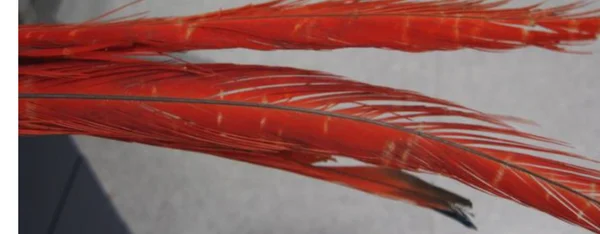
This guide aims to elucidate the complex mechanisms behind bird stress bars, offering a detailed understanding of their formation, identification, and, crucially, strategies for prevention to ensure optimal feather health until the next natural molt. Feathers, far from being mere superficial coverings, are intricate biological marvels essential for a bird’s survival, encompassing roles in flight, thermoregulation, waterproofing, and even social communication. The presence of stress bars—visible indicators of past physiological distress—serves as a critical diagnostic tool for avian caretakers, revealing periods when a bird’s health or environment was compromised.
The Intricacy of Avian Feathers: Structure and Function
At the fundamental level, a feather is a highly specialized epidermal outgrowth composed primarily of keratin, the same protein found in human hair and nails. During its developmental phase, a nascent feather is encased within a protective structure known as the bird feather sheath. This waxy, keratinous tube shields the delicate, vascularized pulp that nourishes the growing feather. As the feather matures, the sheath gradually disintegrates and flakes away, revealing the fully formed structure.
The mature feather is characterized by several key components: the rachis, or central shaft, which provides the main axis and structural support; the barbs, which branch off the rachis, forming the broad, flat surface of the feather known as the vane; and the microscopic barbules that extend from the barbs. These barbules possess minute hook-like structures called barbicels, which interlock with adjacent barbules, creating a strong, yet flexible and lightweight, aerodynamic surface. This intricate interlocking mechanism is paramount for maintaining the feather’s integrity, enabling efficient flight, effective insulation against environmental extremes, and water repellency. Without this precise arrangement, feathers would be dishevelled, impairing a bird’s ability to fly and regulate its body temperature effectively. The meticulous design of these components underscores the vital and sophisticated nature of avian plumage.
Nutritional Pillars for Robust Feather Development
The continuous growth and maintenance of healthy feathers demand a consistent and robust supply of specific nutrients. Keratin, the primary building block, requires a rich dietary intake of proteins, particularly those abundant in sulfur-containing amino acids such as methionine and cysteine. Beyond proteins, a spectrum of vitamins and minerals plays an indispensable role in feather quality:
- Vitamin A: Crucial for the health of epithelial tissues, including the feather follicles, and plays a role in cellular differentiation.
- Vitamin D: Essential for calcium absorption, which supports overall bone health and metabolic processes indirectly linked to feather quality.
- Vitamin E: A powerful antioxidant that protects cells from oxidative damage, contributing to healthy tissue development.
- B-complex Vitamins: Including biotin, pantothenic acid, and riboflavin, are vital cofactors in numerous metabolic pathways, including protein and fat metabolism essential for keratin synthesis.
- Minerals: Zinc is crucial for enzyme function and immune health, both of which impact feather quality. Selenium acts as an antioxidant, while calcium is vital for overall physiological function. A deficiency in any of these can significantly impair feather development, leading to weakened structures.
Distinguishing Healthy from Compromised Avian Plumage
Healthy bird feathers are typically vibrant in color, smooth, flexible, and resilient. They lie neatly, forming a continuous, unbroken surface that efficiently serves its multiple biological functions. In contrast, unhealthy feathers present a range of detrimental characteristics: they may appear dull, brittle, frayed, or discolored. Such compromised plumage is often a direct consequence of inadequate nutrition, chronic stress, or underlying health issues.
The implications of poor feather quality extend far beyond aesthetics. Damaged or weak feathers directly impede a bird’s ability to fly, making it vulnerable to predators in the wild and limiting essential exercise in captive environments. Furthermore, the insulating properties of healthy feathers are critical for thermoregulation; a bird with compromised plumage struggles to maintain its body temperature, increasing its susceptibility to hypothermia or overheating. Exposed skin, due to sparse or damaged feathers, becomes prone to irritation, injury, and secondary infections. In a natural setting, this could severely hinder foraging success and survival. For pet birds, unhealthy feathers lead to discomfort, increased stress, and a heightened dependency on their owners for warmth and protection. Therefore, ensuring proper nutrition and a stable environment forms the bedrock for strong feathers that support flight, insulation, and the bird’s overall well-being.
The Feather Growth Cycle and the Manifestation of Stress Bars
Feather growth is a dynamic and continuous process, albeit with varying speeds depending on the bird species, the specific feather type (e.g., primary flight feathers grow slower and are larger than contour feathers), and the bird’s overall physiological state. On average, small contour feathers might regenerate within weeks, while larger flight or tail feathers can take several months.
Crucially, during its development, each feather is a "blood feather," meaning it is supplied by a rich network of blood vessels originating from the bird’s circulatory system. This vascular connection delivers the essential proteins, vitamins, and minerals required for robust growth and keratinization. This process is highly sensitive to physiological disruptions. Just as a plant requires a continuous supply of water and nutrients to grow uniformly, a feather relies on uninterrupted nourishment to develop without structural weaknesses.
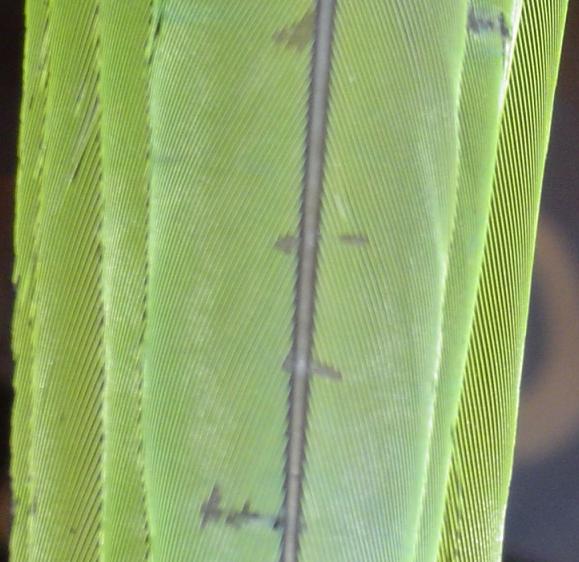
Should a bird experience a period of physiological or psychological stress, or suffer from nutritional deficiencies, this disruption is literally etched into the developing feather as a stress bar. These are distinct, thin, horizontal lines or bands that traverse the feather vane, signifying an interruption in growth. These marks represent points where the feather’s development was temporarily compromised, leading to weaker, thinner, or less pigmented sections. Whether triggered by an acute illness, chronic environmental stress, or a transient nutritional deficiency, stress bars act as a precise chronological record of when the bird’s well-being was challenged.
Identifying Stress Bars in Avian Plumage
Stress bars are visual anomalies that disrupt the otherwise smooth texture, uniform coloration, and inherent strength of a feather. They typically appear as thin, horizontal striations that may be darker, lighter, or noticeably thinner than the surrounding feather tissue, creating a structural weakness that renders the feather more susceptible to breakage. Under strong illumination, these bars can present as evenly spaced indentations or areas of reduced density within the feather vane.
These indicators are most readily observed on larger feathers, such as the primary and secondary flight feathers on the wings, and the tail feathers, where they form distinct, often symmetrical bands across the feather’s width. In some instances, stress bars can also manifest as areas of faded or uneven coloration, imparting a dull or streaky appearance compared to healthy plumage. The presence of multiple stress bars at similar positions across several feathers strongly suggests that the bird endured a specific, shared stressful event that impacted feather growth during that particular developmental period.
Image from Merck Veterinary Manual
When Intervention Becomes Imperative
Upon discovering stress bars on a bird’s feathers, it is paramount for caretakers to respond with calm assessment rather than immediate alarm. Occasional, minor stress bars are not always indicative of a severe problem, particularly if the bird has recently navigated a significant life event such as a relocation, a dietary modification, or a natural molting cycle. However, the situation warrants immediate attention if, similar to the illustrative image provided, multiple stress bars are present across numerous feathers, or if other signs of compromised feather health, such as dullness, brittleness, or unusually slow growth, are observed.

The initial course of action should involve a thorough review of the bird’s diet, ambient environment, and daily routine. Nutritional inadequacies, particularly diets composed predominantly of seeds that lack essential vitamins, minerals, and amino acids, are a primary contributor to weakened feathers. Furthermore, stressors such as insufficient sleep, abrupt environmental changes, or a lack of mental and physical enrichment can profoundly impact feather quality. Instituting a balanced dietary regimen, establishing a stable and predictable daily routine, and cultivating a low-stress home environment are crucial steps in fostering the growth of strong, healthy new feathers during subsequent molts.
If stress bars continue to emerge with each successive molt, or if their appearance is coupled with other concerning symptoms—such as feather plucking, excessive or prolonged molting, or a noticeable weight loss (e.g., 5-10% of body weight)—consultation with a qualified avian veterinarian is essential. Persistent stress bars can be symptomatic of underlying health issues, including chronic malnutrition, parasitic infestations, bacterial or viral infections, or systemic illnesses. Early detection and intervention are critical not only for preventing irreversible feather damage but also for safeguarding the bird’s overall health and long-term well-being.
Common Etiologies of Compromised Avian Feather Health
The health and integrity of a bird’s feathers are a sensitive barometer of its overall physiological and psychological state. Several interconnected factors can disrupt the delicate process of feather growth, leading to the formation of stress bars and general plumage deterioration.
Environmental Stressors
The physical environment in which a bird resides profoundly influences its well-being and, consequently, its feather health.
- Temperature and Humidity Fluctuations: Extreme or inconsistent temperatures, along with inappropriate humidity levels, can place physiological stress on a bird, affecting its metabolic rate and nutrient allocation.
- Inadequate Lighting: A lack of full-spectrum lighting, particularly UV-B, can impair Vitamin D synthesis, which is crucial for calcium metabolism and overall health, indirectly impacting feather quality. Irregular light cycles (lack of consistent dark period for sleep) can also induce stress.
- Noise Pollution: Chronic exposure to loud, unpredictable noises can be a significant psychological stressor, elevating stress hormones.
- Cage Environment: An undersized cage restricts movement and exercise, leading to physical and psychological stress. Poor cage hygiene or inappropriate perching materials can also cause discomfort and increase the risk of infection.
- Social Dynamics: For social species, isolation can lead to loneliness and stress, while overcrowding or aggressive cage mates can induce fear and anxiety.
Dietary Imbalances and Routine Disruptions
Feather growth requires a steady, high-quality supply of nutrients.
- Nutritional Deficiencies: Diets composed primarily of seeds are notoriously poor in essential amino acids, vitamins (especially A and D), and minerals. A sudden transition from a balanced, pelleted diet to an imbalanced one can rapidly lead to nutrient deficiencies, manifesting as weak, brittle feathers and stress bars.
- Amino Acid Shortages: Specific sulfur-containing amino acids (methionine, cysteine) are vital for keratin synthesis. Insufficient intake directly impairs feather structure.
- Inconsistent Feeding: Irregular feeding schedules can cause physiological stress and disrupt nutrient absorption, impacting the consistency of feather growth.
- Routine Instability: Birds are creatures of habit and thrive on predictability. Abrupt changes in their daily routine—such as inconsistent sleep schedules, altered handling patterns, or sudden environmental shifts—can elevate stress hormones (e.g., cortisol), which divert metabolic resources away from non-essential processes like feather growth, leading to the formation of stress bars.
Physical and Emotional Stress Factors
The physiological responses to both physical and emotional duress directly impinge upon feather development.
- Physical Discomfort/Illness: Conditions such as chronic pain, parasitic infestations (e.g., mites, giardia), bacterial or viral infections, or even excessive molting (beyond the natural cycle) place significant physiological demands on a bird’s body. The body prioritizes vital functions over feather production, resulting in compromised feather quality.
- Emotional Distress: Loneliness, fear, boredom due to lack of mental stimulation, or perceived threats (e.g., from other pets, sudden movements, loud noises) can induce chronic emotional stress. This sustained stress triggers a cascade of hormonal responses, affecting metabolism, immune function, and nutrient allocation, all of which contribute to weak feather growth.
- Lack of Exercise and Enrichment: Inadequate opportunities for flight, climbing, and foraging can lead to physical and mental stagnation, culminating in stress.
Preventative Strategies for Mitigating Bird Stress Bars
Proactive management of a bird’s environment, diet, and routine is the most effective approach to preventing stress bars and fostering vibrant, healthy plumage.
Establishing Consistent Routines
Birds thrive on predictability and stability. A consistent daily routine provides a sense of security, reduces anxiety, and supports optimal physiological functioning, including feather growth.

- Regular Sleep Schedule: Ensure 10-12 hours of uninterrupted darkness each night. Use a cage cover to block light and reduce disturbances.
- Consistent Feeding Times: Offer meals at the same times daily to regulate metabolism and reduce food-related stress.
- Predictable Out-of-Cage Time: Provide regular, supervised time outside the cage for exercise and social interaction.
- Scheduled Enrichment: Integrate foraging activities, toy rotation, and training sessions into the daily routine.
- Minimizing Sudden Changes: Avoid abrupt alterations to the cage setup, diet, or environment whenever possible. Introduce new items or foods gradually.
Cultivating a Calm and Enriching Environment
A bird’s habitat should strike a balance between providing security and offering stimulating opportunities.
- Stable Cage Placement: Position the cage in a quiet, draft-free area, away from direct sunlight, with a view of household activity but not in a high-traffic zone.
- Appropriate Cage Size and Setup: Ensure the cage is large enough for the bird to fully extend its wings and move comfortably. Provide a variety of perches of different textures and diameters to promote foot health.
- Temperature and Humidity Control: Maintain a comfortable room temperature (typically 65-80°F or 18-27°C) and moderate humidity levels, especially for tropical species.
- Full-Spectrum Lighting: Install avian-specific full-spectrum UV-B lighting for several hours daily to aid in Vitamin D synthesis and overall well-being.
- Mental Stimulation: Offer a diverse selection of safe, destructible toys for chewing, foraging toys to encourage natural behaviors, and opportunities for social interaction. Rotate toys regularly to prevent boredom.
- Sensory Enrichment: Provide opportunities for visual (safe outdoor views), auditory (calm music), and olfactory (natural branches) stimulation.
Regular Veterinary Care and Advanced Nutritional Support
Routine health checks are foundational to preventing stress bars and ensuring overall avian health.
- Annual Wellness Exams: Even outwardly healthy birds should undergo annual check-ups with an avian veterinarian. Birds are adept at concealing illness, and subtle signs of disease or nutritional deficiencies can be detected early, preventing chronic issues that lead to stress bars.
- Dietary Review and Customization: Work with your vet to formulate a species-appropriate diet, typically consisting of high-quality pellets, fresh vegetables, fruits, and controlled amounts of healthy seeds. Nutritional supplements, particularly feather-specific formulations rich in amino acids, vitamins, and minerals, may be recommended for birds with a history of stress bars or during molting.
- Parasite Screening: Regular screening for internal and external parasites is vital, as infestations can cause significant physical stress.
- Blood Work: Periodic blood tests can reveal underlying nutritional deficiencies or systemic illnesses before overt symptoms appear.
Addressing Existing Feather Stress Bars: A Strategic Approach
The discovery of stress bars on a bird’s feathers, while a cause for concern, necessitates a calm, methodical assessment. Isolated or minor stress bars might simply reflect a temporary, non-critical stressor. However, the presence of multiple, prominent stress bars, especially on newly grown feathers, signals a need for prompt and comprehensive intervention.
The immediate course of action involves a meticulous evaluation of the bird’s dietary intake, living environment, and established daily routine. Ensuring a nutritionally balanced diet is paramount; this should comprise a high-quality pelleted food as the staple, supplemented with a diverse array of fresh vegetables, a moderate amount of fruits, and essential vitamin and mineral supplements if recommended by an avian veterinarian. Simultaneously, potential environmental stressors must be identified and mitigated. These can include excessive noise, inconsistent light cycles leading to sleep deprivation, inadequate cage size or enrichment, or a lack of appropriate social interaction. Implementing a stable, predictable routine that includes consistent feeding times, regular opportunities for out-of-cage exercise and interaction, and engaging, safe activities is crucial for reducing stress and promoting the growth of healthy feathers in subsequent molts.
Should stress bars persist through multiple molting cycles, or if they are accompanied by other clinical signs of ill health such as lethargy, unexplained weight loss, changes in droppings, or excessive feather damage (e.g., plucking), an immediate consultation with an avian veterinarian is imperative. These chronic manifestations can indicate more serious underlying health issues, including chronic malnutrition, systemic diseases, or persistent psychological distress that requires professional diagnosis and treatment. Early veterinary intervention is critical for addressing the root cause, preventing further feather damage, and safeguarding the bird’s overall health and long-term welfare.
Conclusion: Embracing a Holistic Approach to Avian Wellness
The appearance of stress bars on a bird’s feathers serves as an undeniable testament to past physiological or psychological challenges. Understanding their formation and significance empowers avian caretakers to adopt proactive measures. A holistic approach encompassing optimal nutrition, a consistent and predictable daily routine, and a stimulating, low-stress environment are the cornerstones of fostering strong, vibrant feathers. This commitment extends beyond mere aesthetics, directly impacting a bird’s capacity for flight, thermoregulation, and overall quality of life.
By diligently implementing these evidence-based strategies, bird owners can significantly reduce the incidence of stress bars and contribute to the enduring health and happiness of their avian companions. Proactive engagement with avian wellness, including regular veterinary check-ups and a continuous assessment of environmental and nutritional factors, ensures that birds can thrive, exhibiting their natural beauty and vitality through impeccable plumage. This comprehensive care model is not merely about preventing visible imperfections but about cultivating a state of enduring well-being that reflects true avian health.
References
- Cornell Lab of Ornithology: "All About Feathers."
- Merck Veterinary Manual: "Skin and Feather Disorders of Pet Birds."
- HereBird.com: "Feather Stress Bars."
- Treehugger.com: "Amazing Facts About Feathers."
- Journal of Avian Medicine and Surgery, various articles on feather health and nutrition.

