


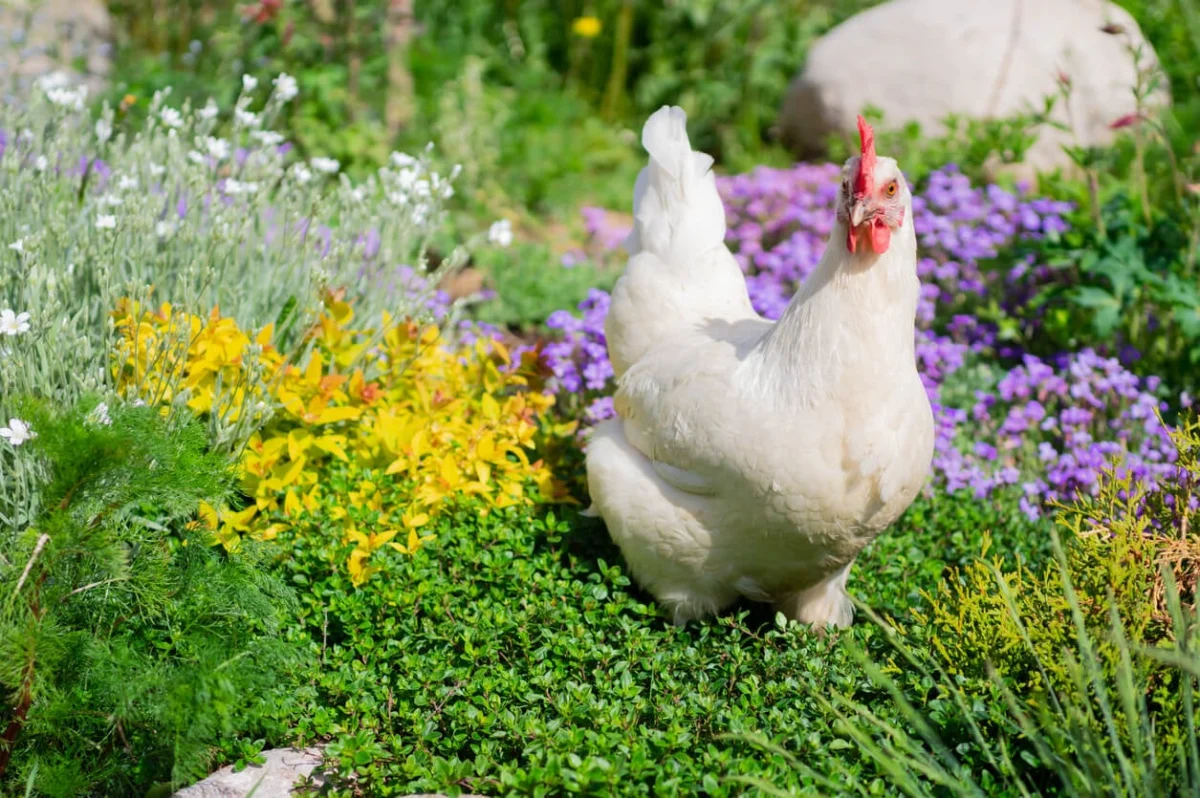
The Hawaiian Islands are currently navigating the devastating aftermath of a series of catastrophic storms that have left a trail of destruction across the archipelago. As of April 3, 2026, local authorities and emergency response teams are reporting widespread damage to infrastructure, residential properties, and local businesses following a period of historic rainfall. Among the hardest-hit sectors are animal welfare organizations and sanctuaries, which have faced unprecedented challenges in ensuring the safety of their residents. In response to this crisis, People for the Ethical Treatment of Animals (PETA), through its Global Compassion Fund (GCF), has mobilized significant resources to provide a lifeline for Trooper’s Chicken Rescue, a dedicated sanctuary that found itself on the front lines of the deluge.
The relentless downpours, which began in late March and intensified over the first days of April, resulted in floodwaters rising above knee-level in several low-lying regions. The speed at which the waters rose created a perilous situation for both human and animal inhabitants. At Trooper’s Chicken Rescue, a facility known for providing a permanent home to birds rescued from various states of neglect and abuse, the situation reached a critical tipping point as the sanctuary’s grounds were inundated. The emergency prompted an immediate and coordinated effort by the sanctuary’s staff to evacuate the birds and secure the remaining infrastructure against further damage.
The Meteorological Context and Chronology of the Disaster
The weather event that struck Hawaii in early 2026 has been characterized by meteorologists as a "Kona Low" system of exceptional intensity. These subtropical cyclones are known for bringing heavy rains and high winds to the islands, but the 2026 event was exacerbated by record-high sea surface temperatures, which provided additional moisture to the atmosphere.
The timeline of the disaster began on March 28, 2026, when the National Weather Service issued the first series of flash flood watches for the islands of Kauai and Oahu. By March 30, the storm system had stalled over the central islands, dumping more than 15 inches of rain in less than 48 hours in some mountainous regions. This massive volume of water cascaded into the valleys, overwhelming drainage systems and causing rivers to breach their banks.
By April 1, the situation at Trooper’s Chicken Rescue had become dire. The sanctuary, located in a region susceptible to runoff, saw its enclosures partially submerged. Staff members worked through the night, utilizing temporary crates and elevated structures to keep the feathered residents above the rising tide. On April 2, the call for emergency assistance was answered by PETA’s Global Compassion Fund, which approved an immediate grant to facilitate repairs and ongoing disaster relief operations.
PETA’s Global Compassion Fund: A Strategic Response
The intervention by PETA’s Global Compassion Fund represents a critical component of the sanctuary’s recovery strategy. The GCF is a specialized arm of PETA designed to provide rapid-response funding and on-the-ground assistance during natural disasters, wars, and other large-scale crises where animals are often overlooked by traditional relief agencies.
The grant provided to Trooper’s Chicken Rescue is earmarked for several essential functions. First and foremost, it covers the cost of emergency flood repairs, including the restoration of damaged coops and the replacement of saturated bedding and feed. Beyond the immediate physical repairs, the funding supports the logistical costs associated with temporary relocation and veterinary care for birds that may have suffered stress-related illnesses or physical injuries during the evacuation.
Furthermore, the partnership between PETA and Trooper’s Chicken Rescue extends beyond disaster recovery. A significant portion of the initiative is focused on the future through the implementation of a humane education program. This program aims to address the systemic issues that lead to the mistreatment of chickens, ensuring that the sanctuary’s mission continues to evolve from reactive rescue to proactive prevention.
The Plight of Rescued Birds: From Cockfighting to Sanctuary
The importance of Trooper’s Chicken Rescue is underscored by the history of its residents. Many of the birds housed at the facility are survivors of the illegal cockfighting industry—a violent underground practice that remains a persistent issue in various parts of the world, including the Pacific Islands. In these operations, birds are bred for aggression and forced to fight in pits, often with sharp blades or spurs attached to their legs.
Birds rescued from these environments often arrive with severe physical trauma, including lost eyes, broken wings, and deep lacerations. Others are found abandoned on roadsides, discarded by owners once they are no longer deemed profitable or capable of fighting. For these animals, Trooper’s Chicken Rescue provides the first opportunity to live a life free from fear and pain.
The recent flooding threatened to strip away this hard-won peace. For a bird that has already survived the brutality of a fighting pit, the trauma of a natural disaster can be particularly taxing. The rapid response from PETA was designed not only to save lives but to preserve the sanctuary’s role as a place of healing.
Data and Statistics: The Scale of the Crisis
The 2026 floods have highlighted the vulnerability of small-scale animal sanctuaries during extreme weather events. According to data from the Hawaii Department of Agriculture and local non-profits, approximately 15% of small agricultural and rescue facilities in the affected zones reported significant structural damage due to the April storms.
In terms of animal impact, initial estimates suggest that thousands of domestic animals and livestock were displaced across the islands. The logistical challenge of moving large numbers of birds is particularly complex, as chickens are susceptible to respiratory issues when exposed to damp environments and high stress. The PETA GCF grant serves as a model for how targeted private funding can fill the gaps left by federal and state disaster relief, which often prioritizes human infrastructure over animal welfare facilities.
Humane Education: The Path Toward Long-Term Change
A central pillar of PETA’s involvement with Trooper’s Chicken Rescue is the integration of the "TeachKind" program. TeachKind is PETA’s humane education division, which provides educators with resources to foster empathy and compassion for all animals in the classroom.
The rationale behind this initiative is rooted in the belief that the cruelty faced by animals—whether in the form of cockfighting or neglect—stems from a lack of understanding of animals as sentient beings. By bringing educational programs to the community, PETA aims to shift public perception of chickens from "utility animals" or "commodities" to intelligent, social individuals capable of feeling joy and pain.
The humane education program at Trooper’s will include:
- Classroom Lessons: Curriculum-aligned materials that teach students about the natural behaviors and social structures of chickens.
- Field Trips: Controlled visits to the sanctuary where children can observe the birds in a peaceful environment, reinforcing the lessons of empathy.
- Community Outreach: Workshops for local residents on proper animal care and the legal ramifications of animal cruelty.
Official Responses and Strategic Analysis
Representatives from PETA have emphasized that the work in Hawaii is a microcosm of a larger global effort. "When disaster strikes, animals are often the forgotten victims," a PETA spokesperson stated in a briefing regarding the Hawaii grants. "The Global Compassion Fund is designed to ensure that sanctuaries like Trooper’s have the resources to not only survive the storm but to emerge stronger and better equipped to change the hearts and minds of the community."
Independent analysts in the non-profit sector suggest that this move by PETA reflects a growing trend in animal advocacy: the "One Welfare" approach. This philosophy recognizes that the well-being of animals, humans, and the environment is interconnected. By helping a sanctuary recover from a climate-driven disaster and implementing education, the organization is addressing the immediate symptoms of a crisis while working on the root causes of animal suffering.
The economic implications for the sanctuary are also significant. Without the infusion of funds from the GCF, many small sanctuaries would be forced to close their doors following a disaster of this magnitude. The cost of rebuilding to modern, flood-resistant standards is often prohibitively expensive for organizations that rely primarily on small-scale donations.
Broader Impact and Future Outlook
As the floodwaters recede, the focus in Hawaii is shifting toward long-term resilience. For Trooper’s Chicken Rescue, the road to full recovery will be long, but the support from PETA has provided a stable foundation. The sanctuary is currently working with engineers to design more resilient enclosures that can withstand future weather extremes, a necessity as climate change continues to increase the frequency and severity of tropical storms.
The success of the evacuation and the subsequent relief effort serves as a case study for other animal rescues globally. It highlights the necessity of having a disaster plan in place and the importance of maintaining connections with larger international organizations that can provide rapid financial assistance.
In the coming months, the launch of the humane education program is expected to draw local and national attention. By transforming a site of disaster into a hub for community learning, Trooper’s Chicken Rescue and PETA are working to ensure that the next generation of Hawaiians views the islands’ animal residents with respect and compassion.
The events of April 2026 serve as a reminder of the fragility of animal sanctuaries in the face of nature’s power. However, they also demonstrate the impact of collective action and the vital role of dedicated funding in preserving the lives of the world’s most vulnerable beings. Through the Global Compassion Fund, PETA continues to demonstrate that even in the wake of a catastrophic storm, a kinder future is possible when communities and organizations stand together.

