


The majestic salmon-crested cockatoo, scientifically known as Cacatua moluccensis and commonly referred to as the Moluccan cockatoo, faces a precarious future in its native Indonesian archipelago. This iconic species, endemic to Seram, the largest island in the Maluku province, is grappling with severe population decline driven by illegal wildlife trade and rampant habitat destruction. However, a pioneering conservation initiative spearheaded by the Perkumpulan Konservasi Kakatua Indonesia (KKI), an Indonesian non-governmental organization, in partnership with the indigenous Huaulu tribe, offers a beacon of hope. This innovative collaboration seeks to reconcile deeply held cultural traditions with urgent conservation imperatives, establishing a model for sustainable coexistence.
The Jewel of Seram: A Species Under Threat
The Moluccan cockatoo is instantly recognizable by its striking appearance: soulful dark eyes, a powerful hooked beak, and, most notably, its glorious crest feathers that erupt in a vibrant display of peachy-salmon hues when the bird is alarmed or excited. These large, intelligent parrots are also renowned for their formidable vocalizations, capable of producing calls that can reach an astonishing 135 decibels, making them among the loudest birds in the world. Beyond their aesthetic appeal and impressive vocal range, Moluccan cockatoos play a vital ecological role as seed dispersers and indicators of forest health within Seram’s complex rainforest ecosystems.
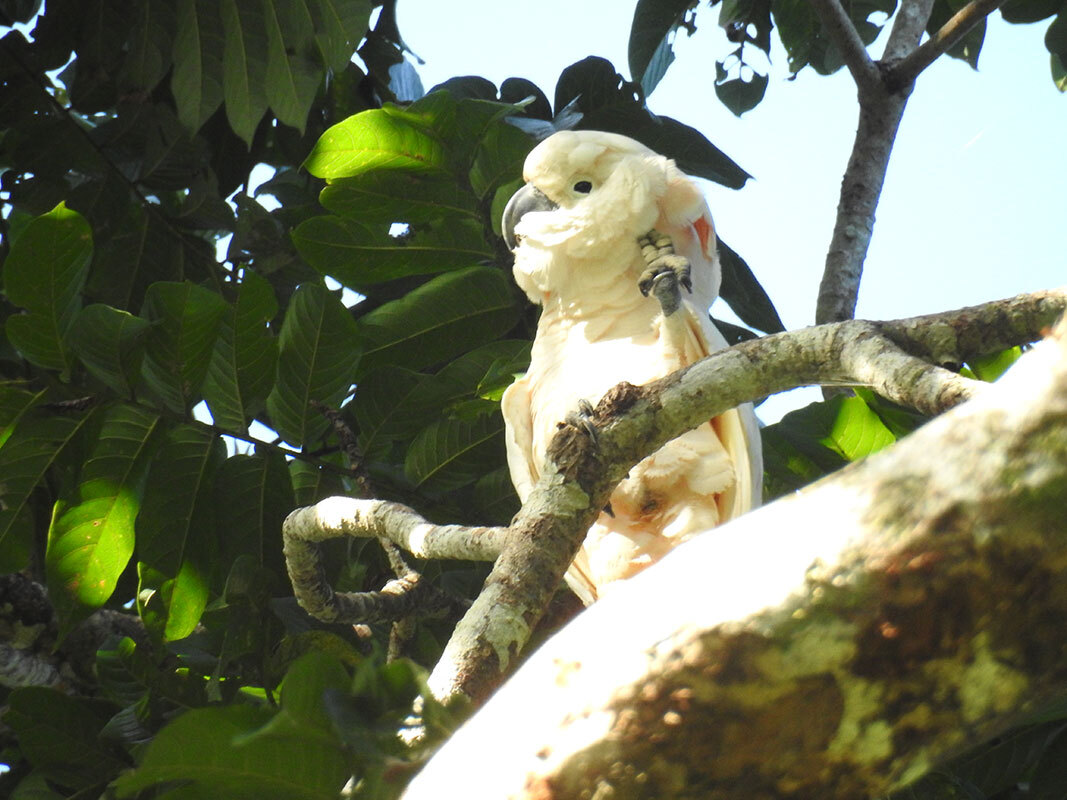
Despite their resilience and long lifespan – a 2012 study even documented a salmon-crested cockatoo reaching 92 years of age, underscoring their potential for longevity – the species is critically endangered in the wild. Its perilous status is reflected in its listing on Appendix I of the Convention on International Trade in Endangered Species of Wild Fauna and Flora (CITES) since 1989. This classification strictly prohibits all international commercial trade in wild-caught specimens, recognizing the severe threat posed by poaching and trafficking. Furthermore, the International Union for Conservation of Nature (IUCN) Red List designates the Moluccan cockatoo as "Endangered," highlighting the species’ high risk of extinction in the wild.
The historical distribution of Cacatua moluccensis once extended to several satellite islands surrounding Seram, including Haruku, Saparua, and Nusa Laut. Tragically, these populations have now been declared locally extinct, serving as stark reminders of the rapid decline experienced by the species. The primary drivers of this demographic collapse are twofold: relentless trapping for the illegal pet trade and extensive habitat loss. Indonesia, a megadiverse country, has long been a hotspot for the illegal wildlife trade, with parrots like the Moluccan cockatoo highly sought after for their beauty and perceived intelligence. Trappers often capture young birds from nests or adults using cruel and indiscriminate methods, decimating local populations. Concurrently, vast tracts of the cockatoo’s primary forest habitat are being cleared for logging, agricultural expansion, and infrastructure development, fragmenting populations and reducing vital foraging and nesting sites. The expansion of palm oil plantations, in particular, represents a significant and ongoing threat to Indonesia’s biodiverse forests.
The Sacred Bond: Huaulu Culture and the Lakam
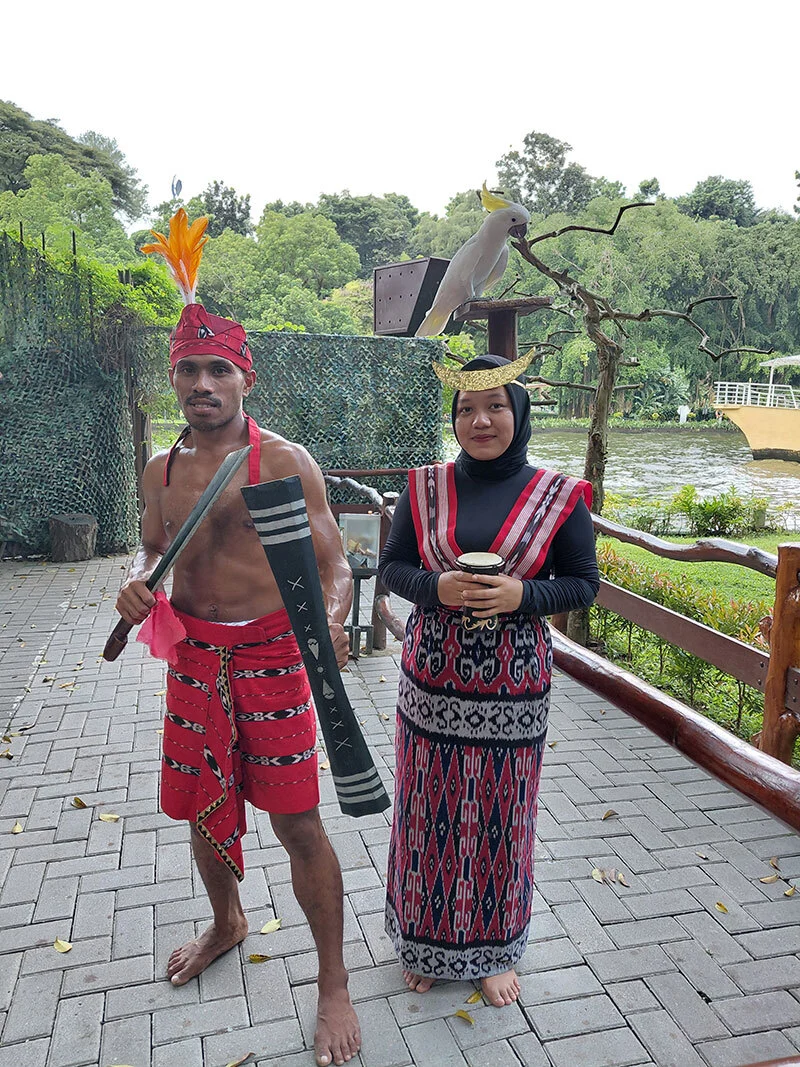
In the remote regions of North Seram, the salmon-crested cockatoo, known locally as "lakam," holds profound cultural and spiritual significance for the indigenous Huaulu tribe. Far from being merely another species, the lakam is revered as a sacred entity, intricately woven into the fabric of Huaulu identity and tradition. This deep reverence is most strikingly manifested in the Cidaku ceremony, a pivotal rite of passage that marks a young man’s transition from adolescence to adulthood.
Between the ages of 12 and 17, Huaulu boys are expected to undertake this solemn ritual, which traditionally involves hunting the Moluccan cockatoo for its prized salmon-colored crest feathers. These vibrant feathers are then meticulously crafted into a ceremonial head-dress known as a "puheliam," an indispensable component of the Cidaku. The ceremony itself is a highly structured event, adhering to the birth order of boys within a family and strictly limited to once a year per family, underscoring its profound importance and the controlled nature of the practice.
For the Huaulu, the pink crest feather is irreplaceable. It is not merely an adornment but a potent symbol embodying the essence of sacred life, immense strength, and unwavering courage – qualities mirrored in the cockatoo’s imposing stance when its crest is erect. The crest further symbolizes an adult male’s commitment to defending his holiness, self-respect, and vigilance against threats. This intricate web of cultural meaning highlights the challenge faced by conservationists: how to protect a species that is simultaneously revered and, by tradition, hunted.
A Landmark Agreement: Bridging Conservation and Tradition
Recognizing the delicate balance between preserving an endangered species and respecting deeply ingrained cultural practices, Perkumpulan Konservasi Kakatua Indonesia (KKI), a dedicated Indonesian NGO focused on parrot conservation, embarked on an innovative solution. In 2019, KKI initiated a groundbreaking proposal: to provide the Huaulu indigenous community with naturally molted salmon-crested cockatoo feathers sourced from its rehabilitation center. This initiative aimed to eliminate the need for hunting wild cockatoos for the Cidaku ritual, thereby alleviating direct pressure on the dwindling wild population, while simultaneously upholding the cultural integrity of the Huaulu tribe.

The proposal was met with careful consideration and, ultimately, broad agreement from all key stakeholders. Representatives from the Huaulu indigenous community, local government officials, and even the Ministry of Forestry acknowledged the necessity and ingenuity of this collaborative approach. In October 2019, a historic agreement was formally signed by the Head of Huaulu village, with the endorsement of local officials and the official approval of the Ministry of Forestry. This multi-stakeholder consensus marked a monumental step forward for Moluccan cockatoo conservation, demonstrating a viable pathway to integrate traditional practices with modern conservation strategies. The agreement not only offered a practical solution but also fostered a spirit of partnership and mutual understanding between conservationists and the indigenous community, a crucial element often missing in top-down conservation mandates. KKI representatives emphasized that this agreement was built on extensive dialogue and a deep respect for Huaulu traditions, ensuring that the solution was culturally appropriate and sustainable.
Navigating Challenges and Sustaining Momentum
Despite the landmark agreement, the path to fully safeguarding the Moluccan cockatoo through this initiative is not without its challenges. Ensuring consistent monitoring of Cidaku traditional ceremonies to verify that they exclusively utilize feathers provided by KKI, rather than those from wild-caught birds, remains a complex task. The vast and often remote terrain of Seram, coupled with the deeply ingrained nature of traditional practices, necessitates continuous vigilance and open communication.
Moreover, KKI has acknowledged that not all factions within the broader community immediately embraced the feather collection program, underscoring the complexities of social change and community engagement. Overcoming skepticism and fostering universal support requires sustained effort and a proven track record of success.
In response to these challenges, KKI has maintained its steadfast commitment to the agreement. The organization continues to honor its pledge by diligently collecting and providing molted crest feathers from its rehabilitation facility, ensuring a consistent supply for the Huaulu’s ceremonial needs. Beyond the logistical provision of feathers, KKI maintains intensive communication channels with the Huaulu tribe. This ongoing dialogue is complemented by regular workshops and community meetings, which have seen enthusiastic attendance from tribal members. These engagements serve multiple purposes: reinforcing the terms of the agreement, addressing any concerns, educating the community on the broader conservation status of the lakam, and fostering a shared sense of ownership over the species’ future. Community leaders reportedly express a growing understanding of the cockatoo’s endangered status and appreciate the respectful approach taken by KKI, which validates their cultural heritage while promoting sustainability.
Pioneering Future Conservation: From Patrols to Ecotourism
Building upon the success and lessons learned from the feather collection agreement, KKI is actively developing additional conservation programs designed to further engage the Huaulu community and solidify the Moluccan cockatoo’s long-term survival. A significant upcoming initiative is the formation of a "Parrot Squad" – a community-led patrol unit. This innovative program aims to empower Huaulu tribe members to become frontline defenders of their native wildlife, leveraging their intimate knowledge of the local environment and their vested interest in its preservation. The Parrot Squad will play a crucial role in monitoring cockatoo populations, detecting illegal trapping activities, and reporting environmental threats, thereby enhancing law enforcement efforts and creating a localized deterrent against poaching.
Beyond direct protection, KKI is also collaborating with the Huaulu tribe to explore and develop alternative income options for the community. The goal is to reduce reliance on potentially unsustainable practices and demonstrate the economic value of a thriving, healthy ecosystem. Ecotourism stands out as a promising avenue. By developing initiatives such as guided birdwatching tours, cultural immersion experiences, and nature treks, the Huaulu community can generate sustainable income directly linked to the preservation of their natural heritage, including the Moluccan cockatoo. This economic incentive is designed to foster a deeper understanding within the community of the intrinsic and extrinsic value of their native wildlife, thereby strengthening their commitment to conservation. The shift from extractive practices to sustainable tourism offers a powerful model for economic development that aligns with ecological stewardship. Officials from the Ministry of Forestry have expressed optimism about these collaborative models, viewing them as essential for the future of conservation in Indonesia.

The Broader Impact: A Model for Indigenous-Led Conservation
The ongoing collaboration between KKI and the Huaulu tribe represents more than just a localized effort to save a single species; it serves as a powerful paradigm for conservation globally. This initiative demonstrates the profound efficacy of integrating indigenous knowledge and cultural practices into scientific conservation strategies. Rather than imposing external solutions, the KKI model respects and leverages the deep, ancestral connection indigenous communities often have with their environment.
The implications of this approach are far-reaching. It champions the concept of indigenous land stewardship, recognizing that local communities are often the most effective custodians of their natural resources when empowered and supported appropriately. This model has the potential for replication in other biodiverse regions facing similar conflicts between traditional practices and conservation needs. It underscores the importance of dialogue, mutual respect, and co-creation of solutions in fostering successful conservation outcomes. The financial support provided by organizations like Lafeber, whose monthly donation this month is dedicated to KKI’s continued conservation efforts, is crucial. Such funding enables KKI to sustain its programs, expand its reach, and continue its vital work in protecting the magnificent salmon-crested cockatoo, ensuring that both its ecological role and its cultural significance endure for generations to come.
In an era defined by accelerating biodiversity loss, the collaborative spirit demonstrated in Seram offers a compelling narrative of hope and possibility. By meticulously weaving together the threads of tradition, scientific conservation, and community empowerment, the Moluccan cockatoo’s future, while still challenging, appears brighter, poised to soar once more over the ancient forests of Seram.

