


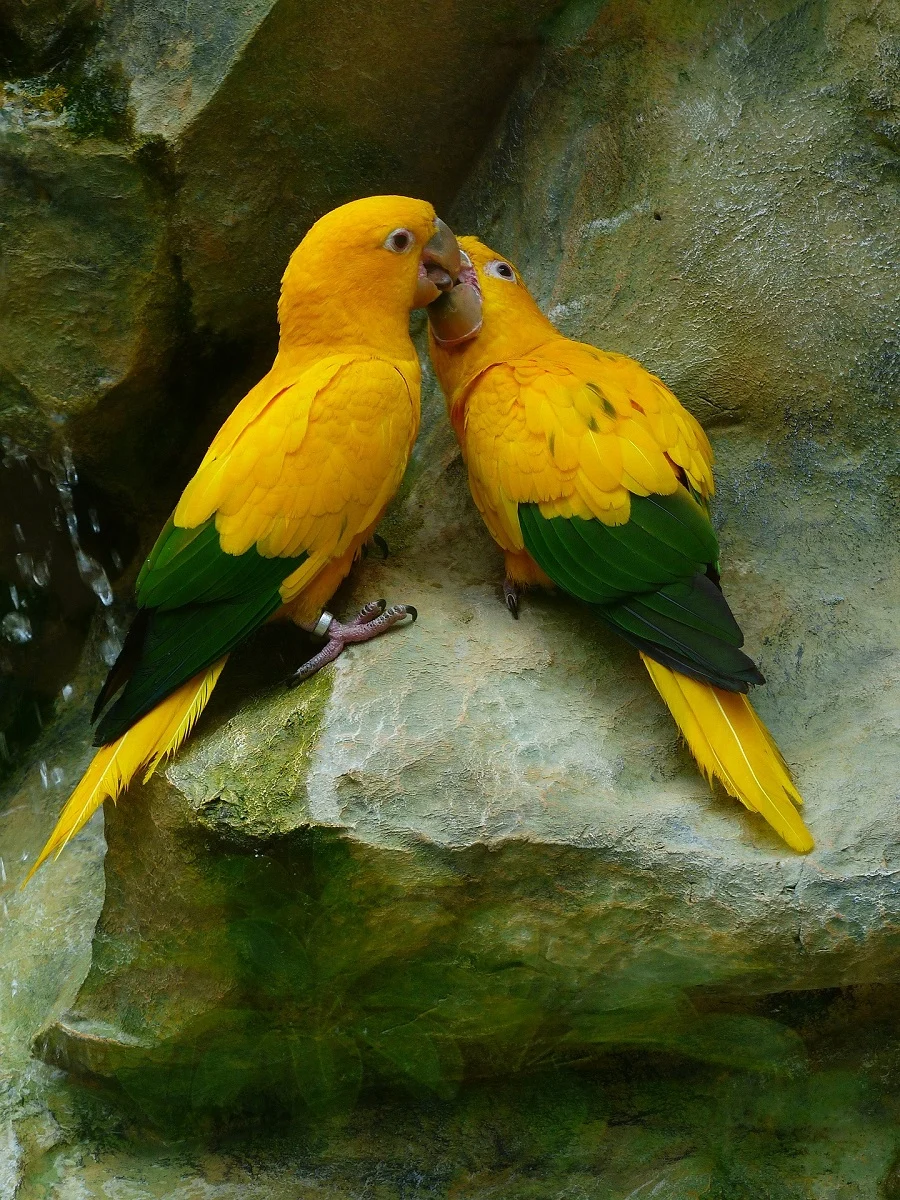
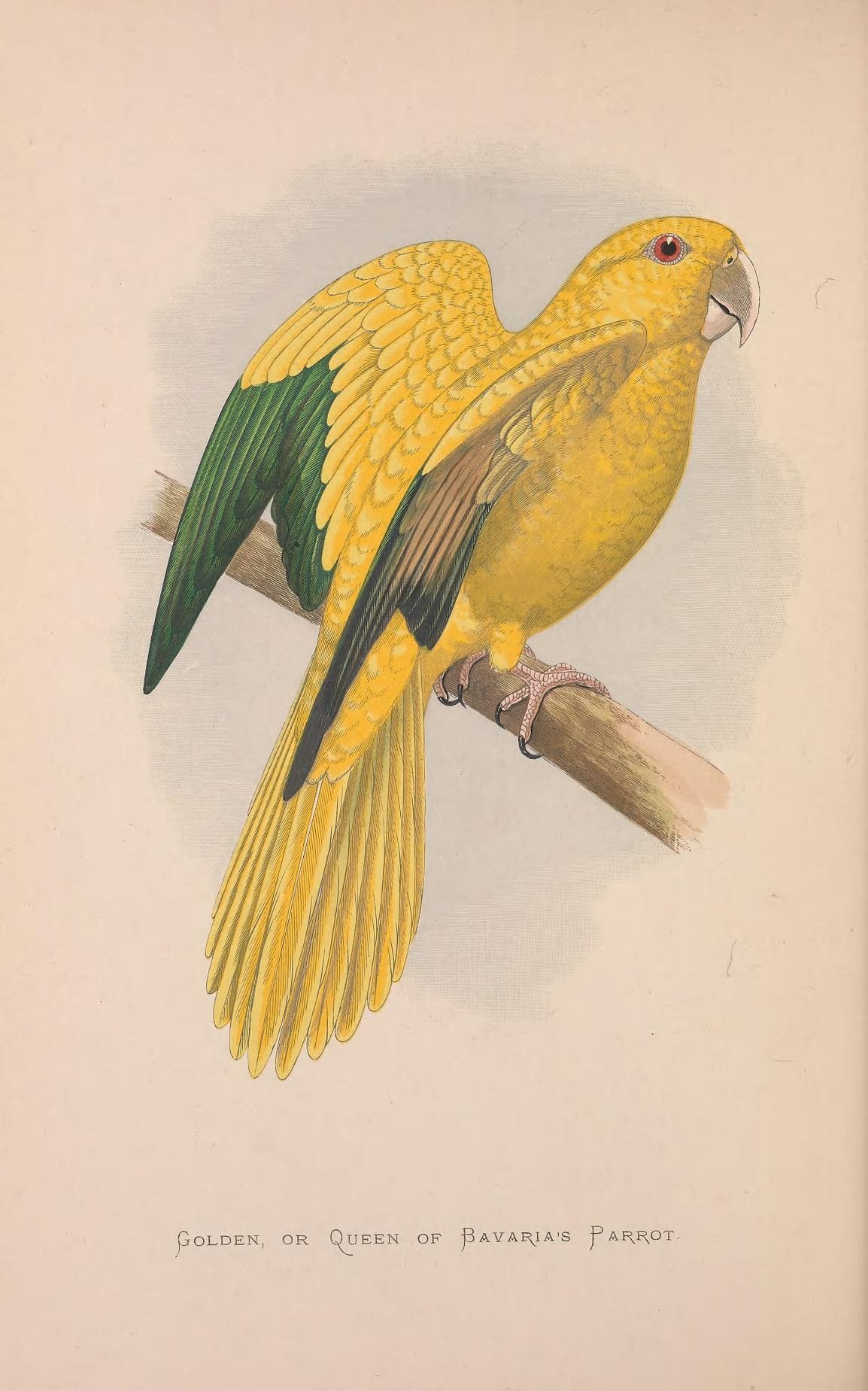
The Golden Conure (Guaruba guarouba), often hailed as the "Queen of Bavaria Conure" or "Golden Parakeet," stands as one of the most visually striking and captivating members of the parrot family, renowned for its uniquely uniform golden plumage. This medium-sized parrot, native to the lush, biodiverse Amazon Basin of Brazil, has long fascinated ornithologists, conservationists, and potential pet owners alike. Its vibrant appearance, coupled with a complex social structure and demanding care requirements, presents a multifaceted subject for exploration, especially given its vulnerable conservation status. Understanding this species necessitates a deep dive into its biology, ecological role, taxonomic journey, and the significant threats it faces in its natural habitat, alongside the responsibilities inherent in its captive care.
A Detailed Portrait: Appearance and Taxonomy
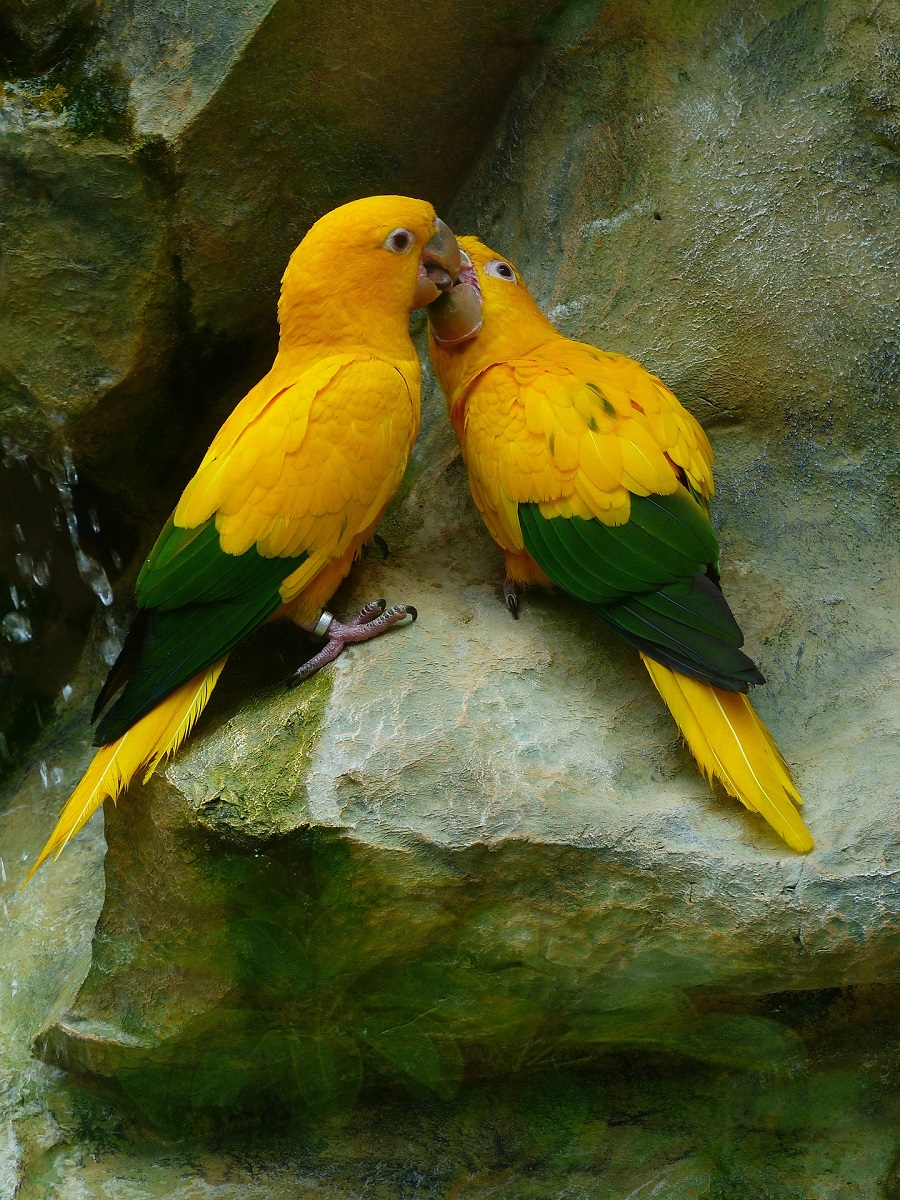
The Golden Conure’s aesthetic appeal is undeniable, characterized by an almost entirely golden-yellow body that gives the species its common name. Adults typically measure up to 14 inches (35 cm) in length and weigh an average of 250 grams, making them a substantial presence among conures. Their robust, horn-colored beak is well-suited for cracking nuts and fruits. A distinctive feature is the dark green coloration found exclusively on the wing tips, providing a subtle yet striking contrast to the predominant gold. Younger birds display a more mottled appearance, with significant green speckling across their wings, backs, and heads, gradually transitioning to the adult golden hue as they mature. Unlike many bird species, visual sexual dimorphism is absent in Golden Conures; distinguishing males from females requires genetic testing.
The scientific classification of the Golden Conure reflects the dynamic nature of ornithological research. Historically, the species has undergone several reclassifications, a common occurrence as new genetic and morphological data emerge. Initially placed within the genus Conurus, it later moved to Eupsittula, and subsequently to Aratinga. However, ornithologists long suspected its unique characteristics warranted a distinct genus. This hypothesis was definitively supported by advanced phylogenetic studies. A landmark 2006 article published in Systematic Biology, leveraging mitochondrial and nuclear DNA sequences, confirmed that Guaruba is more closely related to red-shouldered macaws of the genus Diopsittaca than to the Aratinga conures. This evidence led to its current, scientifically validated name, Guaruba guarouba, as listed by Joseph Forshaw in his seminal work, "Parrots of the World," in 2006. This taxonomic journey underscores the ongoing efforts to accurately map the evolutionary relationships within the Psittaciformes order, providing crucial insights into species conservation and management.
Natural Habitat and Ecological Dynamics in the Amazon
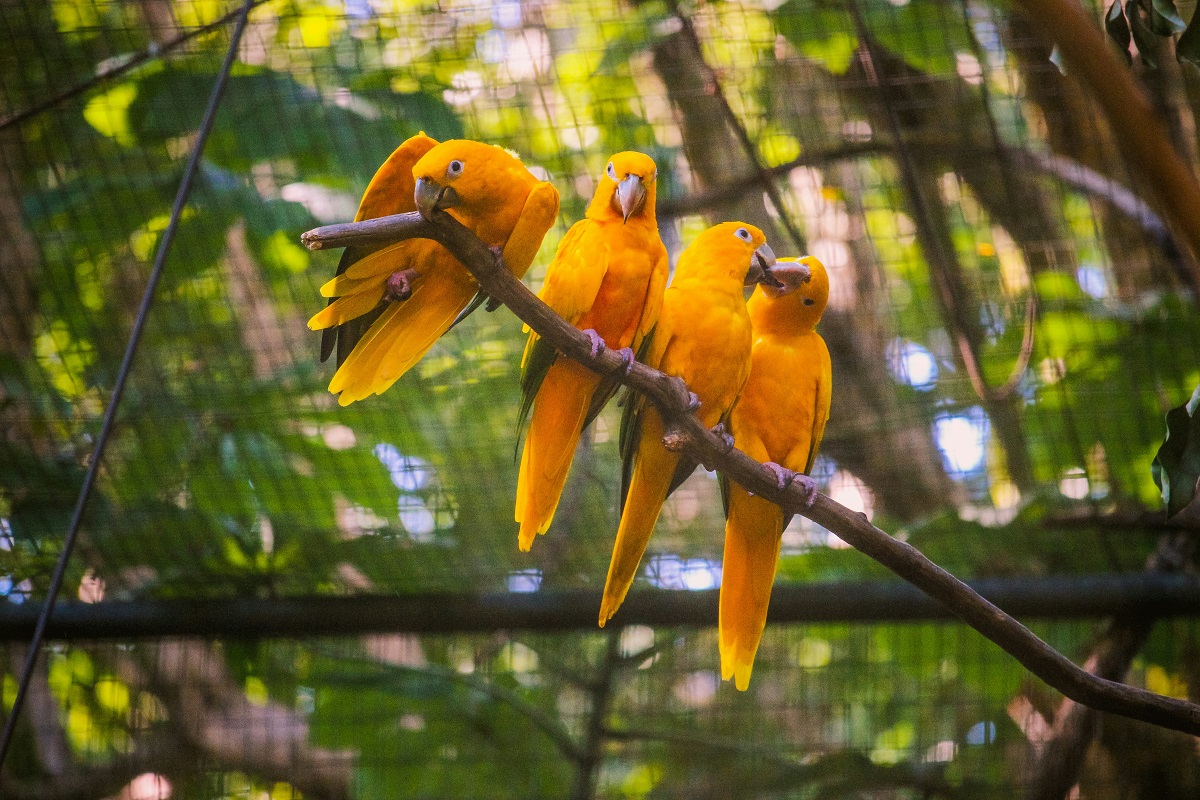
The natural range of the Golden Conure is restricted to specific regions within the Brazilian Amazon Basin, primarily in the state of Pará, with potential extensions into neighboring Maranhão. These birds are intrinsically linked to the dense, lowland forests of this vast ecosystem. They exhibit a strong preference for dryland forests, known as "terra firme," but are also observed foraging in seasonally flooded areas, or "várzea," particularly when certain food sources become abundant. This adaptability highlights their opportunistic feeding strategies within a dynamic environment.
Golden Conures are notably nomadic, a behavioral adaptation driven by the seasonal availability of food resources. During the breeding season, observed patterns indicate that flocks may temporarily leave the deep jungle for less dense, more open forest edges, possibly to access specific nesting sites or food sources more easily. Nests are typically constructed in isolated hollow trees, often repurposed or enlarged cavities previously utilized by other species. A fascinating aspect of their reproductive biology is the propensity for communal nesting, where multiple female Golden Conures lay their eggs in a single nest. This can result in clutches containing ten or more eggs, a strategy that potentially enhances chick survival rates through shared parental care and defense against predators, though the precise ecological benefits are still under active research.
Conservation Status: A Vulnerable Future
Despite its striking beauty and ecological significance, the Golden Conure faces a precarious future. The International Union for Conservation of Nature (IUCN) Red List classifies Guaruba guarouba as a Vulnerable species, a designation reflecting a significant decline in its wild population. While historical trapping for the pet trade once posed a severe threat, regulatory measures and increased awareness have somewhat mitigated this specific pressure. However, the overarching threat today stems from relentless habitat fragmentation and destruction across the Amazon Basin.
The state of Pará, central to the conure’s range, is a hotspot for deforestation, driven primarily by agricultural expansion—particularly cattle ranching and soy cultivation—illegal logging, and mining operations. These activities lead to the irreversible loss and degradation of the dense lowland forests that the Golden Conure depends on for food, shelter, and breeding. The fragmentation of these habitats isolates populations, reduces genetic diversity, and makes the birds more susceptible to disease and local extinctions.
Beyond habitat loss, the species has a long history of cultural significance for indigenous populations in Brazil, where it is locally known as "Ararajuba." Its golden feathers were, and in some areas still are, highly prized for ceremonial regalia and decorative purposes. This historical demand, coupled with the pet trade, contributed to earlier population declines. Anecdotal accounts even suggest that other conure species were sometimes dyed yellow to fetch higher prices at local animal markets, underscoring the deep value placed on the Golden Conure’s unique plumage.
In response to these threats, the Brazilian government, through agencies like IBAMA (Brazilian Institute of Environment and Renewable Natural Resources) and ICMBio (Chico Mendes Institute for Biodiversity Conservation), has implemented various conservation strategies. These include the establishment of protected areas, enforcement of anti-deforestation laws, and monitoring of wildlife trade. International regulations, such as the Convention on International Trade in Endangered Species of Wild Fauna and Flora (CITES), also play a critical role, with Guaruba guarouba listed on Appendix I, which prohibits international commercial trade in wild-caught specimens. These concerted efforts aim to safeguard the remaining populations and their critical habitats, but the sheer scale of deforestation in the Amazon continues to present an immense challenge.
Dietary Requirements: Wild Adaptations and Captive Nutrition
In their natural Amazonian environment, Golden Conures exhibit a diverse and seasonal diet, primarily consisting of fruits, flowers, and flower buds. Scientific observations have identified a range of preferred food sources, including the fruits of açaí and bacaba palms, as well as those from cashew, ice cream bean, nance, and locustberry trees. This varied diet ensures a broad spectrum of nutrients essential for their health and energy levels. Like many parrot species, they are also known to occasionally raid local farmers’ crops, showing a particular fondness for corn and mango, which can lead to human-wildlife conflicts.
For Golden Conures kept in captivity, replicating this nutritional diversity is paramount for a long and healthy life, which can extend up to 30 years. A high-quality, commercially formulated parrot pellet should form the cornerstone of their diet, providing a balanced and consistent source of essential vitamins and minerals. While visually less appealing than seed mixes, pellets are nutritionally superior and generally lower in unhealthy fats.
Supplementing the pellet diet with a wide array of fresh fruits and vegetables is crucial. Suitable options include apples, bananas, berries, mangoes, papayas, and citrus fruits. Vegetables like leafy greens (kale, spinach), bell peppers, carrots, broccoli, and sweet potatoes offer additional vitamins and fiber. It is vital to research and confirm the safety of all produce, avoiding toxic items such as avocado, chocolate, and caffeine. Nuts, seeds, and cooked grains can be offered in moderation as treats. Presenting food in a foraging context, using puzzle feeders or hidden compartments, not only mimics their natural behavior but also provides vital mental stimulation and physical activity, preventing boredom and promoting overall well-being.
Optimal Housing and Environmental Enrichment
Given their active nature and relatively large size, Golden Conures require substantial living spaces. For birds that will spend most of their time caged, a full-sized indoor aviary is ideal, allowing ample room for flight and exercise. If daily out-of-cage time is provided, an enclosure with a minimum width of 40 inches (1 meter) can suffice, though larger is always preferable. The cage bars should be robust enough to withstand their powerful beaks and spaced appropriately to prevent escapes or injuries.
The interior of the cage should be thoughtfully designed to promote physical and mental health. A variety of natural wood perches of different diameters and textures should be installed at varying heights to exercise their feet and prevent pressure sores. Platforms and ladders further encourage climbing and exploration. Critically, the enclosure must be replete with a diverse selection of parrot toys. Golden Conures are highly intelligent and playful birds that bore easily. Toys made for chewing, shredding, preening, and making noise are essential for mental stimulation, preventing destructive behaviors, and satisfying their natural instincts. Examples include untreated wooden blocks, natural fiber ropes, foraging toys, and bells.
Beyond the main enclosure, providing external play areas is highly beneficial. A cage-top playground equipped with additional perches and toys offers a safe and engaging space for out-of-cage activities. A dedicated parrot tree or stand in a bird-proofed room allows for even greater freedom of movement and interaction. Ensuring that any room accessible to the conure is thoroughly "parrot-proofed" by removing hazards such as electrical cords, toxic plants, and small ingestible items is paramount to prevent accidents.
Environmental enrichment extends beyond physical objects; it encompasses social interaction and mental challenges. Golden Conures, like other parrots, thrive on social engagement. Regular interaction with their human caregivers through training, play, and simple companionship is vital. Failure to provide adequate stimulation and social interaction can lead to stress-induced behaviors such as excessive screaming, feather plucking, and aggression, significantly impacting the bird’s welfare and the owner’s experience. Furthermore, encouraging physical activity through enrichment helps combat obesity, a prevalent health issue in captive parrots that can lead to a range of diseases and a shortened lifespan.
Temperament, Vocalizations, and the Commitment of Ownership
The Golden Conure’s temperament generally mirrors the brightness of its plumage. Most individuals are known for their friendly, affectionate, and even-tempered personalities. They are energetic and highly sociable, often bonding with multiple family members rather than exhibiting the "one-person bird" tendency seen in some other parrot species. They relish playtime, engaging enthusiastically with toys and their human companions, and also appreciate quiet moments spent perching on a shoulder or receiving gentle cuddles. Their generally non-aggressive nature makes them appealing pets for experienced parrot owners capable of meeting their demanding needs. However, their high intelligence and social nature mean they require significant attention and interaction; they are definitively not a low-maintenance pet.
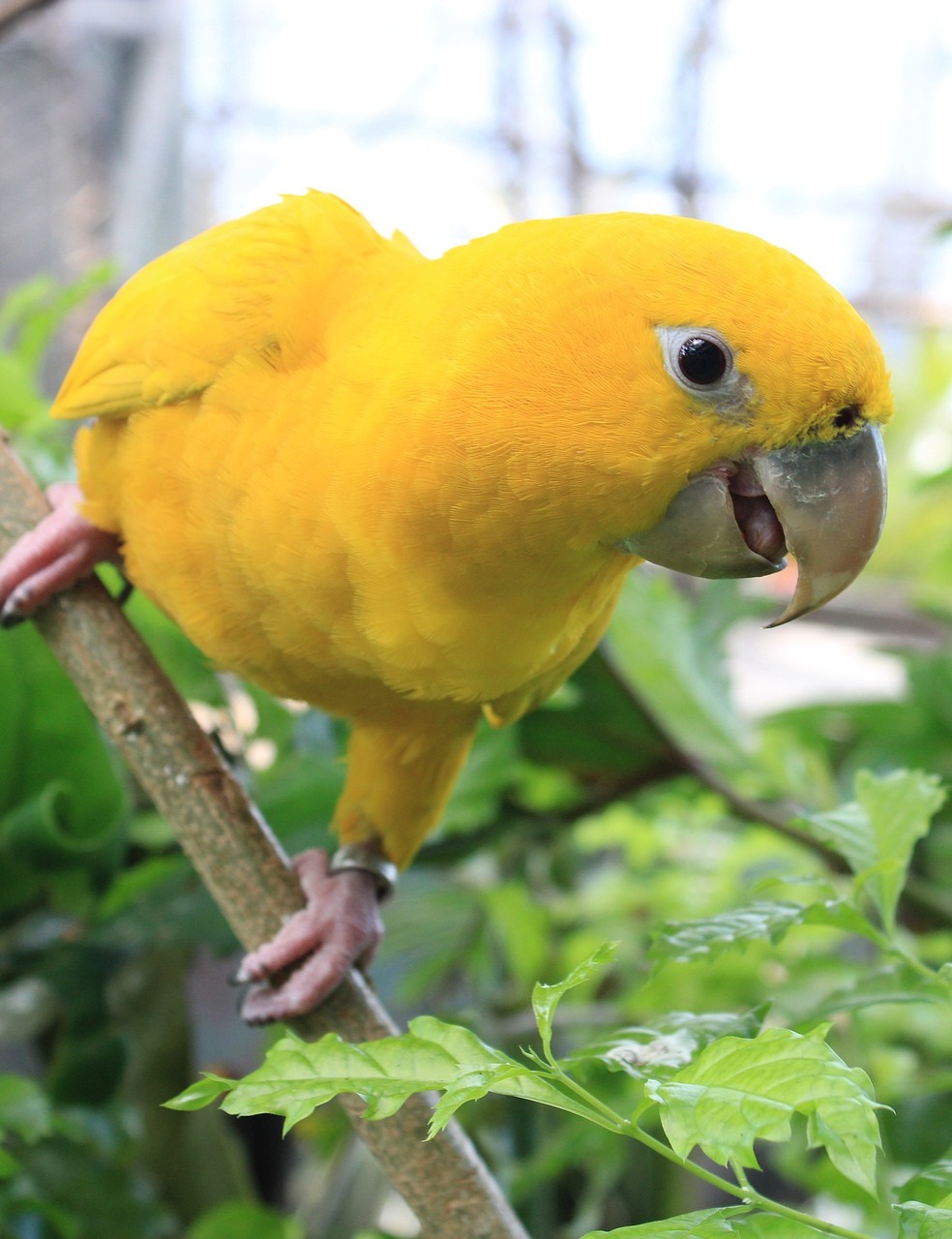
While their personality is often delightful, potential owners must also consider their vocalizations. Golden Conures are not quiet birds. While their screams may not be as piercing as those of some Aratinga conures like the Sun Conure, their relatively large size endows them with powerful voices capable of considerable volume. The noise level can vary between individuals, but prospective owners should be prepared for medium to high noise. Visiting a breeder or observing Golden Conures in person before acquisition is highly recommended to accurately gauge their vocalizations and determine if they are suitable for a particular living environment.
Regarding their talking ability, Golden Conures, like most parrots, possess the capacity to mimic sounds from their environment. However, they are not typically considered "champion talkers" compared to species like African Greys or Amazons. They may learn to articulate simple words, their name, short phrases, easy tunes, and imitate common household sounds. Their voices, however, tend to be less clear or distinct than those of more renowned talking parrots. An example video showcasing a Golden Conure attempting to mimic human speech illustrates their limited but charming vocal mimicry capabilities.
Owning a Golden Conure represents a substantial long-term commitment. With a lifespan of up to 30 years, these birds become integral family members for decades. This necessitates a dedication to providing consistent high-quality nutrition, extensive environmental enrichment, regular veterinary care, and abundant social interaction throughout their lives. Their intelligence and social needs mean they thrive in environments where they are central to family life and receive consistent engagement. For those prepared for this commitment, the Golden Conure offers a rewarding and vibrant companionship.

