


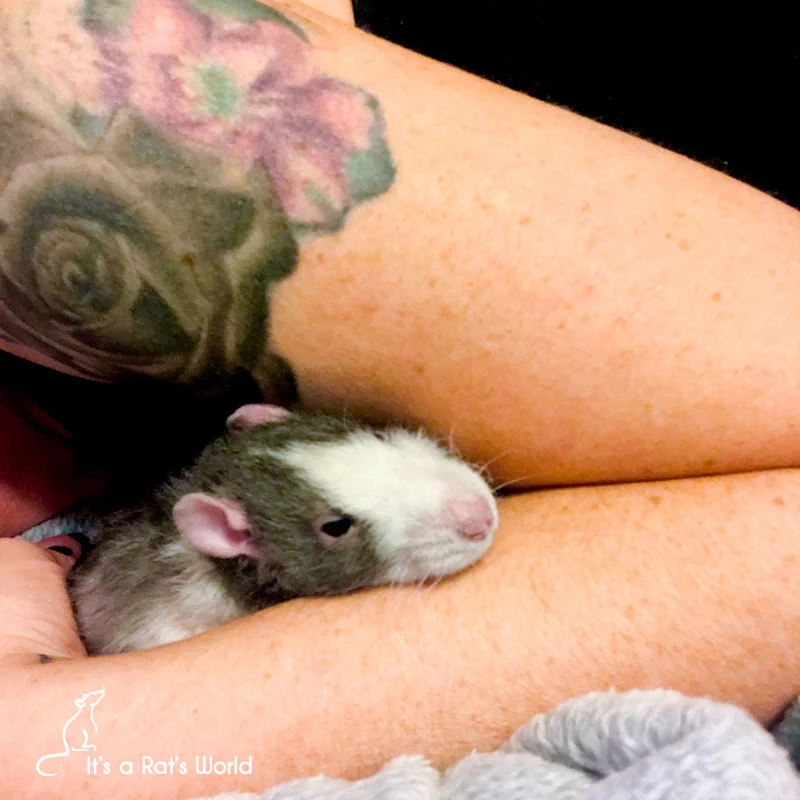
The profound absence of a rat companion can leave an undeniable void, a sentiment deeply felt by many who have experienced the unique companionship these intelligent rodents offer. For Brandi Saxton, a recognized advocate and owner through "It’s A Rat’s World," this "ratless" state is a stark departure from a lifetime immersed in the world of animal connection. While her household currently includes dogs and a cat, the absence of rats creates a distinct emotional chasm, highlighting the unparalleled bond she shares with these often-misunderstood creatures. This article delves into the intricacies of building profound relationships with rats, exploring the journey from initial trust to enduring companionship, and offering insights for both novice and experienced rat owners.
The Unique Allure of Rat Companionship
Saxton’s narrative underscores a common experience among rat enthusiasts: once a rat becomes a part of one’s life, other animal relationships, while valued, rarely fill the same heart-shaped space. While ferrets are noted as a close second in terms of affection, the specific nuances of rat companionship stand apart. The everyday moments shared—snuggling on a couch during movie nights, receiving gentle "rattie kisses," engaging in mutual grooming sessions, witnessing their ecstatic dances at the sight of their human, or even observing their playful jealousy for attention—form the bedrock of these deep connections. These intimate exchanges, often unobserved by the wider world, create a private universe of affection where the rat owner is unequivocally the "favorite human." This singular focus of devotion, free from competition, is a hallmark of the rat-human bond.
Navigating the Initial Stages: Building Trust with Timid Rodents
For those new to rat ownership or contemplating bringing rats into their homes, the aspiration is to achieve this same level of profound closeness. However, the path to such a bond can sometimes be met with challenges, particularly when rats exhibit skittishness or aloofness. This initial hesitancy can often be misconstrued, leading to anxieties about potential bites, a common concern among new owners.

It is crucial to understand that most rats require a period of acclimatization to their new environment. This is especially true for rats who may have experienced trauma or adverse conditions prior to their adoption. Their initial timidity is not a reflection of their potential for affection but rather a manifestation of their need to feel secure. Without this foundational sense of safety, forming a deep emotional connection becomes an arduous, if not impossible, task. Saxton emphasizes that a lack of understanding regarding how to support a nervous rat’s adjustment can inadvertently exacerbate their fear, leading to increased withdrawal. Her resource, "Helping A Scared Pet Rat," offers guidance on recognizing fear in rats, understanding its potential causes, and implementing strategies to earn their trust.
Trust Versus Bonding: A Crucial Distinction
A fundamental aspect of nurturing a relationship with a rat lies in understanding the difference between earning their trust and forging a genuine bond. Trust, in the rat’s perspective, is the belief that their human companion poses no threat. It is a prerequisite for any deeper connection. Bonding, however, transcends this basic security. It signifies a mutual desire for companionship, a reciprocal emotional investment that develops over time.
A rat’s inherent personality, shaped by its life experiences, plays a significant role in this developmental process. When a rat feels unsettled or operates under a constant state of self-preservation, its primary focus remains on survival, making it exceedingly difficult to form a loving attachment. Conversely, as a rat begins to feel comfortable and at ease in its environment and with its human, it starts to recognize and appreciate the value of shared experiences, paving the way for a more profound connection.
Understanding Rat Personalities: A Spectrum of Social Behavior
Rats, much like humans, exhibit a diverse range of personalities, influencing their receptiveness to human interaction. At one end of the spectrum are the "brave, extroverted" rats. These individuals typically adapt rapidly to new surroundings and humans, often displaying an immediate and unreserved faith in their caregivers. Saxton recounts instances where such rats would demand to be held within moments of meeting her, exhibiting a trust that seemed innate.
On the opposite end are rats who are deeply frightened or apprehensive, viewing humans, even their owners, as potential predators. For these animals, the initial objective is to dismantle this perception of threat. While some may never fully shed their innate caution, achieving a state where they recognize and accept their human as a caregiver represents a significant milestone in the relationship. The depth of the subsequent bond is then contingent on the rat’s individual disposition and the sustained effort invested by the owner.
The majority of rats, however, fall somewhere between these two extremes. They may exhibit initial nervousness, but with consistent and positive daily interactions, they typically become more comfortable and secure. This understanding of individual personalities is paramount for setting realistic expectations and tailoring approaches to each rat’s unique needs.
The Cornerstone of Connection: Providing Quality Time
The most critical element in cultivating a robust relationship with a rat is the consistent dedication of quality time. This involves being a regular presence in their lives, engaging in verbal interactions, offering gentle physical contact, holding them, and participating in play. This sustained engagement is not merely beneficial; it is essential for establishing a genuine connection and for the owner to truly understand their rat’s individual characteristics and preferences.
Integrating rats into the owner’s daily environment can be highly advantageous. The mere presence of the owner’s voice and scent within their living space contributes to their sense of security and familiarity, weaving the human into the rat’s daily routine.

Furthermore, allowing rats ample time outside their enclosure—ideally one to two hours daily—is crucial for their physical and mental well-being. Beyond the necessity of exercise and exploration, this out-of-cage time provides invaluable opportunities for bonding. Whether on a couch, a bed, or within a rat-proofed room, these sessions should be dedicated to focused interaction. Engaging in shared activities like watching a movie, reading, or listening to music while allowing for cuddles can deepen the connection. Understanding a rat’s preferred methods of being held and petted, and identifying their most cherished spots for tactile affection, further enhances these moments.
Specialized tools like bonding pouches and rat-sized blankets can be particularly helpful for timid rats. These items cater to a rat’s natural inclination to burrow and seek refuge, providing a sense of security while allowing them to remain close to their human. This proximity, coupled with the reassurance of a safe space, encourages them to snuggle closer, fostering a sense of comfort and trust.
Even when rats are within their cages, regular, gentle communication can be highly beneficial. Talking to them softly as they rest in their hammocks or bedding accustoms them to the owner’s voice, allowing them to associate it with positive and non-threatening experiences. This approach avoids the potential for fear that can arise from constant, forceful removal from their cage. Scientific research indicates that the act of petting an animal can stimulate the release of endorphins, stress-relieving neurochemicals, in both the pet and the human. Therefore, gently stroking a rat’s back or head while conversing with them can foster a calming and bonding experience for both parties.
For owners who find that interactions are not progressing naturally or that their rat continues to resist attention, Saxton recommends consulting her article, "Honoring Your Rat’s Personal Space." This resource addresses the importance of respecting a rat’s individual boundaries, a critical factor in preventing the sabotage of bonding efforts.
The Power of Positive Reinforcement: Food and Treats
Food serves as one of the most potent tools for trust training and bonding with rats. Saxton humorously admits that the enthusiastic greetings she received at her rats’ cage door might have been as much about the anticipation of treats as about her presence. Regardless of the primary motivation, the sheer joy and excitement these anticipatory dances conveyed were always a source of amusement and connection.
Elevating mealtimes into a significant event helps rats quickly learn to associate their human with the provision of sustenance. This association fosters a sense of favor and reliance. Selecting a healthy snack that a rat particularly enjoys and consistently announcing its arrival with a unique phrase or tone creates a powerful positive association. This consistent cueing trains the rat to link the owner’s presence with a feeling of happiness and reward.
Saxton’s personal cue, "Treats, Treats, Treats!" delivered in a rising pitch, was instantly recognized by all her rats, rousing even the deepest sleepers from their slumber. This ritual demonstrated the progress in her bonding efforts, particularly when even her most standoffish rats, those who resisted being held, would readily accept offerings, signaling a willingness to engage. Observing nervous or introverted rats participating in this enthusiastic rush to the cage door was a clear indicator of developing trust and connection.
Expanding the Bond: Beyond Basic Interaction
For those seeking to deepen their rat friendships, engaging in activities like teaching tricks or creating mazes can be immensely rewarding. While Saxton admits limited personal experience in these areas, she acknowledges their potential for fostering deeper engagement and exploring rats’ unique personalities in novel ways. The act of problem-solving and learning together creates a shared experience that strengthens the bond.
Similarly, traveling with rats, though requiring careful planning and consideration, has been observed to foster stronger bonds. Saxton notes that her rats often became more cuddly after road trips, even her more timid ones. The experience of being outside their familiar environment and relying on their human for safety and comfort appears to solidify their trust and dependence.
Managing Expectations: The Nuances of Rat Relationships
The journey of bonding with rats is a dynamic and individualized process. Each rat offers a distinct relational experience. Some bonds may develop effortlessly, while others may present persistent challenges. Regardless of a rat’s inherent temperament, maintaining a thriving connection requires ongoing effort and commitment from the owner. It is crucial to avoid comparing one’s own rats to those showcased on social media and to refrain from becoming discouraged if a particular rat is less demonstrative in its affection. Every rat possesses its own unique personality and pace of development.
Saxton’s personal experience spans a wide spectrum of rat relationships, from those she describes as "soulmate status" to those that existed at a level of mere tolerance. Even in instances where the bond was built on a foundation of minimal tolerance, it was still perceived as a special achievement. This recognition stems from the understanding of the significant effort and patience required to bridge the gap of fear and apprehension, and the profound honor of a frightened rat ultimately lowering its defenses and accepting the owner’s role in its life.
Ultimately, each rat is deemed worthy of the endeavor. As their lives inevitably draw to a close, it is the shared bond and the cherished memories forged from those unique connections that endure, living on indefinitely in the heart of their human companion. The investment in understanding, patience, and consistent affection yields a reward that transcends the ordinary, offering a profound and lasting connection with these remarkable creatures.

