


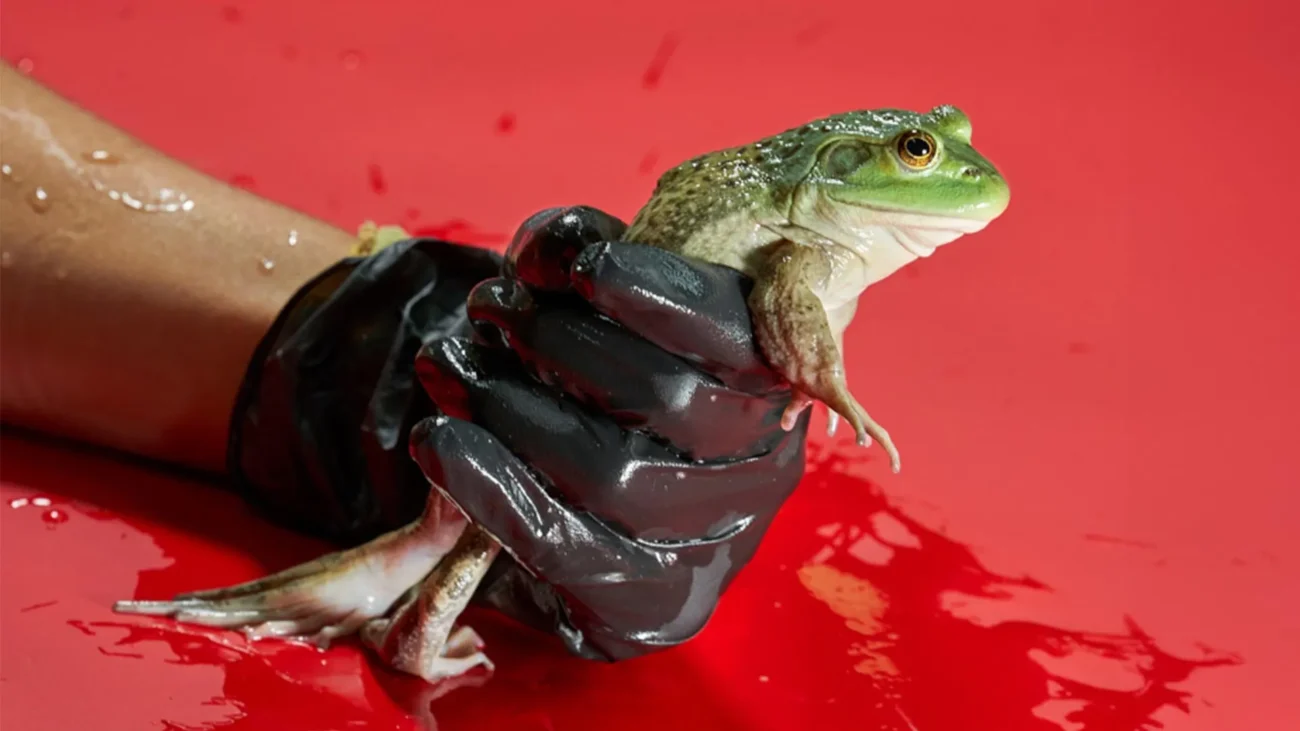
The global amphibian population is facing an unprecedented crisis, with the chytridiomycosis pandemic, driven by the deadly fungus Batrachochytrium dendrobatidis (Bd), identified as a primary culprit. Scientists have long grappled with the origins of the various genetic strains of this devastating pathogen that have decimated amphibian populations worldwide. While a 2018 study suggested a Korean Peninsula origin for a particularly virulent strain, now known as Bd-Asia-2/Bd-Brazil, new research, meticulously pieced together by a team of Brazilian scientists, presents compelling evidence that challenges this conclusion and firmly places Brazil as the original source of this globally destructive lineage. This groundbreaking study, published in the esteemed journal Biological Conservation and bolstered by funding from the São Paulo Research Foundation (FAPESP), not only reopens the debate on the fungus’s origins but also underscores the critical role of international trade in the rapid dissemination of infectious diseases that threaten biodiversity.
Unraveling the Mystery of Bd-Brazil
The strain in question, initially identified and named Bd-Brazil in 2012 due to its prevalence in the country, became the subject of scientific controversy. The 2018 Science paper proposed an origin on the Korean Peninsula, leading to its renaming. However, the latest findings, spearheaded by researchers from the State University of Campinas (UNICAMP) in São Paulo, Brazil, provide a robust counter-narrative. Their comprehensive investigation, which synthesized multiple lines of evidence including historical museum specimens, genetic analysis of fungal samples from Brazilian bullfrog farms, and an examination of international bullfrog trade routes, points unequivocally to Brazil as the birthplace of Bd-Brazil. The strain has subsequently been detected in various parts of the world, including the United States, Japan, and the Korean Peninsula, highlighting its extensive reach.
A Timeline of Contagion and Discovery
The journey of understanding Bd-Brazil’s origins is a complex one, marked by evolving scientific understanding and the persistent challenge of tracing microscopic pathogens through time. Early research, published in Molecular Ecology in 2014, provided a crucial piece of the puzzle. This study analyzed preserved frog specimens, some dating back to the 19th century, housed in museum collections. Through sophisticated genetic testing, it identified Bd-Brazil in Brazil as early as 1916, predating the introduction of bullfrogs to the country by approximately two decades. This finding alone cast doubt on theories that pinpointed later introduction events as the sole source of the strain.
The more recent study by the UNICAMP team builds upon this foundation with an even more expansive approach. Their methodology involved a multifaceted investigation, combining a thorough review of existing scientific literature with the examination of an extensive collection of amphibian specimens from museums across the globe. Crucially, they also analyzed the genetic makeup of fungal samples obtained from Brazilian bullfrog farms and meticulously studied the patterns of bullfrogs traded internationally. This holistic approach allowed them to construct a more complete picture of the strain’s historical distribution and its primary vectors of dispersal.
Museum Specimens: Silent Witnesses to a Global Crisis
The significance of museum collections in understanding historical disease spread cannot be overstated. These repositories of biodiversity, often overlooked in the context of pathogen research, have become invaluable archives for tracing the historical presence of infectious agents. In this study, international collaborators meticulously examined 2,280 amphibian specimens collected between 1815 and 2014, housed in zoological museums worldwide. While not all specimens were ideally preserved for detailed genetic analysis of specific strains, their presence or absence of Bd offered crucial chronological markers.
"We were unable to identify the exact strain in a large sample of amphibians deposited in museums, since conservation isn’t always ideal for maintaining this information," explained Luísa P. Ribeiro, the study’s first author, who conducted the research during her doctoral studies at the Institute of Biology (IB) at UNICAMP. "Therefore, we only identified the presence or absence of the fungus in these individuals and sought other evidence that could indicate whether or not Bd-Brazil originated in Brazil."
Despite these limitations, the historical data proved illuminating. Out of all the specimens analyzed, 40 tested positive for Bd. The earliest confirmed cases identified in this new study were found on five frogs of the species A. A. obstetricans, collected in 1915 in the Pyrenees region of France. These represent the oldest known infected specimens from that country. The second oldest record involved a frog of the species Megophrys goeldii, currently found in Rio de Janeiro, collected in 1964. While these findings provide important historical context for Bd presence, the focus of the research was to pinpoint the origin of the specific Bd-Brazil strain.
The Bullfrog Connection: A Global Trade Route
The international commercial trade of bullfrogs (Aquarana catesbeiana), a species native to North America that is widely farmed for consumption, has long been suspected as a major conduit for the global spread of Bd. Bullfrogs were first introduced to Brazil in 1935, with a subsequent introduction occurring in the 1970s, creating new pathways for the fungus to traverse international borders. The UNICAMP study meticulously investigated this connection by analyzing historical trade records, the genetic profiles of fungal samples from Brazilian frog farms, and genetic data from bullfrogs that were sold in international markets.
The findings revealed that Bd-Brazil is highly prevalent within Brazil, with over half of the recorded cases linked to frog farms. This widespread presence in a species that is a primary export commodity strongly supports Brazil as a source. Furthermore, the study highlights that Bd-Brazil is generally considered less aggressive than Bd-GPL, the second most common variant of the fungus, which is believed to have originated in Asia. This distinction in virulence might also play a role in its historical dissemination and impact.
The research team examined a staggering 3,617 frog meat trade routes involving 48 countries. This analysis categorized countries as solely exporters (12), importers (21), or those that served both roles (15). By integrating this trade data with the genetic evidence of Bd-Brazil and the documented timelines of its detection, the researchers were able to pinpoint the most probable pathways of the strain’s global spread.
Eight primary dissemination routes were identified. A critical finding revealed that Brazil directly exported bullfrogs to the United States between 1991 and 2009. Subsequently, the United States exported to South Korea in 2004 and 2008. Crucially, there were no documented exports from South Korea to other countries where Bd-Brazil has been detected. This pattern of trade, coupled with the genetic evidence of the strain’s deep roots in Brazil, strongly implicates the South American nation as the original source.
Broader Implications for Conservation and Biosecurity
The implications of this research extend far beyond settling a scientific debate about a pathogen’s origin. The findings serve as a stark reminder of the interconnectedness of global ecosystems and the profound impact of human activities, particularly international trade, on the spread of infectious diseases that threaten biodiversity. The chytridiomycosis pandemic has already led to dramatic population declines in at least 500 species of frogs and toads, pushing many to the brink of extinction. The identification of specific trade routes as primary vectors for such devastating pathogens underscores the urgent need for more robust biosecurity measures.
Luísa P. Ribeiro articulated the significance of their findings: "This genotype is highly prevalent in different native Brazilian species, with very old records. When we look elsewhere, the records are much more recent and occur only in bullfrogs and other exotic species. Here, however, the strain is present both in frog farms and in the wild, including some native species that do not develop the disease." This observation is critical, as it suggests that while native Brazilian species may not always succumb to the disease, they can act as reservoirs for the pathogen, potentially facilitating its spread through trade.
Professor Luí s Felipe Toledo, a prominent researcher at IB-UNICAMP and Ribeiro’s doctoral advisor, who coordinated the project "From Natural History to the Conservation of Brazilian Amphibians" (also supported by FAPESP), emphasized the broader conservation context. "Even without knowing the strain, we found records older than those previously reported in the literature and presented a review of historical records of Bd worldwide," he stated, highlighting the ongoing effort to reconstruct the fungus’s historical distribution.
The research team’s conclusions serve as a powerful call to action for enhanced preventive measures. These include the implementation of stricter import regulations for live animals, the establishment of routine pathogen screening protocols for traded species, the enforcement of rigorous quarantine measures for imported animals, and the development of coordinated global monitoring systems. Such measures are essential to proactively identify and mitigate the risks posed by emerging infectious diseases and to safeguard vulnerable amphibian populations from future outbreaks.
The persistent impact of chytridiomycosis on amphibian populations worldwide necessitates a global, collaborative approach to conservation. By understanding the historical pathways of pathogen spread, scientists and policymakers can better develop strategies to prevent future devastations and protect the irreplaceable biodiversity of our planet. The reevaluation of Bd-Brazil’s origin story is not merely an academic exercise; it is a crucial step in refining our understanding of a global ecological crisis and in forging a path towards more effective conservation strategies. The evidence now strongly suggests that the seeds of this amphibian catastrophe were sown in the rich biodiversity of Brazil, a testament to the unintended consequences of global trade and the urgent need for heightened vigilance in protecting the natural world.

