


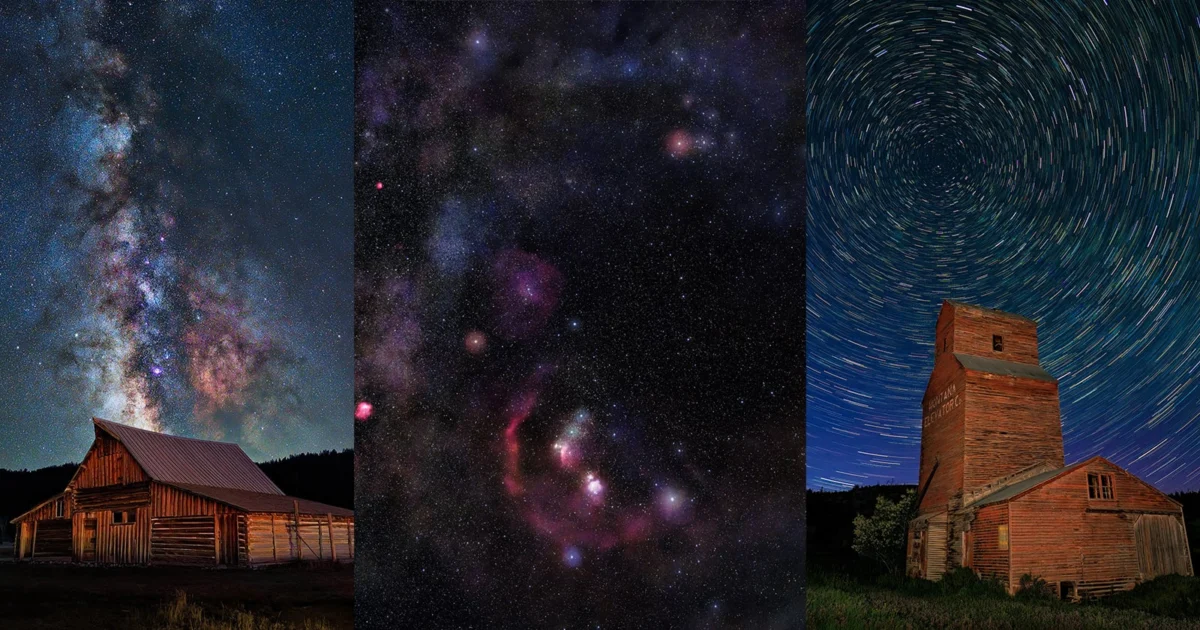
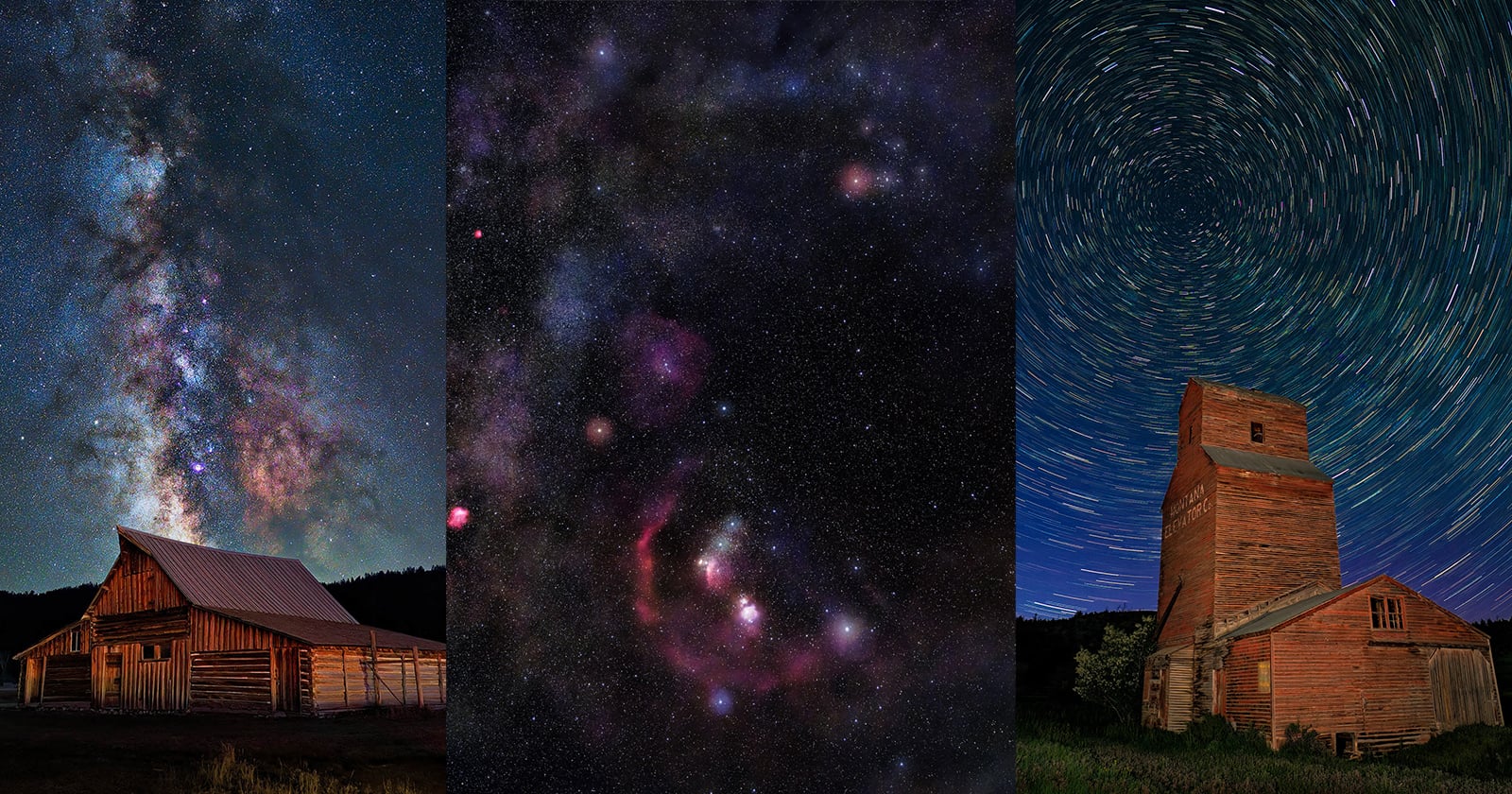
The transition from film-based star trail photography to the sophisticated digital captures of the modern era represents one of the most significant technological leaps in the history of the medium. For veteran photographer and OM SYSTEM Ambassador Matt Suess, this journey began in the light-polluted suburbs of New England, where the Milky Way remained a theoretical concept hidden behind a veil of atmospheric glow. Today, Suess stands as a leading figure in the field, utilizing specialized equipment like the OM-3 ASTRO to reveal celestial phenomena that are invisible to the naked eye. His career, spanning nearly four decades, provides a unique lens through which to view the evolution of astrophotography from a laborious manual craft to a highly precise digital science.
The Foundations of Celestial Observation
Suess’s fascination with the night sky is rooted in a childhood spent in Connecticut, where he established his first darkroom at the age of 12. During his teenage years, he experimented with star trails using color slide film—a process that required immense patience and offered no immediate feedback. His early interest in the stars was so profound that it briefly steered him toward a career in mechanical engineering with the intention of designing rockets for NASA. While his professional path eventually returned to photography, the analytical mindset required for engineering remained, informing his technical approach to capturing the cosmos.
A pivotal moment in Suess’s career occurred during a trip to Joshua Tree National Park. Having grown up in the Northeast, where the Bortle Scale—a numeric scale that measures the night sky’s brightness—often registers at high levels of light pollution, Suess was confronted with a truly dark sky for the first time. He recalls seeing a hazy band across the sky and, initially unfamiliar with the visual appearance of the Milky Way, pointing his camera toward it. Though those first images were soft and technically flawed, the experience solidified a lifelong commitment to mastering the challenges of low-light imaging.
The Technological Shift: From Stacking to In-Camera Processing
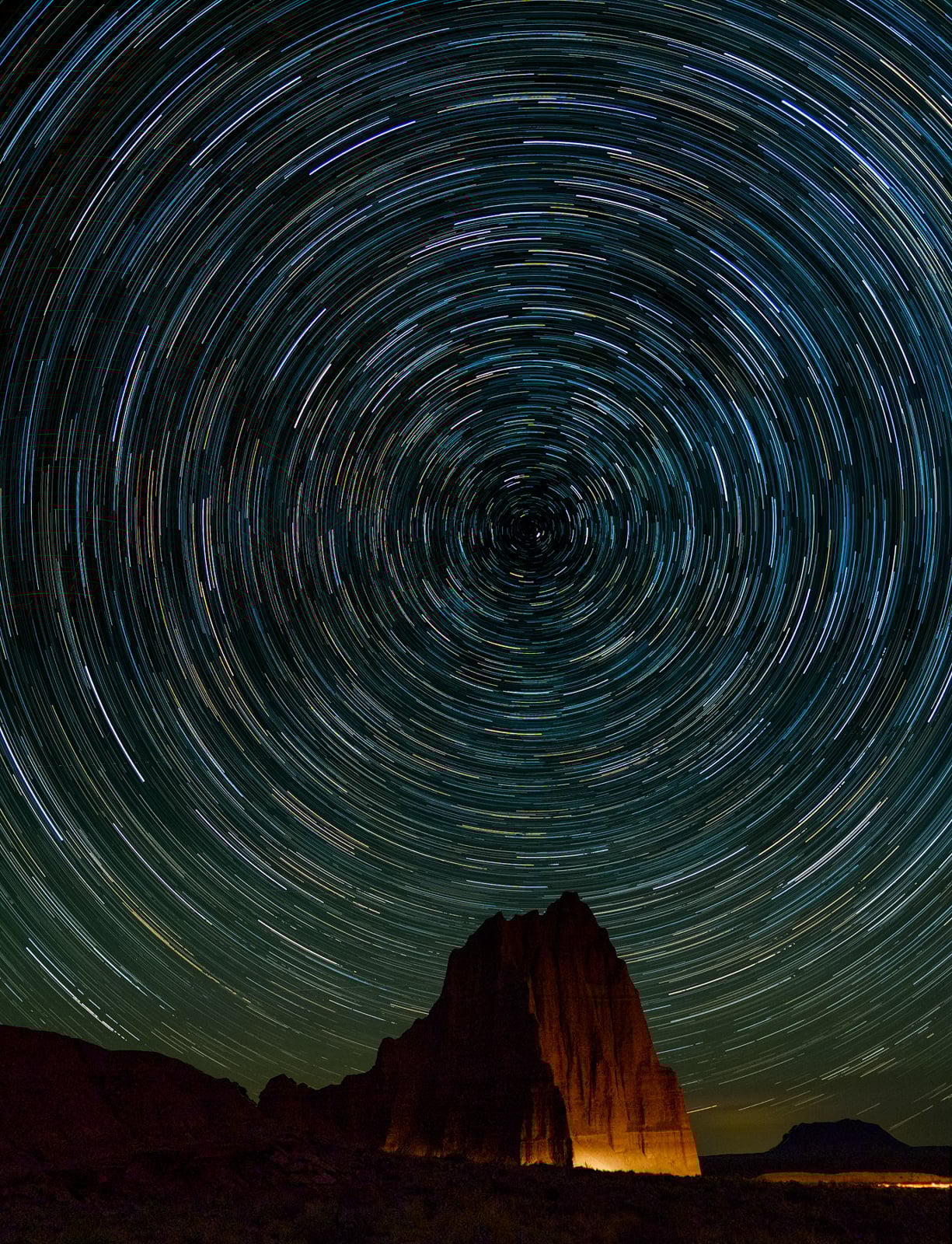
In the traditional workflow of astrophotography, creating a star trail image—where the Earth’s rotation causes stars to appear as circular arcs—required taking hundreds of individual exposures and manually "stacking" them in post-processing software. This method was designed to minimize digital noise while maximizing the light captured. However, Suess highlights a significant shift in this paradigm through the introduction of computational photography features such as Live Composite.
Live Composite, a feature found in OM SYSTEM cameras, allows the photographer to watch an exposure build in real-time on the rear LCD. The camera captures an initial base exposure and then only records new light that appears in subsequent frames. This prevents the foreground from becoming overexposed while allowing the star trails to lengthen. Suess notes that this technology has democratized the genre, allowing workshop participants to achieve results in the field that previously required hours of computer work.
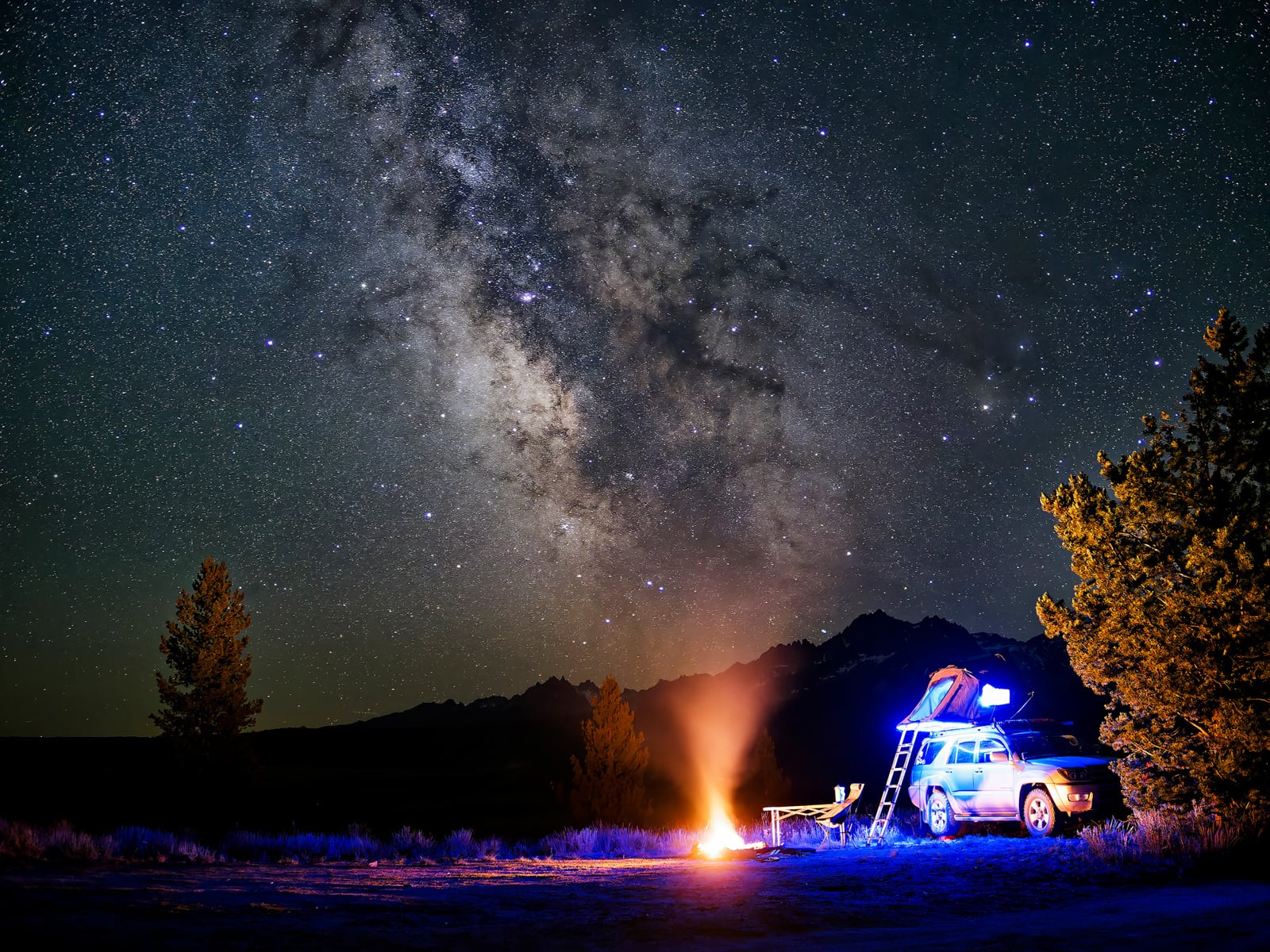
Accompanying these advancements is Starry Sky AF, a specialized autofocus algorithm designed to solve one of the most difficult problems in the field: achieving critical focus on a point of light millions of light-years away. Traditionally, photographers had to use manual focus, magnifying a bright star on the screen and making minute adjustments. Starry Sky AF automates this process, using contrast-detection and phase-detection systems to lock onto celestial bodies with a degree of accuracy that often surpasses manual efforts.
The Science of Light: H-Alpha and Sensor Modification
A significant portion of Suess’s current work involves deep-sky photography, a sub-discipline that focuses on nebulae and galaxies. The primary challenge here is the physical limitation of standard digital sensors. Most consumer cameras are equipped with an infrared (IR) cut filter that blocks a specific wavelength of light known as Hydrogen-alpha (H-alpha), which sits at 656.28 nanometers. This wavelength is responsible for the vibrant red and pink hues found in emission nebulae, such as the Orion Nebula.
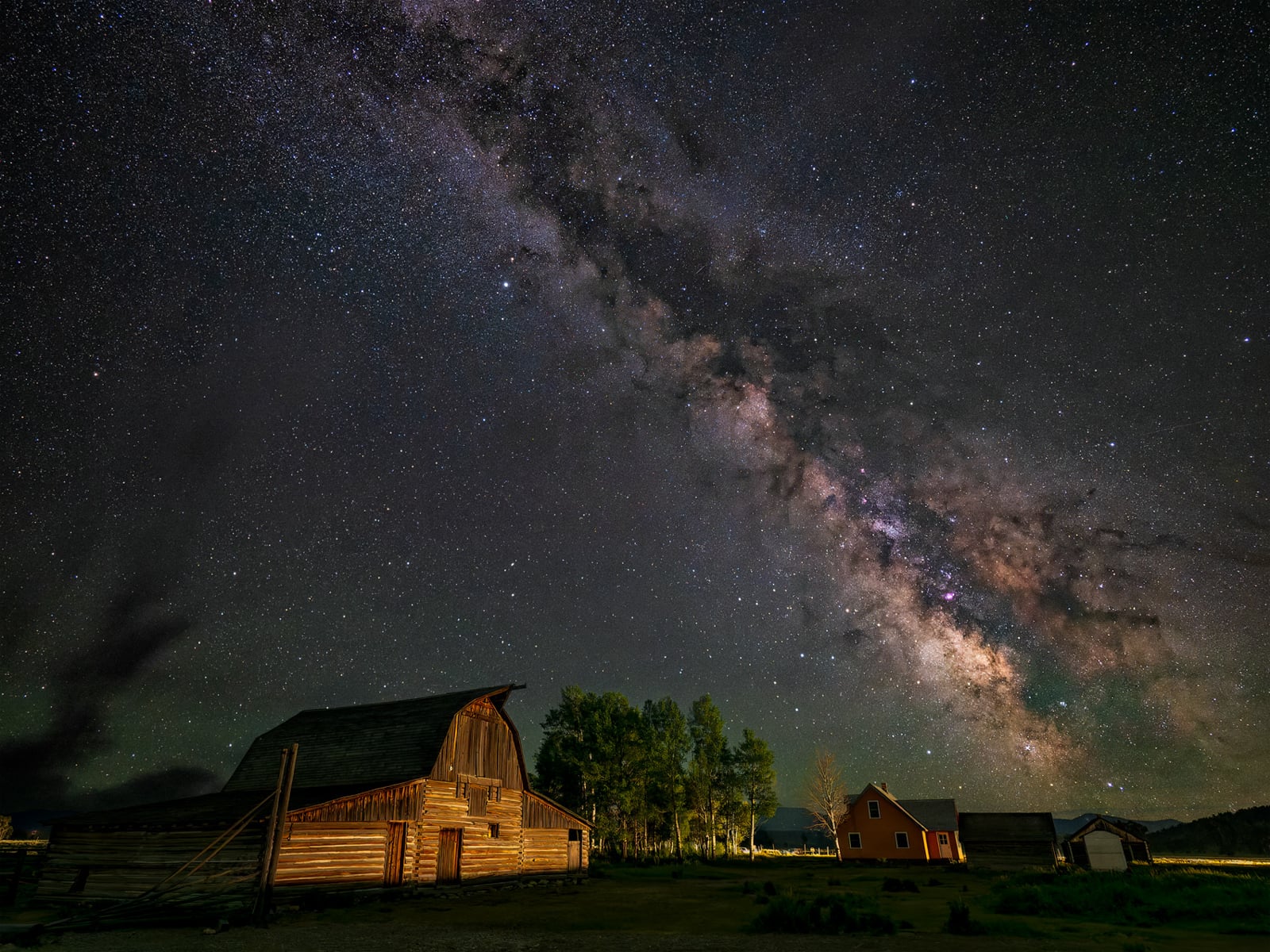
Standard sensors typically filter out approximately 80% of H-alpha light to ensure accurate color reproduction in daylight photography. For astrophotographers, this results in muted, gray-looking nebulae. Historically, the only solution was to send a camera to a third-party service for a "full-spectrum" or "astro" modification, which voided warranties and rendered the camera difficult to use for traditional landscapes.
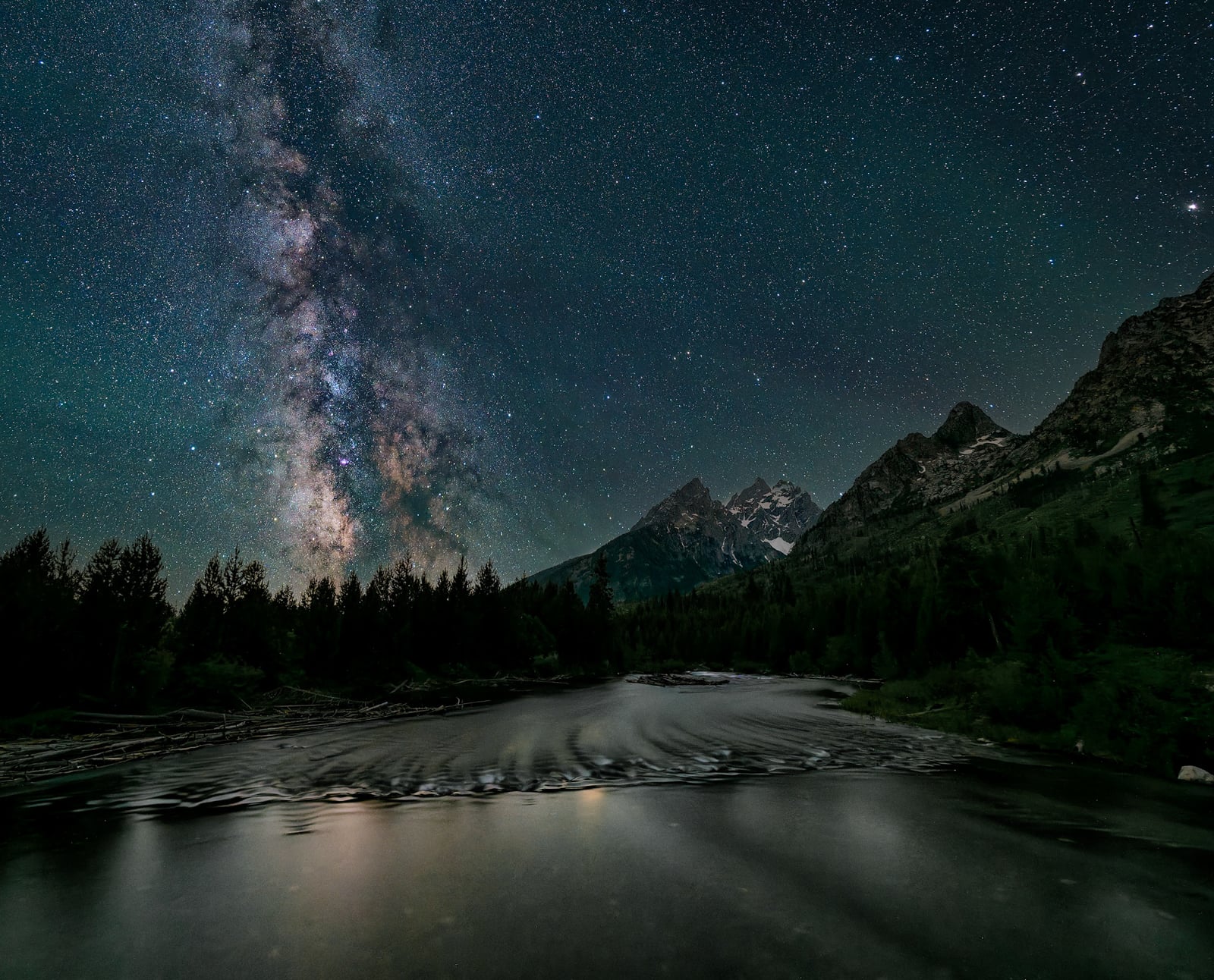
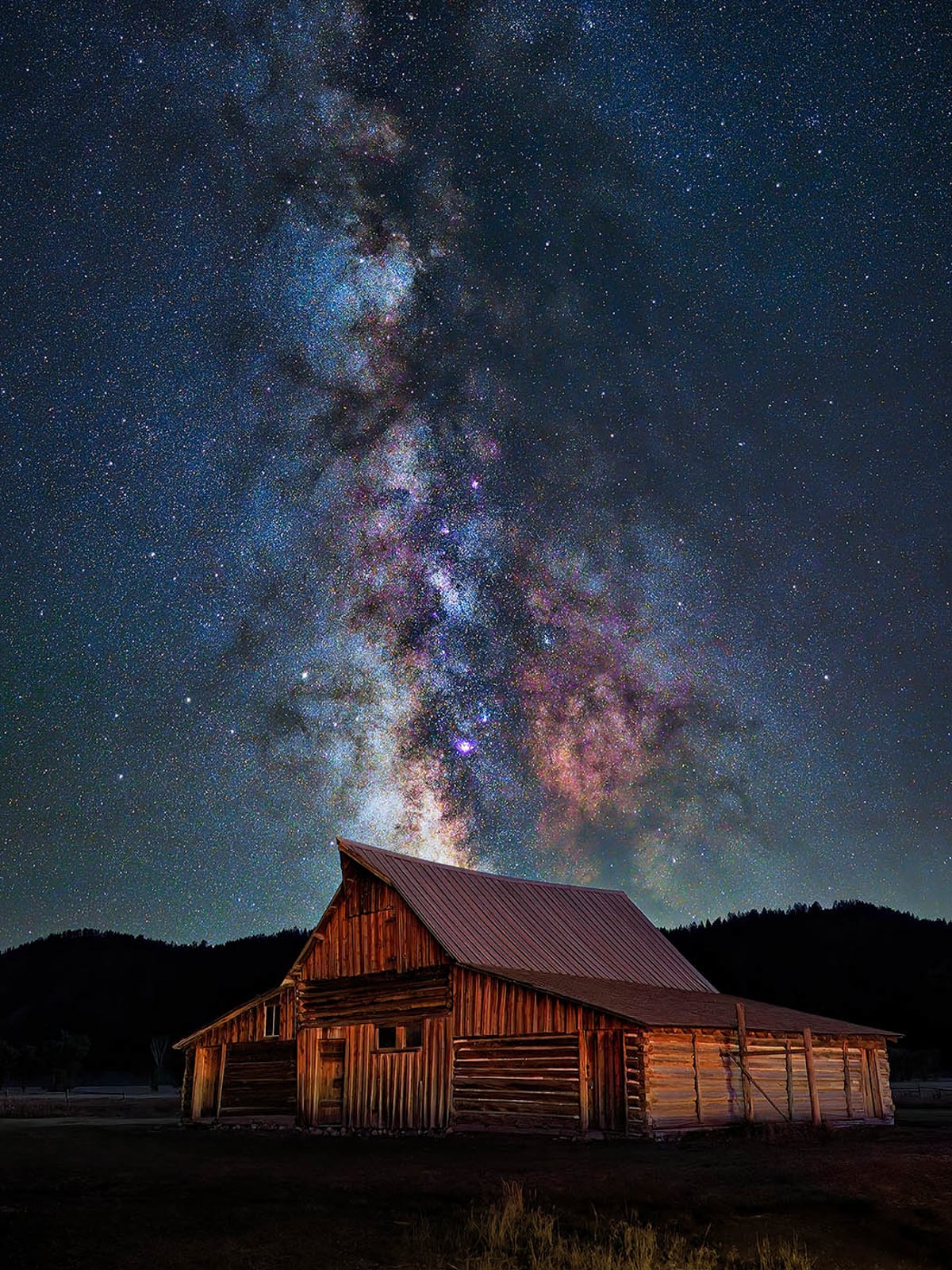
The introduction of the OM-3 ASTRO addresses this by providing a factory-modified sensor designed to pass H-alpha light fully. Suess explains that this modification allows for the capture of deep-space detail that was previously inaccessible to the average photographer. When paired with a star tracker—a motorized mount that moves the camera in synchronization with the Earth’s rotation—exposure times can be extended from seconds to minutes, revealing the intricate structures of distant star nurseries.
Gear Selection and the Physics of Tracking
The choice of equipment in astrophotography is dictated by the laws of physics, specifically the "500 Rule," which suggests that the maximum shutter speed to avoid star blurring is 500 divided by the focal length of the lens. Suess, however, advocates for a more empirical approach, using test shots to verify sharpness.
For wide-field Milky Way shots, Suess frequently utilizes the M.Zuiko Digital ED 17mm f/1.2 PRO lens. The wide aperture allows for a lower ISO, which directly correlates to a higher signal-to-noise ratio in the RAW file. For deep-sky work, he employs telephoto lenses like the 50-200mm f/2.8 IS PRO, often combined with a 1.4x teleconverter.
A critical factor in this setup is weight. Suess emphasizes that portable star trackers, such as the Move Shoot Move NOMAD, have weight limits that can affect tracking accuracy. The Micro Four Thirds system used by Suess provides a significant advantage in this regard, offering high-magnification telephoto capabilities at a fraction of the weight of full-frame equivalents. This reduced load places less strain on the tracker’s motors, resulting in smoother movement and sharper stars during long exposures.
Environmental Threats and the Vanishing Night
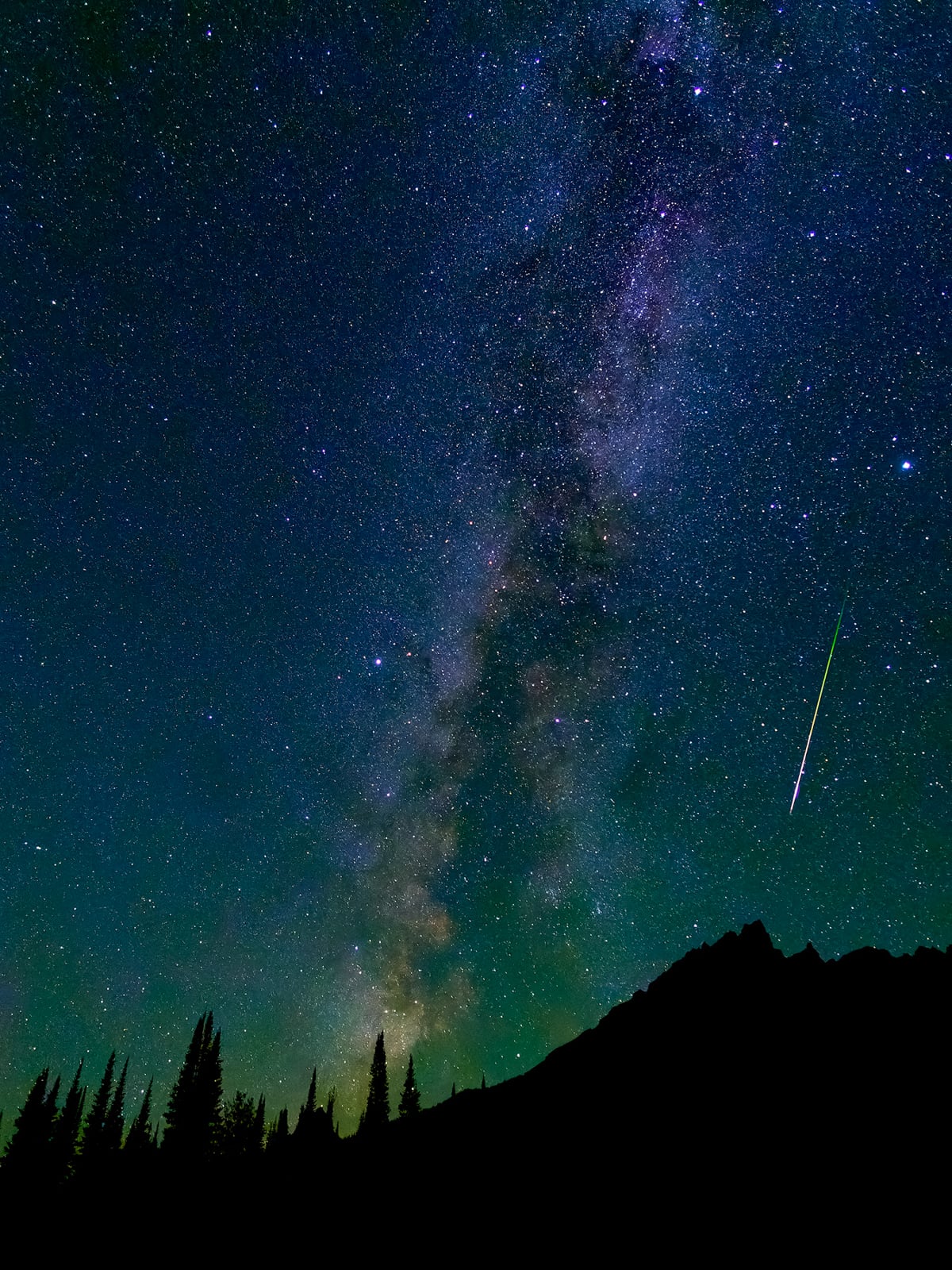
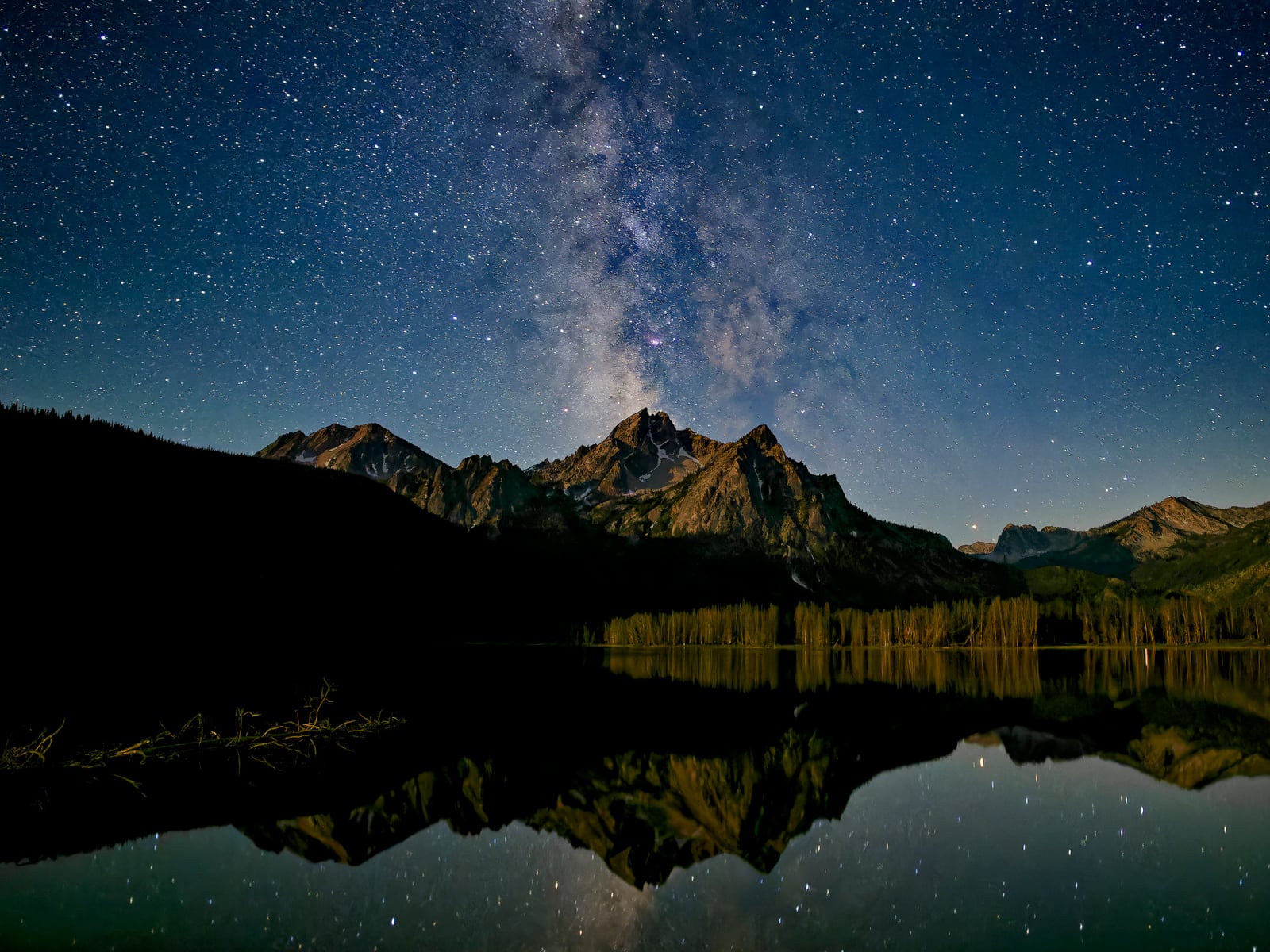
While technology has made it easier to photograph the stars, the environment is making it harder to find them. Suess expresses significant concern regarding the rapid increase in light pollution and the proliferation of satellite constellations. According to a 2023 study published in Science, the night sky is brightening by nearly 10% annually due to artificial light.
Furthermore, the launch of thousands of low-Earth orbit satellites, such as those in the Starlink network, has introduced a new challenge: satellite trails. These bright streaks can ruin long exposures, requiring photographers to use complex "sigma-clipping" stacking techniques to remove them. Suess warns that the "window of opportunity" to capture a pristine night sky may be closing, as atmospheric changes from wildfires and increasing urban glow further degrade visibility.
To combat urban light pollution, Suess utilizes body-mounted filters like the BMF-LPC01. These filters are designed to block the specific wavelengths emitted by sodium-vapor and mercury-vapor streetlights, allowing the natural light of the stars to reach the sensor with minimal interference.
A Personal Perspective on the Cosmic Scale
The technical rigors of astrophotography are often balanced by the philosophical nature of the work. Suess’s relationship with the night sky took on a deeper meaning following a recent diagnosis of HPV-positive squamous cell oropharyngeal cancer. During his treatment, the act of going out to photograph the stars became a form of therapy and a way to maintain a connection to the world beyond his illness.
"When you can’t go out and shoot, you start to realize how much of what you love about this has nothing to do with photos," Suess reflects. The quiet, cold air and the observation of objects millions of light-years away provide a sense of perspective that he describes as essential. This human element is a core component of the workshops he leads, where he helps students not only master the technical settings of their cameras but also appreciate the rarity of a truly dark sky.
Conclusion: The Future of the Discipline
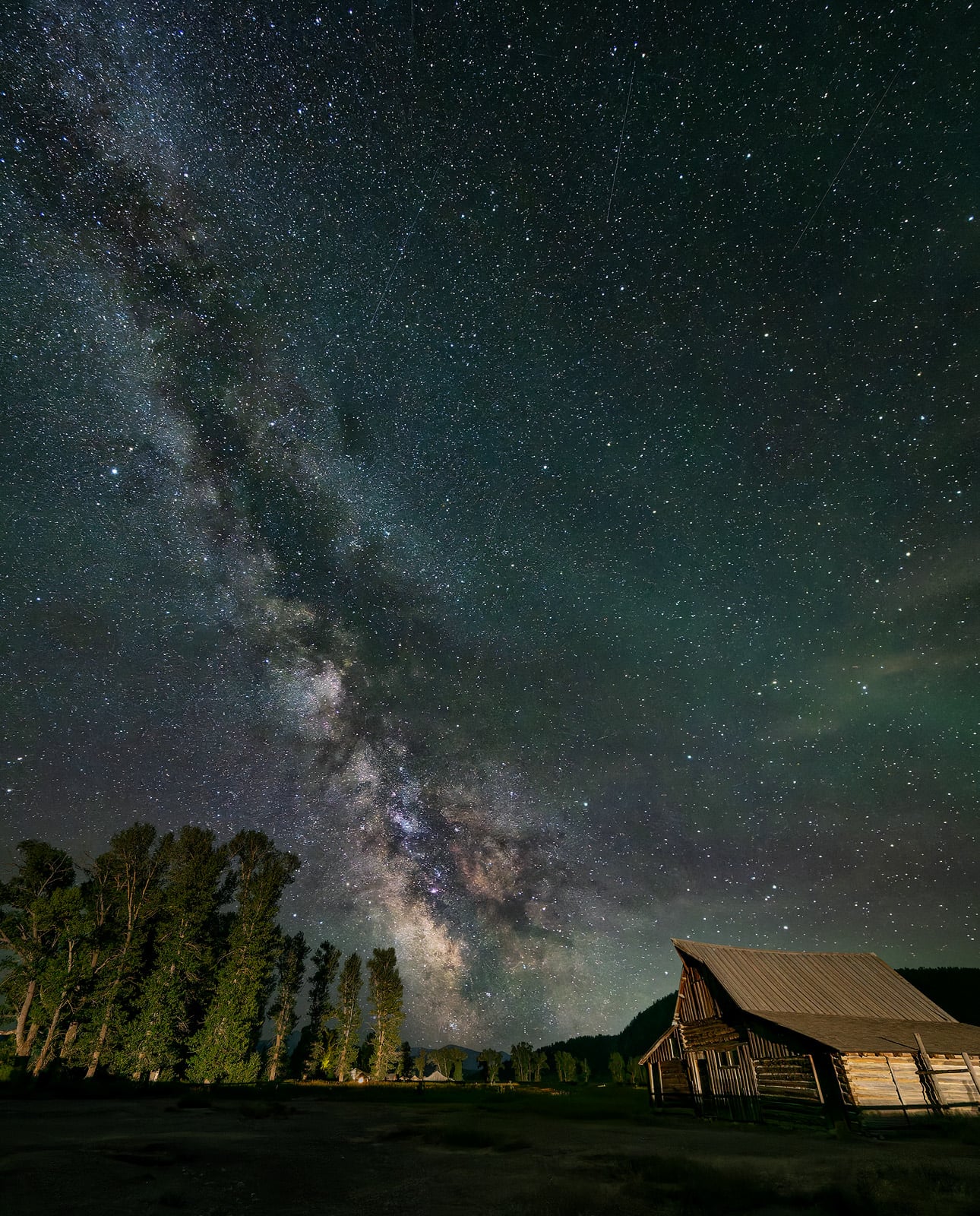
As astrophotography continues to evolve, the integration of artificial intelligence in post-processing and the refinement of in-camera computational tools will likely further lower the barrier to entry. However, as Matt Suess’s career demonstrates, the fundamental requirements of the craft remain unchanged: a deep understanding of light, a willingness to endure harsh environments, and a respect for the celestial subjects being captured.
The work of photographers like Suess serves as both a technical guide for aspiring artists and a visual record of a natural resource—the dark night sky—that is increasingly under threat. By combining high-end optics with specialized sensors and a rigorous workflow involving software like DxO PureRAW and PixInsight, modern astrophotographers are pushing the boundaries of what can be seen from the surface of our planet, turning the silent, dark expanse above into a canvas of vivid color and infinite detail.

