


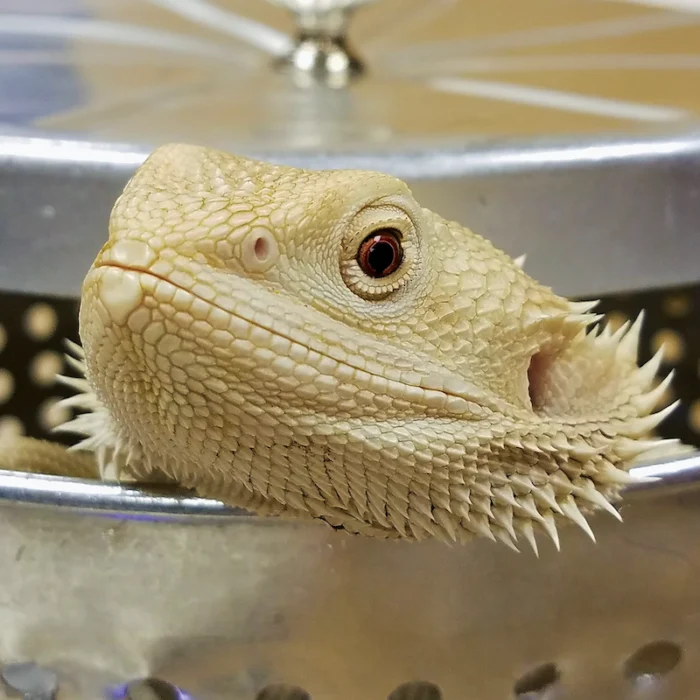
The Intersection of Lighting and Veterinary Medicine
The "Sunburned!" webinar serves as a critical bridge between the physics of light and the biological requirements of non-traditional pets. Historically, the veterinary community has identified nutritional secondary hyperparathyroidism—commonly referred to as metabolic bone disease (MBD)—as one of the most prevalent yet preventable ailments in captive reptiles and birds. The etiology of this condition is almost always linked to inadequate ultraviolet B (UVB) radiation, which is essential for the endogenous synthesis of Vitamin D3. Without sufficient D3, these animals cannot effectively absorb dietary calcium, leading to skeletal deformities, pathological fractures, and eventual organ failure.
By offering this course through LafeberVet, a leading provider of online medical resources for exotic animal practitioners, the program addresses a persistent gap in general veterinary education. While domestic canine and feline medicine remain the focus of many traditional curricula, the specific nuances of ultraviolet requirements for a diverse range of taxa—from the sun-basking bearded dragon (Pogona vitticeps) to the shade-dwelling crested gecko (Correlophus ciliatus)—require specialized, ongoing study.
Chronology of UVB Research in Captive Husbandry
The journey toward modern UVB standards has evolved significantly over the last four decades. In the 1980s and early 1990s, the understanding of "full-spectrum" lighting was rudimentary, often relying on bulbs that produced visible light but lacked the specific nanometer range (280–315 nm) necessary for Vitamin D synthesis.
- The 1990s: The Emergence of Specialized Bulbs. During this era, manufacturers began producing the first generation of UVB-emitting fluorescent tubes. However, there was little clinical data regarding the longevity of these bulbs or the specific microwatts per square centimeter ($mu$W/cm²) required by various species.
- The Early 2000s: The Ferguson Zones. A landmark shift occurred with the research of Dr. Gary Ferguson and his colleagues. By measuring the ultraviolet exposure of various reptiles in the wild, researchers established "Ferguson Zones." These categories (Zones 1 through 4) allow veterinarians to recommend specific UV indices (UVI) based on an animal’s natural basking behavior, ranging from crepuscular species to mid-day sun-worshippers.
- 2010 to Present: Digital Telemetry and Evidence-Based Medicine. The current era is defined by the use of digital UV meters (such as the Solarmeter 6.5) and the publication of peer-reviewed studies that correlate blood serum 25-hydroxyvitamin D levels with specific lighting arrays. The "Sunburned!" webinar encapsulates this modern data, moving beyond the simple "on/off" binary of lighting to a nuanced discussion of gradients, decay rates, and the risks of ultraviolet overexposure.
Technical Framework: Understanding the Ultraviolet Spectrum
To understand the necessity of this CE course, one must examine the technical requirements of ultraviolet radiation. UVB radiation occupies the portion of the electromagnetic spectrum between 280 and 315 nanometers. When these photons strike the skin of a reptile or the uropygial gland of a bird, they convert 7-dehydrocholesterol into previtamin D3, which is then thermally isomerized into Vitamin D3.
The webinar provides practitioners with data-driven methods to evaluate whether a captive environment is meeting these biological needs. Key technical considerations include:
- The Inverse Square Law: Light intensity diminishes rapidly as the distance from the source increases. Veterinarians must be able to advise clients on the exact placement of lighting fixtures to ensure the animal receives therapeutic levels of UVB without being close enough to suffer thermal or UV-induced ophthalmic damage.
- Atmospheric and Physical Barriers: One of the most common mistakes in exotic pet ownership is placing a UVB source behind glass or plastic. These materials effectively filter out 100% of beneficial UVB radiation. The course highlights the importance of "screen mesh" penetration rates, as different gauges of wire mesh can reduce UVB output by 30% to 50%.
- Spectral Decay: Unlike visible light bulbs, UVB-emitting phosphors degrade long before the bulb stops producing visible light. The webinar emphasizes the need for regular monitoring with radiometers, as a bulb that appears "bright" to the human eye may be biologically inert.
Professional Implications for Veterinary Staff
The AAVSB RACE approval of this webinar is a testament to the rising professional standards in the exotic pet industry. For veterinary technicians, who are often the primary educators for pet owners during intake and discharge, mastering the intricacies of UVB lighting is essential for preventative care. The course allows for three attempts at a post-test, ensuring that the practitioner has not merely viewed the content but has synthesized and retained the information.
Upon successful completion, participants receive a certificate that serves as legal documentation of their continuing education hours. This is vital for maintaining licensure in the United States and Canada. Moreover, the inclusion of French and Spanish translations for the membership portal indicates a push toward global standardization of exotic animal care, recognizing that the demand for evidence-based herpetological medicine is a worldwide phenomenon.
Supporting Data and Clinical Analysis
Recent surveys within the veterinary community suggest that approximately 70% of exotic reptile presentations in general practice are related to husbandry errors. Of those, a significant majority involve metabolic bone disease or related nutritional deficiencies. By implementing the evidence-based updates presented in the "Sunburned!" webinar, clinics can see a measurable improvement in patient outcomes.
For example, data regarding the "Ferguson Zone 3" species, such as the Green Iguana, shows that providing a UVI gradient of 2.9 to 7.4 significantly improves calcium metabolism compared to older standards that suggested a flat, lower-intensity exposure. Furthermore, the webinar addresses the "Sunburned" aspect—photokeratoconjunctivitis—which occurs when animals are exposed to poor-quality "compact" fluorescent bulbs that emit UVC or short-wavelength UVB in high concentrations. This highlights that "more light" is not always better; rather, "correct light" is the clinical goal.
Statements and Reactions from the Veterinary Community
While the webinar is hosted by LafeberVet, the broader veterinary community has long advocated for such specialized resources. Leading herpetological veterinarians have noted that the lack of standardized lighting information often leads to conflicting advice between pet stores, online forums, and medical professionals.
"The accreditation of evidence-based lighting modules is a victory for animal welfare," suggests the inferred consensus among exotic animal specialists. "When we treat a lizard for a broken leg caused by MBD, we are only treating the symptom. When we educate the vet on the specific nanometer requirements of that lizard, we are treating the cause. This webinar empowers the clinician to provide a prescription for light just as they would for an antibiotic."
Broader Impact and Future Implications
The long-term impact of the "Sunburned!" webinar extends beyond the individual veterinarian’s office. As more professionals become educated in the nuances of ultraviolet radiation, there is a secondary effect on the manufacturing industry. Veterinary demand for high-quality, tested, and reliable lighting products forces manufacturers to provide more transparent data regarding their products’ spectral output.
Furthermore, this move toward evidence-based lighting has profound implications for the conservation of endangered species in zoological settings. Many of the techniques developed for the "captive exotic" in a domestic home are derived from and contribute back to the management of rare species in breeding programs. By understanding the "Sunburned" risks and the "UVB-deficient" dangers, the veterinary community ensures the longevity and health of species that may one day be reintroduced into the wild.
In conclusion, Sunburned! An Evidence-Based Update on UVB Lighting for Captive Exotic Species is more than just a continuing education module; it is a foundational resource for the modern era of exotic animal medicine. By aligning with AAVSB RACE standards, it ensures that the next generation of veterinary care is rooted in physics, biology, and a deep commitment to the welfare of the diverse species that share our world. Through the rigorous application of the data presented in this webinar, practitioners can move toward a future where metabolic bone disease is a rarity rather than a routine diagnosis.

