


The conservation organization Remembering Wildlife has officially announced the 20 winning entries of its latest global photography competition, selected to feature in the upcoming highly anticipated publication, Remembering Giraffes. This volume marks the 11th installment in the prestigious Remembering Wildlife series, a philanthropic initiative that has become a cornerstone of the international wildlife photography community. Since its inception in 2016, the series has raised more than $1.64 million for conservation efforts, supporting 82 distinct projects across 35 countries. The new book, scheduled for release on October 12, 2026, aims to direct its profits toward the urgent protection of giraffe populations, which have faced a catastrophic decline across the African continent.
The announcement comes at a critical juncture for the species. Often referred to as the "silent extinction," the plight of the giraffe has historically received less media attention than that of Africa’s "Big Five." However, biological data indicates that giraffe populations have plummeted by approximately 40% over the last three decades. In several regions of Africa, local populations have been entirely extirpated due to habitat loss, civil unrest, and illegal poaching. By leveraging high-caliber photography, Remembering Wildlife seeks to galvanize public interest and generate the financial resources necessary to reverse these trends.
A Gallery of Biological Diversity and Artistic Excellence
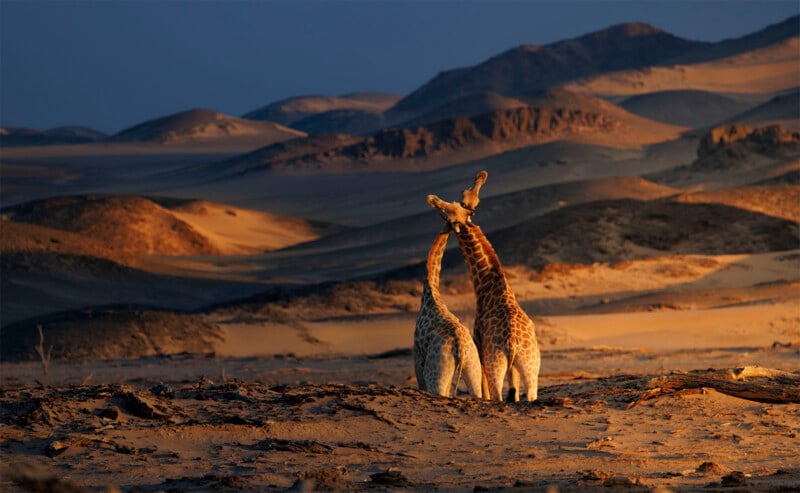
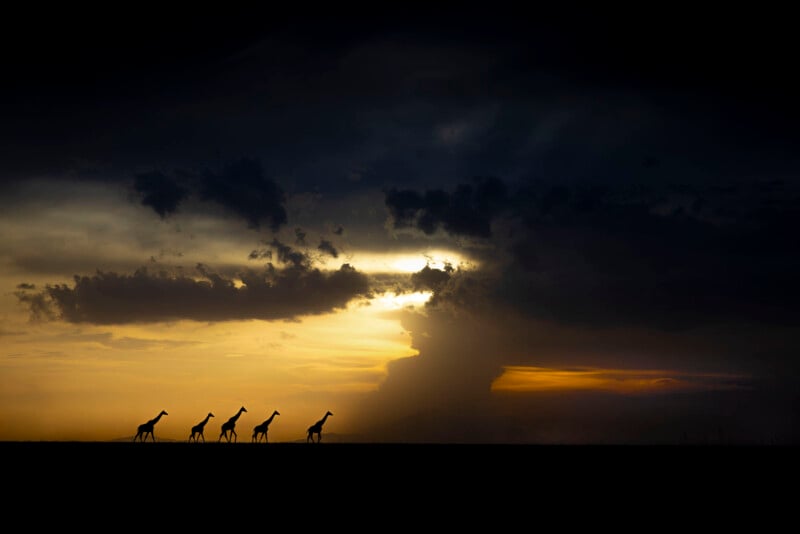
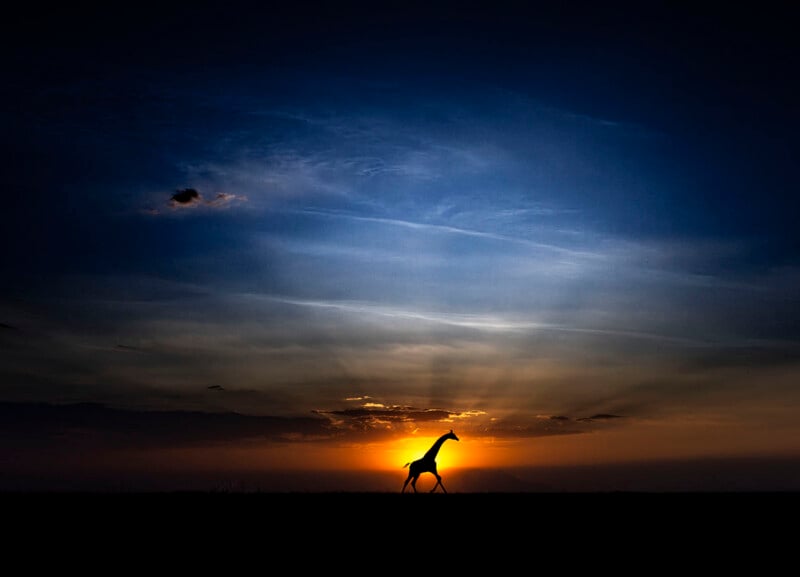
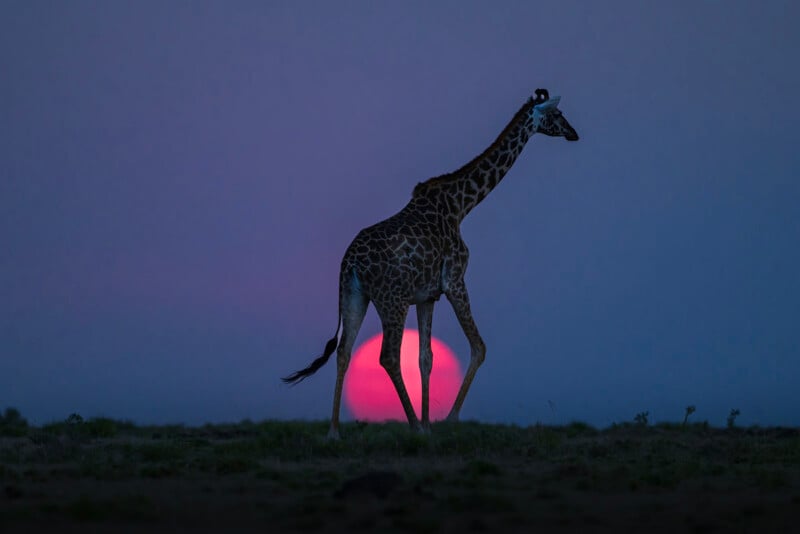
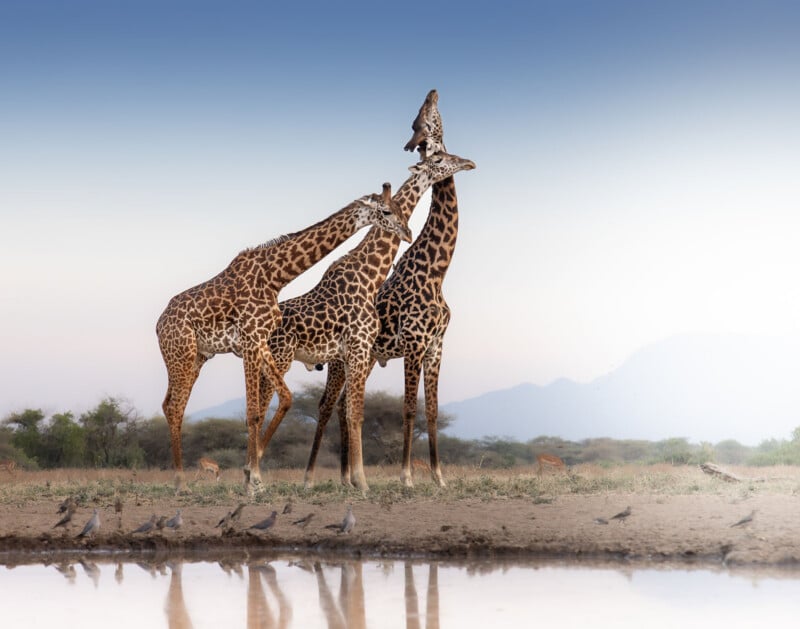
The 20 winning images represent a diverse array of perspectives, capturing the majesty and vulnerability of the world’s tallest land mammals. The selection highlights three of the four primary species of giraffe: the Masai giraffe, the Reticulated giraffe, and the South African (or Southern) giraffe. These images were selected not only for their technical proficiency but for their ability to tell a story of survival in an increasingly fragmented natural world.
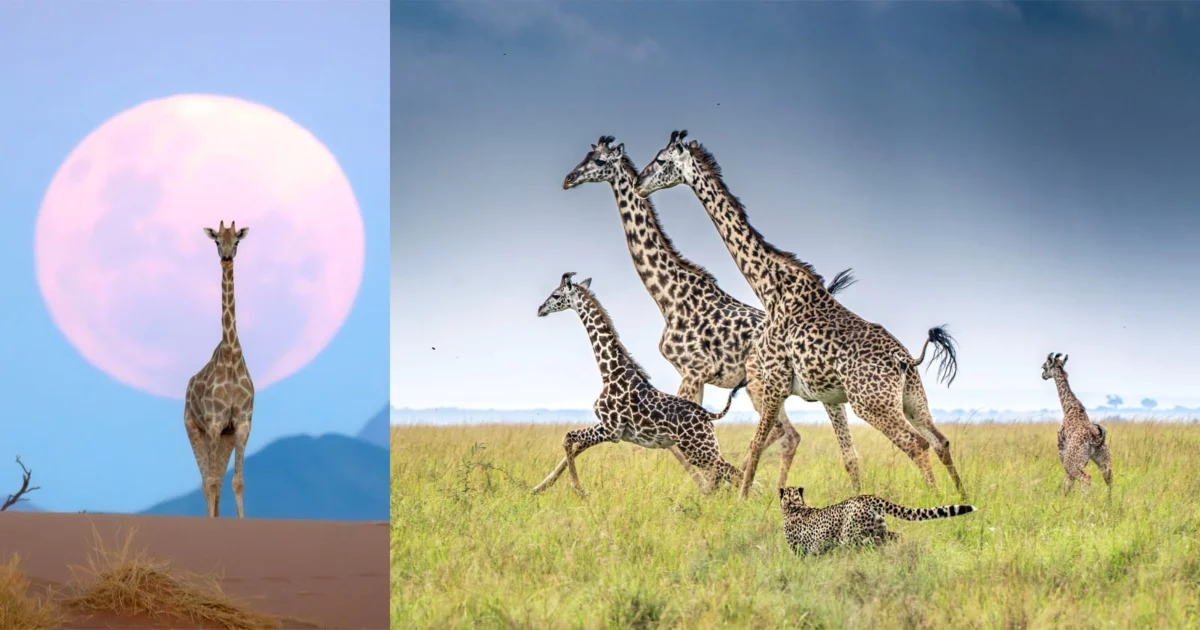
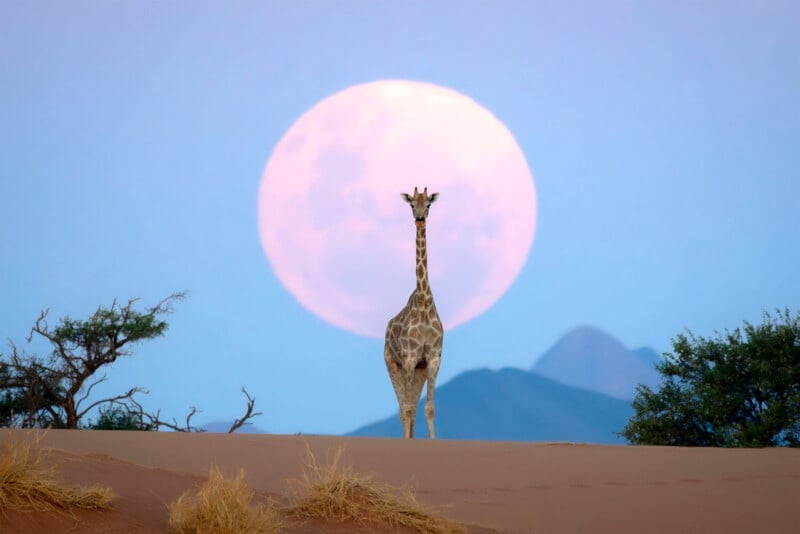
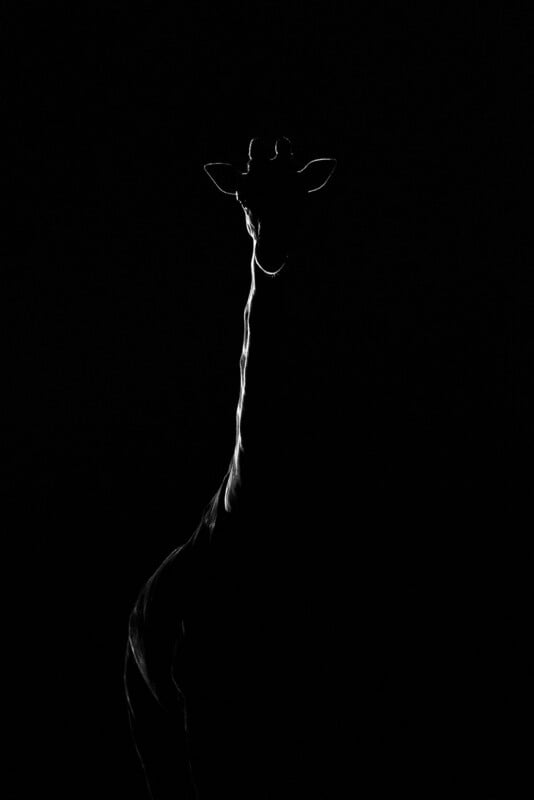
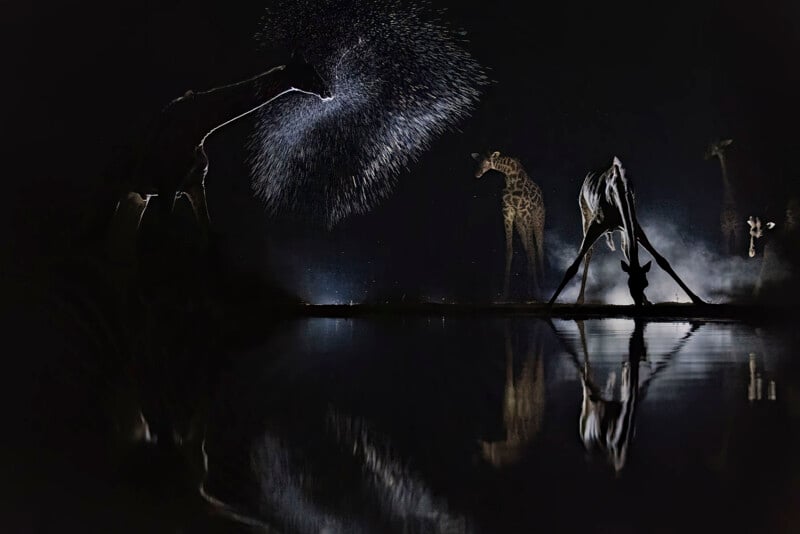
Among the standout entries is "Giraffe & Moon" by South African photographer Kyle Goetsch. Captured in the NamibRand Nature Reserve in Namibia, the image features a South African giraffe silhouetted against a massive full moon. Shot with a 600mm lens, the photograph emphasizes the scale of the animal against the celestial backdrop, highlighting the stark beauty of the Namibian desert. Similarly, "Drawn by Light" by Swiss photographer Nadine Villabruna offers a minimalist study of a Reticulated giraffe at the Solio Game Reserve in Kenya. The image uses rim lighting to trace the elegant contours of the giraffe’s neck and head against a deep black background, elevating the animal to a work of natural art.
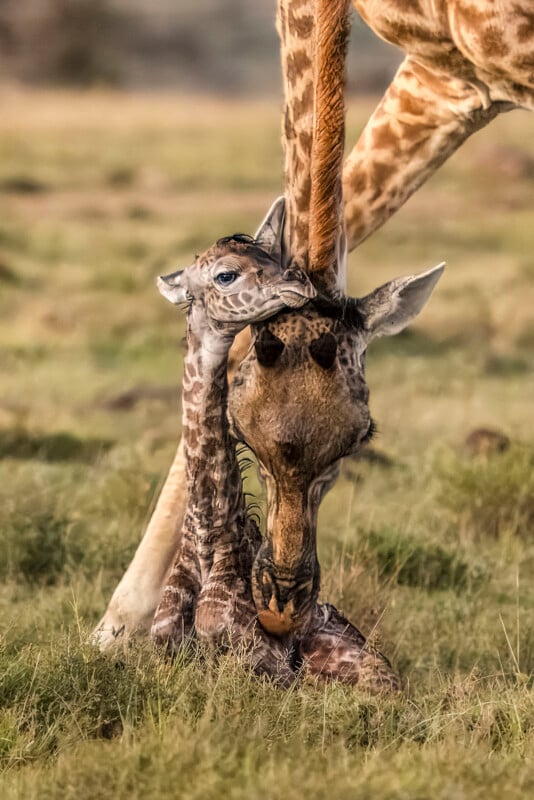
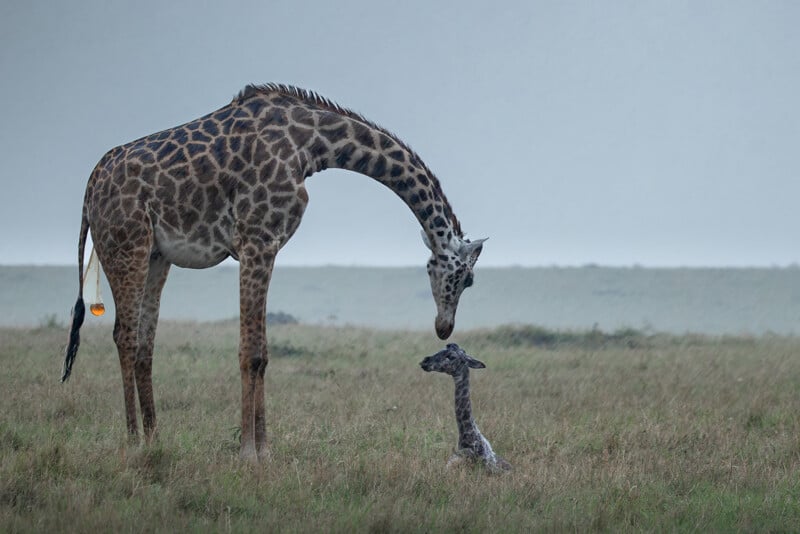
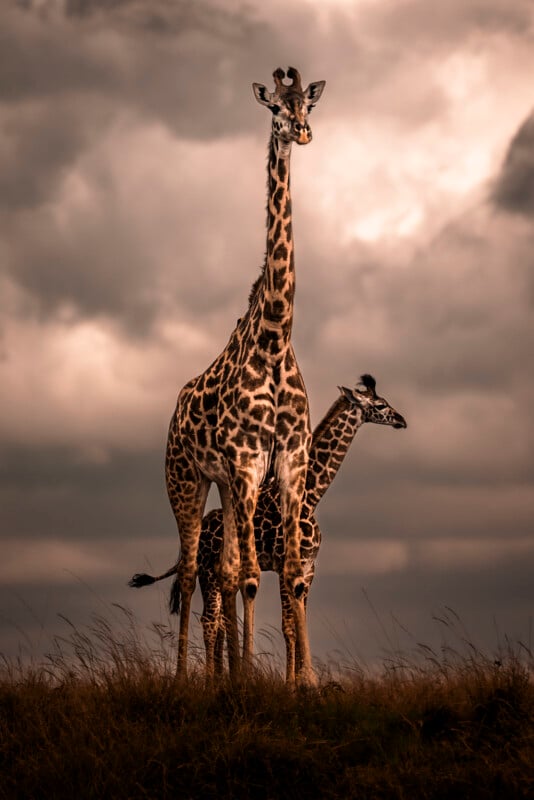
Other winners focused on the intimate social structures of giraffe herds. "A Tender Moment – Newborn Giraffe" by Eric Albright (USA) and "Under Mother’s Guidance" by Tom Way (UK) both document the early days of life for Masai giraffes in Kenya. These photographs provide a rare glimpse into the maternal bonds that are essential for the survival of calves, which are particularly vulnerable to predators such as lions and hyenas in their first months.
The Conservation Context: Addressing the "Silent Extinction"
The inclusion of these images in the Remembering Giraffes book is more than an aesthetic choice; it is a response to a dire ecological reality. While elephants and rhinos often dominate conservation headlines, giraffes have been disappearing quietly. The primary drivers of this decline are multifaceted. Habitat loss remains the most significant threat, as expanding human settlements and agricultural footprints fragment the corridors giraffes use to find food and mates.
Poaching also plays a devastating role. In some regions, giraffes are hunted for their meat, hides, and tails, which are used as status symbols or in traditional ceremonies. Furthermore, the "Second Chance" entry by Kenyan photographer Georgina Goodwin highlights a specific and gruesome threat: poison arrows. Her winning photograph depicts wildlife veterinarians from the Kenya Wildlife Service (KWS) and Olderkesi Conservancy Rangers working frantically to treat a male Masai giraffe. The animal had been struck by a poison arrow, a common occurrence in areas where human-wildlife conflict is prevalent. The image serves as a powerful reminder of the frontline work funded by the profits of the Remembering Wildlife series.
Chronology of a Global Movement
The Remembering Wildlife project was founded by Margot Raggett MBE, a former PR professional who turned to wildlife photography and conservation after witnessing the aftermath of a poached elephant in Kenya. The project’s timeline reflects a rapid expansion of influence and fundraising capability:
- 2016: Launch of Remembering Elephants, the first book in the series. It set the model for the project: world-class photographers donating their work so that all profits could go to conservation.
- 2017–2020: The series expanded annually, covering rhinos, lions, cheetahs, and African wild dogs. Each book followed a successful crowdfunding campaign and a high-profile launch in London.
- 2021–2025: The project moved beyond African flagship species to include Remembering Great Apes, Remembering Bears, Remembering Leopards, and Remembering Tigers.
- 2026: The announcement of the 20 competition winners for Remembering Giraffes marks the beginning of the final production phase for the 11th book.
Raggett’s vision has consistently centered on the idea that the world’s best photographers can act as a collective force for good. In her reaction to the contest results, she noted that the "striking images" submitted from around the world demonstrate a global commitment to the species. The 20 winners will see their work published alongside contributions from industry legends, including Wim van den Heever and Daryl Balfour, both of whom served as judges for this year’s competition.
Technical Innovation and Storytelling in the Field
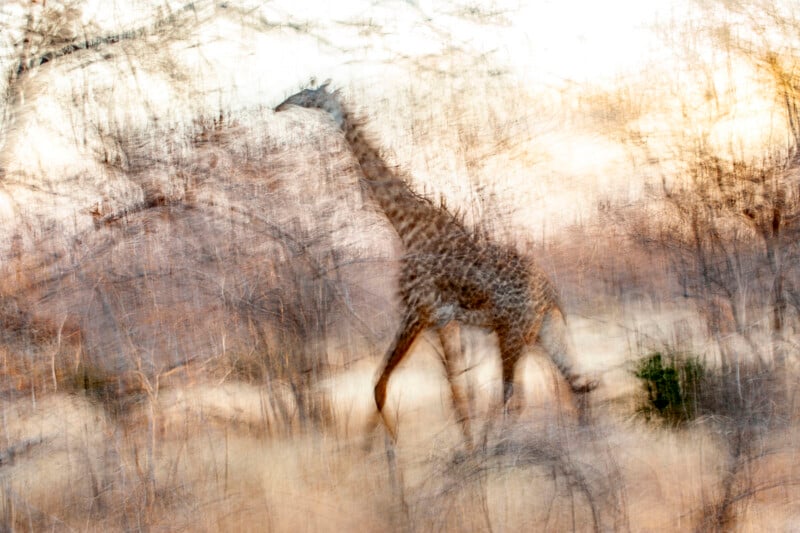
The winning photographs also showcase the evolution of wildlife photography techniques. Paul Joynson-Hicks (UK) utilized intentional camera movement and long exposure to create "A Giraffe Impression" in Tanzania’s Ruaha National Park. This abstract approach moves away from traditional documentary styles to convey the "soft and warm" essence of the giraffe in its environment.
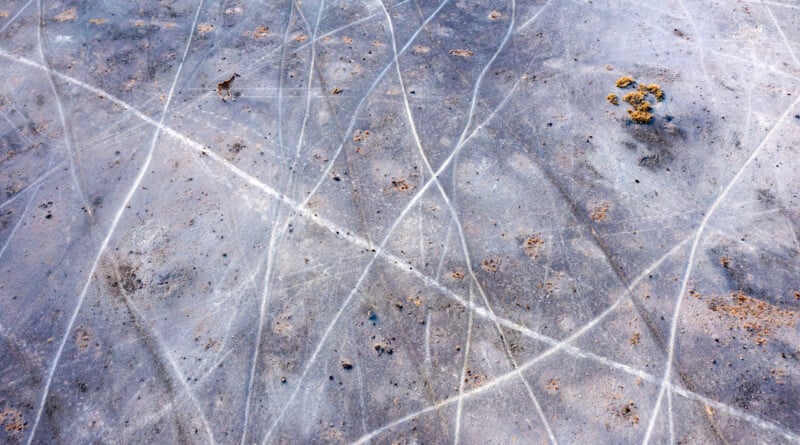
In contrast, Philip J. Briggs (Kenya) provided a modern perspective with "Tiptoeing on Nature’s Canvas," an aerial shot taken in Amboseli National Park. This top-down view transforms the parched Kenyan landscape into a graphic canvas, with the giraffe appearing as a small but vital component of a larger, fragile ecosystem. Such images are crucial for modern conservation messaging, as they help viewers visualize the scale of the landscapes that must be protected to ensure the survival of the species.
Impact Analysis and Future Implications
The publication of Remembering Giraffes is expected to have a tangible impact on field operations. The $1.64 million already raised by the series has been used to fund a wide range of interventions, from anti-poaching patrols and aerial surveillance to community education programs and the relocation of at-risk animals.
For giraffes specifically, the funds are likely to support "collaring" operations, which allow researchers to track movement patterns and identify critical habitats. By understanding where giraffes go, conservationists can work with local governments to establish protected corridors. Additionally, the funds help support veterinary units, like the one depicted in Georgina Goodwin’s winning photo, ensuring that animals injured by snares or arrows have a fighting chance at recovery.
The broader implication of this project is the reinforcement of the "photography for conservation" model. In an era of digital saturation, Remembering Wildlife has proven that high-quality, physical books still hold significant value as both fundraising tools and educational resources. The books serve as permanent records of species that are currently in a state of flux, providing a benchmark for future generations.
As the October 12, 2026, release date approaches, the organization plans to launch a series of exhibitions and auctions featuring the winning images. These events are designed to further boost the "giraffe fund," ensuring that the 11th book in the series continues the legacy of its predecessors. For the 20 winners—hailing from countries as diverse as Poland, Switzerland, India, and Australia—the inclusion in this volume represents both a professional milestone and a contribution to a global effort to ensure that the "giants of the savanna" do not disappear from the wild.

