


On March 18, 2026, LafeberVet officially released a specialized continuing education program designed to address the critical needs of avian and exotic animal practitioners regarding behavioral health and environmental management. Titled Foraging and Enrichment, the webinar was authored by M. Scott Echols, DVM, DABVP (Avian Practice), a recognized leader in the field of avian medicine and surgery. The program has been formally reviewed and approved by the American Association of Veterinary State Boards (AAVSB) Registry of Approved Continuing Education (RACE) program. This accreditation grants one hour of continuing education (CE) credit to licensed veterinarians and veterinary technicians across jurisdictions that recognize RACE standards, signaling a significant step forward in the integration of behavioral science into clinical veterinary practice.
The release of this educational module comes at a time when the veterinary community is increasingly focusing on "holistic welfare," a concept that extends beyond the absence of disease to include the fulfillment of psychological and species-specific biological needs. By focusing on the dual pillars of foraging and environmental enrichment—specifically the application of ultraviolet (UVB) radiation and light—Dr. Echols provides a framework for clinicians to improve the quality of life for captive species that often suffer from boredom-related pathologies and metabolic deficiencies.
The Evolution of Veterinary Continuing Education and RACE Standards
The American Association of Veterinary State Boards established the RACE program to simplify the process for veterinary professionals to identify high-quality educational opportunities. For a program to receive RACE approval, it must undergo a rigorous peer-review process to ensure that the content is scientifically sound, free from commercial bias, and relevant to the practice of veterinary medicine. The approval of the Foraging and Enrichment webinar underscores the clinical relevance of behavioral management.
Historically, veterinary CE focused heavily on pharmaceutical interventions, surgical techniques, and diagnostic imaging. However, the 2020s have seen a paradigm shift toward "lifestyle medicine" for exotic pets. This shift recognizes that many of the common presentations in avian and reptilian practice—such as feather-destructive behavior, chronic egg laying, and metabolic bone disease—are direct results of environmental inadequacies. The RACE-approved status of this webinar ensures that practitioners receiving the credit are engaging with evidence-based strategies to mitigate these issues.
Scientific Foundations: The Mechanics of Foraging and Contra-freeloading
A primary focus of the webinar is the science of foraging, a behavior that occupies the majority of a wild animal’s waking hours. Dr. Echols emphasizes the concept of "contra-freeloading," a term coined by animal psychologist Glen Jensen in 1963. Contra-freeloading describes the observed behavior where animals, when given a choice between "free" food and food that requires effort to obtain, consistently choose the latter.
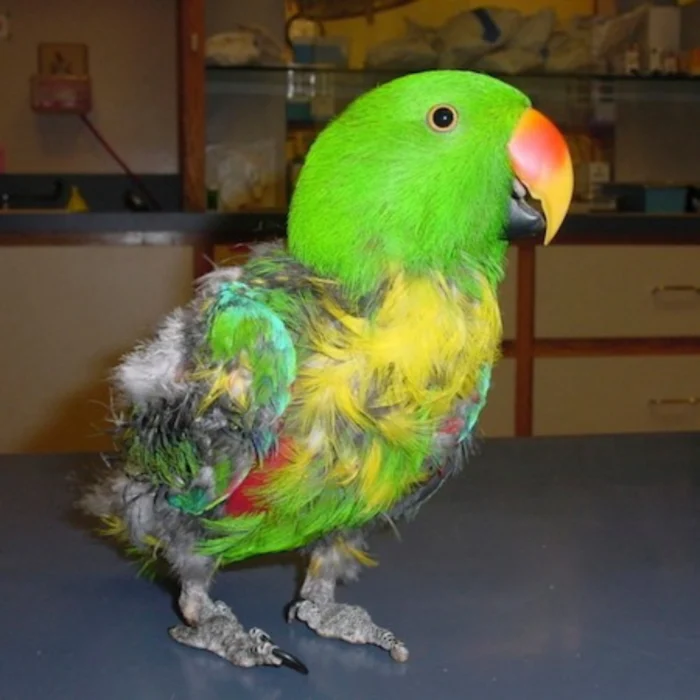
In the wild, psittacines (parrots) and other exotic species spend between 50% and 80% of their day searching for, extracting, and processing food. In a traditional captive environment, food is often provided in a bowl, requiring zero effort. This leads to a "behavioral vacuum," where the animal has an excess of time and energy but no outlet for its natural instincts. This vacuum is frequently filled by stereotypic behaviors, such as repetitive pacing, or self-mutilation, such as feather plucking.
The webinar provides a structured approach for veterinarians to teach clients how to implement foraging hierarchies. This begins with simple tasks, such as covering a food bowl with paper, and progresses to complex mechanical puzzles. By reintroducing the "work" of eating, clinicians can significantly reduce the cortisol levels of captive birds, leading to measurable improvements in immune function and overall longevity.
The Role of Ultraviolet Radiation and Light in Avian Health
Beyond the tactile and cognitive aspects of foraging, the webinar delves into the physiological necessity of ultraviolet (UV) radiation, specifically UVB (290–315 nm). The inclusion of "light" and "radiation" as keywords reflects a growing understanding of how the electromagnetic spectrum influences avian and reptilian endocrinology.
Most avian species are tetrachromatic, meaning they possess a fourth type of cone cell in their retina that allows them to see into the ultraviolet spectrum. To a bird, an environment without UV light is functionally "dim" or "colorless," which can impact their ability to identify appropriate food sources, recognize mates, and perceive social cues. Furthermore, UVB radiation is essential for the cutaneous synthesis of Vitamin D3. This vitamin is a precursor to calcitriol, the hormone responsible for calcium absorption in the gut.
Without adequate UVB exposure—either through natural sunlight or specialized artificial lighting—many captive species develop hypocalcemia. In birds, this can manifest as seizures or "binding" (the inability to pass an egg), while in reptiles, it leads to the softening of the skeletal structure known as metabolic bone disease. Dr. Echols’ curriculum provides practitioners with the data necessary to recommend specific lighting durations and intensities, moving environmental enrichment from a "recommendation" to a "prescription."
Chronology of Development and Implementation
The development of the Foraging and Enrichment webinar is the result of several years of data collection and clinical observation. The timeline of this educational shift can be traced back to the early 2000s, but it has accelerated rapidly in the mid-2020s:
- 2010–2018: Initial studies on psittacine enrichment focus primarily on toy variety and cage size.
- 2019–2022: Research into avian vision and the "UV gap" in indoor housing gains traction in peer-reviewed literature.
- 2023: Leading veterinary organizations begin calling for more standardized "Wellness Plans" for exotic species that include behavioral assessments.
- 2025: Dr. M. Scott Echols and LafeberVet begin the development of a digital-first CE platform to reach a global audience of practitioners.
- March 18, 2026: The webinar is officially launched following AAVSB RACE approval, offering a multi-language interface (English, French, and Spanish) to ensure global accessibility.
Supporting Data and Clinical Implications
The necessity for such a program is backed by sobering statistics within the pet industry. According to data from the American Pet Products Association (APPA) and various veterinary surveys, exotic pets—including birds, reptiles, and small mammals—now make up approximately 12% to 15% of the pet population in North America. However, these species have a significantly higher rate of "preventable" medical conditions compared to dogs and cats.
Internal clinical audits from avian-exclusive practices suggest that up to 70% of medical visits are for conditions rooted in poor husbandry. For example, feather-destructive behavior (FDB) is cited as one of the most common reasons for the relinquishment of parrots to shelters. Research indicates that when a structured foraging and lighting protocol is implemented, the incidence of FDB can decrease by as much as 40% in certain species, such as African Grey parrots and Cockatoos.
Furthermore, the data regarding light exposure is compelling. A study on captive reptiles showed that providing species-appropriate UVB gradients increased the successful hatching rate of eggs by 25% and reduced the incidence of juvenile rickets by nearly 60%. By providing this data to veterinarians through the webinar, LafeberVet is enabling a shift from reactive medicine (treating the symptom) to proactive medicine (optimizing the environment).
Official Responses and Professional Impact
The veterinary community has responded positively to the launch. Statements from avian practitioners suggest that having a RACE-approved resource on enrichment helps "legitimize" behavioral advice in the eyes of the client. When a veterinarian can cite a formal educational program and provide a structured plan, client compliance increases.
"The challenge in exotic medicine has always been the translation of wild biology into a living room setting," noted one veterinarian in a feedback forum. "Dr. Echols’ work bridges that gap by providing actionable, science-based steps that don’t just tell us ‘birds need toys,’ but explain the metabolic and neurological ‘why’ behind environmental complexity."
The inclusion of a post-test with a three-attempt limit ensures that the credit is not merely a "participation trophy" but a validation of knowledge. This rigorous approach to CE is expected to raise the bar for exotic animal care standards globally.
Broader Impact and Future Outlook
The implications of the Foraging and Enrichment program extend beyond the individual clinic. As more veterinarians become proficient in these strategies, there is a ripple effect on the pet manufacturing and retail sectors. Increased demand for scientifically backed lighting and foraging devices encourages manufacturers to produce higher-quality products that meet the biological needs of animals rather than just aesthetic preferences of owners.
Moreover, the webinar serves as a template for future modules. The keywords—foraging, light, radiation, ultraviolet, UVB—represent just the beginning. Future iterations of the program are expected to explore topics such as acoustic enrichment, olfactory stimulation, and social dynamics in multi-species households.
In conclusion, the launch of the Foraging and Enrichment webinar by Dr. M. Scott Echols on March 18, 2026, represents a pivotal moment in the professionalization of animal welfare within the veterinary field. By combining the rigors of AAVSB RACE accreditation with the practicalities of daily exotic practice, LafeberVet is providing clinicians with the tools necessary to combat the "silent epidemics" of boredom and malnutrition in captive species. As the veterinary profession continues to evolve, the integration of behavioral health and environmental science will remain a cornerstone of modern, compassionate, and effective animal care.

