


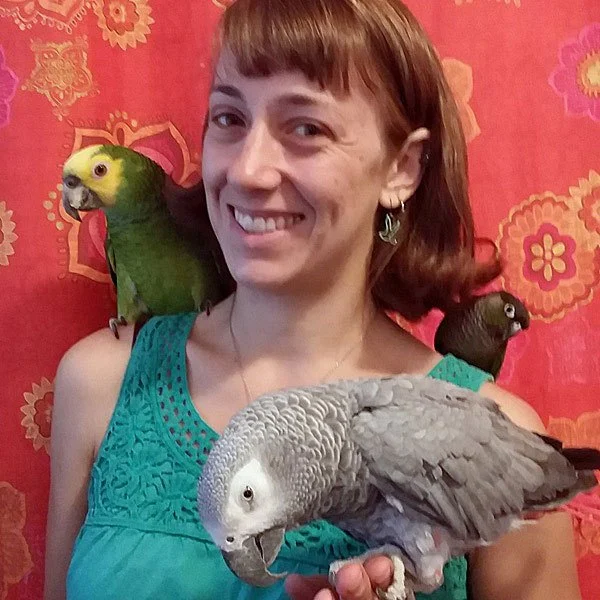
A critical educational event for avian enthusiasts and veterinary professionals alike is set to unfold on Friday, April 10, 2026, as Dr. Stephanie Lamb spearheads the "Avian Vet Insider" webinar series with its first installment dedicated to the intricate and often distressing topic of Avian Neoplasia. Scheduled for 12:00 p.m. Pacific Standard Time, with attendees strongly advised to utilize a provided time zone converter to align with their local schedules, this webinar promises an in-depth exploration of avian cancer, ranging from benign dermal masses to aggressive, incurable systemic diseases. The session marks the inaugural part of a two-part series, underscoring the profound complexity and significance of neoplasia in avian health.
Understanding the Shadow of Avian Neoplasia
Neoplasia, commonly understood as cancer, represents the uncontrolled and abnormal growth of cells, leading to the formation of tumors. In avian species, this condition is a significant health concern, often presenting unique diagnostic and therapeutic challenges compared to its manifestation in mammalian counterparts. Birds, both domestic and wild, are susceptible to a wide array of neoplastic diseases, affecting various organ systems including the skin, liver, kidneys, reproductive organs, and hematopoietic system. The term "neoplasia" itself is broad, encompassing both benign growths, which are non-cancerous and typically localized, and malignant cancers, which can invade surrounding tissues and metastasize to distant sites, posing a severe threat to the bird’s life.
The prevalence of neoplasia in birds is difficult to ascertain precisely due to varied reporting methods and the often-subtle nature of early symptoms. However, necropsy studies and veterinary clinical data consistently indicate that cancer is a common cause of morbidity and mortality in pet birds, particularly as they age. Certain species, such as budgerigars (melopsittacus undulatus), cockatiels (nymphicus hollandicus), and various Amazon parrot species (amazona spp.), appear to have a higher predisposition to specific types of tumors. For instance, budgerigars are frequently diagnosed with renal adenocarcinomas and lipomas, while cockatiels may be prone to reproductive tumors. These species-specific tendencies highlight the need for targeted research and specialized veterinary knowledge.
The emotional toll on pet bird owners facing a cancer diagnosis for their avian companions is substantial. Unlike more common ailments, cancer often requires extensive diagnostic workups, potentially invasive treatments, and long-term palliative care, all of which can be emotionally and financially demanding. The webinar aims to equip owners and veterinary professionals with the knowledge to better understand, identify, and manage these challenging cases, fostering improved outcomes and quality of life for affected birds.
Dr. Stephanie Lamb: A Guiding Voice in Avian Medicine
Leading this crucial discussion is Dr. Stephanie Lamb, a highly respected figure in the field of avian veterinary medicine. While specific biographical details for Dr. Lamb beyond her role in this webinar are not provided in the original announcement, her selection as a speaker for the "Avian Vet Insider" series on such a specialized and critical topic strongly implies a deep well of expertise, extensive clinical experience, and a commitment to advancing avian health education. It is reasonable to infer that Dr. Lamb is a board-certified avian veterinarian or possesses significant specialized training and a robust practice focused on avian and exotic animal medicine. Her ability to navigate both common and rare manifestations of avian neoplasia suggests a comprehensive understanding derived from years of dedicated study and practical application.
"The landscape of avian oncology is complex and constantly evolving," Dr. Lamb is expected to emphasize. "My goal for this two-part series is to demystify avian neoplasia, providing practical, actionable insights for pet bird owners and veterinarians. We will delve into the various forms cancer can take in birds, discuss diagnostic approaches, and explore management strategies. It’s a heavy topic, but understanding it is the first step toward better care for our feathered friends." Her approach is anticipated to blend scientific rigor with empathetic guidance, acknowledging the profound bond between owners and their birds.
The "Avian Vet Insider" Series: A Platform for Advanced Learning
The "Avian Vet Insider" webinar series, likely organized by a prominent entity in avian health such as Lafeber Company (inferred from the article’s source URL, lafeber.com), serves as an invaluable educational platform. These webinars are designed to bridge the gap between cutting-edge veterinary research and practical application, offering insights from leading experts directly to pet bird owners and veterinary practitioners. The series typically covers a wide range of topics pertinent to avian health, nutrition, behavior, and disease management, reflecting a commitment to elevating the standard of care for pet birds.
The decision to dedicate a two-part series to avian neoplasia underscores the topic’s vastness and the necessity for thorough coverage. A single session would be insufficient to adequately address the myriad forms of cancer, diagnostic methodologies, treatment modalities, and the specific challenges associated with different avian species. By dividing the subject, the series allows for a more detailed examination of each facet, ensuring that participants receive a comprehensive and digestible understanding. Part 1 will likely lay the foundational knowledge, covering common types, initial diagnostic steps, and perhaps benign versus malignant differentiation, while Part 2 (scheduled for a later date) will delve into more advanced topics such as specific treatment protocols, prognosis, and palliative care.
A representative from the organizing body, perhaps Lafeber Company, might state, "Our ‘Avian Vet Insider’ series is founded on the principle of accessible, high-quality education. The topic of avian neoplasia is incredibly important, yet often daunting. By bringing Dr. Stephanie Lamb’s expertise to a global audience, we aim to empower owners and veterinarians with the knowledge to face these challenges proactively and compassionately, ultimately improving the lives of countless birds."
Chronology of an Essential Event

The announcement of "Avian Neoplasia, Part 1" for April 10, 2026, positions it as a forward-looking educational initiative. While the specific date of the announcement for the webinar is not provided, its present dissemination indicates a period of preparation and anticipation leading up to the event. The choice of 2026 allows ample time for promotion, registration, and for attendees to clear their schedules. The future date also provides an opportunity for continued research and updates in the field of avian oncology, ensuring the content presented is as current and relevant as possible.
The webinar’s timing at 12:00 p.m. PST is strategically chosen to accommodate a broad audience across various time zones, particularly within North America. The explicit inclusion of a time zone converter link is a thoughtful detail, acknowledging the global reach of online educational events and minimizing potential confusion for international participants. This planning ensures maximum accessibility for a diverse group of attendees, from experienced avian veterinarians in New York to dedicated pet bird owners in London or Sydney.
The subsequent "Part 2" of the series, though without a specified date, signifies a logical progression. It implies a continuation of the learning journey, building upon the foundational knowledge imparted in the first session. This structured approach allows participants to absorb complex information incrementally, fostering a deeper and more robust understanding of avian neoplasia.
Supporting Data and Diagnostic Challenges
Avian neoplasia presents a complex diagnostic puzzle for veterinarians. Unlike mammals, birds often mask signs of illness until the disease is significantly advanced, a survival instinct that complicates early detection. Symptoms can be non-specific, ranging from subtle changes in behavior, appetite, or droppings, to more obvious signs like palpable masses, weight loss, difficulty breathing, or lameness.
Diagnostic modalities typically include a thorough physical examination, radiography (X-rays), ultrasonography, endoscopy, and advanced imaging techniques such as CT scans or MRIs, though these are often limited by equipment availability and cost. Cytology (microscopic examination of cell samples) and histopathology (microscopic examination of tissue biopsies) remain the gold standard for definitive diagnosis and differentiation between benign and malignant tumors. However, obtaining adequate, non-traumatic samples from small, delicate avian patients can be challenging, requiring specialized skills and equipment.
Recent data from veterinary oncology centers indicates that reproductive tract tumors (e.g., ovarian, oviductal adenocarcinomas), renal tumors, and various skin tumors (e.g., papillomas, fibrosarcomas, xanthomas) are among the most frequently diagnosed in pet birds. Lymphomas and leukemias, affecting the hematopoietic system, also represent a significant portion of avian cancer cases. The development of more sensitive and specific diagnostic markers, similar to those used in human and mammalian oncology, is an active area of research that promises to revolutionize early detection in birds.
Broader Impact and Implications
The implications of such a webinar extend far beyond the immediate participants. By educating a wider audience about avian neoplasia, the "Avian Vet Insider" series contributes significantly to several key areas:
- Improved Pet Bird Welfare: Enhanced owner awareness leads to earlier detection, better communication with veterinarians, and more informed decision-making regarding treatment and palliative care, ultimately improving the quality of life for birds afflicted with cancer.
- Advancement of Avian Veterinary Medicine: The sharing of expert knowledge and clinical insights fosters continued professional development among veterinarians, potentially leading to more accurate diagnoses, refined treatment protocols, and a deeper understanding of avian oncology. This can also stimulate further research into avian cancer biology, genetics, and novel therapeutic interventions.
- Strengthening the Human-Animal Bond: For many owners, a pet bird is a cherished family member. Understanding avian health challenges, including cancer, helps owners feel more prepared and capable of providing the best possible care, reinforcing the profound bond they share with their birds.
- Promoting Responsible Pet Ownership: Education on serious health issues like cancer encourages prospective and current bird owners to consider the long-term commitment and potential challenges associated with avian companionship, fostering more responsible and prepared pet ownership.
- Data Collection and Research: Increased awareness and accurate diagnosis contribute to better epidemiological data on avian cancer, which is vital for research into causes, genetic predispositions, and the development of targeted prevention and treatment strategies.
The webinar also subtly highlights the growing recognition of exotic animal medicine as a vital and complex specialty within the broader veterinary field. As more households welcome avian companions, the demand for specialized knowledge and care continues to rise, making events like the "Avian Vet Insider" series indispensable.
Engagement and Preparation for Attendees
For those considering attending, preparation is key to maximizing the educational experience. Participants are encouraged to review the webinar topic, perhaps jot down any specific questions they have regarding avian neoplasia in their own birds or general concerns. While the webinar will cover a broad spectrum, active engagement through questions (often submitted via a Q&A feature during live webinars) can enrich the discussion for everyone.
The inclusion of the time zone converter link is a practical reminder of the logistical considerations for a global audience. Double-checking local time is crucial to ensure prompt attendance and avoid missing any part of the valuable presentation. Given the sensitive nature of the topic, a quiet and focused environment for viewing the webinar is also recommended. It is common for such webinars to be recorded and made available for later viewing to registered participants, providing an opportunity to revisit complex information or catch up if the live session was missed.
Ultimately, "Avian Vet Insider – Avian Neoplasia, Part 1" is poised to be a landmark event in avian health education. It promises to illuminate a challenging and often heartbreaking aspect of pet bird ownership, offering hope through knowledge and empowering a community dedicated to the well-being of avian species. The collaborative effort of experts like Dr. Stephanie Lamb and platforms like the "Avian Vet Insider" series ensures that the care for our feathered companions continues to evolve and improve.

