


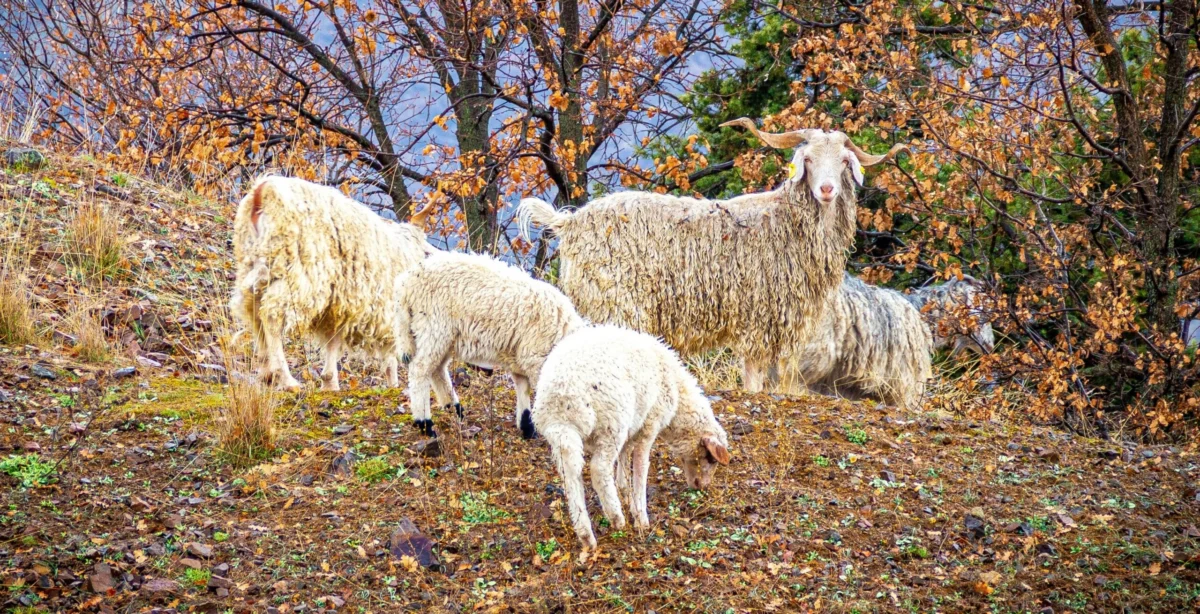
In a significant shift for the global fashion and textile industries, retail giants Macy’s and the TJX Companies—the parent corporation of T.J. Maxx, Marshalls, and HomeGoods—have officially announced a ban on the sale of mohair products across their global operations. The decision follows years of mounting pressure from animal rights organizations and the release of several undercover investigations that documented systemic cruelty within the mohair supply chain. By joining a growing list of hundreds of international brands, these major department stores have signaled a turning point in the commercial viability of mohair, a luxury fiber derived from the hair of Angora goats.
The movement to eliminate mohair from retail shelves gained momentum after People for the Ethical Treatment of Animals (PETA) presented corporate executives with evidence of animal suffering in South Africa and Lesotho, regions that collectively produce the vast majority of the world’s mohair supply. The investigations revealed that even facilities certified under industry-led welfare standards were frequently sites of violent handling and neglect. As consumer demand for ethical transparency increases, the exit of Macy’s and TJX from the mohair market represents a substantial loss for the industry and a victory for animal welfare advocates.
The Mohair Supply Chain and the South African Monopoly
To understand the impact of these retail bans, one must look at the geography of mohair production. South Africa is the world’s leading producer of mohair, accounting for approximately 50 percent of the global market. The industry is centered in the Eastern Cape province, where the climate is conducive to raising Angora goats. Lesotho, a landlocked kingdom surrounded by South Africa, is also a significant contributor to the global supply.
Mohair is prized in the fashion industry for its luster, durability, and ability to take dyes. It is commonly used in high-end knitwear, winter accessories, and upholstery. However, the biological nature of the Angora goat makes the shearing process particularly high-risk. Unlike sheep, Angora goats do not have a layer of body fat to protect them from the elements once their thick coats are removed. Furthermore, they are highly sensitive to changes in temperature and physiological stress.
The PETA investigations focused on the inherent risks of the shearing process. Because shearers are often paid by the volume of hair collected rather than by the hour, speed is prioritized over animal safety. The footage released by investigators showed workers pinning goats down, sometimes causing the animals to struggle in terror. In the rush to complete the shearing, goats frequently sustained deep gashes and wounds. The investigation further alleged that these wounds were often sewn up crudely without the use of anesthesia.
The Failure of the Responsible Mohair Standard
In response to earlier reports of cruelty, the textile industry introduced the Responsible Mohair Standard (RMS). This certification was designed to provide a "chain of custody" and ensure that goats were treated humanely, with specific guidelines regarding shearing practices, health management, and slaughter. Many brands initially relied on the RMS to justify continued sales of the fiber.
However, PETA’s 2024 findings cast serious doubt on the efficacy of these certifications. Undercover footage reportedly taken at RMS-certified farms showed goats being handled with the same level of aggression documented in uncertified facilities. Critics of the standard argue that the vast, rural nature of goat farming makes consistent oversight nearly impossible. Third-party audits are often scheduled in advance, allowing farm managers to ensure compliance only during the window of inspection.
The decision by Macy’s and TJX to implement a total ban suggests that these corporations no longer view the RMS as a sufficient safeguard against reputational risk. In the modern retail landscape, "humane-washing"—the practice of using misleading labels to suggest animal products are cruelty-free—has become a major liability. By opting for a total ban rather than relying on certification, these retailers are acknowledging the inherent difficulty of producing mohair humanely on a mass-industrial scale.
Chronology of the Anti-Mohair Movement
The decline of the mohair industry in mainstream fashion can be traced back to a series of pivotal events over the last decade:
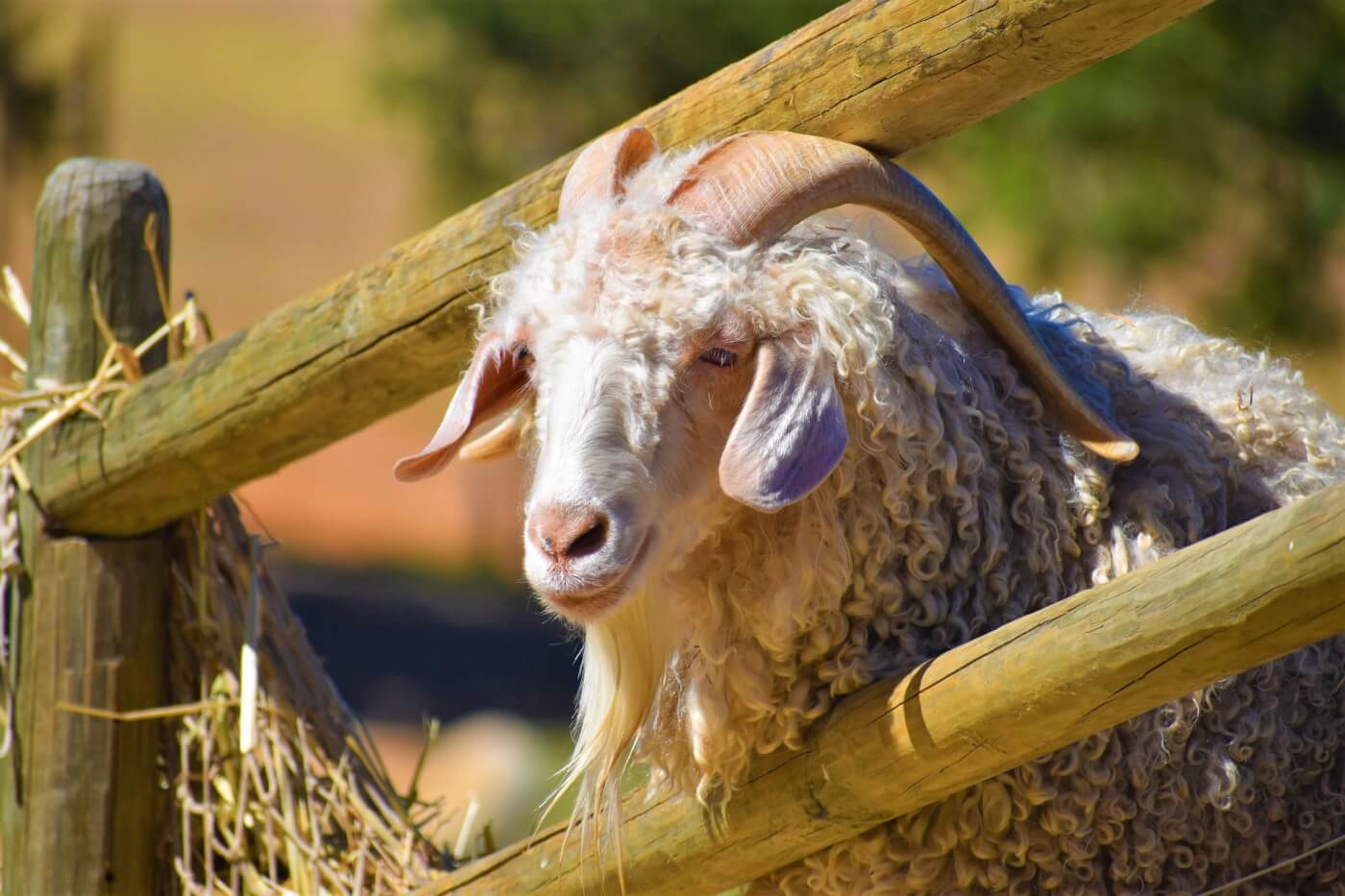
- 2018: The First Wave of Bans. PETA Asia released its first major expose on the South African mohair industry. This led to an immediate reaction from the H&M Group, Zara (Inditex), and the Gap Inc. brands, all of which committed to phasing out the fiber.
- 2019–2020: Industry Standards Emerge. In an attempt to save the market, industry stakeholders launched the Responsible Mohair Standard. Some brands, including H&M, later controversially announced they would resume sourcing mohair if it met these new standards.
- 2021–2023: Expansion of the Ban. A second wave of retailers, including UNIQLO, Ralph Lauren, and Calvin Klein, implemented permanent bans as more evidence of shearing-related mortality surfaced.
- 2024: The Macy’s and TJX Commitment. Following the latest round of investigations in Lesotho and South Africa, Macy’s and TJX joined the movement, effectively removing mohair from thousands of storefronts across North America and Europe.
Economic and Market Implications
The withdrawal of major American retailers like Macy’s and TJX is expected to have a ripple effect through the textile markets of the Southern Hemisphere. For decades, mohair was a stable export for South Africa, providing livelihoods for thousands of farmers and farmworkers. However, the shift in corporate social responsibility (CSR) policies in the West is forcing a diversification of the South African agricultural sector.
Market analysts suggest that the "vegan fashion" movement is no longer a niche trend but a dominant force in the industry. The global market for synthetic and plant-based luxury fibers is projected to grow significantly as brands look for alternatives that offer the same aesthetic qualities as mohair without the ethical baggage. Materials such as high-quality recycled polyester, Tencel, and organic cotton are increasingly being used to mimic the "halo" effect of mohair in knitwear.
Furthermore, the financial sector is increasingly weighing ESG (Environmental, Social, and Governance) scores when evaluating retail stocks. Companies that are seen as slow to react to animal welfare scandals may face divestment from large institutional investors. For Macy’s and TJX, the ban is as much a financial decision as it is an ethical one, aimed at securing the loyalty of younger consumers—specifically Gen Z and Millennials—who prioritize animal rights in their purchasing decisions.
The Biological and Social Reality of Angora Goats
Beyond the corporate boardrooms, the core of the issue remains the welfare of the animals themselves. Angora goats are highly social and intelligent creatures. Studies in animal behavior have shown that goats form complex social hierarchies and can recognize individual humans and other goats. They are also known for their vocalizations; mother goats and their kids can identify each other’s unique bleats within days of birth.
In the mohair industry, this social structure is often disrupted. Kids are typically sheared for the first time at just four months of age. Because their hair is the softest, "kid mohair" fetches the highest prices, but the young animals are also the most vulnerable to the stress of shearing. When the goats’ hair quality begins to decline as they age—usually around five or six years—they are considered "spent" and are typically sold for meat or slaughtered. Given that the natural lifespan of a goat can exceed ten years, the industry’s economic model necessitates a premature end for the animals.
The H&M Controversy and Future Outlook
While hundreds of brands have moved away from mohair, the industry remains focused on H&M. The Swedish fast-fashion giant originally banned mohair in 2018 but reinstated it in 2020, claiming that the Responsible Mohair Standard provided enough protection. PETA and other advocacy groups have intensified their campaigns against H&M, citing the recent investigation as proof that the "responsible" labels are failing.
The decision by Macy’s and TJX puts additional pressure on H&M and other holdouts to reconsider their positions. As the number of retailers selling mohair dwindles, the fiber may eventually be relegated to a very small, niche luxury market, or disappear from the mass market entirely.
Conclusion: A New Era for Fashion
The ban on mohair by Macy’s and TJX represents a major milestone in the evolution of ethical fashion. It reflects a growing consensus that the high-volume production of certain animal-derived fibers is fundamentally incompatible with modern welfare standards. As the fashion industry continues to grapple with its environmental and ethical footprint, the move away from mohair serves as a blueprint for how corporate policy can be influenced by grassroots advocacy and investigative transparency.
For the goats of South Africa and Lesotho, the news translates to a reduction in global demand, which advocates hope will eventually lead to a transition toward more humane agricultural practices or a complete shift to plant-based textiles. For the consumer, the message from the world’s largest department stores is clear: the future of fashion is one where style does not come at the cost of animal suffering. The "baa-bye" to mohair is not just a clever headline; it is a definitive statement on the changing values of the global marketplace.

