


The perplexing displays of a beloved pet bird, from incessant cooing and wing flapping to sudden aggression or destructive chewing, are a common dilemma for owners. While often dismissed as "moods" or "weirdness," these behaviors are frequently rooted in deeply ingrained biological processes: avian hormones. As avian veterinarian Diane Burroughs highlighted in her February 4, 2026, publication, these are not "scary" behaviors but rather a bird "being a bird," albeit one experiencing significant internal shifts. The key for owners, she notes, lies not in suppressing these natural instincts but in understanding and skillfully redirecting them to prevent fixation, frustration, and long-term welfare issues.
The Biological Imperative: Understanding Avian Reproductive Cycles
To truly grasp hormonal behavior in pet birds, it’s essential to understand their natural reproductive biology. In the wild, avian species are finely tuned to environmental cues that signal optimal breeding conditions. These cues primarily include photoperiod (daylight length), availability of food and water, presence of a suitable mate, and safe nesting sites. When these conditions align, a bird’s endocrine system ramps up, producing hormones like estrogen, testosterone, and prolactin, which drive the complex behaviors associated with courtship, mating, nesting, and raising young.
In a domestic setting, these natural triggers can become artificially amplified or misdirected. Constant access to food, stable temperatures, perceived "mates" (often human caregivers or even toys/mirrors), and dark, enclosed spaces (like cabinets or even certain toys) can inadvertently trick a bird’s body into a perpetual breeding state. This is particularly true for smaller parrot species, such as cockatiels, budgies, and conures. These species are lower on the food chain and mature quickly, often reaching sexual maturity before one year of age. Their evolutionary strategy involves frequent, rapid reproduction, meaning their bodies remain closer to a "breeding mode" for much of the year compared to larger, longer-lived parrots like macaws or cockatoos, which may not reach sexual maturity until 7-8 years of age. This physiological predisposition explains why owners of smaller parrots often report seemingly year-round hormonal tendencies.
Recognizing the Signs: What Hormonal Behavior Looks Like
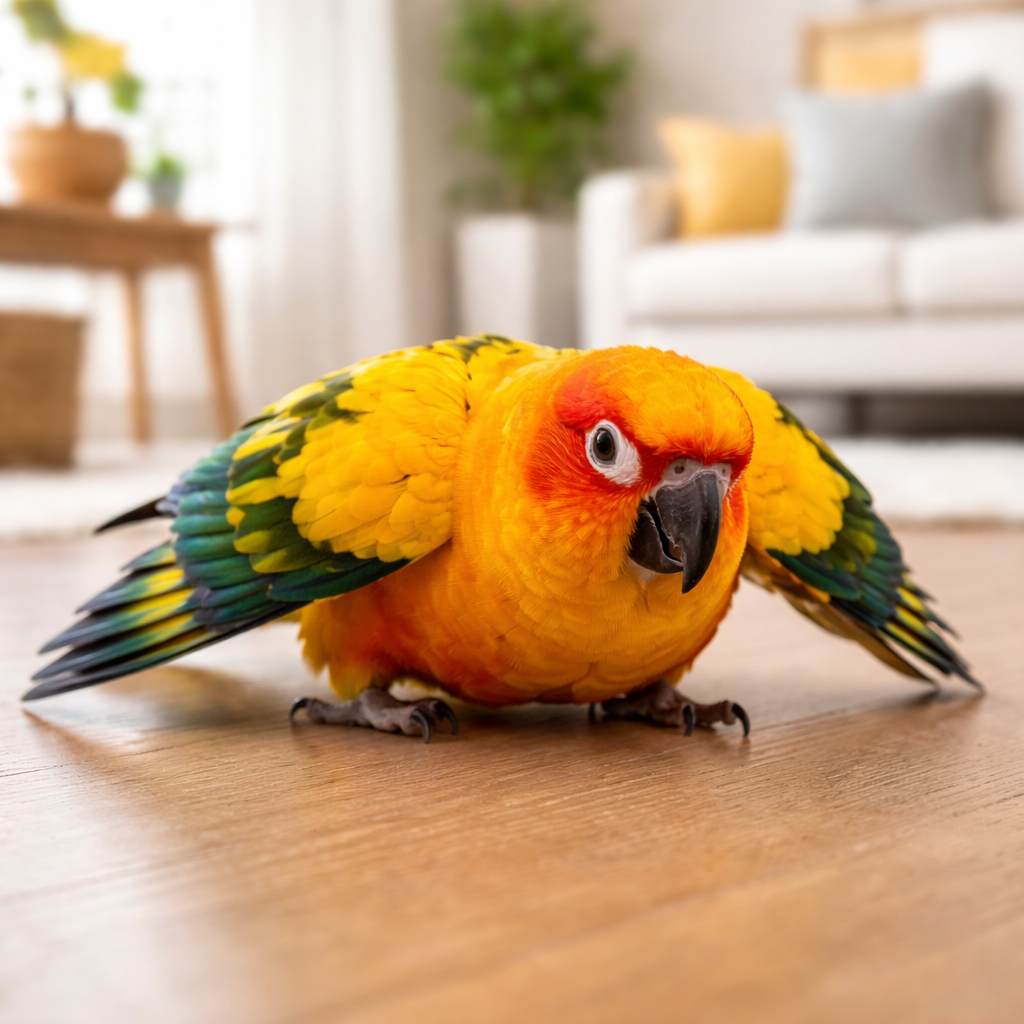
Hormonal behavior manifests in a wide array of observable actions, varying slightly by species and individual personality. For instance, the soft cooing and wing flapping observed in an eight-year-old Sun Conure, as often reported by owners, are classic indicators of heightened "big feelings." These can be accompanied by:
- Regurgitation: A bird may regurgitate food, offering it to a perceived mate (often a human, another bird, or even a favored toy). This is a natural courtship and feeding behavior for chicks.
- Increased Vocalization: Louder, more persistent calls, chirps, or squawks, sometimes specific "contact calls" to locate their perceived mate.
- Territoriality and Aggression: Birds may become extremely protective of their cage, specific perches, or even their human, showing aggression towards others who approach. Bites can become more frequent and severe.
- Nesting Behaviors: Shredding paper, fabric, or wood to create a "nest," seeking out dark, enclosed spaces (under furniture, in closets, inside certain toys), and spending extended periods in these areas.
- Feather Plucking/Mutilation: In extreme cases, chronic hormonal stress can lead to self-destructive behaviors as the bird’s nervous system struggles to cope.
- Wing Drooping and Tail Fanning: Often seen in conjunction with cooing or regurgitation, indicating a display of courtship readiness.
- Cloacal Protrusion/Rubbing: Direct physical manifestation of sexual arousal, often accompanied by rubbing against objects or a human.
It’s crucial for owners to differentiate between occasional displays during specific seasons or situations, which are normal for adult parrots, and chronic, persistent hormonal activation. The former is part of a healthy bird’s life cycle; the latter signals a problem that requires intervention.
The "Risk Threshold": When Normal Becomes Problematic
When a bird remains perpetually "switched on" hormonally, it takes a significant toll on their physical and psychological well-being. This chronic state of reproductive hyperactivity, as highlighted by clinical findings from experts like Dr. Rob Marshall and Tailai O’Brien in 2026, is a primary cause of many health complaints in pet birds.
- For Females: Chronic egg-laying can lead to serious health issues, including calcium depletion, egg binding, prolapse, and nutrient deficiencies, all of which can be life-threatening. The constant strain on their reproductive system exhausts their body.
- For Males: They can become stuck in a state of sexual frustration, leading to extreme irritability, aggression, obsessive behaviors, and a compromised immune system due to stress.
- Both Genders: The nervous system never fully settles, manifesting as persistent anxiety, fixation, stress-induced feather destructive behaviors, and a general decline in overall well-being. This can severely impact their quality of life and the human-animal bond.
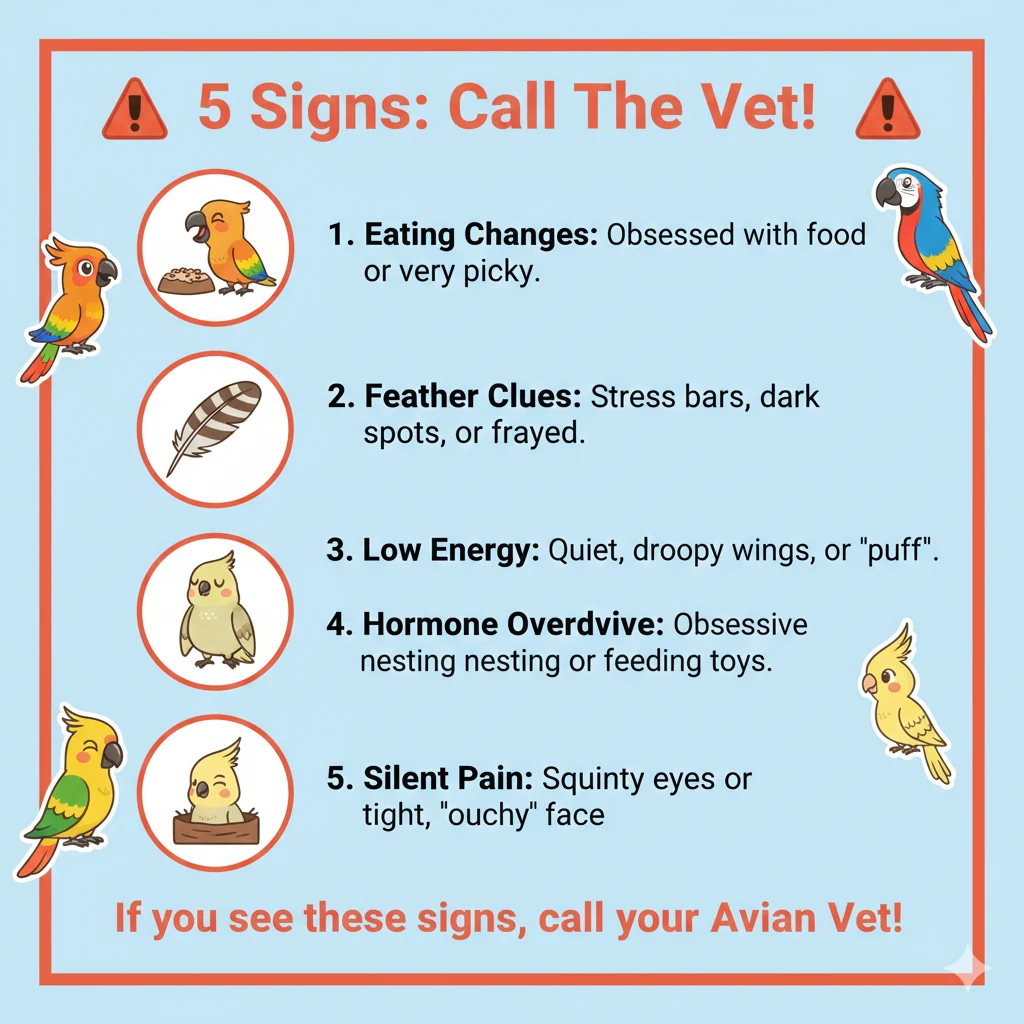
To help owners determine if their bird’s behavior has crossed the "Risk Threshold" from normal antics to a medical priority, a 5-point protocol is recommended for when to call a vet:
- Persistent Lethargy or Decreased Activity: Any significant drop in energy levels or reluctance to engage in normal activities.
- Changes in Appetite or Droppings: Refusal to eat, noticeable weight loss, or abnormal changes in the frequency, color, or consistency of droppings.
- Chronic Egg-Laying (for females) or Persistent Prolapsed Cloaca: More than one clutch per year, or any signs of physical distress related to egg production.
- Self-Mutilation or Severe Feather Destructive Behavior: Any plucking, chewing, or harming of feathers or skin that goes beyond normal preening.
- Unrelenting Aggression or Fixation: Behavior that is constant, unmanageable, and significantly impairs the bird’s social interactions or safety.
Proactive Management: Redirecting Avian Energy
The good news is that owners do not need to panic or "shut down" their bird’s natural instincts. Instead, the focus should be on redirecting that intense energy into constructive, healthy outlets. This involves a multi-faceted approach addressing environmental triggers, behavioral patterns, and mental stimulation.
-
Environmental Adjustments:
- Light Cycles: Mimic natural seasonal changes by ensuring birds receive 10-12 hours of uninterrupted darkness each night. Covering the cage early in the evening can signal to their bodies that breeding season is not perpetually active.
- Dietary Modifications: Reduce high-fat, high-sugar foods (like excessive seeds, especially sunflower and safflower) and focus on a balanced diet rich in pellets, fresh vegetables, and fruits. High-fat diets can provide the caloric reserves birds instinctively seek for breeding.
- Nesting Site Removal: Eliminate any perceived nesting opportunities. This means removing dark, enclosed spaces (e.g., Happy Huts, cozy caves, cardboard boxes, even certain toys that can be tunneled into) and limiting access to areas under furniture or in cabinets.
- Physical Contact: Limit petting to the head and neck only. Stroking a bird’s back, wings, or under the tail can be interpreted as courtship behavior, inadvertently stimulating hormonal responses.
-
Behavioral Interventions & Enrichment:
- Actively Reward Independent Behavior: Instead of inadvertently reinforcing hormonal displays with attention, actively seek out and reward moments when your bird is engaging in calm, independent activities. This could be quiet play with toys, foraging, or relaxed preening. Keep a supply of preferred treats readily available to mark these desired behaviors immediately.
- Give Their Pent-Up Energy a Natural Parrot "Job": Parrots are highly intelligent and naturally driven to forage, chew, and explore. Provide ample opportunities for these species-appropriate behaviors.
- Foraging Toys: Introduce puzzle feeders where your bird has to work to get treats. This mimics their natural foraging instincts and provides mental stimulation.
- Shreddable Toys: Offer toys made from paper, cardboard, natural fibers, or soft wood that they can safely destroy. This satisfies their instinct to chew and nest-build in a non-reproductive context.
- Training and Learning: Engage your bird in positive reinforcement training. Teaching tricks, target training, or even simple step-up commands provides mental engagement and strengthens the human-bird bond without sexual overtones. It channels their intelligence and energy productively.
It is crucial to "start where your bird can succeed." If a bird becomes overstimulated outside the cage, begin these activities inside the cage first. Once they demonstrate calmness and engagement in that familiar environment, gradually introduce them to a play stand or training perch.
Common Missteps and Assumptions to Avoid
Many well-meaning owners inadvertently exacerbate hormonal issues through common mistakes:
- Unintentional Reinforcement: Any attention, whether positive or negative (scolding, trying to physically stop a behavior), can be perceived as a reward by a bird seeking engagement. If a hormonal display reliably leads to interaction, the bird’s brain labels it as successful.
- Assuming it Will "Burn Itself Out": Hormonal energy rarely dissipates on its own. If a parrot doesn’t learn where to channel that energy, it often escalates, manifesting in louder, more persistent, or even destructive ways.
- Ignoring the Underlying Biological Drive: Dismissing hormonal behavior as "bad" or "spiteful" ignores the powerful biological forces at play. Birds are not acting out of malice but out of instinctual drives they cannot control without guidance.
- Punishment: Yelling, tapping the beak, or cage rattling are counterproductive. They erode trust, increase stress, and can lead to fear-based aggression or further behavioral problems.
The significance of these factors is often underestimated. A bird constantly keyed up and unable to settle is exhausted. Positive reinforcement, in this context, is not merely "training tricks"; it’s teaching your bird which behaviors help their body calm down. Every time calm chewing, foraging, quiet play, or relaxed preening is rewarded, the bird’s nervous system learns a new, healthier default.
The Power of Positive Reinforcement: Making Learning Clear
Effective positive reinforcement for managing hormonal behavior hinges on clarity and timing. Treats should immediately follow the desired, calm behavior. Owners should get into the habit of always having preferred treats readily available in a pocket or treat pouch, then intentionally observing for natural, non-hormonal parrot behaviors.
- Immediate Reward: The treat must be delivered within 1-2 seconds of the desired behavior. This direct link helps the bird understand precisely what action earned the reward.
- High-Value Treats: Use treats that your bird absolutely loves but rarely gets otherwise. This increases the motivation to repeat the desired behavior.
- Varied Rewards: Don’t just use food. Verbal praise, a favorite toy, or a gentle head scratch (if appropriate and not stimulating) can also serve as rewards.
- Consistency: All household members should follow the same protocol to ensure consistent messaging to the bird.
This consistent, positive approach helps the bird’s brain associate calm, independent behaviors with positive outcomes, gradually shifting their focus away from hormonal fixations.
Broader Implications for Pet Bird Welfare
The challenge of managing hormonal behavior underscores several critical aspects of responsible pet bird ownership and broader avian welfare:
- Education is Paramount: Many owners acquire birds without a full understanding of their complex biological and behavioral needs. Accessible, accurate information like that provided by Diane Burroughs is vital to prevent misunderstanding and neglect.
- Preventing Surrender and Rehoming: Unmanaged hormonal behaviors, especially aggression or chronic egg-laying, are common reasons birds are surrendered to rescues or rehomed. Effective management strategies can significantly improve the chances of a successful, long-term human-bird bond.
- Need for Specialized Veterinary Care: Avian veterinary medicine is a specialized field. Owners need access to veterinarians knowledgeable in avian physiology and behavior to diagnose underlying medical issues and provide tailored advice for managing hormonal conditions.
- Ethical Breeding and Sourcing: Understanding the biological drivers behind hormonal behavior also highlights the responsibility of breeders to ensure birds are healthy and well-socialized, and to educate new owners thoroughly.
Bottom Line: A Path to Healthier Co-existence
In conclusion, a bird exhibiting intense hormonal behaviors isn’t being "bad" or defiant; their body is in a state of stress that they cannot inherently control. Chronic hormonal behavior rarely resolves on its own and, as clinical findings attest, often leads to deeper health issues. By consistently rewarding calm, independent behavior and diligently removing or modifying environmental triggers that "feed" the hormonal display, owners can empower their birds to settle into a lifestyle that is healthier for their physical and mental well-being, and ultimately, much more livable and harmonious for both bird and owner. It is an ongoing commitment to understanding, empathy, and informed action that fosters a truly enriched life for these intelligent and sensitive companions.

