


The crimson-bellied conure, scientifically known as Pyrrhura perlata, represents a vibrant and engaging avian species, increasingly recognized for its distinctive appearance and charming personality. Often described as clownish yet deeply affectionate, this small parrot species offers a unique companionship experience for dedicated owners willing to undertake a long-term commitment. Before welcoming one of these captivating birds into a household, prospective owners are advised to conduct thorough research into their origins, natural behaviors, and specific care requirements to ensure a thriving environment for these intelligent creatures.
Taxonomy and Origin: Unraveling Pyrrhura perlata
The crimson-bellied conure belongs to the genus Pyrrhura, a group of small to medium-sized parakeets often referred to as "South American conures." Its scientific name, Pyrrhura perlata, translates to "pearled Pyre-tail," referencing the subtle scalloped pattern on its chest feathers that can be observed upon close inspection. Historically, Pyrrhura perlata was sometimes confused with the pearly conure (Pyrrhura lepida) due to similarities in plumage, but genetic and morphological studies have firmly established its distinct species status. The species was first formally described by Heinrich Kuhl in 1820, based on specimens collected from its native range. Understanding its taxonomic background helps to contextualize its unique characteristics and differentiate it within the diverse family of parrots.
A Canvas of Color: Detailed Appearance
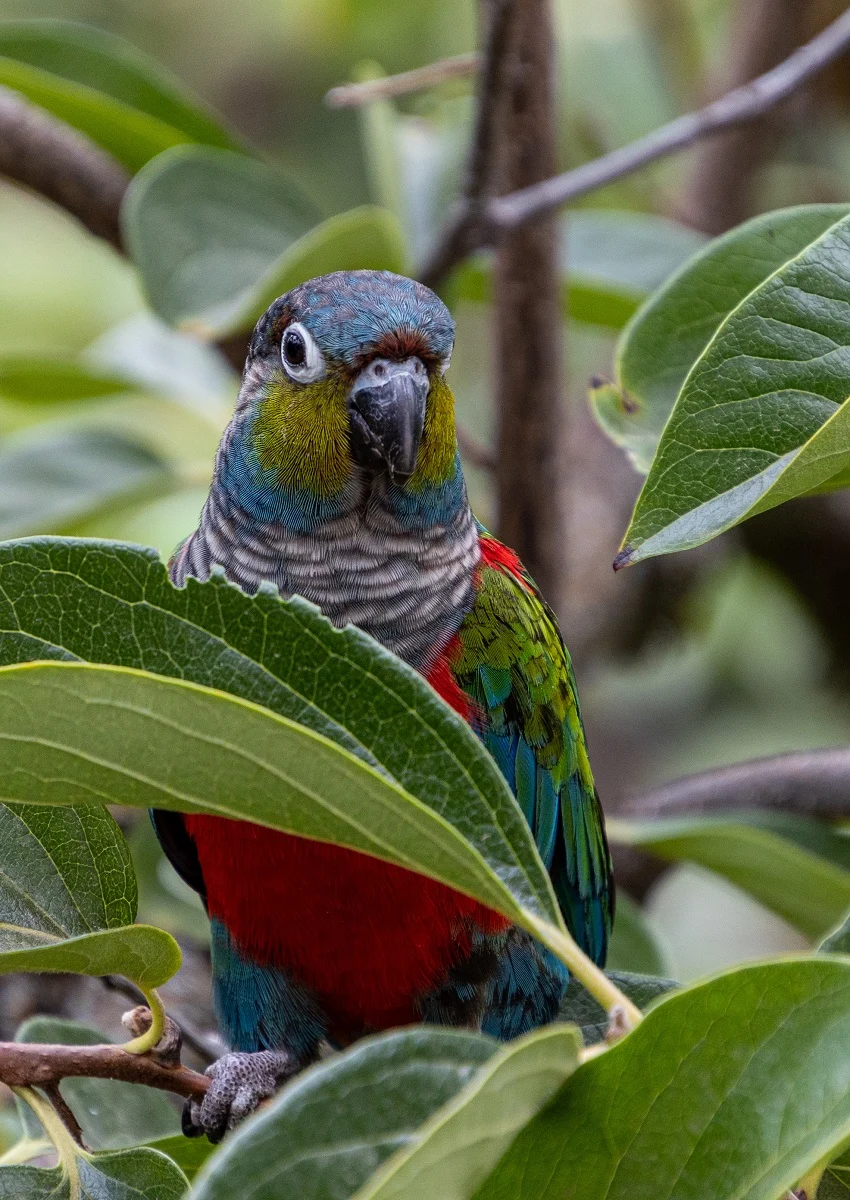
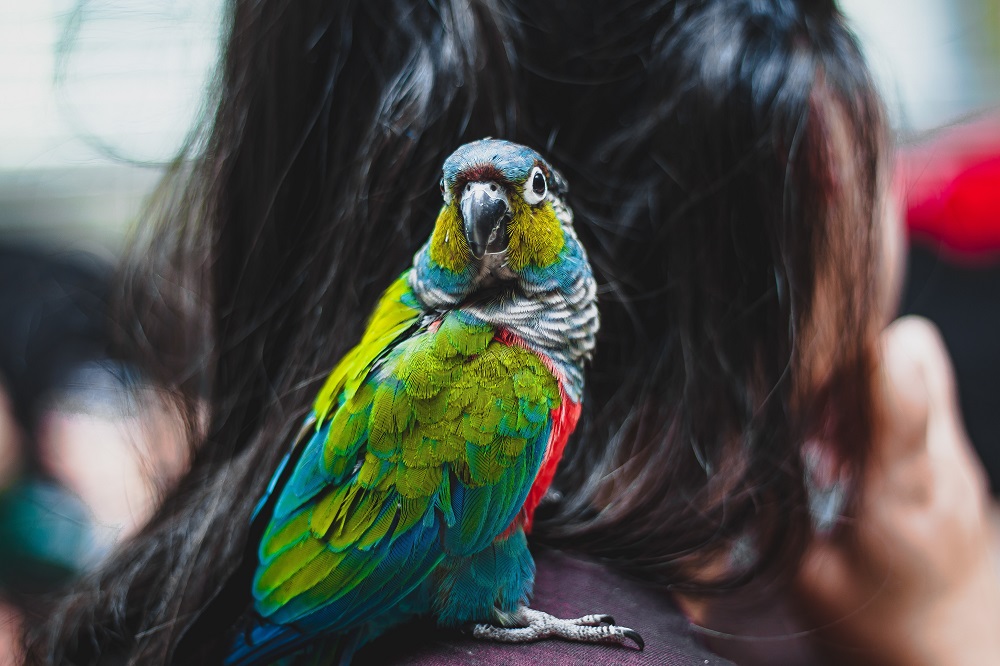
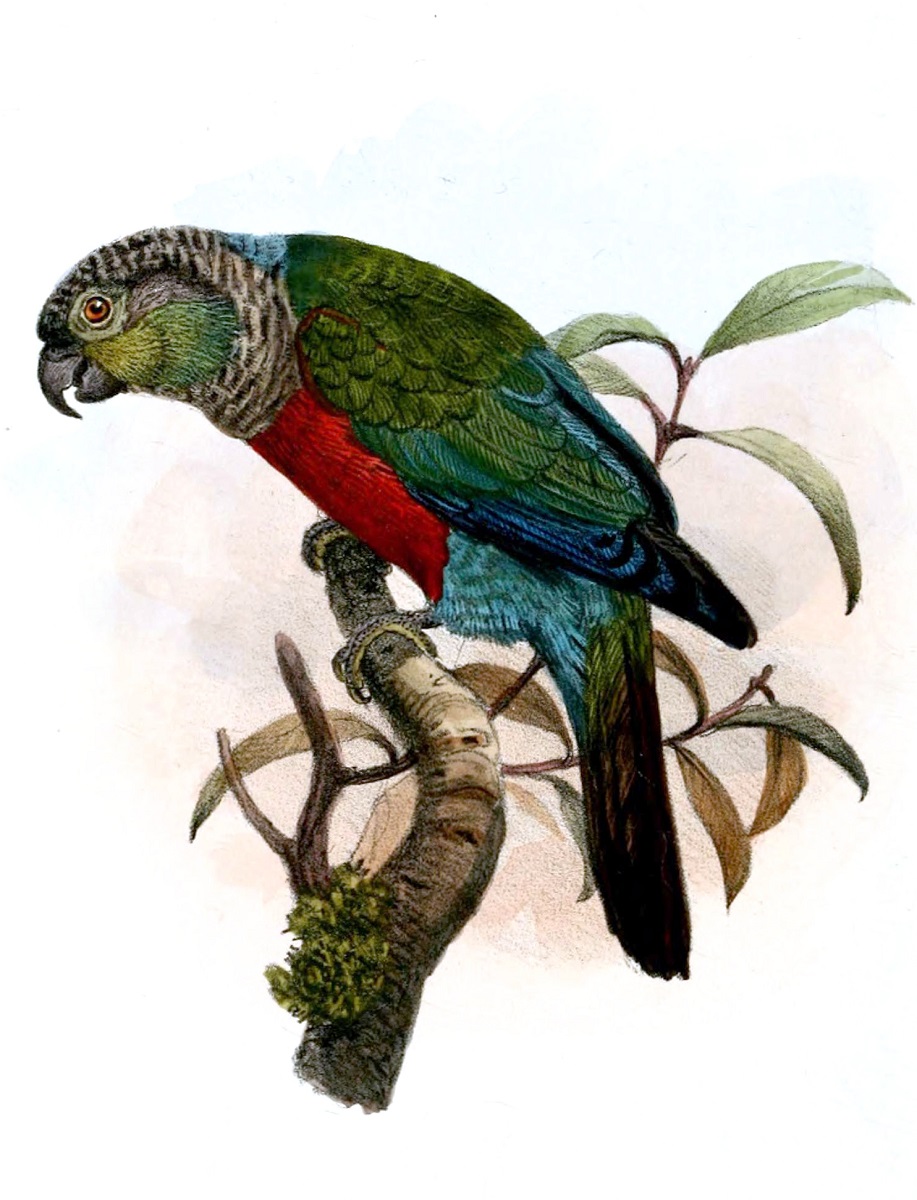
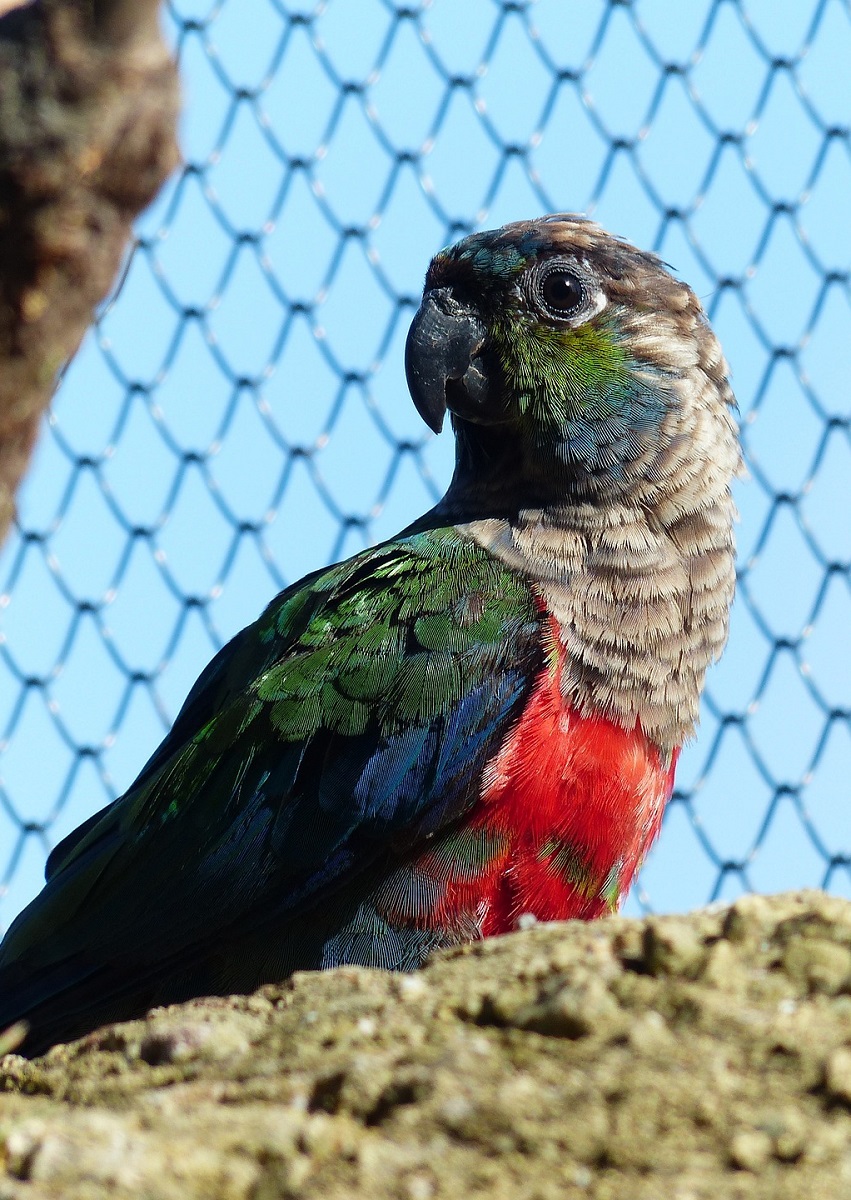
The crimson-bellied conure lives up to its name with an exquisitely colorful plumage that makes it one of the most visually striking conures. The most prominent feature is undoubtedly its vivid, deep crimson belly, which gradually develops its full intensity over the first year of the bird’s life. This striking red contrasts beautifully with its generally lush green back and wings, accented by bright blue primary flight feathers that are particularly visible during flight. The head and neck are typically a smoky brown or grey, often exhibiting a subtle scalloped or pearled pattern across the chest, giving it a sophisticated appearance. A distinct white eye-ring encircles its dark eyes, enhancing its expressive gaze, and it possesses a sturdy, black beak perfectly adapted for cracking seeds and manipulating objects.
These are relatively small parakeets, reaching an adult length of approximately 10 inches (25 cm) from beak to tail tip and weighing around 90 grams. The long, slender tail contributes significantly to their overall length. Interestingly, there is no discernible visual difference between male and female crimson-bellied conures, meaning that sexing typically requires DNA testing or surgical examination. The full development of their signature crimson belly and other adult colorations can take up to a year, with juvenile birds often displaying duller hues until they mature.
Native Haunts: Range, Habitat, and Wild Behavior
The natural habitat of the crimson-bellied conure is primarily concentrated within the vast and biodiverse Brazilian Amazon Basin, particularly in the state of Rondônia. Its range also extends into the northern regions of Bolivia. These birds are predominantly found in specific types of lush rainforests known as terra firme forests, which are characterized by their elevated terrain and lack of seasonal flooding. This preference for non-flooded areas is crucial for their nesting habits and foraging grounds.
Within these rainforests, crimson-bellied conures are adaptable, inhabiting both the dense interior and the edges of the forest, as well as secondary growth forests that have undergone some level of regeneration. Like many parrot species, they are highly social animals, typically observed traveling in small, cohesive groups or flocks. This communal behavior offers protection against predators and facilitates foraging efficiency. It is not uncommon for wild crimson-bellied conures to intermingle with other conure species, such as the painted conure (Pyrrhura picta), forming mixed-species foraging groups. For nesting, they utilize natural cavities within hollow trees, providing a safe and sheltered environment for raising their young. Their ability to thrive in various forest types, including disturbed areas, highlights their resilience within their complex ecosystem.
Conservation Status: Navigating Threats and Safeguarding Futures
The conservation status of Pyrrhura perlata is currently classified as "Least Concern" by the International Union for Conservation of Nature (IUCN) Red List. This classification indicates that the species is not currently considered to be at high risk of extinction in the wild. However, the IUCN assessment explicitly notes that the population trend for the crimson-bellied conure is decreasing. This decline is largely attributable to significant habitat loss and fragmentation driven by anthropogenic activities.
The primary threats to the crimson-bellied conure’s survival include extensive deforestation for agricultural expansion (particularly cattle ranching and soy cultivation), illegal logging, and mining operations within the Amazon Basin. These activities not only destroy their primary forest habitat but also fragment remaining patches, isolating populations and reducing genetic diversity. Additionally, the species faces pressure from the illegal pet trade, where wild-caught birds are captured and sold, further impacting wild numbers. While not as heavily targeted as some larger, more charismatic parrot species, the demand for exotic pets still contributes to the decline. Climate change also poses an indirect threat, altering rainfall patterns and temperatures, which can affect food availability and breeding success. Ongoing conservation efforts focus on protecting existing rainforests, promoting sustainable land use practices, and combating illegal wildlife trade. Public awareness campaigns regarding responsible pet ownership and the importance of supporting captive-bred birds are also crucial in mitigating these pressures.
The Wild Menu: Foraging and Nutritional Adaptations
The incredibly biodiverse forests of the Amazon provide a rich and varied diet for wild crimson-bellied conures, reflecting their opportunistic foraging strategies. They have adapted to exploit a wide array of food sources available throughout the year. A significant portion of their diet consists of wild figs (Ficus species) and various other fruits, which provide essential carbohydrates, vitamins, and minerals. These parrots are often observed meticulously stripping fruits from trees, demonstrating their dexterity and keen senses.
Beyond fruits, they supplement their diet with flowers, which offer nectar and pollen, and catkins, the cylindrical flower clusters of certain trees. Seeds and nuts, particularly from various rainforest trees, are also vital, providing fats and proteins. A fascinating aspect of their wild diet is their regular visitation to clay licks, or "geophagy" sites. At these locations, parrots consume soil, which is believed to provide important micronutrients and minerals that may be lacking in their fruit and seed-based diet. The clay also acts as a detoxifier, binding to toxins found in some of the fruits and seeds they consume, thereby neutralizing their harmful effects. This complex and varied diet is crucial for their health and reproductive success in their natural environment.
Optimizing Captive Care: A Lifelong Commitment
Bringing a crimson-bellied conure into a home is a significant, decades-long commitment, requiring careful attention to their specific needs for diet, housing, and enrichment.
Dietary Excellence for Pet Conures:
In captivity, a crimson-bellied conure’s diet must mimic the nutritional diversity of its wild counterpart to ensure optimal health. The cornerstone of a captive conure’s diet should be a high-quality, nutritionally complete pelleted food. Avian veterinarians, including Psittacology’s resident veterinarian Dr. Daisy, strongly advocate against a solely seed-based diet, which is typically deficient in essential vitamins and minerals and high in fat, often leading to malnutrition, obesity, and related health issues. Pellets provide a balanced nutritional foundation.
Supplementing the pelleted staple, daily servings of fresh vegetables are crucial. A wide variety of leafy greens (kale, collard greens, romaine lettuce), bell peppers, carrots, broccoli, and sprouts should be offered. These provide vitamins, fiber, and hydration. Fresh fruits, such as apples (without seeds), berries, melons, and citrus, can be offered regularly but in moderation due due to their sugar content. Cooked whole grains like brown rice, quinoa, and oats, as well as pesticide-free foraged grasses (e.g., dandelion, chickweed), can further diversify their intake. Occasional treats, such as a small amount of sunflower seeds or nuts, can be used for training or as rewards but should not form a significant part of the diet. Fresh, clean water must be available 24/7 from multiple sources, such as a ceramic bowl and a sipper bottle, to encourage hydration and prevent contamination.
Creating a Sanctuary: Housing Requirements:
Despite their relatively small size, crimson-bellied conures are highly active and require ample space. The largest cage that can be accommodated is always the best choice. A minimum cage size of 36 inches (90 cm) wide, 24 inches (60 cm) deep, and 36 inches (90 cm) high is generally recommended for a single bird, especially if the bird will not have significant out-of-cage flight time. For birds that will spend most of their time caged, or for housing a pair, an even larger enclosure, or ideally a full indoor aviary, is necessary to prevent lethargy and behavioral issues. Bar spacing should be appropriate for small conures, typically between 1/2 inch to 3/4 inch (1.27 cm to 1.9 cm), to prevent escape or injury.
The cage should be constructed from durable, non-toxic materials like powder-coated steel. Inside, a variety of natural wood perches of different diameters and textures (e.g., java wood, manzanita, natural branches) are essential to promote foot health and prevent pressure sores, unlike plastic or dowel perches. Cage placement is also important; it should be in a central, active part of the home but away from drafts, direct sunlight, and potential toxins (e.g., kitchen fumes). Adequate lighting, including full-spectrum UV-B lighting, is crucial for vitamin D synthesis and overall well-being. Maintaining appropriate room temperature (65-80°F or 18-27°C) and humidity levels is also vital for their respiratory health.
Mental and Physical Vitality: Enrichment Strategies:
All parrots, including crimson-bellied conures, are highly intelligent and inquisitive beings. They require substantial mental and physical stimulation to prevent boredom, stress, and destructive behaviors. A lack of enrichment can lead to serious issues such as excessive screaming, feather plucking, self-mutilation, obesity, and aggression.
Enrichment should include a diverse array of toys:

- Chew Toys: Conures have strong beaks and a natural urge to chew. Provide toys made of safe woods, shreddable paper, or natural fibers.
- Foraging Toys: These toys encourage natural foraging behaviors by requiring the bird to work for treats, stimulating their minds and preventing rapid consumption.
- Puzzle Toys: Toys that require problem-solving keep their intelligent minds engaged.
- Swings and Ladders: These provide physical exercise and opportunities for play.
- Social Interaction: Daily interaction with their human family is paramount. This includes talking, playing, and cuddling. If keeping a single bird, the owner becomes its flock.
- Training: Positive reinforcement training not only teaches desirable behaviors but also strengthens the bond between bird and owner and provides mental stimulation.
- Bathing: Provide opportunities for bathing, either with a shallow dish of water or a gentle misting, which is crucial for feather health.
- Out-of-Cage Time: Supervised free-flight or playpen time outside the cage in a bird-proofed room is essential for physical exercise and mental exploration. Any room accessible to the conure must be thoroughly parrot-proofed to eliminate hazards such as open windows, toxic plants, chemicals, or small ingestible objects.
The Conure Character: Temperament and Social Dynamics
Conures within the Pyrrhura genus are among the most popular parrots kept as pets, with green-cheeked conures often being the most common. However, crimson-bellied conures offer a uniquely rewarding experience for the right owner. They are affectionately referred to as "loveable rogues" for good reason: they are bundles of fun, possessing a mischievous and cheeky nature. A well-socialized crimson-bellied conure will eagerly seek out interaction, often enjoying perching on a shoulder, receiving head scratches, and engaging in playful antics.
Their friendly disposition makes them excellent companions, often forming deep bonds with their primary caregiver. However, their intelligence and curiosity also mean they will explore their surroundings with their beaks, leading to inevitable chewing of household items. Prospective owners must accept that some belongings may be damaged. Despite this, their affectionate nature and entertaining antics often outweigh these minor inconveniences. With proper socialization from a young age, consistent positive reinforcement, and a stimulating environment, crimson-bellied conures can become cherished family members for two decades or more, offering a lively and affectionate presence.
Vocalizations: Understanding the Conure’s Voice
When considering any parrot species, understanding its vocalization habits is critical. As far as conures go, crimson-bellies are generally not considered to be among the loudest species, distinguishing them from the often ear-piercing vocalizations of some larger conure types. However, it is crucial to understand that no parrot is truly "quiet." Crimson-bellied conures do vocalize, and their calls can be quite sharp and piercing, especially when they are excited, alarmed, or seeking attention. Owners can expect periods of enthusiastic squawking and occasional screams, particularly during morning and evening "contact calls" when they would naturally communicate with their flock in the wild.
To truly appreciate their vocal range and volume, prospective owners are highly encouraged to listen to recordings of Pyrrhura perlata calls on platforms like xeno-canto.org or, ideally, to visit someone who owns a crimson-bellied conure. This firsthand experience provides a realistic understanding of the noise level and helps determine if it is compatible with the household environment and neighbors.
Can crimson-bellied conures talk?
While most parrots possess a natural knack for imitation, Pyrrhura conures, including the crimson-bellied conure, are generally not considered highly talented talkers. Many individuals may never learn to mimic human speech clearly. However, they are often capable of mimicking household sounds, such as phone rings, microwave beeps, or even short, simple phrases if consistently encouraged. Their "talking" ability is usually limited compared to species like African Greys or Amazon parrots. Owners interested in vocal mimicry should prioritize other species, as speech is not a defining characteristic of this conure.
Health and Well-being: Proactive Care for a Long Life
The impressive lifespan of 20+ years for a crimson-bellied conure underscores the importance of proactive health management. A cornerstone of preventative care is regular veterinary check-ups with an avian specialist. Annual examinations, including blood work and fecal tests, can help detect potential health issues early, often before visible symptoms appear.
Common health concerns in parrots can include Psittacine Beak and Feather Disease (PBFD), Psittacosis (Chlamydophila psittaci), Pacheco’s disease, and various bacterial or fungal infections. Symptoms of illness in parrots can be subtle and include changes in appetite or droppings, lethargy, fluffed feathers, discharge from nares or eyes, and feather plucking. Owners must be vigilant for any deviations from normal behavior. Maintaining excellent cage hygiene, providing a balanced diet, ensuring proper environmental conditions (temperature, humidity, ventilation), and minimizing stress are crucial in preventing disease.
It is also vital for owners to be prepared for emergencies. Knowing the location of the nearest avian emergency clinic and having a "parrot first aid kit" (containing items like styptic powder for bleeding, antiseptic wipes, and vet contact information) can be life-saving. Educating oneself on common parrot health issues and basic emergency care is an integral part of responsible ownership.
Breeding and Reproduction: A Glimpse into Conure Parenthood
While most crimson-bellied conures kept as pets are not intended for breeding, understanding their reproductive cycle offers insight into their natural behaviors. In captivity, these conures typically reach sexual maturity between one and two years of age. They are cavity nesters, preferring enclosed spaces like nest boxes. A standard wooden nest box, approximately 8x8x10 inches (20x20x25 cm), with a 2-inch (5 cm) entrance hole, is usually sufficient.
A typical clutch size ranges from 3 to 6 eggs, which are incubated primarily by the female for approximately 23-24 days. The chicks are altricial, meaning they are born helpless, blind, and featherless, relying entirely on parental care. Both parents participate in feeding the young. Fledging, the process where the young birds leave the nest, usually occurs around 7-8 weeks of age. If hand-rearing is intended, chicks are typically pulled from the nest around 2-3 weeks of age, a process that requires specialized knowledge, equipment, and a significant time commitment to ensure proper feeding and socialization. Responsible breeding practices prioritize the health and welfare of both parents and offspring.
Ethical Ownership and Acquisition: Responsible Choices
The decision to acquire a crimson-bellied conure carries significant ethical and practical implications. Given their long lifespan, owners must be prepared for a commitment that could span decades. Responsible acquisition begins with sourcing. It is paramount to purchase birds from reputable breeders who prioritize the health, welfare, and socialization of their birds. Reputable breeders will be transparent about their birds’ lineage, health history, and rearing practices, often providing a health guarantee. They will also typically hand-raise chicks, ensuring they are well-socialized and accustomed to human interaction, which greatly contributes to their temperament as pets.
Adoption is another highly ethical option, offering a second chance to birds in need of a loving home, often through parrot rescues or sanctuaries. Initial costs include not only the bird itself but also a suitable cage, perches, toys, food, and an initial veterinary check-up, which can total several hundred to over a thousand dollars. Ongoing expenses for food, toys, vet care, and potential emergency treatments must also be factored in. Legally, Pyrrhura perlata is not listed on CITES Appendix I or II for trade restrictions, largely due to its "Least Concern" status. However, local and national regulations regarding exotic pet ownership can vary, and prospective owners should verify compliance with all applicable laws. Ethical ownership extends beyond initial purchase to providing a stimulating, healthy, and loving environment for the entirety of the bird’s life.
Conclusion: A Vibrant Companion for Dedicated Owners
The crimson-bellied conure, with its dazzling plumage, engaging personality, and potential for a decades-long companionship, stands as a testament to the diverse and captivating world of parrots. From its natural habitat in the Brazilian Amazon, where it navigates complex forest ecosystems, to its role as a beloved companion animal, Pyrrhura perlata offers a unique blend of beauty and character. While its care requirements demand significant dedication in terms of diet, housing, enrichment, and long-term health management, the rewards of sharing a life with these "loveable rogues" are immeasurable. For those prepared to embrace the responsibilities of exotic pet ownership, the crimson-bellied conure can indeed be a vibrant, intelligent, and deeply affectionate addition to the family, enriching lives with its clownish antics and unwavering loyalty for years to come.

