


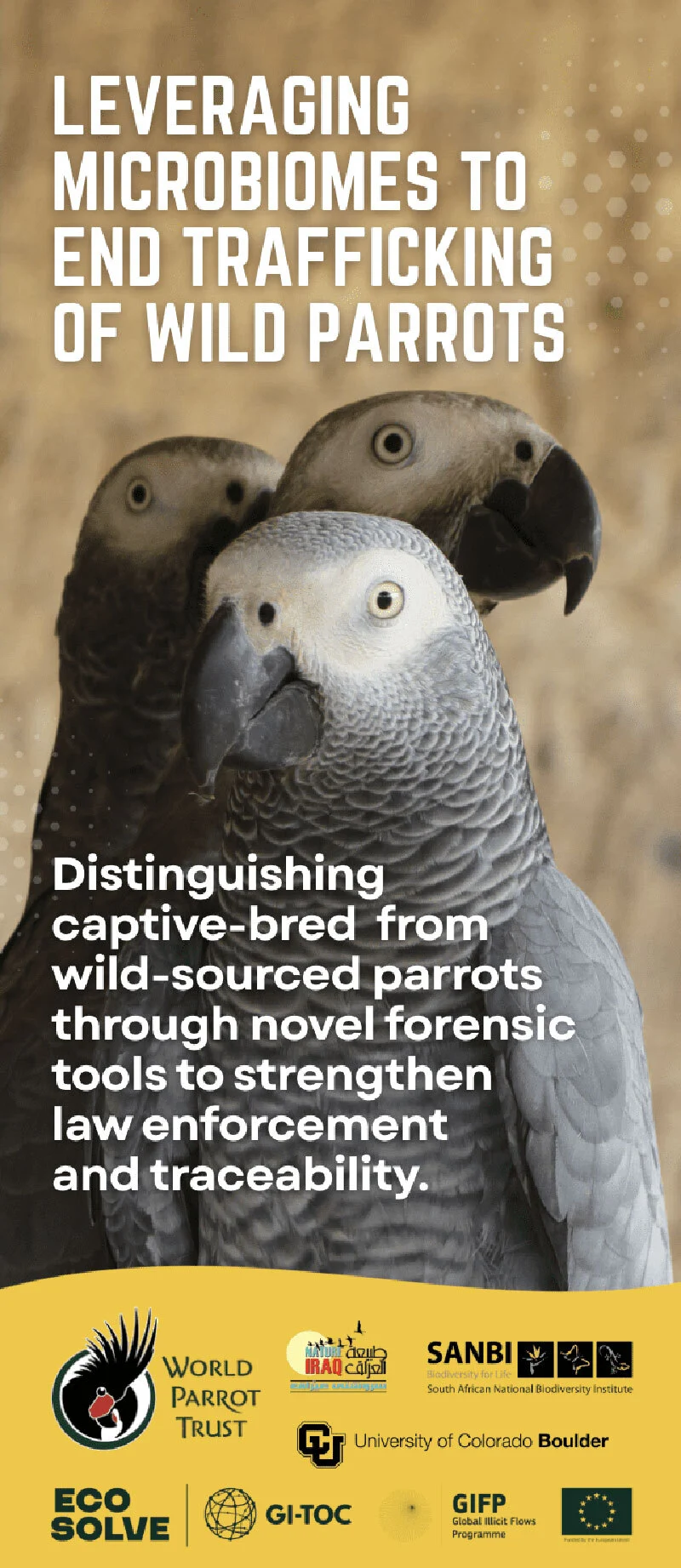
The intersection of advanced genomic sequencing and conservation efforts is creating a formidable new front in the battle against the multi-billion-dollar illegal wildlife trade, with endangered African Grey Parrots serving as a poignant example of its immediate impact. Groundbreaking research and innovative investigative tools, powered by the burgeoning field of genomics, are now enabling forensic scientists to discern the true origins of trafficked animals, providing critical evidence to challenge fraudulent claims of captive breeding and protect vulnerable species from extinction. This scientific advancement promises to reshape enforcement strategies, offering a powerful deterrent to the sophisticated networks exploiting loopholes in international regulations.
Unpacking the ‘Language of Life’: DNA vs. Genomics
To appreciate the significance of this revolution, it’s crucial to understand the distinction between genetics and genomics. While genetics, the older and more established field, traditionally focuses on the study of individual genes and their inheritance, often examining specific traits like eye color or susceptibility to certain diseases, genomics takes a far broader view. Genomics investigates the entire "instruction manual" of an organism – its complete set of DNA, known as the genome. If DNA is considered the fundamental language of life, then genetics might be likened to studying individual words or sentences, whereas genomics endeavors to comprehend the entire library, including how different "books" (genes) interact and function within the complete collection.
By employing sophisticated sequencing machines, scientists can now map these vast genomes, unveiling the intricate tapestry of an organism’s biological systems. This holistic approach allows researchers to see the "big picture" of how various genetic components work together, offering unprecedented insights into evolution, biodiversity, health, and disease. For conservation, this means understanding not just isolated genetic markers, but the comprehensive genetic landscape of a species, its populations, and even the subtle environmental influences embedded within its biological makeup.
The Plight of the African Grey Parrot: A Conservation Crisis
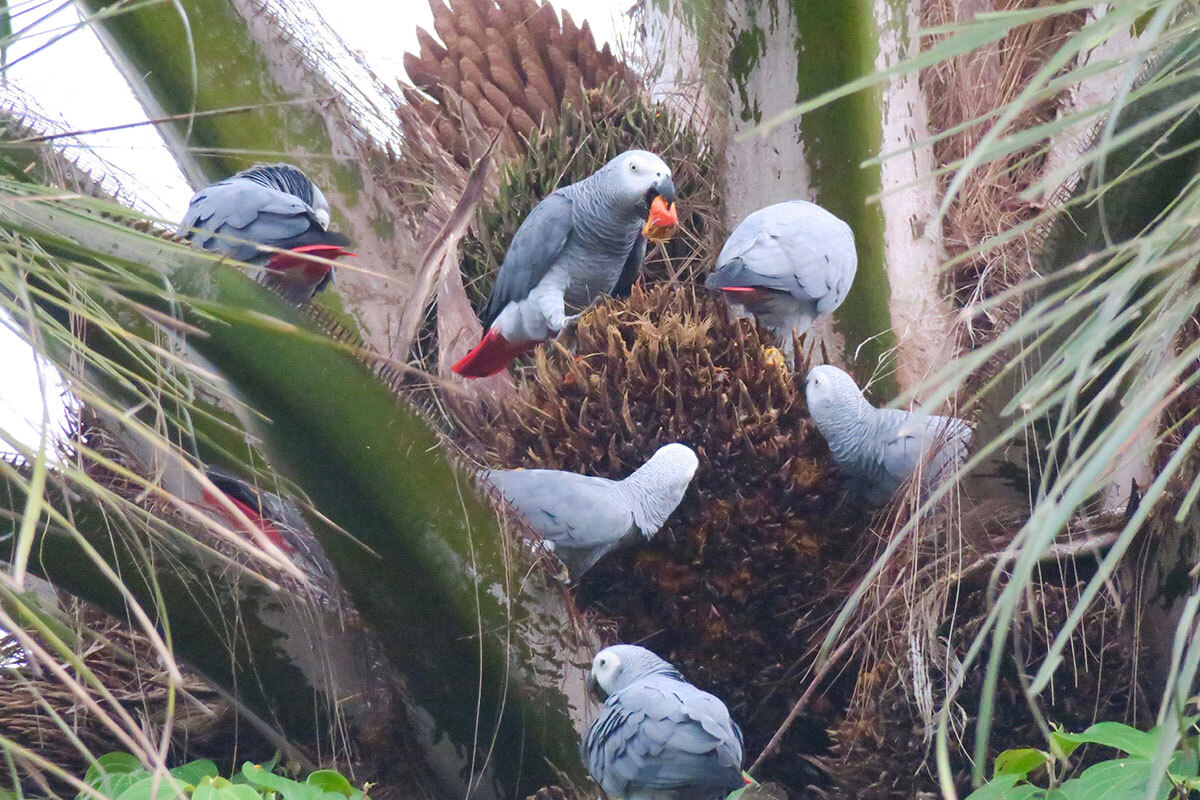
Few species highlight the urgency and impact of this genomic revolution more clearly than the African Grey Parrot (Psittacus erithacus). Renowned for their exceptional intelligence and uncanny ability to mimic human speech, these captivating birds have long been highly sought after in the exotic pet trade. Their popularity, however, has come at a devastating cost. Decades of intensive trapping for the pet market, coupled with habitat destruction across their native Central and West African ranges, have pushed wild populations to the brink.
In recognition of their severe decline, the African Grey Parrot was uplisted to Appendix I of the Convention on International Trade in Endangered Species of Wild Fauna and Flora (CITES) in 2016. This listing signifies that the species is threatened with extinction and prohibits international commercial trade in wild-caught specimens. The only exceptions are for non-commercial purposes, such as scientific research, and for specimens that are demonstrably captive-bred. This critical distinction, however, has become a major loophole for traffickers.
Since the CITES Appendix I listing, a troubling pattern has emerged. Certain countries, notably South Africa, have become significant exporters of African Grey Parrots, often claiming them to be "captive-bred." Between 2020 and the present, official records indicate that over 46,000 African Greys have been exported from South Africa to destinations like Iraq and the United Arab Emirates under this "captive-bred" label. Conservation organizations and wildlife crime investigators have long suspected that a significant proportion of these birds are, in fact, wild-caught and laundered through legal supply chains, falsely declared to bypass international protections. The sheer volume of exports from a single country, often lacking a robust history of large-scale, legitimate captive breeding facilities for this species, raised immediate red flags within the conservation community.
Microbiome Forensics: A Game-Changer in Verification
For conservationists and forensic scientists, the challenge has always been to definitively prove whether a bird is wild-caught or genuinely captive-bred. Traditional methods, such as examining feather wear or behavioral cues, are often inconclusive or easily manipulated. This is where the burgeoning field of microbiome forensics offers a transformative solution.
The microbiome refers to the community of microorganisms (bacteria, fungi, viruses) that live in and on an organism. In the context of wildlife forensics, the gut microbiome of a parrot acts as a unique "fingerprint" of its environment and diet. Wild parrots, foraging in diverse natural habitats, consume a varied diet of native plants, berries, nuts, seeds, and insects. This rich and fluctuating intake fosters a complex and varied gut microbiome. In stark contrast, captive parrots are typically fed a more homogenous diet, often consisting of commercial bird foods, pellets, and a limited range of fruits and vegetables. This restricted diet results in a comparatively less diverse and distinctly different gut microbiome.
By taking non-invasive samples, such as fecal matter or cloacal swabs, forensic scientists can sequence the DNA of the microbial communities present. This genomic data can then be analyzed and compared against established baseline microbiomes from known wild populations and legitimate captive-bred birds. The presence of specific microbial signatures, indicative of a wild diet and environment, can provide irrefutable evidence that a bird claiming to be captive-bred was, in fact, illegally taken from the wild. This technology essentially allows investigators to peer into the bird’s recent history, revealing its true origins encoded within its microscopic inhabitants.
The MinION: A Laboratory in Your Pocket
The widespread application of genomic sequencing in wildlife forensics has been dramatically accelerated by the advent of portable sequencing devices like the MinION. Traditional DNA sequencers are formidable machines, often the size of a refrigerator and requiring specialized laboratory environments, extensive infrastructure, and considerable financial investment. Such requirements made on-site, rapid analysis in remote locations or at border checkpoints virtually impossible.
The MinION, developed by Oxford Nanopore Technologies, represents a paradigm shift. Roughly the size of a USB flash drive, this revolutionary device plugs directly into a laptop, transforming a standard computer into a powerful sequencing platform. Its core technology, nanopore sequencing, works by passing DNA strands through tiny protein pores. As each nucleotide (the building blocks of DNA) passes through the pore, it creates a unique electrical signal, which the device then reads and translates into a DNA sequence in real-time.
The advantages of the MinION are truly transformative for investigative work:
- Portability: Its compact size allows for deployment in the field, at customs checkpoints, or in remote conservation areas, eliminating the need to transport samples to distant, centralized laboratories.
- Real-time Analysis: Data is generated and analyzed as sequencing occurs, meaning results can be obtained within hours, or even minutes, rather than days or weeks. This speed is crucial in time-sensitive investigations, such as identifying trafficked animals at borders or quickly assessing disease outbreaks.
- Cost-Effectiveness: Compared to traditional sequencers, the MinION and its consumables are significantly more affordable, making advanced genomic analysis accessible to a wider range of organizations, including those with limited budgets in developing countries.
- Ease of Use: While still requiring technical expertise, its user-friendly interface and streamlined workflow make it more accessible to trained personnel outside of highly specialized genomic labs.
Organizations such as the World Parrot Trust (WPT) and the TRACE Wildlife Forensics Network have been at the forefront of integrating MinION technology into their anti-trafficking efforts. For example, forensic scientists working with these groups can now conduct microbiome profiling at the point of seizure, generating immediate evidence that can inform legal proceedings and prevent the release or further trafficking of illegally obtained birds. This rapid verification capability is a significant deterrent, making it far riskier for traffickers to attempt to smuggle wild-caught birds under false pretenses.
A Global Battle: Combating Wildlife Crime and its Broader Implications
The use of genomic tools, particularly microbiome profiling and portable sequencers, has far-reaching implications beyond African Grey Parrots. The illegal wildlife trade is a global crisis, estimated to be worth billions of dollars annually, fueling organized crime, threatening biodiversity, and even posing public health risks through the spread of zoonotic diseases. Many other endangered species, from pangolins and rhinos to rare reptiles and exotic plants, are similarly laundered through legal trade channels or disguised to evade detection.
The ability to accurately and quickly verify the origin of animals can:
- Strengthen Enforcement: Provide irrefutable scientific evidence for prosecution, leading to higher conviction rates and more severe penalties for wildlife criminals.
- Deter Trafficking: Increase the risk and reduce the profitability of illegal trade by making it harder to pass off wild-caught animals as legal.
- Inform Policy: Offer data-driven insights into trade routes, source populations, and the scale of the problem, allowing for more effective conservation strategies and policy adjustments.
- Support Conservation Breeding: Help distinguish genuinely captive-bred populations, ensuring that legitimate conservation efforts are not undermined by fraudulent claims.
However, challenges remain. The establishment of comprehensive baseline microbiome databases for various wild populations across different geographic regions requires extensive research and collaboration. There’s also a need for continued training and capacity building for law enforcement and conservation personnel in countries impacted by trafficking. Furthermore, legal frameworks need to adapt to incorporate this new form of forensic evidence effectively.
Support and Collaboration: Fueling the Fight
The advancements in genomic forensics are not happening in isolation. They are the result of dedicated scientific research, committed conservation efforts, and crucial financial support from various stakeholders. This month’s donation from Lafeber, a company known for its commitment to avian health and well-being, specifically supports the World Parrot Trust’s mission to implement microbiome profiling as a forensic tool. Such partnerships between industry, non-profits, and scientific institutions are vital in translating cutting-edge research into actionable conservation solutions on the ground.
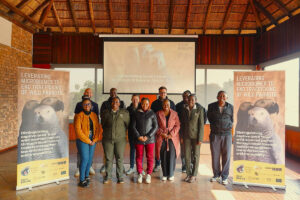
Organizations like the World Parrot Trust continue to work tirelessly on multiple fronts: direct conservation of wild populations, rescue and rehabilitation of trafficked birds, and advocacy for stronger legal protections. By leveraging technologies like the MinION and the power of microbiome analysis, they are adding a powerful new weapon to their arsenal.
The Future Outlook: Precision Conservation
The era of precision conservation, driven by genomics, is dawning. As sequencing technologies become even more advanced, cheaper, and user-friendly, their applications in wildlife forensics will undoubtedly expand. Imagine a future where portable sequencers are standard equipment at every major port and border crossing, capable of instantly verifying the origin of any biological sample. This would not only protect endangered species but also enhance efforts to track illegal logging, identify fraudulent food products, and even monitor invasive species.
By identifying the origin of birds through non-invasive sampling, conservationists and law enforcement can effectively slow the laundering of wild parrots through legal supply chains. This scientific vigilance, coupled with international cooperation and robust legal action, offers a tangible path towards protecting high-risk species like the African Grey Parrot, ensuring that their vibrant calls continue to echo in the wild for generations to come, free from the shadow of illegal trade. The battle is far from over, but with genomics on their side, conservationists now have a powerful new ally in safeguarding the planet’s precious biodiversity.

