


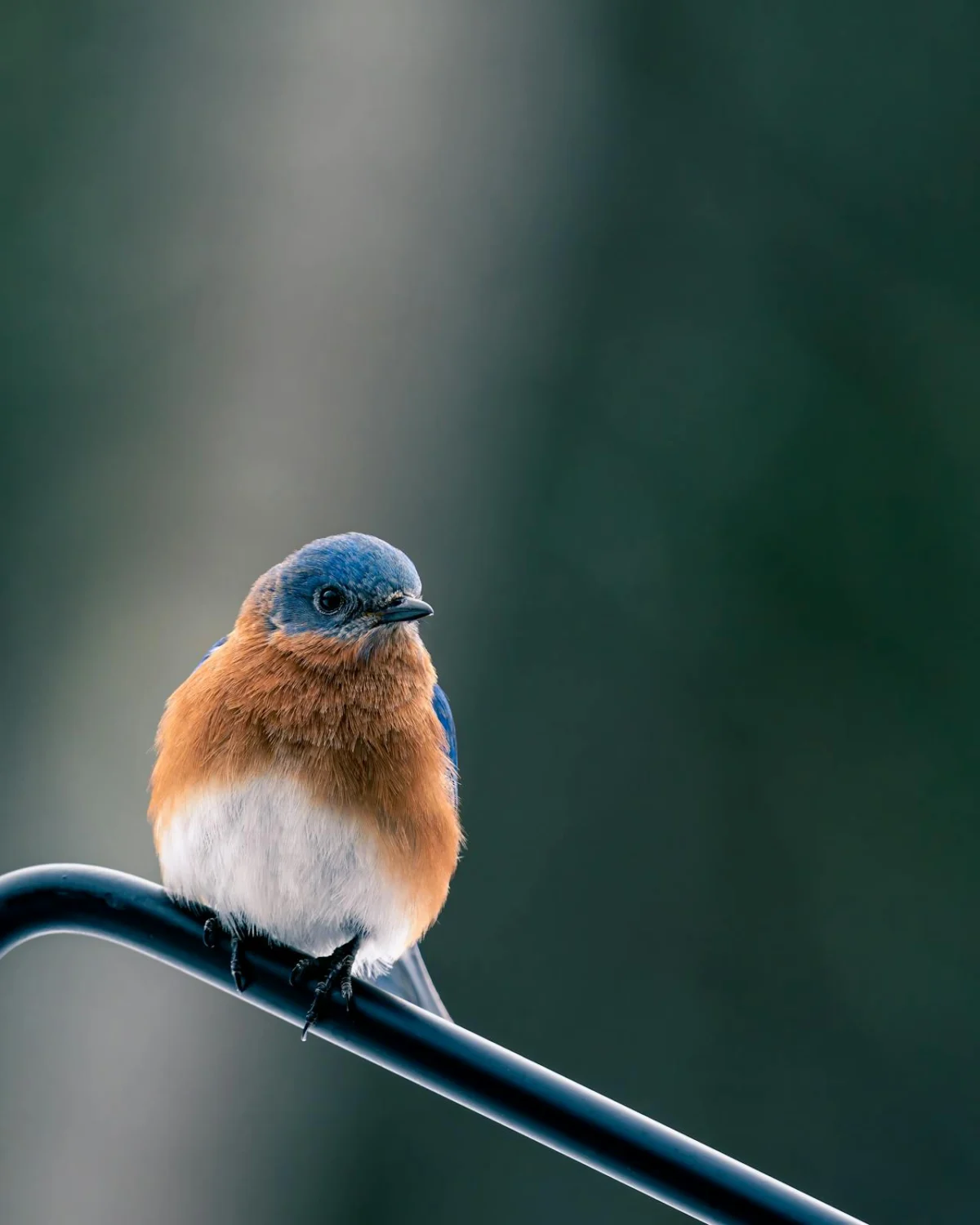
The sight of a flash of blue wings against a warm orange chest is an immediate and profound aesthetic experience, a harmonious blend of the sky’s tranquility and the sun’s vibrant energy. This captivating color combination, observed across diverse avian species spanning continents and ecosystems, is far from arbitrary. It is a testament to sophisticated evolutionary adaptations, serving crucial roles in survival, communication, and sheer natural beauty. Exploring the world of blue birds with orange chests offers a compelling window into the intricate ways color functions in the natural world and the enduring fascination these feathered jewels hold for observers.
The science behind avian coloration is complex and revealing. Unlike many pigments, the striking blues seen in bird plumage are rarely produced chemically. Instead, these hues are typically the result of structural coloration. Microscopic feather structures refract and scatter light, selectively reflecting specific wavelengths that our eyes perceive as blue. This phenomenon, known as light interference, is responsible for the iridescent blues of many species. In contrast, orange, along with reds and yellows, is often derived from pigments, primarily carotenoids. Birds acquire these pigments through their diet, consuming plants or insects rich in these compounds. The presence of both structural blues and pigment-based oranges in a single bird’s plumage thus tells a layered story, one that speaks not only of visual appeal but also of an organism’s ecological niche, dietary habits, and social interactions.
Iconic Representatives of the Blue and Orange Ensemble
The Eastern Bluebird: A North American Emblem of Hope and Conservation
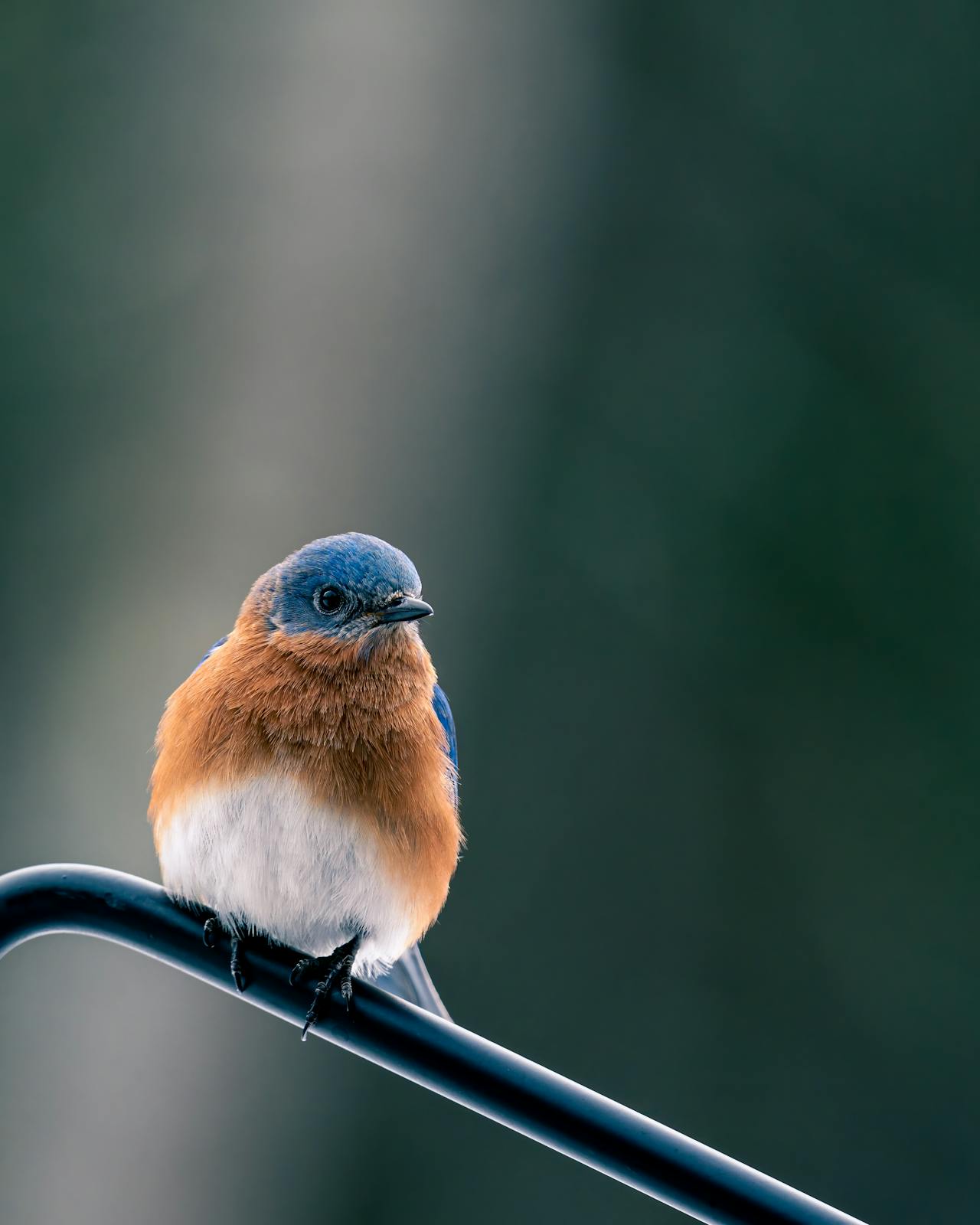
In North America, the Eastern Bluebird (Sialia sialis) stands as perhaps the most iconic representation of this striking color pairing. With its serene, deep blue head and back juxtaposed against a rich, rusty orange breast, this species has become synonymous with idyllic rural landscapes, open meadows, and the quiet charm of fence lines. The vibrant orange of its chest is a direct indicator of its diet, which includes a significant amount of insects and berries rich in carotenoids.
Historically, the Eastern Bluebird faced significant population declines throughout the 20th century. Factors contributing to this downturn included widespread habitat loss, particularly the reduction of open woodlands and grasslands, and intense competition for nesting cavities from more aggressive, non-native species like the House Sparrow and European Starling. However, dedicated conservation efforts, notably the widespread implementation of nest box programs, have played a pivotal role in their recovery. These initiatives, often driven by community involvement and citizen science, have provided crucial nesting sites and helped bolster their numbers. The sighting of an Eastern Bluebird perched serenely on a fence post has thus evolved into more than just an aesthetic pleasure; it represents a tangible success story of human intervention fostering coexistence between wildlife and a rapidly changing human environment. Data from the North American Breeding Bird Survey indicates a significant population increase for the Eastern Bluebird in recent decades, a testament to these successful conservation strategies.

The European Robin: A Familiar Face of Winter and Folklore
Across the Atlantic, the European Robin (Erithacus rubecula) offers a distinctly charming interpretation of the blue-and-orange theme, though its blue is more subdued, often appearing as a soft gray-brown on its back. Its signature feature is an unmistakable, bright orange-red breast and throat. In European folklore and tradition, the robin holds a special place, often associated with winter, the Christmas season, and even spiritual significance. Its prominent chest coloration serves a vital ecological function beyond mere aesthetics.
Robins are known for their fiercely territorial nature. The vivid orange breast acts as a visual deterrent, signaling their presence and intent to defend their patch. This striking display helps to reduce the frequency of direct physical confrontations with rivals, thereby minimizing the risk of injury and conserving energy. While not as structurally blue as its North American counterpart, the European Robin’s bold orange chest is a powerful signal in its woodland and garden habitats.

The Blue-fronted Redstart: An Asian Forager’s Colorful Aid
In the mountainous regions of Asia, the Blue-fronted Redstart (Phoenicurus frontalis) presents another beautiful example of this color combination, with its vibrant orange extending further down its belly and tail. This small passerine bird boasts a striking blue face and upperparts that contrast dramatically with its fiery underside. Its habitat in rocky terrains and higher altitudes suggests specific adaptations.
Here, the bright orange plumage takes on an active role in foraging. Observers have noted that the Blue-fronted Redstart often flicks its orange tail while searching for insects. This sudden flash of color can startle unsuspecting prey, driving them out from their hiding places and making them easier to catch. In this instance, the color is not just a passive signal but an integral part of a dynamic hunting strategy, showcasing how avian coloration can be a tool for survival in diverse ecological niches.

The Lazuli Bunting: A Western Gem with a Finch’s Adaptations
The Lazuli Bunting (Passerina amoena), a resident of the western United States, showcases a brilliant turquoise-blue on its head and back, complemented by a pumpkin-orange breast and a white belly. This species is often confused with bluebirds, but key differences exist. Lazuli Buntings are smaller and possess the characteristic thick, cone-shaped bill of a finch, perfectly adapted for cracking seeds, whereas bluebirds have thinner bills suited for insectivory. Additionally, Lazuli Buntings display two distinct white bars on their wings, a helpful field mark. Their habitat preference for open woodlands and shrublands with scattered trees provides a backdrop where their vibrant colors can be both displayed and offer a degree of camouflage amongst the varied vegetation.
The Barn Swallow: A Global Traveler of Contrasting Hues

The Barn Swallow (Hirundo rustica) is one of the most widespread avian species globally, and its coloration is a masterclass in high-contrast design. Its upperparts are a deep, iridescent cobalt blue, appearing almost black in dim light but shimmering brilliantly under the sun. This glossy effect is dramatically offset by its underparts. While its belly is typically a creamy white or buff, its throat and forehead are a rich, saturated rusty orange, often described as rufous. A distinguishing feature is a dark blue "necklace" or breast band that partially separates the orange throat from the lighter chest, framing the face and accentuating the vibrant orange against the metallic blue of its head. The Barn Swallow’s silhouette, with its long, deeply forked tail and long, pointed wings, is a giveaway, indicating its aerial lifestyle, spending most of its time in flight rather than perching. Their migratory patterns, spanning vast distances between breeding and wintering grounds, highlight the robustness of their physiological adaptations, including their ability to maintain such vibrant plumage.
The Welcome Swallow: A Softer, Uninterrupted Flow of Color
A close relative of the Barn Swallow, the Welcome Swallow (Hirundo neoxena) found in Australia and New Zealand, presents a slightly softer rendition of the same color palette. It also features a metallic, shimmering blue back and crown, though its sheen often leans towards a steel-blue or greenish-blue compared to the Barn Swallow’s deeper navy. The most significant distinction lies in the extent of its rusty orange plumage. The Welcome Swallow’s orange wash extends further down its chest, and crucially, it lacks the dark blue breast band. This results in a cleaner, more flowing visual effect, where the warm orange of the face transitions smoothly into a light grey-buff underbelly without the interruption of a dark collar. This subtle difference in plumage pattern can be a key identifier for ornithologists and birdwatchers in their respective regions.

The Red-breasted Nuthatch: A Woodland Dweller with a Bandit’s Mask
The Red-breasted Nuthatch (Sitta canadensis) offers a compact, woodland interpretation of the blue-and-orange theme, characterized by more matte tones compared to the glossy swallows. Its back displays a smooth blue-gray, reminiscent of a slate sky, providing a cool contrast to its warm underparts. The "rusty" chest of this nuthatch is a rich cinnamon-orange, varying from a pale wash to a deep burnt ochre. What truly sets this species apart is its striking "bandit mask"—a sharp black eye-line bordered by a white eyebrow and a white throat. This bold facial pattern intensifies the perceived vibrancy of its orange breast, especially as the bird navigates down tree trunks, acting as a colorful beacon within evergreen forests of North America. Their unique ability to climb down trees headfirst is an adaptation that complements their foraging strategy in bark crevices.
The Common Kingfisher: A Jewel of Waterways

The Common Kingfisher (Alcedo atthis), a jewel of riverbanks and waterways across Europe, Asia, and North Africa, exhibits an electric cyan-blue back that shifts in hue from deep cobalt to shimmering turquoise with changing light. This brilliance is paired with underparts of a rich, warm chestnut-orange, creating a vivid split-complementary color scheme. A notable detail in its design is the white patch on the side of its neck and orange "ear" patches, which break up the blue of its head. The orange on its chest is deep and earthy, providing a grounded contrast to the almost neon glow of its wings and rump. Its specialized diving technique for catching fish is intrinsically linked to its habitat and coloration, which can offer some camouflage against the water’s surface.
The Azure Kingfisher: Australia’s Intense Splash of Color
The Azure Kingfisher (Ceyx azureus), a resident of Australia and New Guinea, elevates the blue-and-orange color scheme to a more intense, saturated level. As its name implies, its upperparts are a deep, glowing azure or royal blue, noticeably darker and richer than the turquoise-leaning Common Kingfisher. Its underparts are a bright, rufous orange that extends boldly from the throat down to the belly. Unlike its "common" cousin, the Azure Kingfisher presents a more streamlined appearance, lacking the orange ear patches. Instead, it features a clean white "locket" or spot on the side of its neck. This design choice makes the contrast between its deep violet-blue head and bright orange chest feel even more punchy and direct, a truly dazzling spectacle against its riparian habitat.

The Evolutionary Blueprint: Why Blue and Orange?
The evolutionary reasons behind the prevalence of blue and orange pairings in birds are multifaceted and deeply strategic. Blue, often a result of structural coloration, tends to blend harmoniously with the sky and water, offering a form of camouflage from aerial predators when viewed from above. Conversely, orange, a pigment-based color, stands out vividly against the greens of foliage and the browns of earth. When positioned on the chest or underparts, this bright orange becomes highly visible during direct, face-to-face interactions—crucial for courtship displays, territorial defense, and social signaling. This strategic placement allows birds to maintain a degree of concealment from predators while still communicating effectively with conspecifics when necessary. Nature, in this exquisite balance, merges the imperative of safety with the spectacle of communication.
Human Perception and the Enduring Appeal
The profound human attraction to these blue and orange birds is not merely coincidental. Psychological studies suggest that blue is universally associated with calmness, serenity, and trust, while orange conveys warmth, energy, and enthusiasm. When these colors are combined in the natural world, they evoke a potent emotional and visual response in observers. This may partly explain why species like the Eastern Bluebird are so frequently referenced in art, poetry, and song lyrics, often serving as potent symbols of happiness, renewal, and optimism. Their aesthetic appeal taps into deep-seated human psychological associations, making them beloved figures in our cultural landscape.
Threats and Ecological Indicators
Despite their vibrant beauty, many of these avian species face significant threats in the modern era. Climate change and ongoing habitat alteration are paramount concerns. Shifts in global temperatures can disrupt insect populations, which are a primary food source for many of these birds and the origin of essential carotenoids for their orange plumage. A reduction in carotenoid availability can lead to duller, less vibrant orange coloration, which can signal poor health or inadequate nutrition. This diminished color intensity can negatively impact mating success, as bright plumage often plays a crucial role in mate selection. Consequently, changes in the intensity and vibrancy of these birds’ colors can serve as subtle, yet important, indicators of ecosystem health and the broader impacts of environmental change, making them valuable subjects for ongoing ecological research and conservation monitoring. Studies analyzing feather samples and correlating them with environmental data are providing deeper insights into these complex relationships.

The Birdwatcher’s Delight: A Living Masterpiece
For birdwatchers and nature enthusiasts, the initial encounter with a blue bird sporting an orange chest is often described as a moment of pure surprise and wonder. The striking contrast feels almost surreal, akin to witnessing a living work of art. Yet, these birds are not mere accidents of nature; they are the finely tuned products of millions of years of evolutionary refinement. Every feather, every hue, is a deliberate adaptation shaped by the pressures of environment, diet, and behavior.
Ultimately, blue birds with orange chests serve as a powerful reminder of nature’s unparalleled ability to harmonize function with beauty. Their colors are eloquent messages written in light, narrating tales of survival, attraction, and adaptation. To pause and observe one is to be reminded of the enduring marvels the natural world holds—vivid, living art that exists just beyond our immediate concerns, patiently waiting to be discovered and appreciated. The continued study and conservation of these species are vital not only for their own survival but also for the rich tapestry of life on Earth and the inspiration they provide to humanity.

