


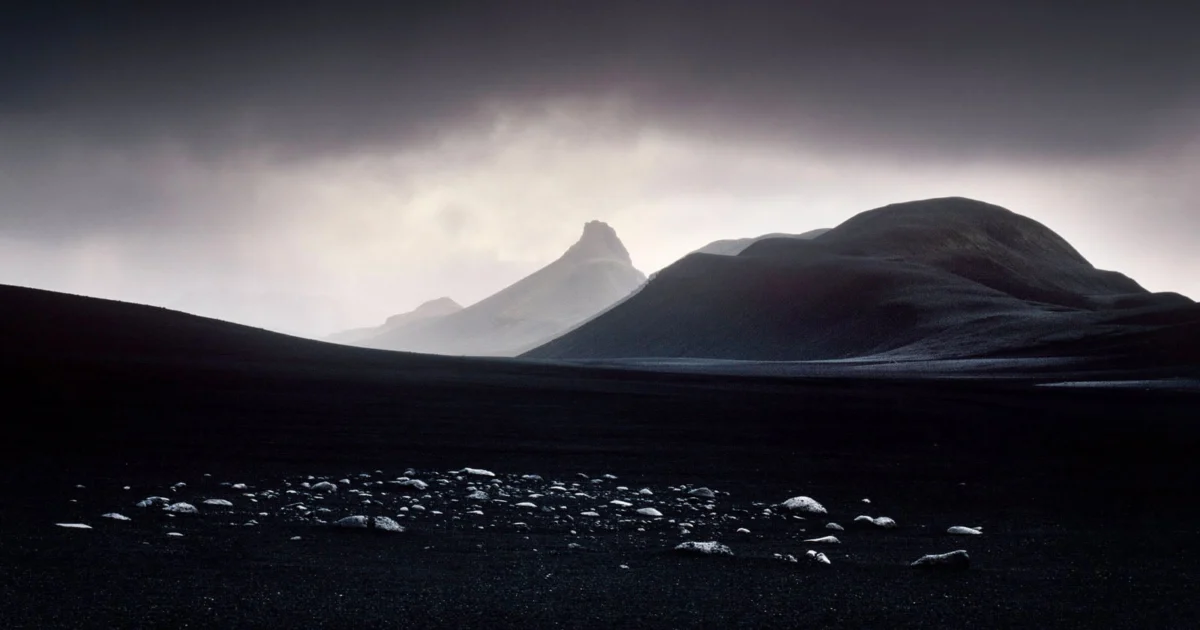
The discipline of landscape photography has long been characterized by the image of the solitary artist, wandering remote terrains to capture the ephemeral play of light on nature. However, a growing discourse within the professional photographic community suggests that this isolation, while necessary for the act of creation, is increasingly detrimental to the long-term development of the artist. As the digital landscape shifts from open networking to algorithmic gatekeeping, industry veterans and creative analysts are identifying a critical distinction between the pursuit of a broad "audience" and the cultivation of a "community." This shift marks a return to the foundational roots of the medium, where peer-to-peer exchange and selective feedback loops served as the primary engines of artistic evolution.
The Duality of the Photographic Pursuit
Landscape photography is fundamentally a private endeavor. At its core, the act of making a picture is driven by an individual need to interpret the world, to find order in the chaos of nature, and to enrich one’s personal experience through the lens. This internal motivation is what sustains photographers during long hours of travel and the physical rigors of field work. Yet, as the work matures, a secondary impulse almost inevitably emerges: the desire for the work to be seen.
This impulse toward visibility often creates a psychological conflict for the artist. While the act of creation is personal, the act of sharing is social. For decades, photographers have grappled with the tension between making art for themselves and seeking the validation of others. In the modern era, this tension has been exacerbated by the rise of global digital platforms, which have redefined what it means to "show" work. The transition from physical galleries and specialized journals to mass-market social media has fundamentally altered the feedback loop that photographers rely on for growth.
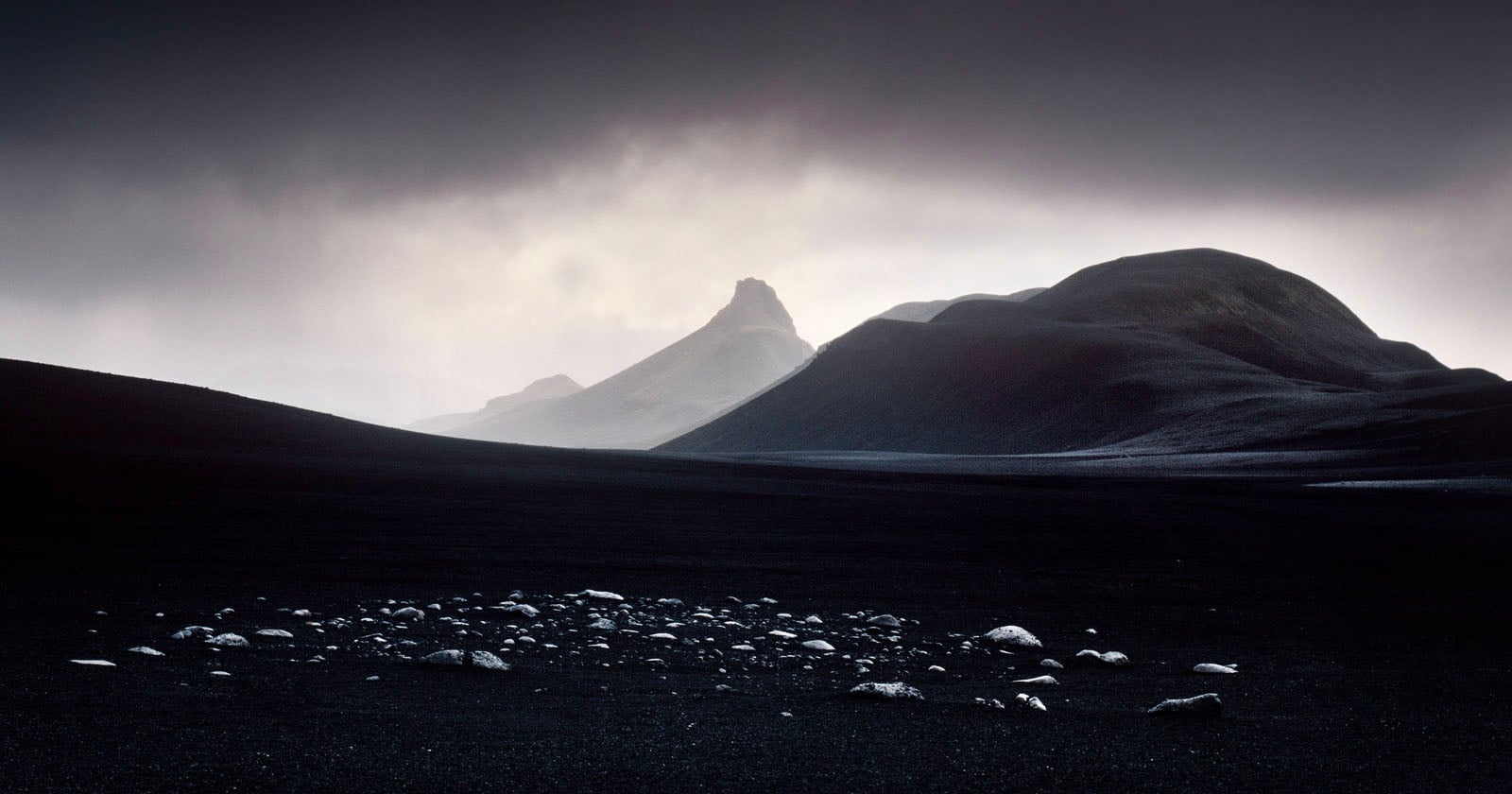
The Algorithmic Brokerage: Why Social Media Fails the Artist
For over a decade, platforms such as Instagram and Facebook were marketed as tools for building community. However, current data suggests a starkly different reality. According to industry reports on digital engagement, the average organic reach for professional accounts has plummeted to between 1% and 5% of a user’s total following. This decline is the result of a shift from chronological feeds to algorithm-driven discovery models, where visibility is often contingent on "pay-to-play" advertising or the production of high-frequency, low-depth content like "Reels."
In this environment, social media functions less like a gathering place and more like a brokerage. The platform dictates who sees the work and when, often prioritizing engagement metrics over artistic merit. For the landscape photographer, this creates a one-way "broadcast" dynamic. The artist puts work into the world, and an audience—often anonymous and fleeting—consumes it. This relationship offers exposure but lacks the depth of communication necessary for creative nourishment.
Furthermore, the "audience" on these platforms is largely outside of the photographer’s control. While a large following may provide a sense of validation, it does not guarantee understanding or meaningful critique. The opinions formed by a mass audience are subjective and often disconnected from the artist’s intent, leading to a superficial engagement that many professionals now find exhausting rather than invigorating.
Historical Precedents: From f/64 to Modern Collectives
The current movement toward smaller, more intentional creative circles is not a new phenomenon but a return to historical norms. In the mid-20th century, landscape photography was defined by tight-knit communities of practice. The Group f/64, founded in 1932 by luminaries such as Ansel Adams and Edward Weston, is a primary example. These photographers did not seek a mass audience in the modern sense; instead, they exchanged prints, shared technical innovations, and engaged in rigorous ideological debates.
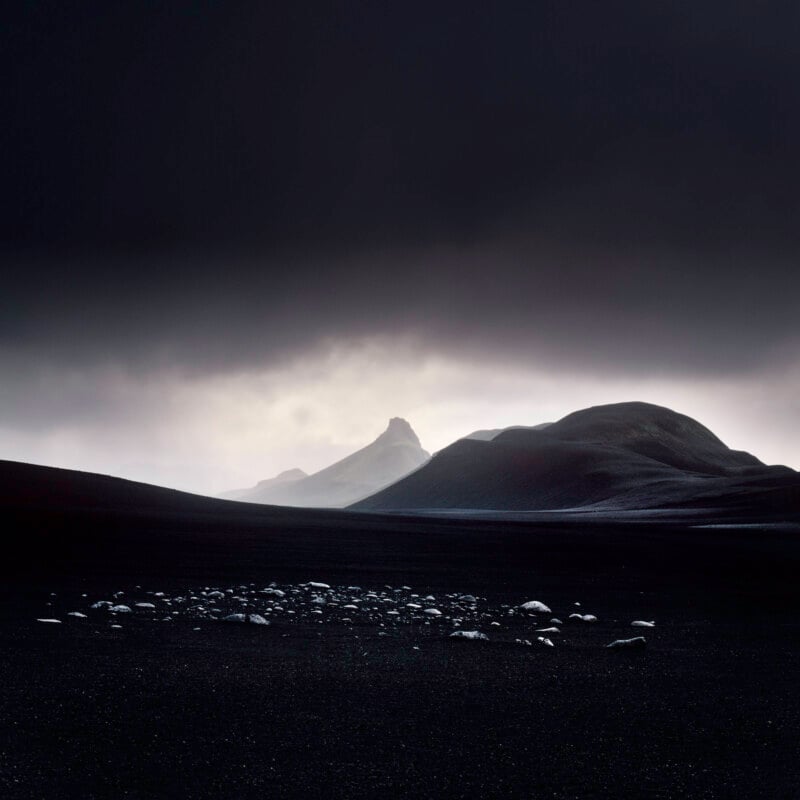
Adams and Weston were peers who functioned as each other’s most important critics. Their community was built on mutual respect and a shared commitment to the "straight photography" aesthetic. This peer-level exchange provided a level of intellectual stimulation that a distant audience could never offer. The history of the medium suggests that the most significant leaps in photographic style and technique have occurred within these small, high-trust environments rather than through broad public exposure.
Defining the Creative Community
The distinction between an audience and a community lies in the direction of the flow of information. An audience is passive; a community is interactive. A community is a curated space where conversation flows in both directions, and where the members choose to engage with one another based on shared values or complementary skills.
Building such a community requires a deliberate and selective approach. Professional photographers are increasingly seeking out individuals who offer "the unexpected"—peers who challenge their perspectives and ask difficult questions. Crucially, these community members do not always need to be photographers. Many professionals find that insights from musicians, writers, or business owners provide a more rounded perspective on the creative process.
For instance, the relationship between technical skill and artistic insight is often decoupled in a true community. Observations from a novice or a student can be as profound as those from a seasoned professional if they offer a way of seeing that the artist had not considered. This "cross-pollination" of ideas is the hallmark of a healthy creative network.
Case Study: The Impact of Localized Networking in Iceland
The practical benefits of community-building are perhaps best illustrated through localized networking and "symbiotic relationships." Landscape photographer Bruce Percy, a veteran of the industry who has led international workshops since 2007, cites a specific instance where a simple invitation to lunch with an Icelandic local transformed his career.
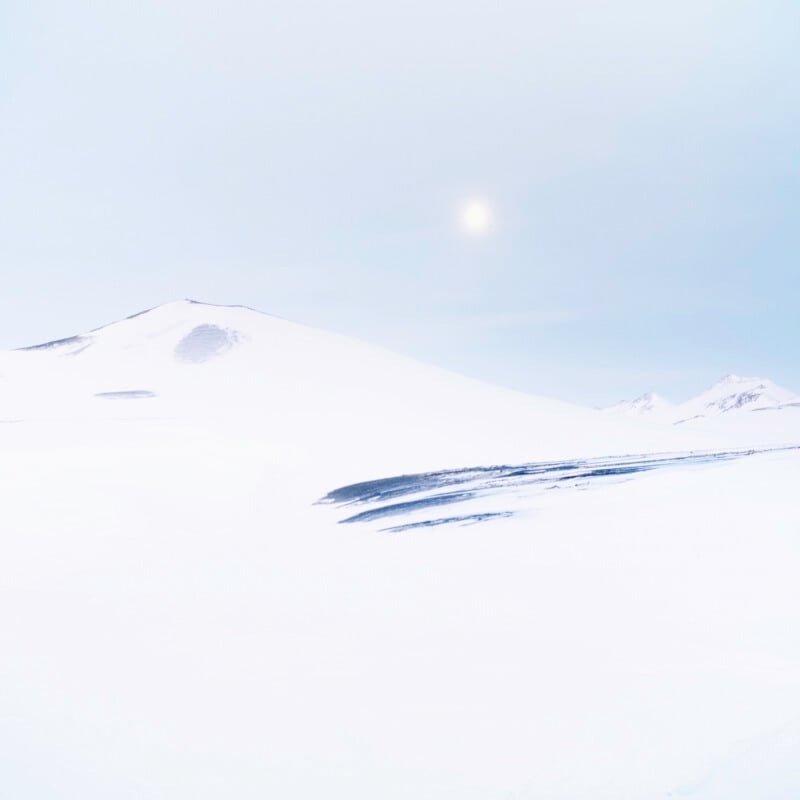
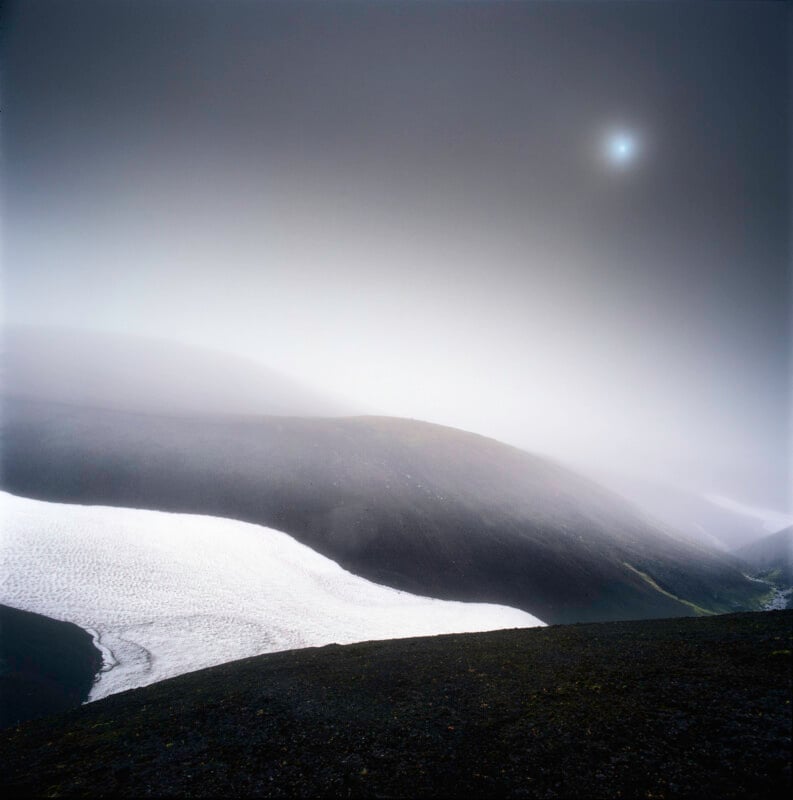
The individual, Haukur, was not a fellow photographer but a local who understood the nuances of the Icelandic landscape. Through this relationship, Percy was introduced to the "white canvas" of the Icelandic interior during winter—a region devoid of roads and accessible only by specialized 4×4 vehicles. This connection provided Percy with access to a minimalist "playground" that allowed him to explore the edges of perception and significantly develop his photographic portfolio.
This case study highlights a critical fact: community members who understand an artist’s sensibilities can provide opportunities and insights that no amount of digital "likes" can replicate. These relationships are often founded on a shared willingness to take risks and a proactive approach to making things happen, rather than waiting for opportunities to arise through passive channels.
The Economic Logic of Symbiotic Business Relationships
Beyond the artistic benefits, there is a clear economic and professional rationale for cultivating a community. Small business owners in the creative sector often face similar challenges, from marketing and logistics to the psychological toll of self-employment. By surrounding themselves with others running complementary businesses, photographers can create a support system that fosters resilience.
These symbiotic relationships are built on the idea that independent operators can achieve more through collaboration than through competition. For a landscape photographer, this might mean partnering with local guides, specialized publishers like ELEMENTS Magazine, or workshop organizers. These entities do not just provide a service; they become part of the photographer’s professional ecosystem, helping to clarify their vision and reach a more engaged, niche market.
Analysis of Implications: The Future of Creative Sustainability
The move away from mass-market social media toward private communities has significant implications for the future of the industry. As algorithmic fatigue sets in, we are likely to see a rise in "closed" digital spaces, such as private forums, Discord servers, and subscription-based newsletters. These platforms allow for a level of depth and personalization that Instagram cannot match.
Furthermore, the role of the "influencer" is being challenged by the role of the "educator" or "mentor." Photographers who focus on building deep relationships with a small group of engaged peers or students are finding more long-term sustainability than those chasing viral fame. This shift suggests that the next decade of landscape photography will be defined by quality over quantity—both in terms of the images produced and the connections made.
In conclusion, while the landscape remains a solitary place for the photographer to work, the mind of the artist requires the friction and stimulation of others to remain sharp. The "audience" provides a mirror that is often distorted by the medium through which it is viewed. The "community," by contrast, provides a window into new ways of thinking. By cultivating a network of thoughtful, curious, and challenging individuals, the modern landscape photographer can ensure that their work continues to evolve, grounded not in the fleeting approval of the masses, but in the enduring strength of human connection. The future of the craft lies in the return to these intimate, purposeful circles where the act of seeing is shared, questioned, and ultimately elevated.

