


The Physiological Imperative: Understanding Ultraviolet Radiation
To appreciate the gravity of recent research, one must first understand the electromagnetic spectrum as it relates to vertebrate health. Ultraviolet radiation is categorized into three distinct bands based on wavelength: Ultraviolet A (UVA), Ultraviolet B (UVB), and Ultraviolet C (UVC). While UVC (wavelengths below 280 nanometers) is primarily germicidal and used for pathogen control in aquatic systems, and UVA (315-380 nanometers) is associated with behavioral regulation and "black light" perception, UVB (280-315 nanometers) is the critical driver of endocrine health.
The primary function of UVB radiation in vertebrates is the photosynthetic conversion of 7-dehydrocholesterol into pre-vitamin D3 within the skin. This precursor then undergoes a temperature-dependent conversion into vitamin D3, which is transported to the liver and kidneys for final hydroxylation into its active form, 1,25-dihydroxyvitamin D3. This hormone is the linchpin of calcium metabolism, ensuring skeletal integrity and preventing metabolic bone disease. Beyond bone health, Dr. Mitchell emphasizes that appropriate vitamin D3 levels are intrinsically linked to reproductive success and overall immune function in exotic species.
A Paradigm Shift in Species Application
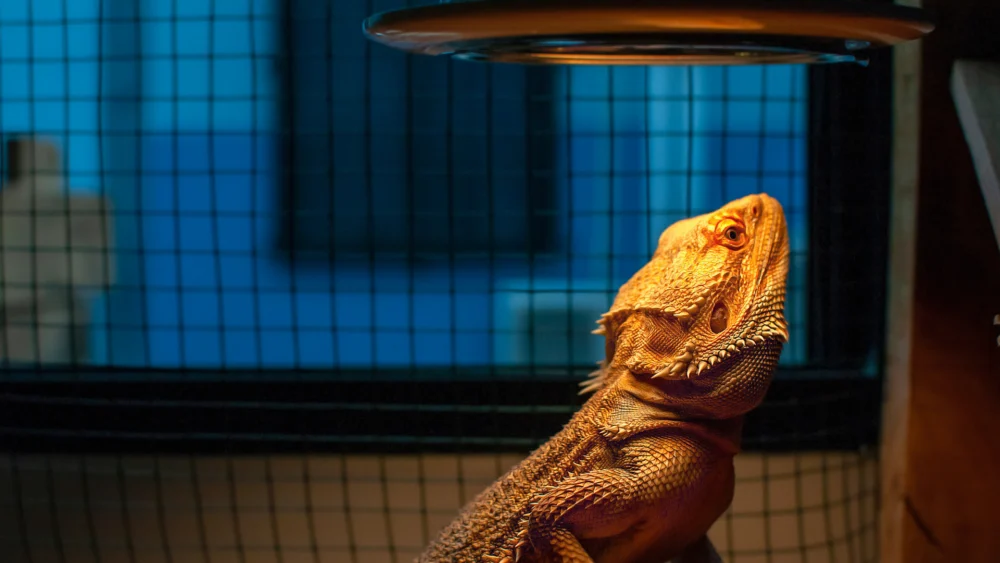
Historically, UVB lighting was considered a requirement reserved almost exclusively for diurnal lizards, such as bearded dragons and green iguanas. However, a significant portion of Dr. Mitchell’s recent work involves expanding this scope to species previously thought to be exempt from such requirements.
Recent clinical studies have demonstrated that carnivorous reptiles, including various snake species, and crepuscular reptiles like leopard geckos, show marked increases in circulating vitamin D concentrations following UVB exposure. Even more striking is the evidence supporting UVB requirements for exotic companion mammals. Research conducted on rabbits, guinea pigs, and chinchillas—species traditionally housed indoors without supplemental lighting—indicates that these animals derive substantial physiological benefits from UV exposure. This data suggests that the veterinary community must rethink the "standard of care" for small mammals, particularly those prone to dental disease and bone density issues.
The Chronology of Evidence: Recent Research Milestones
The current recommendations are built upon a series of longitudinal studies conducted between 2014 and 2025. A pivotal study by Godke et al. (2025) focused on blue-tongued skinks (Tiliqua scincoides), measuring the rise and fall of plasma 25-hydroxyvitamin D concentrations. The study found that while UVB exposure rapidly increased vitamin D levels, the "decay" or return to baseline after the removal of the light source was a slow process, taking between four to seven months depending on the initial exposure duration.
Similar studies on leopard geckos (Gould et al., 2018) and domestic rabbits (Molitor et al., 2023) have reinforced the efficiency of short-duration exposure. These findings provided the foundation for Dr. Mitchell’s most controversial yet evidence-backed recommendation: the transition from full-day photoperiods to "dosed" UVB exposure.
Technical Specifications: The "Dosing" Concept
Dr. Mitchell proposes a significant departure from the traditional 12-hour UVB photoperiod. Based on his research at LSU, he advocates for a "dosing" approach, recommending no more than two hours of UVB exposure per day for most species. This recommendation is designed to provide sufficient radiation for vitamin D synthesis while drastically reducing the risks associated with overexposure.
The risks of excessive artificial UVB are not merely theoretical. Dr. Mitchell has documented numerous cases of photokeratitis (corneal inflammation) and expressed growing concern over the development of squamous cell carcinoma in species like bearded dragons. By limiting exposure to a two-hour window, caretakers can mimic the "peak" efficiency of natural sunlight without the cumulative damage caused by 12 hours of high-intensity artificial rays.
Furthermore, the technical delivery of this light is paramount. Dr. Mitchell highlights several critical factors for successful implementation:
- Radiometer Usage: Not all bulbs produce the advertised levels of UVB. Measuring output in microwatts per square centimeter (µW/cm²) is essential for accurate dosing.
- Distance and Obstruction: UVB radiation is easily diffracted or blocked. Dr. Mitchell warns that glass and plexiglass filter out nearly all beneficial UVB. While mesh tops diffract some light, they remain the preferred barrier compared to solid transparent materials.
- Bulb Selection: Through rigorous testing, Dr. Mitchell has identified the Fluker’s 23-watt 5.0 bulb as a consistent performer. He explicitly advises against the use of "10.0" bulbs for most applications, citing them as unnecessarily intense for indoor enclosures.
Professional Inquiries and Clinical Clarifications
During recent veterinary symposia, several practitioners raised concerns regarding the practical application of restricted UVB dosing. One common question involved the use of mercury vapor bulbs, which provide both heat and UVB. Dr. Mitchell suggested that in these cases, the mercury vapor bulb should be used only during the two-hour "dose" period, with a standard incandescent heat lamp providing the thermal gradient for the remainder of the day.
Addressing the needs of nocturnal and crepuscular species, such as leopard geckos and cane toads, Dr. Mitchell noted that even these animals have evolved to utilize low levels of UV during twilight hours or via moonlight reflection. His studies found that even two hours of low-intensity exposure (5-30 µW/cm²) was sufficient to maintain healthy vitamin D levels in leopard geckos, debunking the myth that nocturnal species have no use for supplemental lighting.
Regarding avian species, the data remains more nuanced. While some studies, such as those by Stanford (2006) on African greys, show benefits, Dr. Mitchell remains cautious. He prefers natural sunlight for birds whenever possible, noting that the research on artificial UVB for psittacines has yielded mixed results compared to the definitive data seen in reptiles and small mammals.
Broader Impact and Industry Implications
The implications of Dr. Mitchell’s update extend far beyond the laboratory. For the pet retail industry, this research may necessitate a redesign of "starter kits" and a reeducation of staff who currently recommend 12-hour UV cycles. For zoological institutions and wildlife rehabilitators, the "two-hour dose" model offers a way to reduce energy costs and equipment wear while simultaneously improving animal welfare by reducing the incidence of ocular and skin pathologies.
In wildlife rehabilitation settings, particularly for nestling birds like black-crowned night herons, Dr. Mitchell emphasizes that even brief periods of outdoor exposure in protected containers can be more effective than any artificial setup. This "back-to-basics" approach, supported by high-tech monitoring, represents the future of exotic animal medicine.
Conclusion: A Call for Continued Data Collection
While the current evidence strongly supports a more measured approach to UVB lighting, Dr. Mitchell emphasizes that the field is still evolving. The "one size fits all" model of the past is being replaced by a more sophisticated, species-specific dosing strategy. He encourages veterinarians and advanced hobbyists to participate in this scientific journey by measuring vitamin D levels and publishing their findings.
The ultimate goal is to move toward a medical model where light is treated with the same precision as pharmaceuticals. As Dr. Mitchell concludes, "I want us to start thinking about vitamin D dosing like we do for antibiotics or anesthetics. Instead of saying we are going to dose an animal with 2 mg/kg, I am saying 5 to 30 microwatts." This evidence-based shift promises to illuminate the path toward healthier, more resilient captive exotic populations worldwide.

