


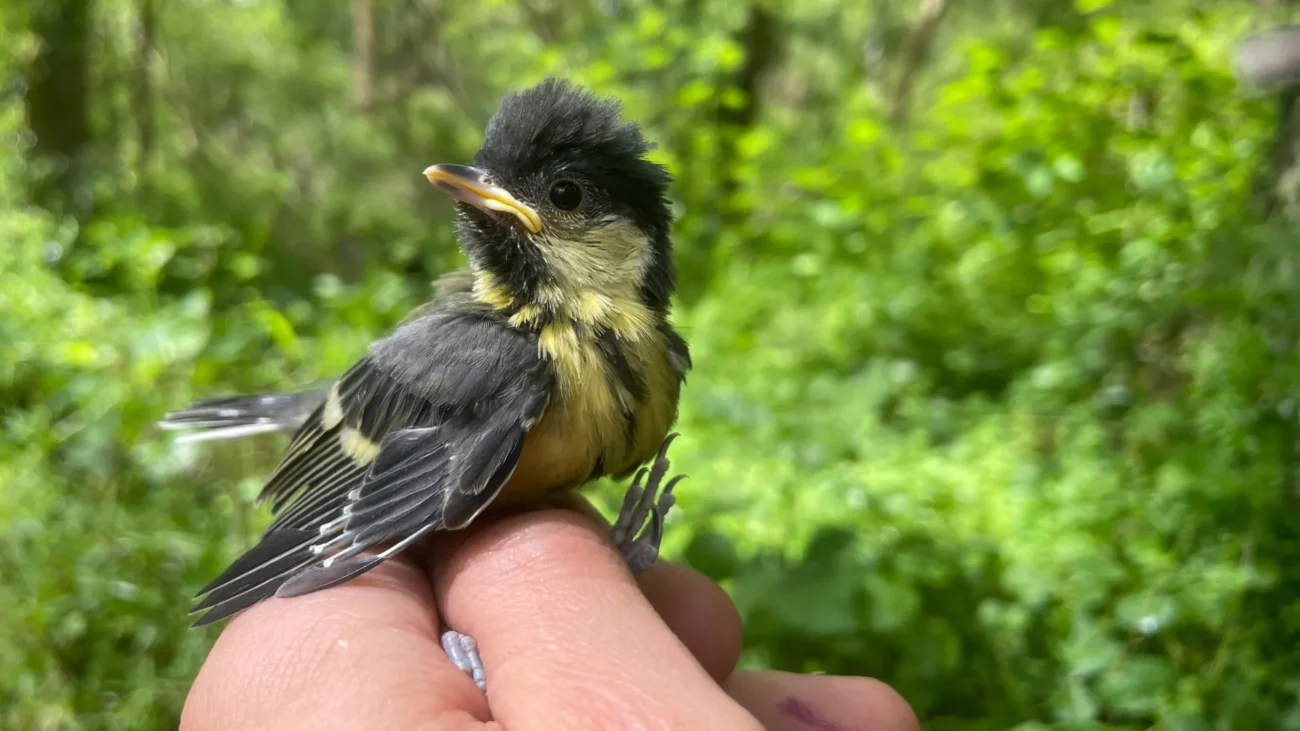
A groundbreaking six-decade study from the University of Oxford, published on March 11th, has illuminated the profound impact of sudden cold spells and heavy rainfall on the survival and development of young great tits in the United Kingdom. The research, meticulously compiled over 60 years using an extensive dataset of over 80,000 individual birds, suggests that earlier breeding may offer a crucial buffer against the detrimental effects of these increasingly common weather extremes. This extensive analysis, which correlated bird data with daily weather records, provides invaluable insights into the delicate balance of avian life in the face of a changing climate.
Decades of Data Uncover Weather’s Toll on Nestlings
The meticulous research conducted by scientists at the University of Oxford’s Wytham Woods involved an unprecedented longitudinal study. For 60 years, researchers diligently tracked the lives of great tits, meticulously recording data on individual birds. This wealth of information was then cross-referenced with detailed daily weather records for the same period. By pinpointing the coldest, wettest, and hottest days within each breeding season, the scientists were able to quantify the frequency of these extreme weather events during critical phases of chick development. Their focus was on how these extremes influenced the body mass of nestlings when they fledged – a key indicator of their future survival prospects.
The findings indicate a stark reality for young birds. Severe cold during the first week after hatching proved particularly detrimental, hindering growth and reducing chances of survival. As the chicks matured, heavy rainfall emerged as a more significant threat. Both types of extreme weather were found to reduce fledging body mass by as much as 3%, a seemingly small percentage that can have substantial implications for a bird’s ability to survive its first year.
The Amplified Threat of Combined Extremes
The study’s most alarming revelation concerns the synergistic effect of heat and heavy rain occurring simultaneously. When these two seemingly disparate weather phenomena converge, the impact on nestling development is dramatically amplified. In such scenarios, fledging mass can plummet by up to an astonishing 27%. This dramatic reduction is particularly pronounced in broods that hatch later in the breeding season, suggesting a compounding vulnerability for these late-starters.
Lead researcher Devi Satarkar, from the Department of Biology at the University of Oxford, commented on these findings: "In the Wytham population, great tits have adjusted to warmer springs by breeding earlier to track peak abundance of their main prey, caterpillars. This overall earlier laying is beneficial, buffering them against many impacts of extreme weather — but it also exposes them to cold spells early in the season. Even small early-life deficits can have large implications for survival. It will only get tougher for birds to keep up as extreme weather increases in frequency and intensity with climate change." This statement underscores the complex evolutionary arms race between species and their environment, a race that is becoming increasingly challenging due to accelerated climate change.
The Biological Mechanisms Behind Weather Vulnerability
The vulnerability of young great tits to cold and rain stems from fundamental biological limitations. Newly hatched chicks are unable to effectively regulate their own body temperature due to a lack of fully developed feathers. During cold spells, they are forced to expend a significant portion of their limited energy reserves simply to maintain core body heat, diverting vital resources away from growth and development.
Furthermore, adverse weather conditions directly impact the availability and accessibility of food. Extreme cold and torrential rain can severely restrict the ability of parent birds to leave the nest in search of sustenance. Simultaneously, heavy rainfall can dislodge caterpillars, the primary food source for growing chicks, from plants. This reduction in food availability, coupled with increased energy demands for thermoregulation, creates a perilous situation for nestlings striving to reach fledging age. The high energy demands of growing chicks, coupled with a compromised food supply and the need for constant thermoregulation, paint a grim picture of survival challenges.
A Surprising Silver Lining: Mild Heat’s Beneficial Role
In an intriguing counterpoint to the detrimental effects of cold and rain, the study revealed that warmer extremes, within certain limits, were actually linked to heavier fledging weights. While high temperatures are often associated with heat stress and negative impacts on wildlife, the warmer periods observed in Oxfordshire during the study appear to have been relatively mild compared to the extreme heat experienced in other regions, such as southern Europe.
Devi Satarkar elaborated on this nuanced finding: "Extreme weather events are affecting wild bird populations in complex ways. The level of warmth we see in these heat extremes in Oxfordshire might boost growth because it can increase insect activity and visibility — making caterpillars easier to find — while letting parents forage more and reducing nestlings’ thermoregulatory costs. The high water content in caterpillars also helps against dehydration. This contrasts sharply with hotter regions like the Mediterranean, where similar events can exceed 35°C and harm nestlings." This highlights that the impact of temperature is not linear; there is a critical threshold beyond which warmth becomes detrimental, but moderate increases can offer distinct advantages by enhancing food availability and reducing energy expenditure for thermoregulation. The water content of caterpillars, a crucial element for hydration in young birds, also plays a significant role in mitigating dehydration during warmer periods.
Early Breeding: A Strategy for Weather Resilience
The research strongly suggests that broods hatching earlier in the spring gain a significant advantage. These early nesters tend to benefit from occasional warm spells when caterpillar populations are abundant and temperatures remain within a safe and conducive range for growth. Conversely, birds that breed later in the season face a more challenging environment. Their fledglings, even under similar average temperatures, are approximately one-third lighter than those of early breeders. This disparity underscores the importance of timing in the annual life cycle of these birds, a timing that is increasingly dictated by the vagaries of weather patterns.
Over the longer term, the study indicates that while extreme cold and rainfall slightly diminish the probability of young birds surviving to adulthood, warm extremes can exert a small but positive influence. However, the overarching conclusion is that breeding earlier within a season appears to be a critical strategy for shielding a significant portion of the great tit population from the most severe consequences of unpredictable weather. This adaptive strategy, driven by evolutionary pressures, offers a glimpse into how species attempt to cope with environmental shifts.
Broader Implications for Wildlife Conservation in a Changing Climate
As climate change continues to intensify the frequency and severity of extreme weather events, the findings of this study carry significant weight for wildlife conservation efforts. Scientists emphasize the growing importance of monitoring fine-scale environmental conditions, such as microclimates and habitat variations. This granular level of understanding is crucial for developing effective conservation strategies.
Such strategies could include targeted interventions like the strategic placement of nest boxes to provide optimal protection from the elements, or nuanced woodland management practices designed to create more resilient habitats. By understanding the specific vulnerabilities of species like the great tit to particular weather patterns during critical developmental stages, conservationists can better safeguard vulnerable populations.
The researchers at the University of Oxford plan to continue their long-term monitoring of the great tit population in Wytham Woods. A key focus for future research will be to ascertain how these weather-related effects might evolve as temperatures continue to rise. A pressing question is whether heatwaves that are currently considered moderate could eventually cross the threshold into harmful territory, posing new and unforeseen challenges for avian populations. This ongoing research is vital for anticipating and mitigating the long-term impacts of climate change on biodiversity. The dynamic interplay between a species’ adaptive capacity and the accelerating pace of environmental change will undoubtedly shape the future of many wild populations.

