


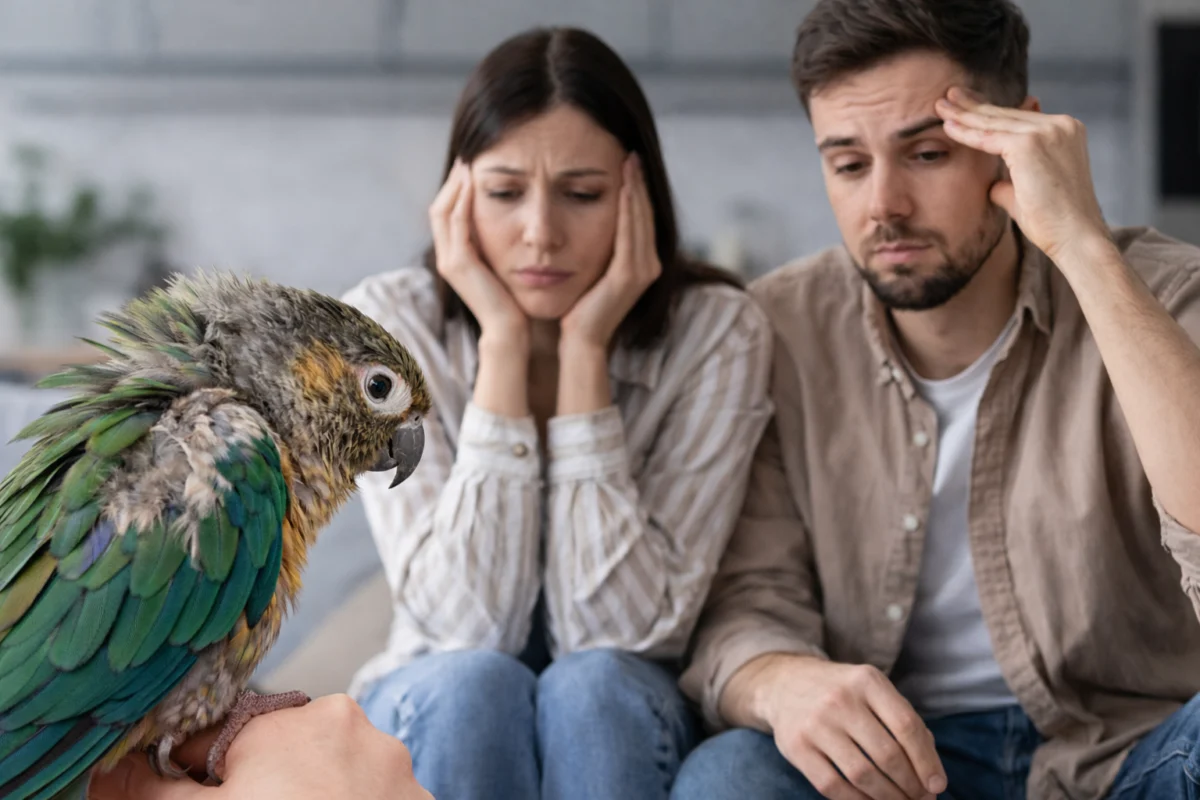
Chronic feather, skin, or what often feels like a “never-ending molt” are not conditions that manifest overnight. Pet bird owners typically arrive at this challenging juncture after weeks or months of observing a persistent cycle of feather loss, poor regrowth, skin irritation, or behaviors indicative of discomfort. This prolonged struggle often prompts uneasy questions: Is this a normal molt, or is my bird plucking? Why does this seem to be an endless cycle? And critically, why won’t the feathers simply heal? Understanding these persistent issues requires a discerning eye, a structured approach, and a commitment to avian well-being.
This guide is specifically designed for that critical moment when owners realize their bird’s body is failing to complete its natural repair processes. It moves beyond initial panic or basic advice, focusing instead on recognizing the deeper patterns at play and outlining effective next steps. We will delve into observable bird behavior, emphasize the importance of ruling out medical causes, and clarify where targeted behavior modification fits into a comprehensive treatment plan, strictly after underlying health issues have been addressed.
Understanding Normal Avian Molt and Feather Health
Feathers are complex, dynamic structures vital for flight, thermoregulation, protection, and display. Their health is a direct indicator of a bird’s overall physiological state. Molting, the natural process of shedding old feathers and growing new ones, is an energy-intensive and meticulously regulated biological event. For most healthy birds, a normal molt occurs annually or semi-annually, typically lasting a few weeks to a couple of months, depending on the species, age, and environmental factors.
During a healthy molt, old feathers are gradually replaced. Owners might notice increased feather shedding, the emergence of "pin feathers" (new feathers encased in a keratin sheath), and perhaps a temporary dip in energy or increased itchiness. This process is usually self-limiting; the pin feathers eventually unfurl, the skin settles, and the bird returns to its full, healthy plumage. The body efficiently allocates resources—proteins, vitamins, and minerals—to support this demanding process, ensuring new feathers grow strong, vibrant, and intact. Scientific studies, such as those by Chen et al. (2020) and McGraw (2006), underscore the intricate molecular signaling and nutritional regulation essential for proper feather growth and coloration.
Identifying Red Flags: When Normal Becomes Concerning
While some variation in molting is normal, certain patterns signal that a bird’s feather and skin health may be compromised. Owners must learn to differentiate between a natural, albeit sometimes uncomfortable, physiological process and a concerning health issue.
Common indicators that raise concern include:
- Prolonged or Constant Molt: The most common red flag is a molt that never seems to end, with feathers continuously falling out and new ones struggling to emerge or mature. Instead of distinct waves of feather replacement, there is a perpetual state of flux.
- Poor Feather Quality: New feathers may appear stunted, discolored, misshapen, frayed, or brittle. "Stress bars" – horizontal lines or weaknesses across the feather shaft – are a clear sign of nutritional deficiency or physiological stress during the feather’s growth phase.
- Damaged Pin Feathers: Pin feathers are often picked at, chewed, or pulled out before they can fully mature, preventing the development of a healthy feather coat. This can lead to bald patches and ongoing irritation.
- Visible Skin Issues: Persistent dry, flaky, red, or irritated skin; scabs; or open sores are critical indicators of underlying problems, whether medical or behavioral.
- Excessive Preening or Self-Mutilation: While normal preening is essential, obsessive preening, feather chewing, plucking, or self-inflicted wounds are urgent signs that something is wrong.
- Behavioral Changes: Beyond feather-focused behaviors, look for shifts in energy levels, appetite, vocalization, sleep patterns, or social interaction. A bird struggling with chronic feather issues may appear lethargic, withdrawn, irritable, or restless.
It is crucial for owners to document these observations. Keeping a simple log of feather condition and photographing affected areas weekly in consistent lighting can provide objective evidence of ongoing issues, moving beyond guesswork and emotional distress. The focus should be on how the bird’s current condition compares to its own healthy past, and how long the problematic cycle has persisted, rather than comparing it to other birds. When this pattern fails to break, it strongly suggests the body lacks the necessary "breathing room" to heal.
Initial Steps for Owners: Prioritizing Stabilization
When chronic feather or skin issues emerge, the immediate priority is stabilization, not an instant "fix." The goal is to create an optimal environment that supports the bird’s physiological recovery and minimizes additional stress, thereby allowing healthier feathers to grow in.
This stabilization phase focuses on foundational elements:
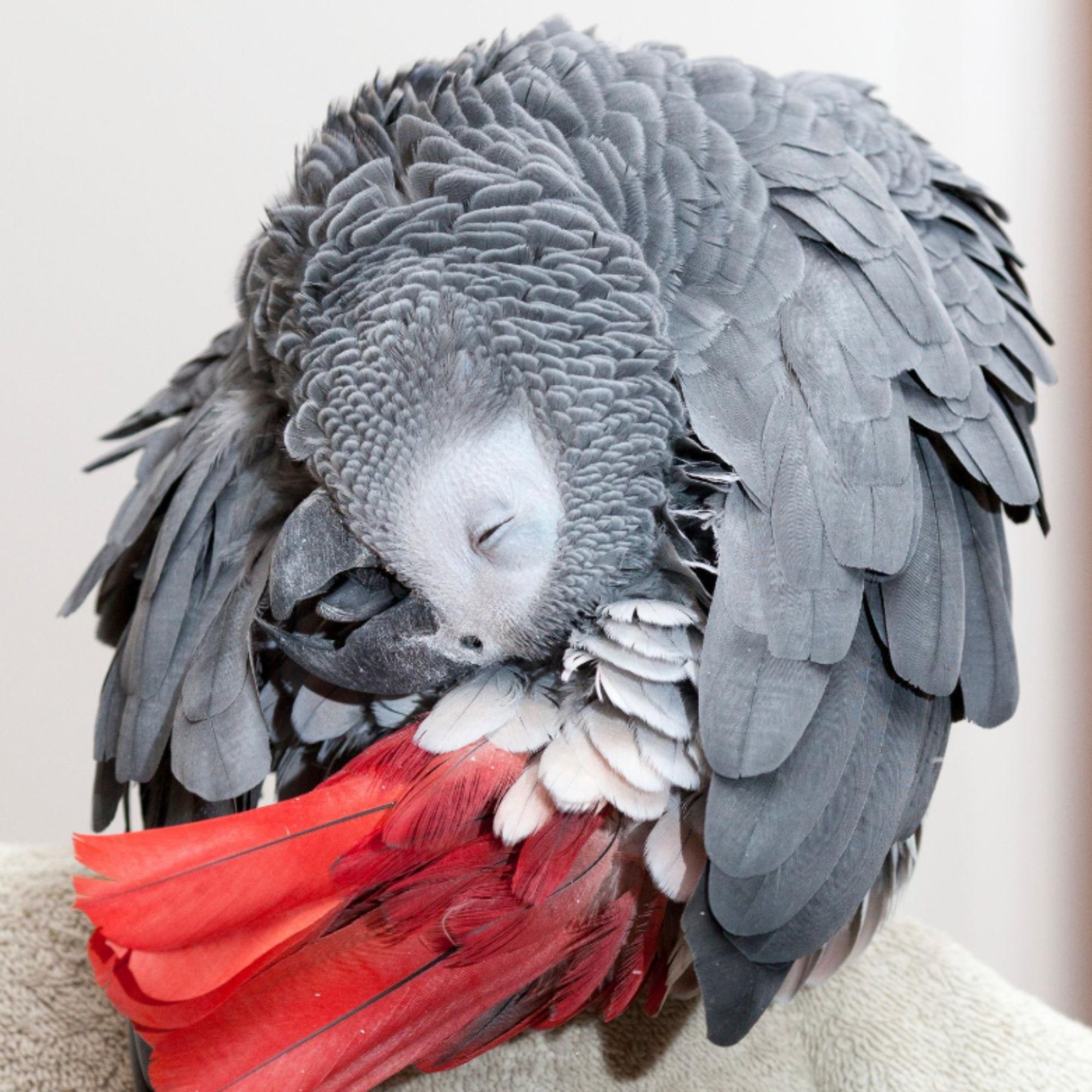
- Optimizing Nutrition: A high-quality, species-appropriate diet is paramount. This means moving away from seed-only diets, which are notoriously deficient in essential vitamins, minerals, and amino acids crucial for feather synthesis and immune function. A balanced pelleted diet, supplemented with fresh vegetables, fruits, and a small amount of healthy grains, provides the necessary building blocks. Specific attention to Vitamin A (for skin and feather health), B-complex vitamins (for metabolic processes), essential fatty acids (for skin integrity), and adequate protein is vital.
- Ensuring Consistent Sleep: Birds require 10-12 hours of uninterrupted, dark, quiet sleep daily. Disruptions can significantly elevate stress hormones, directly impacting feather quality and overall health.
- Maintaining Optimal Humidity and Bathing Opportunities: Dry indoor air can exacerbate skin irritation and make feathers brittle. Regular bathing (misting, shallow water baths, or showers) and maintaining appropriate environmental humidity (e.g., with a humidifier) are critical for skin hydration and feather flexibility.
- Minimizing Environmental Stressors: This involves reducing sudden changes, loud noises, unpredictable interactions, and perceived threats. A predictable daily routine helps reduce anxiety.
- Gentle Enrichment, Not Over-Stimulation: Provide appropriate foraging opportunities, safe chew toys, and supervised out-of-cage time, but avoid overwhelming a stressed bird with too many new stimuli. The focus is on calm engagement.
This phase is not about introducing new training, making drastic changes to the bird’s routine, or attempting complex behavioral interventions. It is a period of supportive care, allowing the bird’s body to allocate its energy towards healing rather than managing additional stressors. The goal is to shift the bird’s physiological state from chronic stress to one conducive to repair. When a body is under constant stress, its ability to produce healthy feathers is significantly impaired.
The Physiological Burden of Feather Regrowth and Stress
Growing new feathers is one of the most metabolically demanding processes a bird undergoes. It requires an immense investment of energy, nutrients, and precise hormonal signaling. Keratin, the primary protein component of feathers, must be synthesized in large quantities, necessitating a robust supply of amino acids, particularly sulfur-containing ones like methionine and cysteine. Alongside protein, vitamins (especially A, D, E, and B-complex) and minerals (calcium, zinc, copper) are critically involved in feather structure, pigmentation, and overall integumentary health.
When a bird is already channeling significant resources into feather regrowth, any additional stressors can tip the delicate balance. These stressors can be physiological (e.g., undetected illness, nutritional deficiencies) or environmental (e.g., disrupted sleep, constant handling, inadequate cage size, lack of enrichment, exposure to irritants like smoke or strong scents). The cumulative effect, known as allostatic load, can overwhelm the bird’s system, leading to a breakdown in its ability to complete a healthy molt. The body, prioritizing immediate survival mechanisms, diverts resources away from non-essential functions like optimal feather development. This often manifests as poor feather quality, incomplete molts, or the perpetuation of irritating pin feathers.
Consider the human analogy: when an individual is recovering from illness or extreme fatigue, their body requires rest, simple nourishment, and a stable, low-stress environment to heal. Birds are no different. They need the same supportive conditions when their bodies are under strain from continuous feather growth. Owners can "study" their bird’s behavior by observing subtle body language cues that indicate comfort or distress, adjusting the environment accordingly.
Common ways stress is inadvertently added:
- Excessive Handling or Training: While interaction is important, a bird already struggling may perceive constant handling or demanding training sessions as an additional burden.
- Inconsistent Routines: Birds thrive on predictability. Erratic schedules for feeding, sleeping, or out-of-cage time can be highly stressful.
- Frequent Environmental Changes: Moving cages, rearranging the room, or introducing new pets can create anxiety.
- Over-reliance on "Fix-it" Supplements: Introducing too many new supplements without professional guidance can sometimes cause digestive upset or imbalances, adding stress.
- Reacting to Undesirable Behaviors: Negative reactions to plucking or excessive preening can inadvertently reinforce the behavior by providing attention, however negative.
Recognizing these potential stressors is not about guilt, but about empowerment. It provides owners with actionable insights to create a more restorative environment for their avian companions, allowing their bodies the necessary space to recover and produce healthier plumage.
The Role of Environment and Husbandry in Avian Well-being
Beyond diet and sleep, the broader environment and daily husbandry practices significantly influence a bird’s ability to cope with the demands of molting and maintain healthy skin and feathers.
- Cage Environment: An appropriately sized cage with varied perches (different diameters and textures) promotes foot health and prevents pressure sores. Cage cleanliness is crucial to prevent bacterial or fungal growth that could affect skin and feathers.
- Lighting: Access to natural light or full-spectrum avian lighting (UVB and UVA) is essential for vitamin D synthesis, which in turn aids calcium absorption and overall health. Adequate light cycles also regulate hormonal processes, including those involved in molting.
- Enrichment: A mentally stimulated bird is less likely to engage in feather destructive behaviors out of boredom or frustration. Providing a variety of safe toys for chewing, shredding, and foraging, as well as opportunities for physical activity, is vital.
- Social Interaction: Parrots are highly social animals. Appropriate social interaction, whether with human companions or compatible avian partners, is essential for their psychological well-being. However, over-bonding or social isolation can also be sources of stress.
These elements collectively contribute to a bird’s allostatic capacity – its ability to adapt and cope with stressors. When husbandry is optimized, the bird’s body can better allocate resources to feather health and repair.
Behavioral Interventions: A Post-Medical Approach
Behavior modification is a powerful tool in addressing feather issues, but its application must be carefully timed and strategically implemented. As Diane Burroughs, an LCSW and ABA-trained behavior guru specializing in avian anxiety, emphasizes, behavior modification is most effective after all potential medical causes have been thoroughly ruled out by a qualified avian veterinarian. Attempting to address a behavioral symptom that stems from an underlying medical condition is not only ineffective but can also delay critical treatment.
When medical issues are clear, behavior modification shifts from trying to "correct" feather-focused behaviors to proactively strengthening normal, positive parrot activities. The goal is to enrich the bird’s life to such an extent that it spends less time fixated on its feathers. Natural parrot behaviors—eating, bathing, chewing, exploring, playing, and calm preening—are inherently stress-relieving. These activities engage a bird’s mind and body, providing appropriate outlets for energy and instinctual drives.

For example:
- Foraging Opportunities: Making a bird "work" for its food through foraging toys or hidden treats mimics natural behaviors and provides mental stimulation.
- Chew and Shred Toys: Providing an abundance of safe materials for chewing and shredding can redirect destructive energy away from feathers.
- Regular Bathing: Encouraging bathing not only supports feather and skin health but can also be a calming, self-soothing activity.
- Positive Reinforcement: Rewarding desired behaviors (e.g., playing with a toy, eating vegetables, calm interaction) strengthens those patterns, making them more likely to occur.
As stress levels decrease and the bird’s daily life becomes more predictable and enriched, feather-focused habits often diminish in intensity. This holistic approach recognizes that physical health and psychological well-being are intrinsically linked, and improvements in one area often positively impact the other.
Seeking Professional Guidance: When and Who to Consult
Knowing when to seek professional help, and from whom, is paramount for chronic feather and skin issues.
Immediate Avian Veterinary Consultation is Required If You Observe:
- Physical Changes: Weight loss (keel prominence), visible skin damage (open wounds, severe redness, scabs), lethargy, low energy, or significant appetite shifts.
- Acute Deterioration: A sudden worsening of feather condition or the onset of plucking/mutilation.
- Signs of Pain: Hunched posture, limping, reluctance to move, or vocalizations indicating discomfort.
- Discharge: Any unusual discharge from nostrils, eyes, or cloaca.
- Abnormal Droppings: Changes in color, consistency, or frequency.
An avian veterinarian is the first and most critical point of contact when physical changes are observed or medical causes are suspected. They can conduct thorough physical examinations, blood tests, feather biopsies, skin scrapings, and imaging studies to diagnose underlying conditions such as:
- Nutritional Deficiencies: As discussed, poor diet is a frequent culprit.
- Infections: Bacterial, fungal, parasitic (e.g., mites, giardia), or viral infections (e.g., Psittacine Beak and Feather Disease (PBFD), Polyomavirus).
- Organ Disease: Liver, kidney, or thyroid issues can manifest in poor feather quality.
- Toxicity: Exposure to heavy metals or environmental toxins.
- Allergies: Though less common, birds can have environmental or food allergies.
- Internal Parasites: Can contribute to overall poor health and nutrient malabsorption.
Once medical causes have been comprehensively ruled out, and the issue appears to be primarily habit-driven or stress-induced, a qualified avian behaviorist can provide invaluable support. Their expertise lies in understanding parrot psychology, identifying environmental triggers for stress, and designing tailored behavior modification plans that foster healthier coping mechanisms and enrich the bird’s life. It is crucial to ensure the behaviorist is certified and experienced with avian species, as their approach differs significantly from that for other companion animals.
Broader Implications for Avian Care and Owner Responsibility
The prevalence of chronic feather and skin issues among pet birds highlights several broader implications for avian care. It underscores the profound responsibility of bird ownership, demanding not only basic care but also a deep understanding of species-specific needs, environmental enrichment, and the subtle cues of avian health.
For the pet industry, these challenges emphasize the need for continued education for both retailers and consumers, promoting optimal husbandry practices from the outset. Early intervention and preventative care, including proper nutrition and stress reduction, can significantly mitigate the risk of these complex conditions. The ongoing research into avian physiology, nutrition, and behavior, as exemplified by the provided references, continually refines our understanding and improves care standards.
Ultimately, addressing chronic feather and skin issues is a testament to the owner’s commitment to their bird’s welfare. It often requires patience, persistence, and a willingness to collaborate with avian health professionals. The journey can be demanding, but the reward is a healthier, happier bird with vibrant plumage—a clear reflection of its inner well-being.
Key Takeaway
With chronic feather and skin issues in birds, a methodical and staged approach is essential. Begin by thoroughly supporting the bird’s physical health through optimized nutrition, consistent rest, appropriate humidity, and predictable routines. This stabilization phase creates the necessary foundation for healing. If feather problems persist, worsen, or are accompanied by concerning signs like weight loss, pain, or skin damage, an avian veterinarian is the indispensable first call to rule out and treat any underlying medical conditions. Only after medical causes are confidently excluded should behavior support be introduced, focusing on reducing stress and reinforcing natural, positive parrot behaviors rather than attempting to force a cessation of plucking. This integrated strategy offers the best chance for long-term recovery and improved quality of life for the affected bird.

