


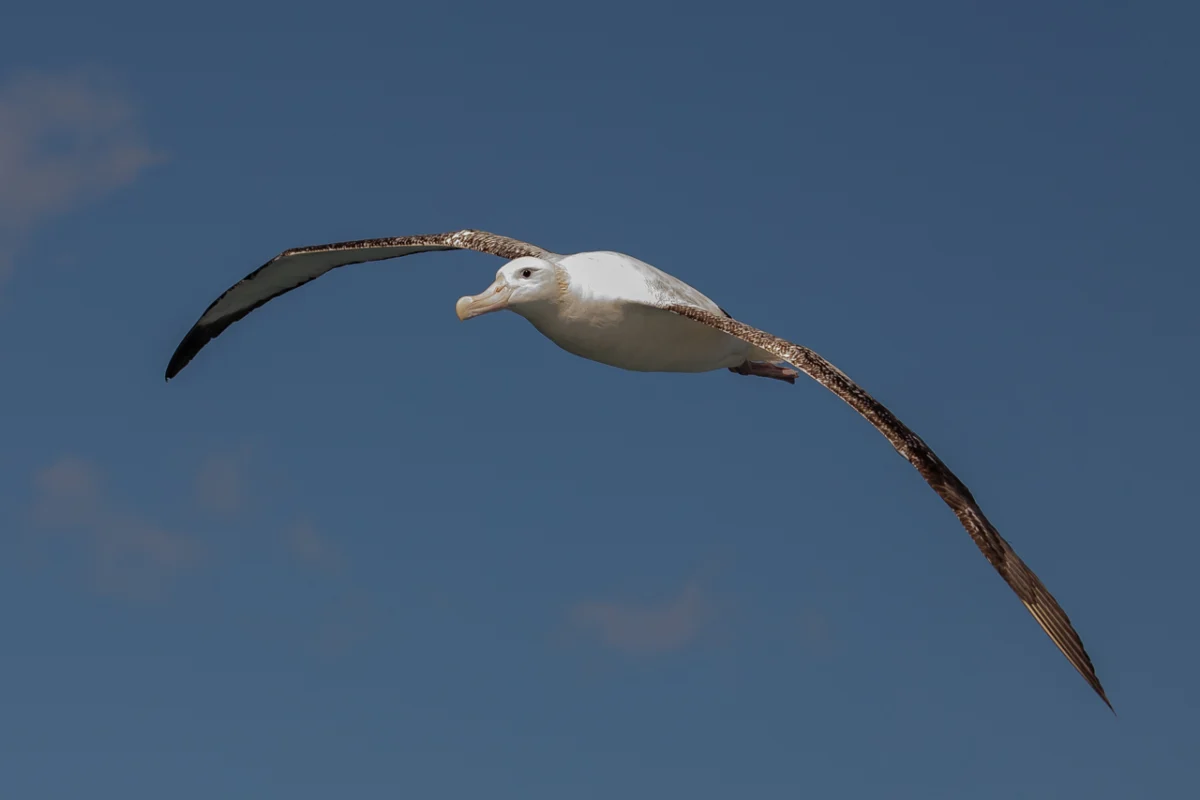
When a truly colossal bird graces the sky, the effect is immediate and profound. Conversations falter, heads instinctively tilt upward, and for a captivating moment, the world pauses to witness this aerial marvel. With wings stretched to an almost unbelievable width, moving with an economy of motion that belies their size, these magnificent creatures seem less like living beings and more like expertly engineered aircraft. This extraordinary breadth, known as wingspan, is the distance from one wingtip to the other. It is one of the most dramatic and revealing measurements in the natural world, offering a window into a bird’s lifestyle, its migratory capabilities, and its unparalleled mastery of flight. The largest wingspans belong to the ultimate masters of soaring, species that can ride prevailing wind currents for hours on end with barely a single flap.
This article delves into the realm of these avian titans, exploring the birds that possess the most awe-inspiring wingspans on Earth. Their immense proportions are not merely for show; they are sophisticated adaptations for efficient, long-distance travel, enabling them to exploit environmental conditions in ways that smaller birds simply cannot.
The Undisputed Champion: The Wandering Albatross
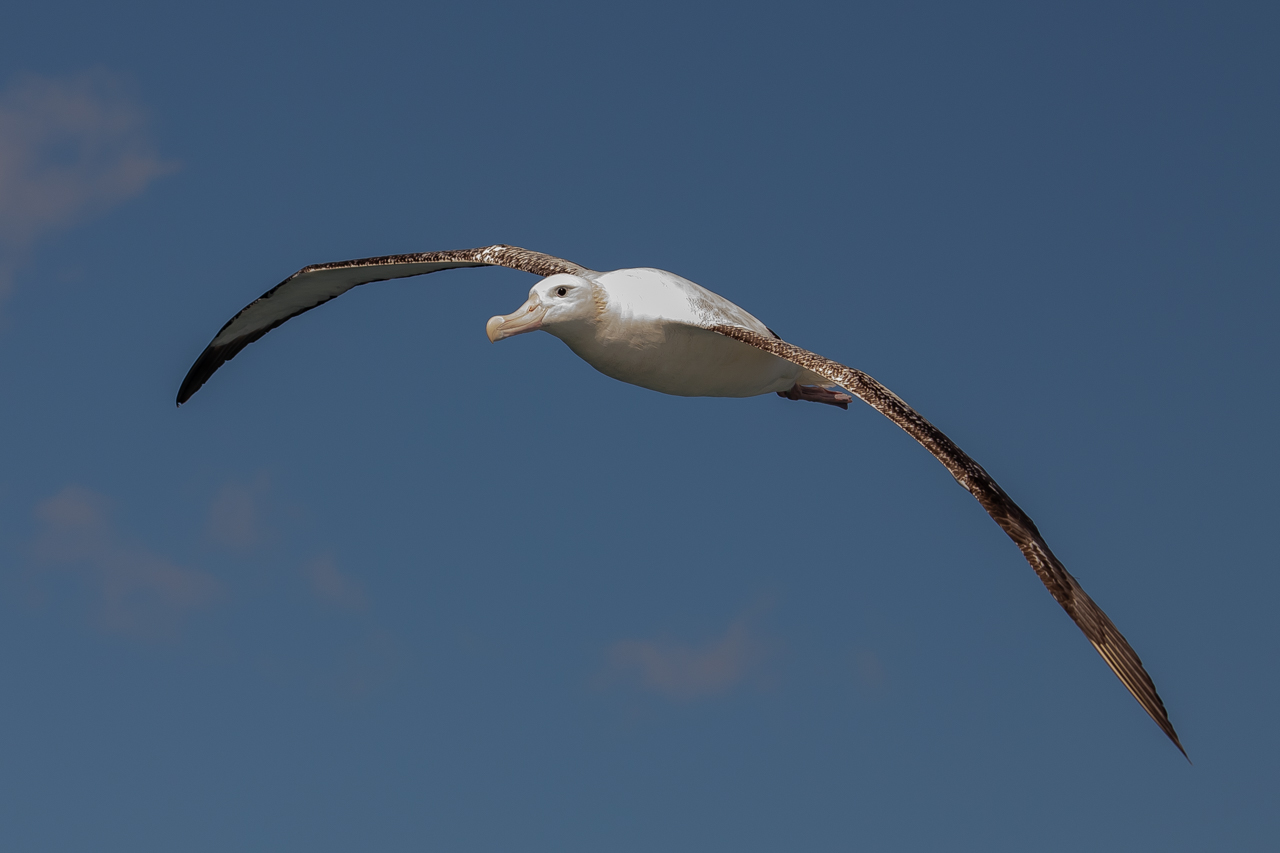
At the pinnacle of avian aerial engineering stands the Wandering Albatross ( Diomedea exulans ). This species is the undisputed heavyweight champion of the skies when it comes to sheer scale, boasting the largest wingspan of any living bird. On average, their wings measure between a staggering 2.5 to 3.5 meters (8 to 11 feet) from tip to tip. However, exceptional individuals have been documented with wingspans exceeding even these impressive figures, pushing the boundaries of what is considered aerodynamically possible for a living organism.
This immense wingspan is an evolutionary masterpiece, meticulously designed for a flight technique known as dynamic soaring. This sophisticated method allows the albatross to harness energy from the wind gradients that form over the vast expanse of the ocean waves. Their wings are characterized by an exceptionally high aspect ratio – meaning they are remarkably long and narrow. This anatomical feature enables them to glide for hundreds, sometimes even thousands, of miles with an astonishingly minimal number of flaps. Effectively, they can traverse entire oceans, consuming less energy than they would if they were to simply remain stationary on their nesting grounds. This efficiency is crucial for their life cycle, which often involves spending months at sea, far from land.
The Wandering Albatross, native to the Southern Ocean, is a prime example of how extreme wingspans facilitate a life of oceanic exploration. Their reliance on dynamic soaring allows them to exploit the powerful westerly winds of the "Furious Fifties" and "Roaring Forties," circumnavigating the globe multiple times throughout their lifespan. Their diet primarily consists of squid, fish, and krill, which they catch by surface-seizing, often while gliding low over the water. The ability to cover vast distances efficiently is paramount for locating these scattered food resources.

The Majestic Giants of the Wetlands: Pelicans
The avian world is not solely dominated by seabirds. Large water birds also possess impressive wingspans, adapted for different flight strategies and environments.
The Great White Pelican: A Soaring Behemoth
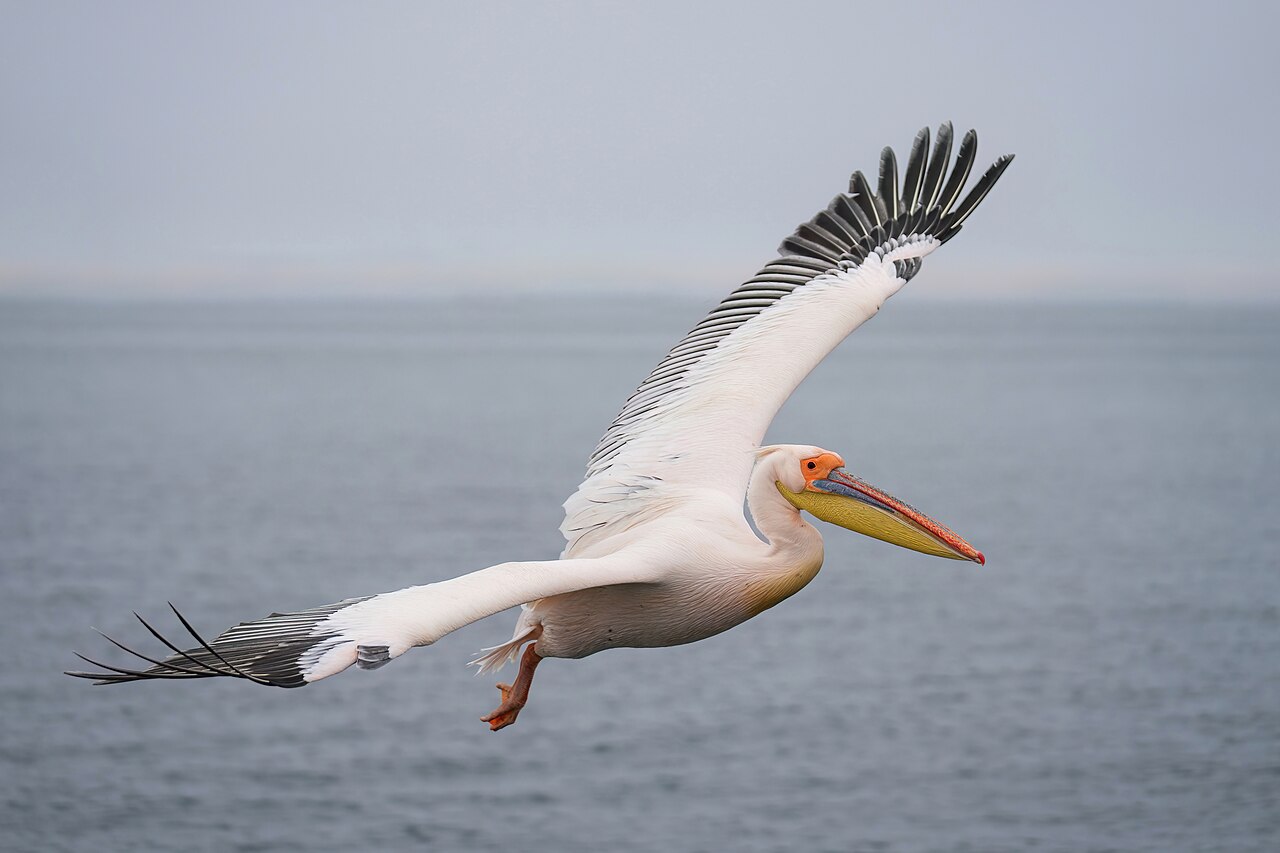
The Great White Pelican ( Pelecanus onocrotalus ) is a behemoth of the wetlands, rivaling the great albatrosses for the title of the most expansive wings in the avian world. Its wingspan typically stretches between a remarkable 2.3 to 3.6 meters (approximately 7.5 to 11.8 feet), creating a massive surface area that is perfectly adapted for thermal soaring. Unlike the narrow, blade-like wings of the albatross, designed for the relentless winds of the ocean, the pelican’s wings are broad and feature distinctive "slots" at the tips. These slotted primary feathers allow the bird to hitch a ride on rising columns of warm air, enabling them to reach incredible altitudes with minimal effort.
This vast wingspan is not merely for soaring; it is essential for supporting the pelican’s considerable body weight. These birds can weigh up to 15 kilograms (33 pounds), and their broad wings provide the necessary lift not only for long-distance migrations but also for carrying their characteristic throat pouch, often laden with fish, back to their nesting colonies. Their flight pattern is characterized by powerful, coordinated wingbeats interspersed with long glides, making them a formidable presence in the skies above freshwater lakes, rivers, and coastal areas across Eurasia and Africa.
The Dalmatian Pelican: A Ghostly Glider
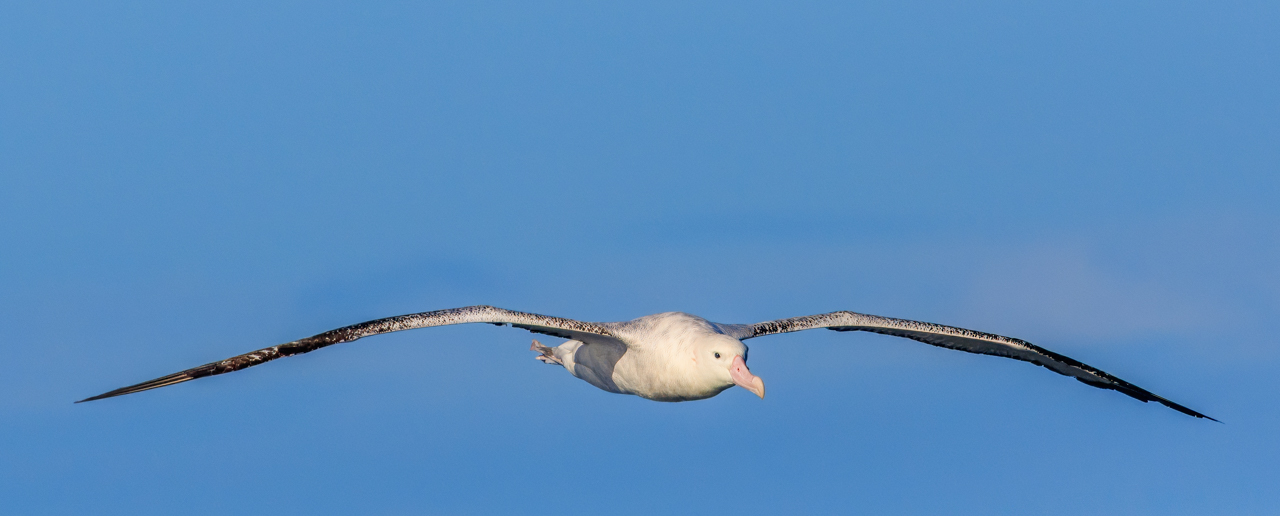
Holding the title for the largest and heaviest of all pelican species, the Dalmatian Pelican ( Pelecanus crispus ) sports a wingspan that is truly gargantuan. Their wings typically stretch between 2.7 to 3.5 meters (8.9 to 11.5 feet), placing them in a neck-and-neck tie with the Wandering Albatross for the widest reach in the avian world. These wings are incredibly broad and powerful, designed to lift a body that can weigh up to 15 kilograms (33 lbs).
A key visual distinction between the Dalmatian Pelican and its Great White counterpart is in the appearance of their wings during flight. While the Great White Pelican has black primary feathers that create a stark, "dipped in ink" look, the Dalmatian Pelican’s wings appear more uniform. Their silvery-grey undersides create an almost ghostly silhouette as they soar over the lakes and deltas of Eurasia. Like other large pelicans, they are adept at thermal soaring, utilizing rising columns of warm air to gain altitude with remarkable efficiency. Their diet consists mainly of fish, which they scoop up using their enormous pouches. The ability to fly long distances and carry substantial prey makes them successful inhabitants of their wetland environments.
The Majestic Lords of the Mountains: Condors
The mountainous regions of the Americas are home to avian giants that have evolved their own remarkable adaptations for flight.
The Andean Condor: A Master of Mountain Winds
The Andean Condor ( Vultur gryphus ) holds the record for the largest wingspan of any bird of prey, reaching a massive 2.7 to 3.2 meters (8.9 to 10.5 feet). Unlike the slender, ribbon-like wings of the albatross, the condor’s wings are exceptionally broad and rectangular. This shape is optimized for maximum lift rather than high-speed gliding, a crucial characteristic for navigating the unpredictable updrafts of the Andes Mountains.
At the tips of these formidable wings are deep, finger-like primary feathers. The condor can adjust these individual feathers to reduce air turbulence and maintain control as it maneuvers through complex mountain air currents. This enormous surface area allows the condor, one of the world’s heaviest flying birds, to soar for hours at a time. It is not uncommon for them to cover over 100 miles without a single flap, a testament to their exceptional energy efficiency. Their primary role is that of a scavenger, and their impressive wingspan allows them to scan vast territories of rugged terrain below in search of carrion, playing a vital ecological role in the Andes ecosystem.
The California Condor: A Rescued Icon of the Skies
The California Condor ( Gymnogyps californianus ) is the largest land bird in North America, boasting a wingspan that reaches up to 2.7 to 3.0 meters (about 9 to 10 feet). Architecturally similar to its Andean cousin, the California Condor’s wings are exceptionally broad and designed to be "drag-resistant." The long, flexible primary feathers at the tips fan out like fingers, expertly catching even the slightest bit of rising warm air.

These birds are heavy, often weighing between 18 to 25 pounds (8 to 11 kg). Their enormous wingspan is therefore a biological necessity, enabling them to soar to impressive heights of up to 15,000 feet and travel distances of up to 150 miles in a single day while searching for food. To an observer on the ground, their silhouette is a distinctive, steady "plank" in the sky. This design allows them to stay aloft with almost zero flapping for extended durations, making them masters of soaring flight. The California Condor’s story is also one of remarkable conservation success. Once on the brink of extinction, with fewer than two dozen individuals remaining in the wild in the 1980s, intensive captive breeding and reintroduction programs have seen their numbers slowly but surely increase. Seeing a California Condor today is a powerful symbol of ecological recovery and human dedication to preserving biodiversity.
The Southern Royal Albatross: A Noble Ocean Voyager
The Southern Ocean is also home to another magnificent avian giant, the Southern Royal Albatross ( Diomedea epomophora ). This species is a titan of the southern seas, often standing as a true rival to the Wandering Albatross in terms of sheer breadth. Its magnificent wingspan typically measures between 2.9 to 3.3 meters (9.5 to 11 feet), providing a massive surface area for effortless gliding across the formidable "Roaring Forties" latitudes.
While its wings are structurally similar to those of the Wandering Albatross – long, thin, and stiff – the Southern Royal Albatross is often observed to be slightly sturdier in build. In the air, these wings function as high-performance sails. By locking their wing joints with a specialized "tendon lock" mechanism, they can remain airborne for hours without expending muscular energy. This effectively transforms them into living gliders that expertly harvest the energy of the powerful Antarctic gales. Like other albatrosses, they are pelagic birds, spending most of their lives at sea, returning to land only to breed on subantarctic islands. Their diet consists of fish, squid, and crustaceans, which they forage for across vast oceanic expanses.

The Physics of Gigantism: Why Big Wings Mean Soaring
The prevalence of the world’s largest wingspans among soaring birds is not a coincidence; it is deeply rooted in the fundamental physics of wing loading and energy efficiency. For any bird to sustain itself in the air through flapping flight, it must generate sufficient power to counteract its own weight. However, as a bird’s size increases, its weight escalates at a much faster rate than its muscular strength. For truly colossal birds like albatrosses or condors, continuous flapping would represent an unsustainable and debilitating energy drain.
Nature’s solution to this aerodynamic challenge is the development of high-surface-area wings. These wings function as high-performance sails, allowing these magnificent creatures to extract free energy directly from their environment. Whether they employ the long, narrow wings of albatrosses to harness wind gradients over the ocean through dynamic soaring, or the broad, slotted wings of condors and pelicans to ride rising columns of warm air via thermal soaring, their massive wingspans provide the necessary lift. This lift is critical for keeping their heavy bodies aloft for extended periods, often for hours or even days, with minimal to no muscular effort. In essence, these birds have intelligently traded the energetic cost of a powerful "engine" (flapping) for the efficiency of a sophisticated "glider" (soaring). This evolutionary trade-off allows them to traverse thousands of miles across their respective habitats while expending less energy than they would simply standing still.
Two Blueprints for Big Wings: Gliders vs. Lifters
While all these giants are masters of soaring, they achieve this through two fundamentally different aerodynamic designs:

The Gliders: Albatrosses and Their High Aspect Ratio Wings
Albatrosses, exemplified by the Wandering and Southern Royal species, utilize what are known as High Aspect Ratio wings. These wings are exceptionally long and slender, akin to the wings of a high-performance sailplane. This design is optimized for minimizing drag and is perfectly suited for the high-speed, consistent winds encountered over the open ocean. The narrow shape allows them to slice through the air efficiently, making the most of every gust and gradient.
The Lifters: Condors and Pelicans and Their Low Aspect Ratio Wings
Condors and pelicans, on the other hand, employ Low Aspect Ratio wings. These wings are characteristically short and broad, providing maximum lift at relatively slower speeds. A key feature of these wings, particularly in condors, are the "fingered" or slotted primary feathers at the tips. These act much like the winglets found on modern airplanes, helping to reduce air turbulence and improve aerodynamic efficiency as the birds circle tightly within narrow thermals. This design is ideal for exploiting the buoyant air currents found over landmasses and mountainous terrain.
The Top Tier: A Comparative Look at the Giants
Each of the birds with the largest wingspans is a testament to specialized evolution, perfectly attuned to its unique environment. Their wings have evolved not only in size but also in shape to capitalize on the specific wind patterns and thermal dynamics prevalent in their oceanic and mountainous habitats.

| Bird | Approximate Maximum Wingspan (meters) | Primary Wing Style | Environmental Niche |
|---|---|---|---|
| Great White Pelican | 3.6 | Broad, "Thermal" wing | Wetlands, lakes, coastlines |
| Wandering Albatross | 3.5 | Narrow, "Wind" wing | Open oceans |
| Dalmatian Pelican | 3.5 | Broad, "Thermal" wing | Lakes, deltas, wetlands |
| Southern Royal Albatross | 3.3 | Narrow, "Wind" wing | Southern Ocean |
| Andean Condor | 3.2 | Broad, "Mountain" wing | Andes Mountains |
| California Condor | 3.0 | Broad, "Mountain" wing | North American canyons |
Wingspan vs. Weight: A Matter of Design Philosophy
It is an interesting observation that the bird with the largest wingspan is not always the heaviest. For instance, certain species of bustards and swans can significantly outweigh many albatrosses, yet their wingspans are considerably shorter. Conversely, albatrosses achieve their extraordinary wing length without being massive in body. This highlights a fundamental difference in their flight strategies, akin to the distinction between a high-performance glider and a heavy-duty cargo aircraft. Each design is optimized for a specific purpose: efficiency for covering vast distances with minimal energy expenditure versus the capacity to carry substantial weight.
Encountering a Giant: A Shift in Perspective
For those fortunate enough to witness these avian giants in person, the experience often brings about a profound shift in perspective. It becomes clear that the sky is not an empty void but a vibrant habitat, a complex aerial landscape navigated with grace and precision. The immense wings of these creatures are not merely appendages; they are the products of sophisticated biological engineering, perfectly adapted to harness the invisible rivers of air that flow across our planet.
Whether observed soaring above stormy seas, across vast African lakes, or within the dramatic canyons of the American West, these birds serve as powerful reminders of the sheer scale and wonder of the living world. They are living testaments to nature’s ingenuity and the diverse ways life has conquered the challenge of flight.

Final Reflections: The Art of Grandeur in Flight
Birds that possess the largest wingspans are, by definition, specialists in grandeur. They have made a deliberate evolutionary choice, trading speed and agile maneuverability for unparalleled endurance and energy efficiency. This trade-off has transformed them into true long-distance champions of the planet, capable of feats of aerial navigation that inspire awe.
The next time you find yourself gazing upward and notice a vast silhouette drifting serenely high overhead, take a moment to consider the incredible journey it represents. You might be witnessing an albatross that has circumnavigated entire oceans, or a condor majestically reclaiming ancient skies. Regardless of the species, you are in the presence of one of nature’s most breathtaking achievements: the art of flying on wings wider than many automobiles. These feathered titans remind us of the immense power and beauty of the natural world and the extraordinary adaptations that allow life to thrive in even the most challenging environments.

