


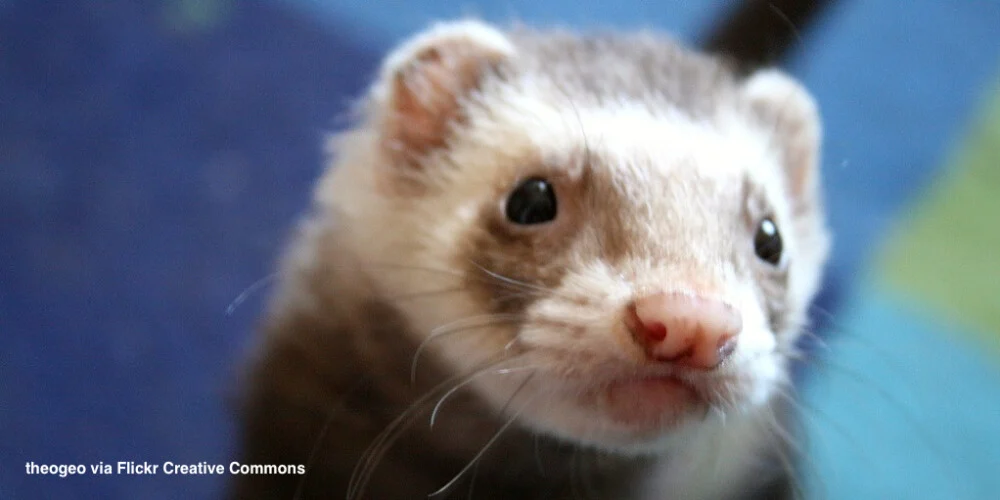
The veterinary community is preparing for a significant educational event as LafeberVet announces a virtual master class led by the distinguished Cathy Johnson-Delaney, DVM. Scheduled for Wednesday, May 20, 2026, at 2:00 pm EDT, the session titled "The Geriatric Collapsing Ferret: More Than Insulinoma" aims to address a critical diagnostic gap in exotic animal medicine. As ferrets (Mustela putorius furo) continue to hold their place as popular companion animals, their increasing lifespan in domestic settings has led to a rise in complex geriatric cases. This master class is designed to provide clinicians with the tools necessary to look beyond common assumptions and accurately diagnose the various underlying causes of collapse and ataxia in aging ferrets.
The Diagnostic Challenge of the Aging Ferret
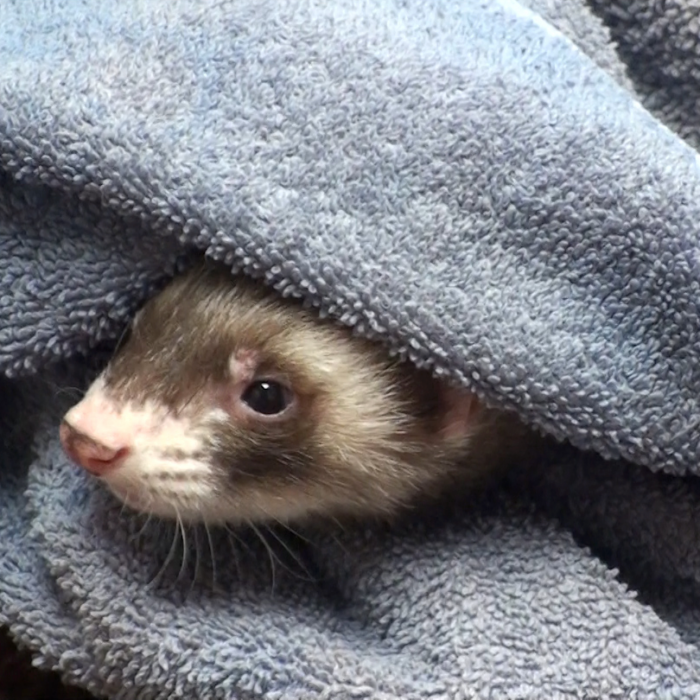
Geriatric ferrets, typically those over four or five years of age, often present to veterinary clinics with a cluster of non-specific clinical signs. These include intermittent hind limb weakness, generalized ataxia, exercise intolerance, and episodes of total collapse. For many years, the "gold standard" reflex for such presentations has been a diagnosis of insulinoma—a common neoplasia of the pancreatic beta cells that results in excessive insulin secretion and subsequent hypoglycemia.
However, Dr. Johnson-Delaney argues that the immediate jump to an insulinoma diagnosis can be a clinical pitfall. The reliance on quick, point-of-care glucometer testing often leads to false positives or misleading data. Handheld glucometers, while convenient, are frequently calibrated for human, canine, or feline blood, and their accuracy in mustelids has been a subject of ongoing debate and study. When a ferret registers a blood glucose reading below the standard range of 70-90 mg/dL, many clinicians immediately prescribe prednisone, a corticosteroid used to manage hypoglycemia. While this may provide temporary symptomatic relief, it often fails to address—and can sometimes mask—other life-threatening conditions such as cardiac disease, renal failure, or occult musculoskeletal issues.
Chronology of Ferret Medicine and Diagnostic Evolution
To understand the importance of this master class, one must look at the timeline of ferret medicine. In the 1980s and 1990s, ferrets transitioned from being viewed primarily as laboratory animals or working "ferreters" to mainstream household pets. During this period, insulinoma and adrenal gland disease emerged as the "big two" endocrinopathies dominating the clinical landscape.
By the early 2000s, specialized veterinary research began to highlight the nuances of ferret physiology. It became clear that ferret blood glucose levels fluctuate significantly based on diet, fasting intervals, and stress levels. The mid-2010s saw a shift toward more comprehensive diagnostics, including the use of high-resolution ultrasound and specialized cardiac workups. Despite these advancements, the tendency to over-diagnose insulinoma persists in general practice due to the high prevalence of the disease and the relative ease of the "glucose test and treat" approach. Dr. Johnson-Delaney’s upcoming lecture represents the latest effort in a decades-long push to elevate ferret care to the same diagnostic rigor applied to dogs and cats.
Beyond Insulinoma: Exploring Differential Diagnoses
The core of the upcoming master class will focus on the vast array of differentials for the "collapsing ferret." While insulinoma remains a major concern, the lecture will delve into several other critical systems:
1. Cardiovascular Disease:
Cardiac issues, particularly dilated cardiomyopathy (DCM) and hypertrophic cardiomyopathy (HCM), are frequently overlooked in ferrets. These conditions lead to reduced cardiac output, resulting in lethargy and "fainting" episodes that mimic hypoglycemic collapse. Dr. Johnson-Delaney will discuss the significance of cardiomegaly on radiographs and the necessity of echocardiography for a definitive diagnosis.
2. Renal and Metabolic Disorders:
Chronic kidney disease is a common ailment in aging ferrets. The resulting uremia can cause profound weakness and neurological deficits. Furthermore, electrolyte imbalances—specifically fluctuations in calcium and potassium—can lead to cardiac arrhythmias and muscle tremors, further complicating the clinical picture.
3. Musculoskeletal and Neurological Issues:
Geriatric ferrets are prone to osteoarthritis and intervertebral disc disease (IVDD). Hind limb weakness caused by spinal pain or joint degeneration is often misinterpreted as the "weakness" associated with low blood sugar. Distinguishing between neurological ataxia and metabolic weakness is a key skill Dr. Johnson-Delaney intends to impart.
4. Dental and Gastrointestinal Disease:
Severe dental disease or chronic gastric ulcers can lead to chronic pain and anemia. An anemic ferret will exhibit exercise intolerance and may collapse during exertion, not because of insulin levels, but due to a lack of oxygen-carrying capacity in the blood.
Technical Analysis of Glucose Monitoring
A pivotal segment of the master class will analyze the limitations of current diagnostic tools. Recent veterinary studies have shown that blood glucose values in ferrets can vary by as much as 20% when measured on different handheld devices. Furthermore, the timing of the last meal is crucial; a ferret that has not eaten for four hours may naturally show lower glucose levels than a dog in a similar state. Dr. Johnson-Delaney will emphasize the importance of processing blood samples quickly in a laboratory setting rather than relying solely on bedside monitors, as well as the need for serial glucose monitoring to establish a true trend of hypoglycemia.
The lecture will also touch upon the phenomenon of "pseudohypoglycemia," where delayed processing of blood samples allows red blood cells to continue consuming glucose in the tube, leading to artificially low readings. This technical nuance is vital for clinicians who send samples to external laboratories.
Profile of the Presenter: Dr. Cathy Johnson-Delaney
Dr. Cathy Johnson-Delaney brings over 30 years of experience in avian, exotic, and laboratory animal medicine to the virtual stage. A graduate of Washington State University, her career has been defined by a commitment to the welfare of non-traditional pets. As a founding member of the Washington Ferret Rescue & Shelter, she has seen thousands of cases, providing her with a unique perspective on the long-term health trends of the species.
Her accolades include being named the 2003 Exotic DVM of the Year and receiving the 2009 Oxbow Exotic Mammal Health Award. Beyond clinical practice, she is a prolific author and editor, most notably of the comprehensive textbook Ferret Medicine and Surgery. Her leadership roles as Past President of the Association of Avian Veterinarians (AAV) and the Association of Exotic Mammal Veterinarians (AEMV) underscore her influence in the field. This master class represents an opportunity for practitioners to learn from a pioneer who has shaped the modern standards of exotic animal care.
Continuing Education and Professional Impact
The webinar is not merely an informational session but a formal continuing education (CE) opportunity. It has been approved for 2.0 credit hours by the American Association of Veterinary State Boards (AAVSB) Registry of Approved Continuing Education (RACE). This accreditation is significant for veterinarians and veterinary technicians who must fulfill annual CE requirements to maintain their licenses.
By offering this course via Zoom, LafeberVet ensures that global practitioners can access high-level specialized knowledge without the need for travel. The platform allows for interactive Q&A sessions, enabling attendees to present specific case challenges to Dr. Johnson-Delaney. For those unable to attend the live broadcast on May 20, the session will be recorded and archived on the LafeberVet website, ensuring the longevity of the educational content.
Broader Implications for Exotic Animal Medicine
The move toward more nuanced diagnostics in ferret medicine reflects a broader trend in the veterinary profession: the "specialization of the generalist." As pet owners become more educated and willing to pursue advanced care for exotic species, general practitioners are under increasing pressure to provide more than just basic husbandry advice.
The "collapsing ferret" scenario is a microcosm of the challenges faced in exotic medicine. It highlights the need for evidence-based protocols and the danger of "pattern recognition" when it leads to premature diagnostic closure. By encouraging vets to perform full workups—including blood chemistry, urinalysis, and imaging—the master class aims to improve the quality of life and longevity of pet ferrets.
In conclusion, "The Geriatric Collapsing Ferret: More Than Insulinoma" is set to be a landmark event for 2026. It challenges the status quo of ferret diagnostics and provides a roadmap for managing the complex needs of aging mustelids. For the veterinary professional, it is an essential update; for the pet ferret, it is a promise of more accurate, compassionate, and effective medical care. Registration is currently open through the LafeberVet portal, with a press release available for clinics to share with their staff and professional networks.

