


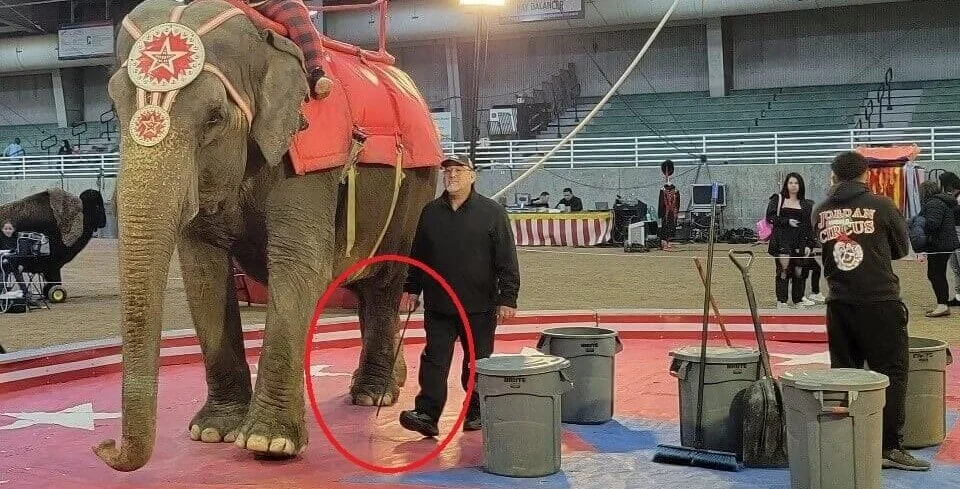
The announcement comes after a period of intense scrutiny and mounting pressure from People for the Ethical Treatment of Animals (PETA), which spearheaded a multi-year advocacy campaign that included more than 600,000 appeals from the public, dozens of grassroots protests at tour stops, and formal complaints filed with the United States Department of Agriculture (USDA). The cessation of elephant acts by Jordan World Circus reflects a broader industrial trend in the United States, where the tradition of traveling animal menageries is increasingly viewed as incompatible with modern ethical standards and scientific understandings of animal cognition.
The Life and Hardships of Viola: A Five-Decade Chronology
Viola’s journey is a microcosm of the captive elephant experience in the 20th and 21st centuries. Born in the wild in Southeast Asia, she was captured as a calf and transported to the United States to begin a life of forced performance. For the majority of her life, she has been under the control of Carson & Barnes Circus, a company that frequently leases its animals to smaller regional circuses like Jordan World.
Throughout her tenure on the road, Viola was subjected to a rigorous schedule that defied her advancing age. In 2025 alone, she was documented performing in nearly 200 shows across multiple states. This grueling pace was maintained despite her suffering from chronic health issues common to elderly captive elephants, including painful joint conditions and foot ailments. A report from a leading elephant veterinarian, commissioned during the height of the advocacy campaign, revealed that Viola suffered from a restricted range of motion in her right front wrist and an untreated, likely painful toenail condition—an ailment that, if left unmanaged, can lead to life-threatening infections in pachyderms.
Viola’s history is also marked by repeated attempts to escape her environment. Records indicate that she has attempted to flee her handlers on at least four separate occasions. The most recent and publicized incident occurred in 2024 in Butte, Montana, during a Jordan World Circus engagement. Viola broke through a temporary enclosure and wandered into a busy street, narrowly avoiding traffic before being recaptured. For animal behaviorists, these "escapes" are rarely seen as accidental; rather, they are interpreted as "learned helplessness" reaching a breaking point, manifesting as a desperate attempt to flee a source of chronic stress.
The Physical and Psychological Toll of Circus Performance
The use of elephants in traveling shows requires a level of confinement and transport that is fundamentally at odds with the biological needs of the species. Asian elephants are highly social, migratory animals that, in the wild, walk up to 30 miles a day and live in complex matriarchal societies. In the circus circuit, elephants like Viola spend the vast majority of their lives in chains or cramped transport trailers.
The constant standing on hard surfaces, such as concrete or asphalt, is the primary cause of musculoskeletal disorders and foot rot in captive elephants. According to the Association of Zoos and Aquariums (AZA), foot disease and arthritis are the leading causes of euthanasia in captive elephants in North America. For Viola, the repetitive nature of circus tricks—such as standing on her hind legs or sitting on stools—placed immense pressure on her aging joints, exacerbating the wrist condition noted by veterinary experts.
Furthermore, the training methods utilized to ensure compliance in wild animals often involve the use of the bullhook, a heavy baton with a sharp metal hook at the end. The bullhook is used to apply pressure to sensitive areas of the elephant’s skin, creating a "discipline of fear." While circus proponents often refer to these tools as "guides," welfare advocates and many veterinary professionals argue that the tool’s primary function is to maintain dominance through the threat of physical pain.
Regulatory Scrutiny and Public Backlash
The decision by Jordan World Circus to retire its elephant acts did not occur in a vacuum. It follows years of regulatory friction involving Carson & Barnes Circus. The USDA has cited the exhibitor numerous times over the decades for violations of the Animal Welfare Act (AWA), ranging from failure to provide adequate veterinary care to the unsafe handling of animals during public interactions.
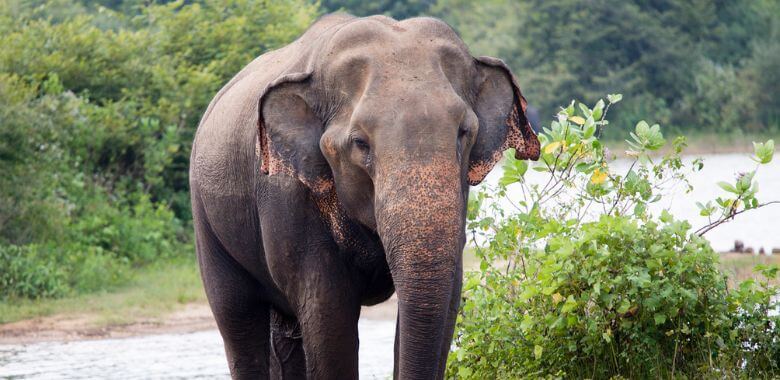
Public perception has also shifted dramatically since the 2017 closure of the original Ringling Bros. and Barnum & Bailey Circus, which cited declining ticket sales and high operating costs following the retirement of its own elephant troupe. Since then, numerous municipalities and several states, including California, New York, and Hawaii, have enacted bans on the use of wild animals in traveling performances. This patchwork of legislation has made it logistically difficult and financially burdensome for circuses to maintain elephant acts, as they must navigate varying legal requirements in every jurisdiction on their tour route.
The campaign against Jordan World Circus was particularly effective due to its digital reach. PETA’s mobilization of over 600,000 supporters to email the circus management created a PR crisis that was compounded by local media coverage of the 2024 Montana escape. The spectacle of an elderly, limping elephant navigating suburban traffic became a viral image that the circus found increasingly difficult to defend as "family entertainment."
Industry Implications and the Shift Toward Human-Centric Performance
The removal of elephants from Jordan World Circus is indicative of a larger transformation within the live entertainment industry. As audiences become more educated about the complexities of animal sentience, the demand for traditional "animal acts" has plummeted. In their place, human-centric performances—pioneered by companies like Cirque du Soleil—have flourished. These productions focus on high-level athleticism, artistry, and technology, proving that the circus can remain a viable and profitable business model without the inclusion of captive wildlife.
Industry analysts suggest that the remaining circuses still utilizing elephants are facing an "extinction of the business model." With insurance costs rising for animal-based entertainment and the pool of available "rental" elephants shrinking as older animals die or are retired, the transition to animal-free shows is becoming a matter of economic survival as much as ethical evolution.
The Path Forward: The Call for Sanctuary Retirement
While the news that Viola is "off the road" is being celebrated as a victory, animal rights advocates emphasize that the work is only half-finished. Removing an elephant from the performance circuit does not automatically guarantee a life of peace. Currently, Viola remains under the ownership of Carson & Barnes Circus. The primary concern for welfare groups is ensuring that she is not simply moved to a stationary breeding facility or a private zoo where her conditions might not improve.
The ultimate goal for Viola and other elephants in her position is relocation to an accredited sanctuary. Facilities such as the Elephant Sanctuary in Tennessee or the Performance Animal Welfare Society (PAWS) in California offer hundreds of acres of naturalistic habitat. In these environments, retired elephants are provided with specialized geriatric veterinary care and, perhaps most importantly, the autonomy to choose how they spend their time and with whom they socialize.
For an elephant like Viola, who has spent over 50 years responding to commands and enduring the vibrations of transport trucks, the opportunity to graze in a field and navigate a natural landscape without chains represents the only true form of retirement.
Conclusion
The decision by Jordan World Circus to end its elephant acts is a significant milestone in the movement to end the exploitation of wild animals for entertainment. It reflects the combined power of veterinary science, persistent advocacy, and a more compassionate public conscience. However, the story of Viola remains a poignant reminder of the thousands of animals still caught in the transition between an era of exploitation and a future of conservation and respect. As Viola enters this new chapter of her life, the focus of the international community remains fixed on her final destination, with the hope that her remaining years will be spent far from the noise of the big top and the sting of the bullhook.

