


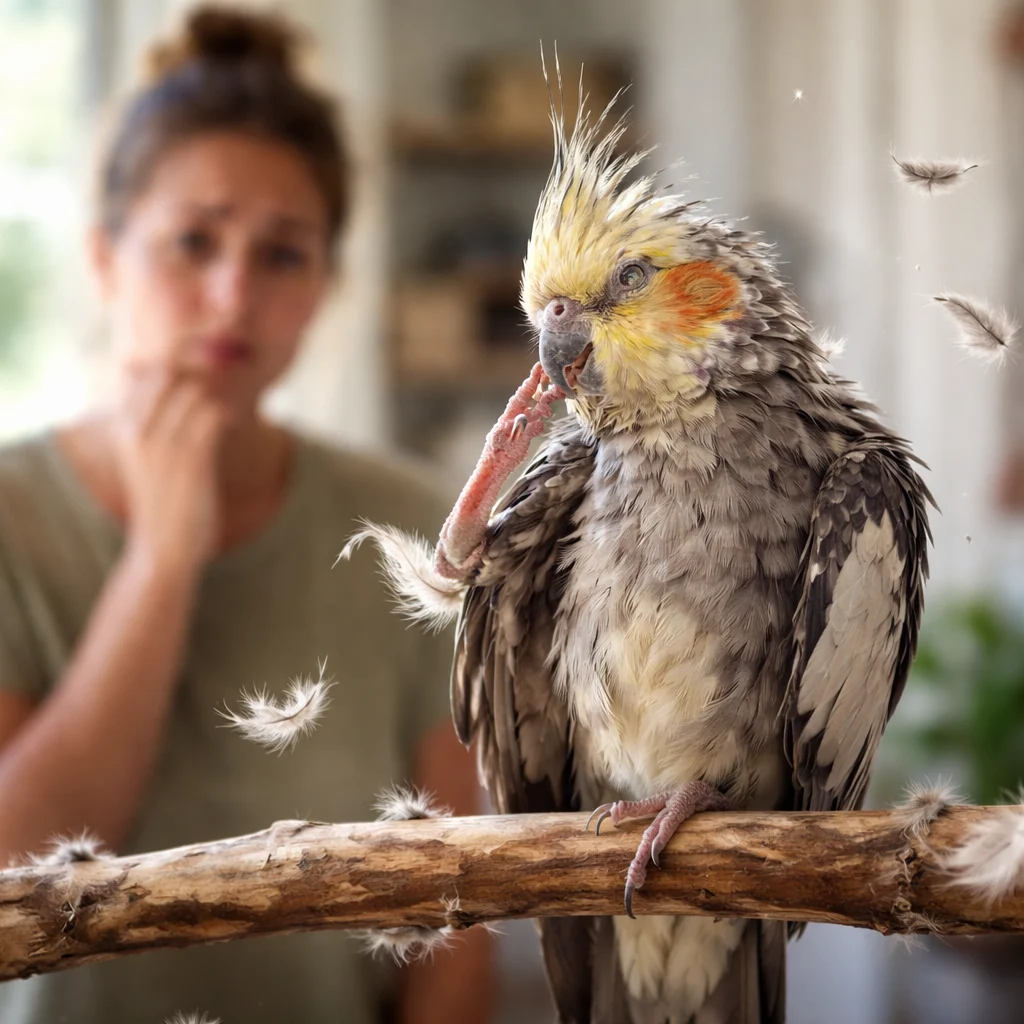
Feather loss in companion birds is a common observation that frequently prompts concern among owners, necessitating a clear understanding of its underlying causes. The distinction between natural physiological molting and pathological feather plucking is paramount for ensuring avian health and welfare. While both phenomena result in feather absence, their etiologies, implications, and required interventions are vastly different. Misdiagnosis can lead to delayed treatment for serious health issues or unnecessary anxiety over a natural process. This article, drawing on expert insights from avian behaviorists and veterinarians, provides a comprehensive guide to differentiating these conditions, offering practical advice for bird owners.
The Biological Imperative of Feathers and the Molting Cycle
Feathers are not merely aesthetic features; they are complex epidermal outgrowths crucial for a bird’s survival and well-being. They facilitate flight, provide insulation against temperature extremes, offer protection from environmental elements, and play vital roles in courtship displays and camouflage. Given their constant exposure to wear and tear, feathers require regular replacement. This process is known as molting.
Molting is a natural, cyclical physiological event controlled by hormones, light cycles, and nutritional status. It is essential for maintaining the integrity and functionality of a bird’s plumage. During a normal molt, old, worn feathers are shed gradually and replaced by new ones, ensuring the bird retains sufficient feather coverage for flight and thermoregulation. The timing and duration of molting vary significantly among species, often influenced by seasonal changes, breeding cycles, and individual bird factors. For many captive parrots, molting may occur once or twice a year, lasting several weeks to a few months, with some species experiencing a more continuous, less distinct molt.
Identifying a Normal Molt: Key Indicators
A healthy molt typically presents with several characteristic signs that differentiate it from problematic feather loss:
- Symmetrical Feather Loss: One of the most reliable indicators of a normal molt is the symmetrical shedding of feathers. Birds usually lose feathers in corresponding areas on both sides of their body (e.g., both wings, both legs, or both sides of the chest). This symmetrical pattern ensures the bird maintains balance and some flight capability throughout the process. Owners might observe bald spots appearing under the wings or on the legs as new feathers emerge.
- Presence of Pin Feathers: A hallmark of active feather regrowth during a molt is the appearance of "pin feathers." These are new feathers encased in a waxy keratin sheath, resembling small, spiky quills protruding through the skin. Pin feathers are often itchy and sensitive as they develop, prompting birds to preen them extensively to break open the sheath and allow the feather to unfurl. The sight of numerous, healthy pin feathers is a strong indication of a normal molting cycle.
- Clean Skin Surface: During a normal molt, the underlying skin should appear healthy, smooth, and free from lesions. While some temporary redness or dryness due to the emerging pin feathers is possible, there should be no signs of bleeding, scabbing, inflammation, or open wounds.
- Gradual and Even Shedding: Molting is a gradual process. Feathers are shed over weeks or months, not all at once. The bird maintains a relatively even feather coverage, even if it appears a bit "ragged" due to new and old feathers. Large, sudden patches of bare skin are usually not indicative of a healthy molt.
- Normal Behavior (with minor irritability): While molting birds may experience some discomfort and itchiness, leading to temporary grumpiness, increased preening, or a slight reduction in energy, their overall demeanor, appetite, and activity levels should remain largely consistent. Significant changes in behavior, such as lethargy, aggression, or loss of appetite, are red flags.
Differentiating from Problematic Feather Plucking
In stark contrast to molting, feather plucking, also known as feather destructive behavior (FDB), is a complex and often distressing condition indicative of underlying issues. It involves the bird actively chewing, biting, or pulling out its own feathers, often resulting in severe plumage damage and sometimes skin lesions.
Key indicators of feather plucking include:
- Asymmetrical or Patchy Feather Loss: Unlike molting, feather plucking typically results in irregular, asymmetrical, or patchy areas of feather loss. Birds often pluck feathers from areas they can easily reach, such as the chest, abdomen, legs, and inner wings, while feathers on the head and neck (which they cannot reach) usually remain intact unless a cagemate is involved.
- Ragged or Chewed Edges on Remaining Feathers: A definitive sign of plucking is the presence of damaged, frayed, or chewed edges on the remaining feathers. This indicates active destruction rather than natural shedding. The feathers may appear stunted, bent, or broken.
- Skin Damage: The most concerning aspect of feather plucking is the potential for skin trauma. Constant plucking can lead to irritated, red, inflamed skin, often accompanied by scabs, bleeding, open wounds, and secondary bacterial or fungal infections. In severe cases, birds may mutilate their skin, leading to chronic pain and significant health risks.
- Absence of Healthy Pin Feathers (or damaged ones): While some pin feathers might be present if the bird is also molting, in plucking cases, these new feathers may also be targeted and destroyed before they can fully develop.
- Obsessive Behavior: Feather plucking often presents as an obsessive, repetitive behavior. The bird may spend an excessive amount of time plucking, sometimes to the exclusion of other normal activities like eating, playing, or social interaction. The act itself often appears frantic or compulsive.
The "Safety Stoplight": When to Call the Veterinarian
Given the potential severity of feather destructive behaviors, prompt veterinary attention is crucial when certain signs are observed. Avian experts advocate for a "Safety Stoplight" approach to guide owners:
-
RED LIGHT: CALL NOW (Emergency)
- Severe Bleeding from a Blood Feather: A broken or damaged blood feather (a new feather still receiving blood supply) can bleed profusely and rapidly. This is an emergency that requires immediate veterinary intervention to stop the bleeding and properly remove or manage the feather.
- Open Wounds, Deep Lacerations, or Significant Scabbing: Any sign of broken skin, deep cuts, or extensive scabbing indicates severe self-mutilation or trauma, carrying a high risk of infection and pain.
- Sudden, Severe Feather Loss with Systemic Signs: If rapid feather loss is accompanied by lethargy, loss of appetite, changes in droppings, difficulty breathing, or other signs of illness, it suggests a serious underlying medical condition.
- Persistent Self-Mutilation: If the bird is consistently picking at its skin, causing repeated damage, an immediate veterinary consultation is necessary to prevent further harm and address the root cause.
-
YELLOW LIGHT: MONITOR CLOSELY (Consultation Recommended)
- Persistent, Mild Plucking without Skin Breakage: If the bird is frequently plucking feathers, but there are no open wounds or significant skin damage, it warrants a veterinary consultation to identify and address potential underlying behavioral or environmental triggers before the problem escalates.
- Localized Irritation or Redness without Open Wounds: Mild skin irritation or redness that persists despite environmental adjustments suggests a need for veterinary assessment to rule out allergies, parasites, or early stages of infection.
- Unusual Grumpiness or Discomfort Beyond Typical Molt: While some irritability during molt is normal, excessive or prolonged grumpiness, withdrawal, or apparent pain could indicate a more significant issue, such as an uncomfortable or difficult molt.
- Slightly Prolonged Molt or Unusual Feather Growth Patterns: If a molt seems to last unusually long, or if new feathers are growing in abnormally (e.g., deformed, discolored), a vet visit can help rule out nutritional deficiencies or hormonal imbalances.
-
GREEN LIGHT: PROCEED WITH CARE (Normal Molt Support)
- Symmetrical Feather Loss with Healthy Pin Feathers: These are classic signs of a normal molt.
- Normal Activity, Appetite, and Droppings: The bird maintains its regular energy levels, eating habits, and digestive health.
- Temporary Itchiness or Mild Discomfort: Manageable with environmental support (e.g., increased humidity, regular bathing). In these cases, the focus shifts to supportive care to ensure a smooth and comfortable molting process.
What to Do Next: Supporting a Smooth Molt
Once a normal molt is confirmed, the owner’s primary role is to minimize discomfort and facilitate healthy feather regrowth. Drawing on expert advice from individuals like Diane Burroughs, a psychotherapist and ABA-trained behaviorist with extensive experience in avian care, a 3-step routine can significantly aid the process:
-
Optimize the Environment for Comfort:
- Humidity: Dry indoor environments can exacerbate the itchiness of developing pin feathers and lead to dry, flaky skin. Increasing ambient humidity, especially during molting, is crucial. This can be achieved through humidifiers, regular misting with plain water, or placing the bird’s cage in a steamy bathroom.
- Bathing: Frequent, gentle bathing helps to soften the waxy keratin sheaths of pin feathers, making them easier for the bird to preen open and reducing irritation. Offer shallow water baths, misting, or showers. Many birds enjoy a spray bottle with lukewarm water or a dedicated bird bath.
- Lighting: Ensure the bird receives appropriate light cycles, including access to full-spectrum UVA/UVB lighting for vitamin D synthesis, which is vital for overall health and feather quality.
-
Nutritional Fortification for Feather Growth:
- Feather production is metabolically demanding. A diet rich in specific nutrients is essential for strong, vibrant plumage.
- Protein and Amino Acids: Feathers are primarily composed of keratin, a protein. Ensure a high-quality protein source in the diet.
- Vitamins: Vitamin A (for healthy skin and feather follicles), B-complex vitamins (especially biotin, crucial for keratin formation), Vitamin D (for calcium absorption, important for bone and feather structure), and Vitamin E (an antioxidant) are vital.
- Minerals: Zinc, copper, and selenium play roles in feather pigmentation and strength.
- Omega Fatty Acids: Essential fatty acids contribute to healthy skin and glossy feathers. Supplements like red palm oil are often recommended for their rich omega content and beta-carotene (a precursor to Vitamin A).
-
Stress Reduction & Enrichment:
- While molting is natural, any underlying stress can exacerbate discomfort or potentially trigger plucking behaviors. Maintain a consistent routine, provide ample mental stimulation through toys, foraging opportunities, and social interaction. A calm, predictable environment supports overall well-being.
The "Smooth Molt" Essential Trio (General Support Categories):
To maximize comfort and expedite healthy feather growth, avian care specialists often recommend specific types of support:
- Topical Soothing Agents: Products containing natural ingredients like aloe vera can provide instant relief for itchy pin feathers and dry, irritated skin. These sprays can help soften feather sheaths and reduce the urge for excessive scratching or preening.
- Nutritional Supplements for Feathers: Specialized supplements, often containing biotin, a B-vitamin critical for keratin production, along with other essential vitamins and minerals, can ensure the bird receives all necessary building blocks for robust feather regrowth.
- Omega-Rich Oils: Oils like red palm oil are valued for their high concentration of omega fatty acids and carotenoids. These nutrients are crucial for maintaining skin health, promoting vibrant feather coloration, and contributing to overall plumage shine.
Broader Implications and Preventive Care
The ability to accurately distinguish between molting and plucking has profound implications for a bird’s health, welfare, and the owner’s peace of mind.
- Health Implications: Misdiagnosing plucking as molting can delay critical interventions for medical conditions (e.g., parasites, allergies, fungal infections, organ disease, pain) or behavioral issues (e.g., anxiety, boredom, nutritional deficiencies). Chronic plucking can lead to severe skin infections, systemic illness, and a significant reduction in quality of life. Conversely, over-treating a normal molt can lead to unnecessary stress and expense.
- Economic Impact: The costs associated with diagnosing and treating feather plucking can be substantial, involving multiple veterinary visits, specialized diagnostics (blood tests, skin biopsies, radiographs), medication, behavioral consultations, and environmental modifications. Proactive care and early identification can mitigate these expenses.
- Welfare Implications: A bird suffering from chronic plucking experiences ongoing stress, discomfort, and potentially pain. This can impact its psychological well-being, social interactions, and overall happiness. Owners also face emotional distress when their beloved pet is suffering.
- Preventive Care: Regular veterinary check-ups (at least annually), a high-quality and varied diet, a stimulating and enriching environment, and consistent observation by the owner are the cornerstones of preventive care. Addressing potential stressors, ensuring proper humidity, and providing opportunities for natural behaviors like foraging and bathing can significantly reduce the risk of feather plucking.
Conclusion
Feather loss in companion birds is a symptom that demands careful observation and informed action. While natural molting is a healthy and essential process that requires supportive care, feather plucking signals an underlying problem that necessitates prompt investigation and intervention. By understanding the diagnostic distinctions, utilizing a "safety stoplight" approach for veterinary consultations, and implementing a comprehensive supportive care routine, bird owners can play a crucial role in safeguarding their avian companions’ health and ensuring their vibrant, beautiful plumage remains a source of pride and well-being. Early detection and appropriate management are key to a long, healthy, and feather-filled life for captive birds.

