


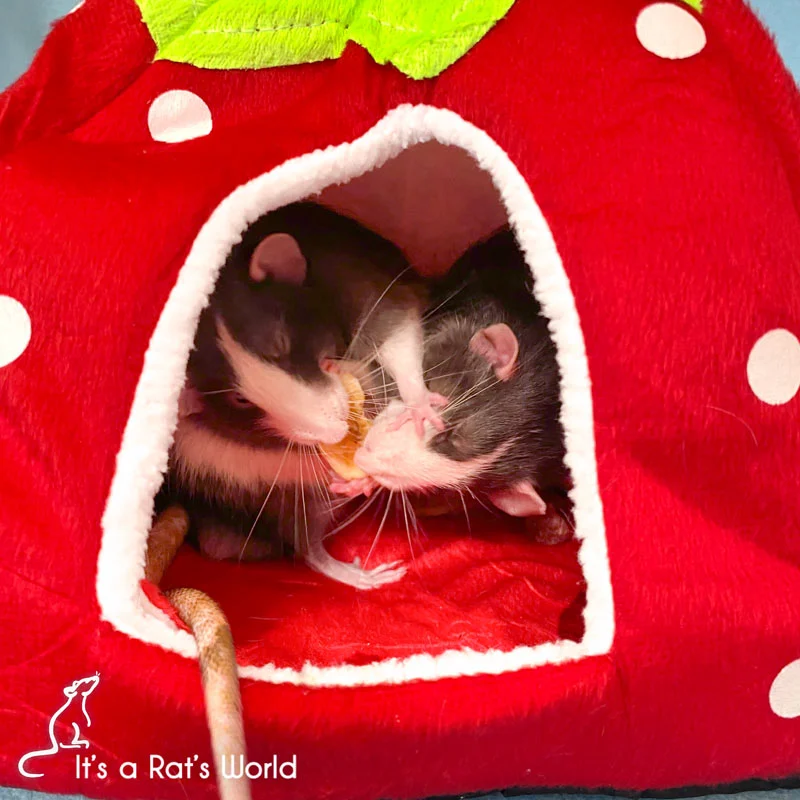
When new acquaintances learn of my deep affection for rats, the initial reaction is often a blend of surprise and a cascade of questions. While I appreciate their curiosity, the sheer volume of fascinating facts about these often-misunderstood creatures makes it challenging to convey the full extent of their endearing eccentricities without overwhelming them. My ideal scenario would be to share the delightfully amusing quirks that make rats so captivating and endlessly entertaining, but the constraints of a casual conversation often limit me to brief answers, aiming to maintain engagement. Fortunately, this platform allows me to delve into the behaviors of my favorite animal, sharing the delightful habits of rats with you, dear readers. Some of their quirks are so layered, they amplify the already significant charm of these rodents. It is important to note that while some behaviors are most readily observed during supervised out-of-cage enrichment periods, their adorableness remains constant.
Bruxing and Boggling: A Symphony of Contentment
Among the most celebrated and widely recognized idiosyncrasies of domestic rats is the phenomenon of "bruxing" and "eye boggling." These behaviors, while perhaps obscure to the general public, are cornerstones of understanding rat well-being for their dedicated owners.
Bruxing, the act of grinding one’s teeth, serves a dual purpose for rats. Primarily, it is a biological necessity, crucial for maintaining the appropriate length of their continuously growing incisors. Without this natural wear, their teeth can overgrow, leading to significant health complications such as malocclusion, difficulty eating, and even dental abscesses. This essential dental maintenance is a constant process, with rats’ incisors growing approximately 2-3 millimeters per month.
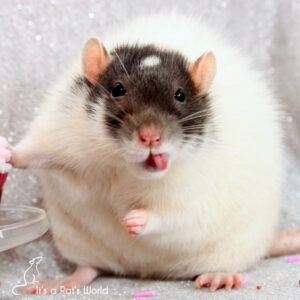
However, beyond its physiological function, bruxing is a profound indicator of a rat’s emotional state. While it can sometimes signal distress or fear, it is far more commonly associated with happiness and contentment. In these instances, bruxing is a rat’s equivalent of a purr, a soft, rhythmic sound that signals a state of deep relaxation and well-being. The frequency and intensity of bruxing can vary, with some rats exhibiting a gentle, almost imperceptible grinding, while others produce a more audible and pronounced sound.
Coupled with bruxing, and often occurring simultaneously, is the remarkable behavior of eye boggling. This is characterized by rapid, involuntary movements of the eye muscles, causing the rat’s eyes to bulge and retract from their sockets in a rhythmic fashion. Visually, it can appear startling, even cartoonish, resembling the exaggerated movements seen in animated characters. This phenomenon is directly linked to the jaw muscles, which are positioned behind the eyes. When a rat is experiencing intense contentment and engaging in vigorous bruxing, the rapid vibrations of these jaw muscles transmit to the ocular muscles, causing the eyes to move. The more pronounced the boggling, the deeper the rat’s state of bliss.
The author recounts a personal anecdote that highlights the initial alarm experienced by new rat owners upon witnessing this behavior. In an era before widespread internet access, encountering such an unusual physical manifestation without prior knowledge could be genuinely disconcerting. The veterinarian, unfamiliar with this common rat behavior, dismissed it as imagined, underscoring a potential gap in veterinary education regarding the nuanced behaviors of domestic rats. This underscores the importance of owner education and the sharing of knowledge within the pet-owning community.
The Art of Fastidious Grooming: Beyond the Stereotype
Domestic rats possess an often-overlooked reputation for cleanliness that directly contradicts their public image as unsanitary pests. Both wild and domestic rats are, in fact, remarkably fastidious groomers. Owners readily observe this meticulous behavior, which can consume significant portions of their day.
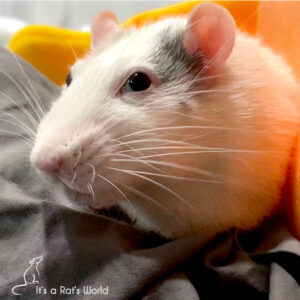
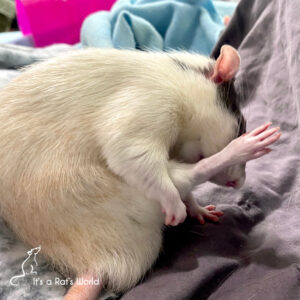
Rats dedicate considerable time to self-grooming, employing a variety of techniques to maintain their coat and hygiene. They use their agile paws to wipe down their fur, much like a cat, and their teeth to nibble away any dirt or debris. This process can involve impressive feats of flexibility, with rats contorting their bodies to reach every inch of their fur. Their dedication to cleanliness extends to even the most challenging areas, such as their ears. Some rats will meticulously clean their ears with their hind paws, followed by a thorough inspection of their toes for any residual earwax, showcasing an extraordinary level of personal hygiene.
The author expresses particular enjoyment in observing rats engage in detailed foot-bathing sessions, where each toe is meticulously cleaned and splayed out to its maximum extent. This focused attention to detail highlights the thoroughness of their grooming routine.
An ironic observation regarding rat grooming is their general neglect of their tails. In decades of observation, the author notes witnessing tail grooming on only a handful of occasions, describing these instances as "double-take, stop-what-I-was-doing moments." This rarity suggests that a rat exhibiting tail grooming behavior might indeed be considered exceptionally unique within the rat community.
Allogrooming: The Social and Sometimes Pushy Bond
Beyond self-grooming, rats engage in "allogrooming," the act of grooming another individual. This social behavior is not unique to rats; many species exhibit it as a means of strengthening social bonds, showing affection, and maintaining hygiene within a group. Rats extend this practice to their cagemates and, notably, to their human companions.
While the act of grooming a human is endearing, rats can sometimes exhibit an almost compulsive insistence. This can manifest as a rather blunt critique of human scent immediately after being touched. The author humorously speculates if rats perceive their humans as less clean, prompting such immediate grooming responses.
The intensity of their grooming can occasionally be overwhelming. Rats may become fixated on specific areas of their owner’s body. Hair is a frequent target, with rats licking or gently chewing on it. Others prefer to groom the human face, with some rats regularly demanding to clean their owner’s cheeks and eyelids. While the intention is clearly affectionate, the gentle nibbles can feel quite pronounced on sensitive facial skin.
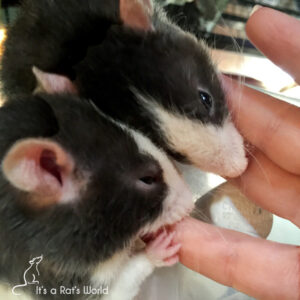
A particularly common and sometimes intense form of allogrooming involves a rat’s fascination with their owner’s fingers and fingernails. Many rats will meticulously groom these areas, and some develop a habit of nibbling on human nails. This behavior, while potentially startling, can be interpreted as the rat’s attempt to provide a "rat-icure," believing their human’s nails require trimming. The author suggests embracing this peculiar form of attention, viewing it as a selfless act of care from their rat.
Rodentistry: The Unconventional Dental Enthusiasts
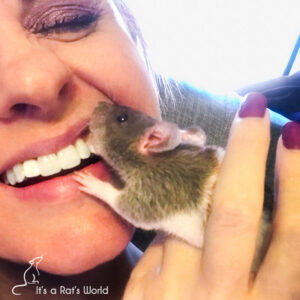
Perhaps the most peculiar and striking manifestation of allogrooming is the behavior known as "rodentistry," where a rat exhibits an intense fascination with its owner’s teeth. This quirky trait, recognized within the rat-owning community, involves rats actively attempting to clean their human’s teeth.
These dedicated "rodentists" demonstrate remarkable boldness, fearlessly inserting their heads into their human’s mouths to perform their dental ministrations. The exact perceived "debris" they aim to remove remains a mystery, but their determination is unwavering.
The author recalls "Rory the eye boggler," who was also a devoted rodentist. Rory’s commitment to his dental duty was so profound that he would persistently attempt to pry open the author’s mouth with his small paws, despite protests and muffled laughter. Even with tightly closed lips, Rory would employ his nose to gain access, leaving behind minor scratches around the mouth. Despite this minor discomfort, the author found Rory’s unwavering dedication to be incredibly amusing and secretly cherished this unique expression of affection.
Taste Testers: A Bold Approach to Shared Dining
Rats exhibit a remarkable lack of inhibition when it comes to human food. During out-of-cage time, if their owners are eating, rats will often expect to share, or even claim the entire portion. They do not employ subtle methods like polite requests or puppy-dog eyes. Instead, the scent of food triggers an immediate, unified rush from any rat within a 2-foot radius, leading to a brazen attempt to snatch food directly from plates or fingers. Even attempting to eat quickly will not deter them; they are known to dive for food or, at the very least, enthusiastically lick the owner’s lips clean.
This behavior is not exclusive to their interactions with humans; rats display similar food-snatching tendencies amongst themselves, often stealing food directly from their cagemates’ mouths. This behavior highlights their opportunistic nature and their communal approach to resource acquisition.
The author advises accepting that shared dining experiences are inevitable. A bowl of ice cream on the couch is likely to be accompanied by several rats attempting to pry the bowl or spoon away. Even beverages are not safe, with rats readily perching on the edge of glasses or mugs to partake in whatever is available.
Sleeping Styles: Embracing Vulnerability in Slumber
While any sleeping rat is undeniably cute, some elevate this adorableness to extraordinary levels through their sleeping positions. The phenomenon of "back-sleepers" is particularly captivating. Generally, rats tend to avoid sleeping on their backs due to a perceived sense of vulnerability. However, some rats defy this instinct, choosing to sleep sprawled out, belly-up, in a state of complete relaxation.
The author recounts a notable instance with twin rats, Moffett and Brinley, who not only exhibited this back-sleeping behavior but also collectively taught their unrelated cagemate, Kelton, to adopt the same sleeping posture. This suggests a learned behavior or a shared inclination towards this unusual form of rest.
Drinking in Tandem: A Codependent Thirst
The author also shares the story of Potter, a rat who exhibited a unique approach to drinking. Potter, a known back-sleeper, often chose to sleep directly beneath the water bottle. This position effectively prevented his cagemates from accessing water without disturbing him, a deliberate tactic, it is suspected, to avoid drinking alone.

Potter harbored a strong aversion to solo drinking, viewing it as a group activity. If another rat approached the water bottle while Potter was awake and away from his preferred sleeping spot, he would abandon his current activity and race across the cage to join them. This behavior proved to be contagious, with all four rats in that particular group eventually adopting the habit of drinking simultaneously from the single water bottle nozzle. Adding to the peculiarity, Potter would often drink while lying on his back, while the other rats remained upright.
While Potter was the most codependent and dramatic example, the author notes that "tandem drinking" is not an isolated quirk. This behavior underscores the complex social dynamics and sometimes eccentric habits that can emerge within rat colonies.
The Ever-Expanding World of Rat Quirks
These behaviors represent merely a fraction of the amusing traits that domestic rats possess. They possess an innate ability to continuously surprise and delight their human companions, with each rat capable of developing and expressing its own unique quirks. The moment one believes they have encountered every conceivable strange habit, rats inevitably find a way to demonstrate new and unexpected behaviors, proving that their capacity for delightful oddities is virtually limitless.
For those who share their lives with these remarkable rodents, the observation of their unique personalities and behaviors offers a constant source of entertainment and a deeper appreciation for their complex inner lives. The author encourages readers to share their own experiences with their rats’ peculiar habits, fostering a community of shared knowledge and appreciation for these often-underestimated animals.

