


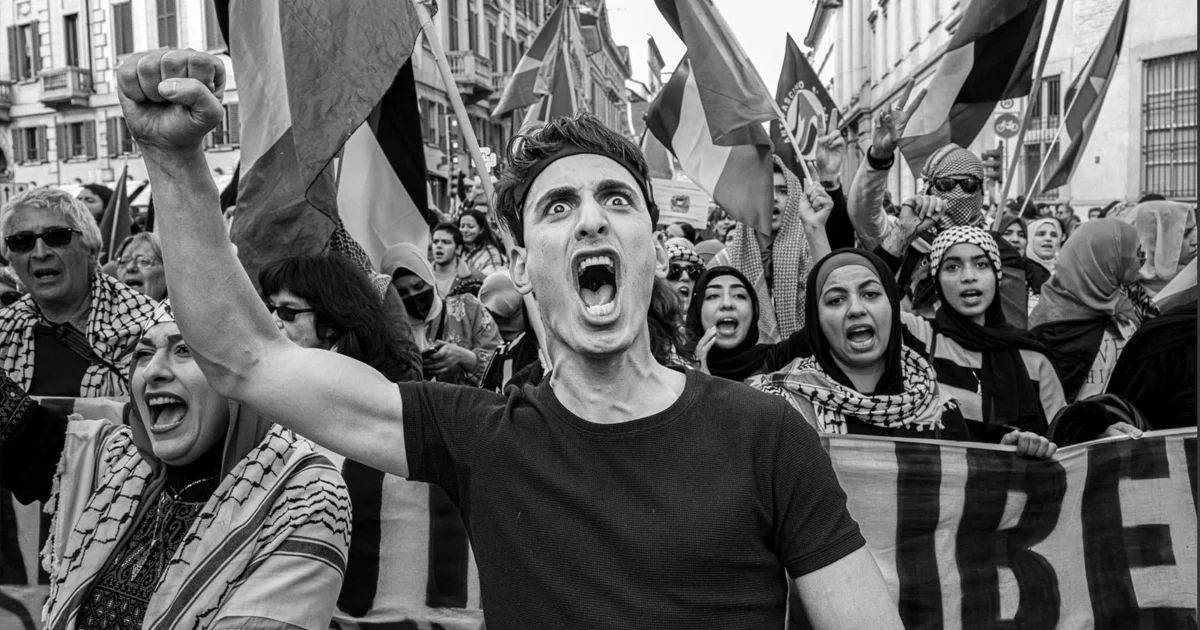
The contemporary landscape of visual media is defined by a paradox: while humanity is currently living through the most photographed era in history, the act of deliberate street photography has become increasingly rare and arguably more vital. In an age where nearly every individual carries a high-definition camera in their pocket, the distinction between a casual reaction to an event and a considered artistic vision has blurred. However, veteran practitioners and visual historians argue that the "visual scrapbook" of modern life, dominated by smartphone snapshots, often lacks the depth, intent, and historical weight provided by dedicated documentary photography. As generative artificial intelligence (AI) begins to dominate digital spaces, the role of the photographer as a physical witness to reality is facing a transformative shift.
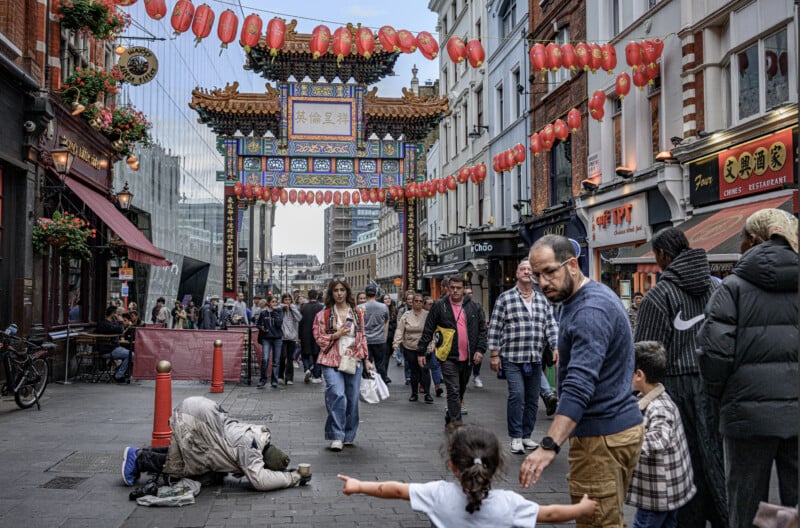
The Shift from Novelty to Choice: A Chronology of the Street
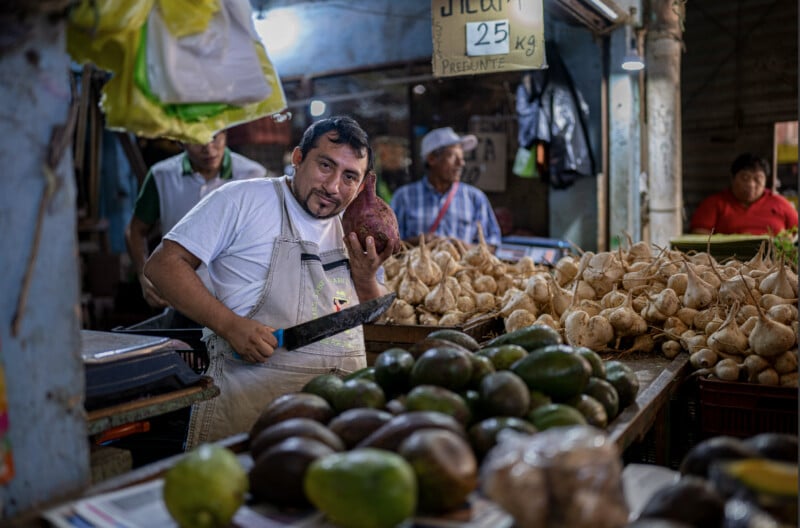
The history of street photography is marked by the evolution of both technology and public perception. In the mid-20th century, popularized by figures such as Henri Cartier-Bresson and Robert Frank, the presence of a photographer on a city street was a distinct event. During the 1970s and 1980s, an era defined by manual film cameras like the Nikon FM, a photographer was often viewed as a novelty or a professional with specific intentions. Passersby would frequently react with curiosity or pride at being noticed by someone who appeared to be a "serious artist" or a member of the press.
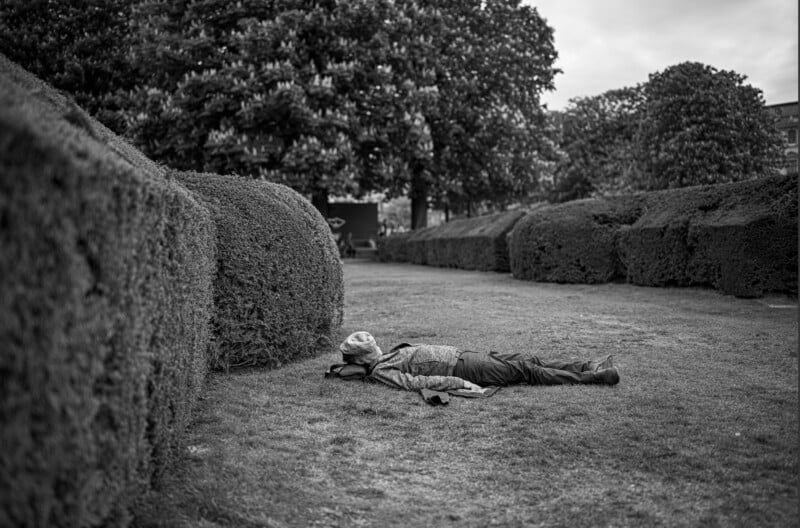
The timeline of this evolution took a sharp turn in 2007 with the introduction of the smartphone. This technological milestone began the "democratization of the image," leading to the current state where the act of taking a photo is reflexive rather than intentional. By 2015, the ubiquity of mobile cameras had conditioned the public to accept constant documentation as a baseline of modern existence. However, this saturation has created a secondary effect: while a smartphone draws little attention, a person wielding a "serious" camera now stands out as a deliberate actor.
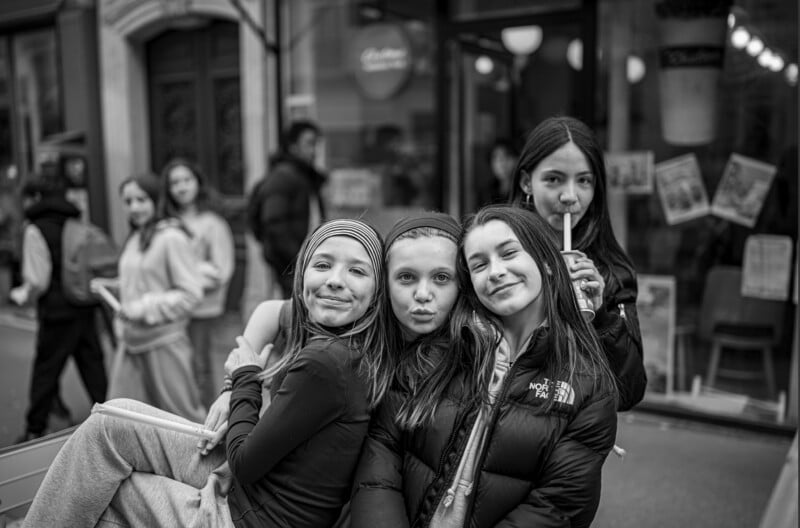
In the current era, the photographer is no longer a curiosity but a choice. Modern subjects are more visually literate and, consequently, more guarded. They understand the potential reach of a digital image and make conscious decisions about whether they wish to be part of a photographer’s narrative. This shift requires contemporary street photographers to possess not only technical skill but also a refined "elevator pitch"—a transparent and honest explanation of their intent—to navigate a world that is increasingly skeptical of being "captured."
Supporting Data: The Trillion-Image Era
The scale of modern image production provides context for why intentionality is becoming a scarce commodity. According to data from Keypoint Intelligence, an estimated 1.6 trillion photos were taken globally in 2023, with that number projected to rise to over 1.8 trillion by 2025. Approximately 93% of these images are captured using smartphones.
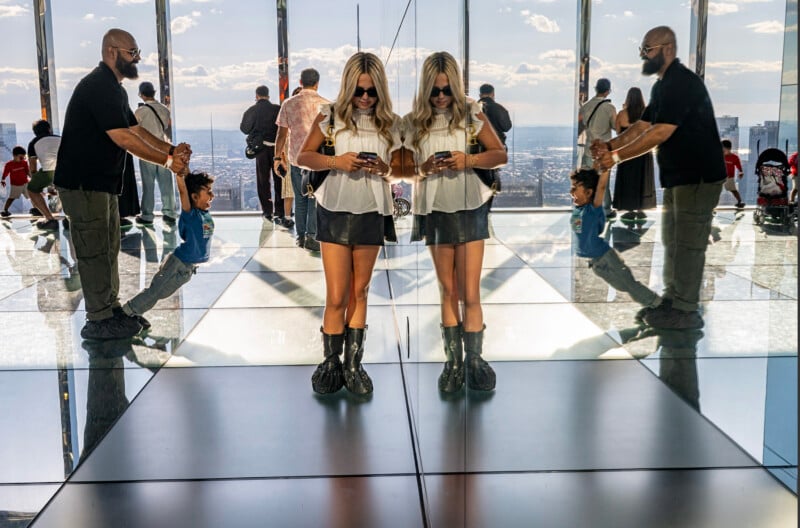
While the volume of imagery is unprecedented, the lifespan of these photos is historically short. Research suggests that a vast majority of smartphone images are never viewed more than once after being captured, serving as ephemeral records of personal experiences—meals, concerts, or social gatherings—rather than as contributions to a collective historical record. In contrast, the market for professional-grade mirrorless and DSLR cameras has contracted into a niche for enthusiasts and professionals who prioritize "considered response" over "casual record." This divergence highlights a growing gap between the "reactionary" photography of the masses and the "visionary" photography of the dedicated street documentarian.
The Crisis of Authenticity: Generative AI and the Synthetic Image
The most significant threat to the integrity of street photography today is not the volume of images, but the rise of synthetic media. We are entering an era where high-fidelity images can be conjured from text prompts, depicting faces that never existed and events that never occurred. In 2023 and 2024, the integration of "Generative Fill" and AI-driven retouching tools into standard post-processing software like Adobe Lightroom and Photoshop has fundamentally altered the workflow of digital photography.
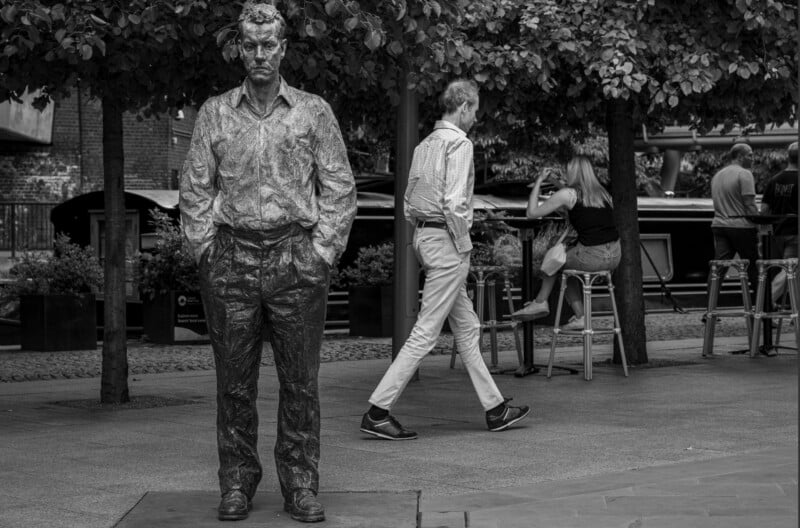
These tools allow photographers to remove distractions, replace skies, or smooth complexions with a single click. While these features offer extraordinary convenience, they present an ethical dilemma for the documentary photographer. Every "fix" applied to a street scene moves the image one step further from an honest interpretation of reality and one step closer to fabrication.
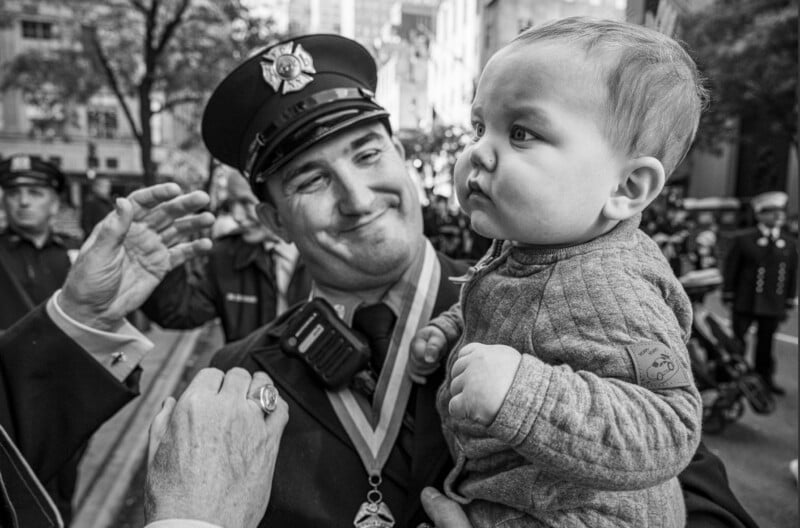
Industry experts and organizations, such as the National Press Photographers Association (NPPA), have expressed concerns regarding the erosion of public trust. When any image can be perfected or entirely invented, the value of a "real" photograph—one that captures an unrepeatable, messy, and imperfect moment—increases. The professional community is currently debating the "line of enhancement," questioning at what point an edit ceases to be a technical adjustment and becomes a negotiation with the truth.
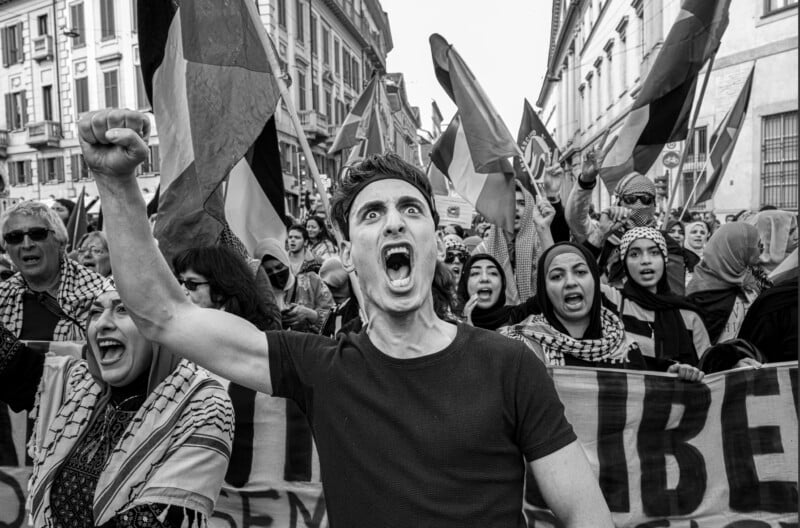
Reactions from the Field and Ethical Implications
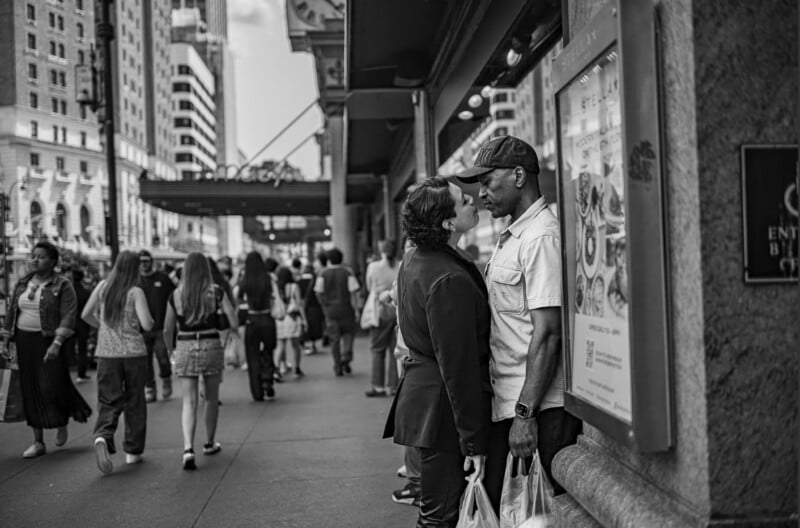
The consensus among visual historians is that the unposed, ordinary moments of daily life provide the most accurate evidence of a culture’s identity. Statements from photography curators suggest that fifty years from now, the most valuable records of the 2020s will not be the polished, AI-enhanced advertisements or the filtered selfies of social media, but the "ordinary things" captured by those who cared enough to witness them without intervention.
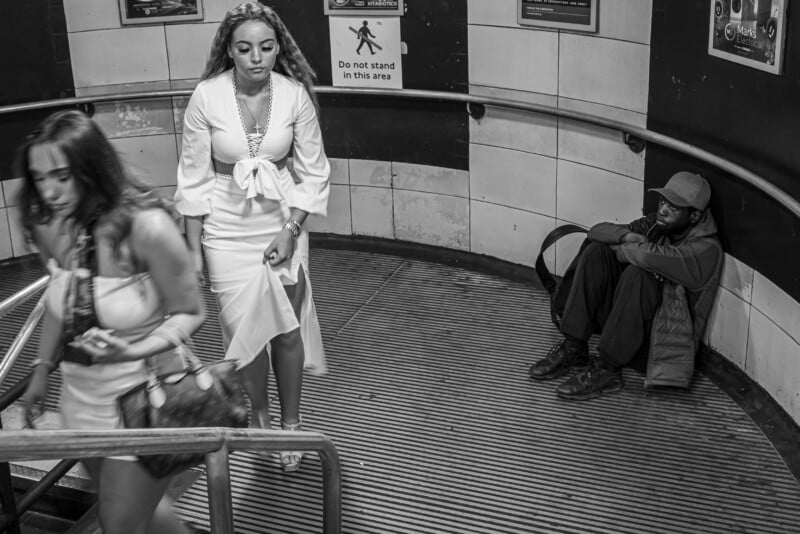
"The truth in street photography was never about objectivity; it was about an honest eye looking at something real," notes the perspective of long-time documentary practitioners. This sentiment is echoed by the philosophy of the "Decisive Moment," which posits that the power of a photograph lies in the photographer’s unique perspective on a set of facts, rather than the facts themselves.
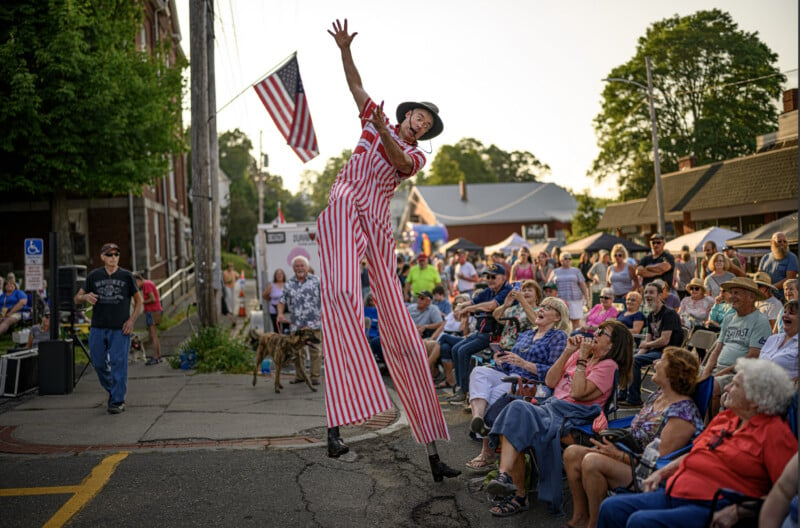
The broader implication of this shift is the rising importance of the photographer’s reputation. In a world flooded with synthetic content, "trust" has become the most valuable currency a photographer can own. Audiences increasingly need to believe that a photographer was physically present at a scene and that their work represents a genuine, albeit subjective, interpretation of a lived moment.
Analysis of Broader Impact and the Future of the Document
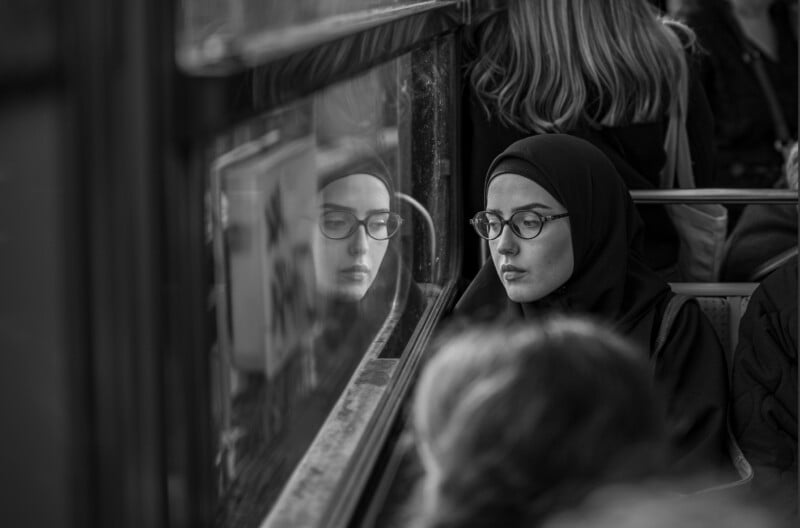
If the practice of intentional street photography were to decline, the loss would extend beyond the aesthetic. Society would lose the "evidence" of its own evolution. Street photography functions as journalism in its deepest sense, bearing witness to how people dress, how they gather, and how they interact in public spaces before they are told to "perform" for a camera.
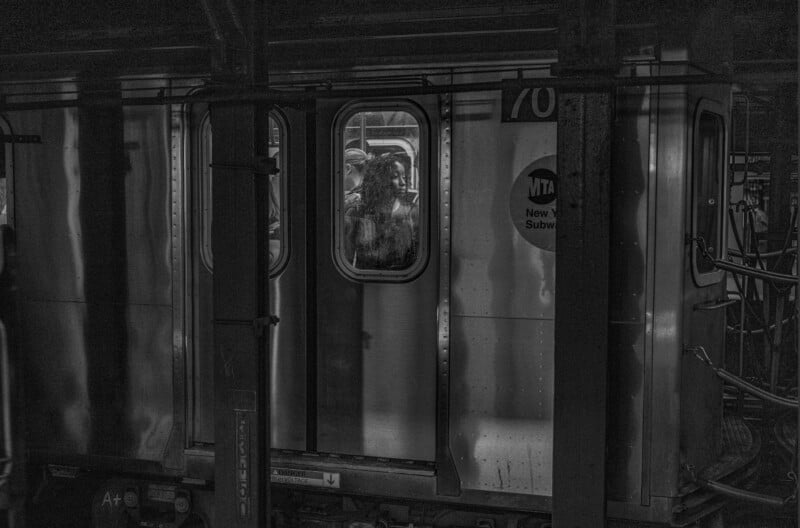
The current trend toward "over-perfected" images risks creating a historical vacuum. When reality is smoothed over by AI, it loses the "messiness" that makes it recognizable as human. This has led to a counter-movement among some photographers who are returning to film or adopting "straight photography" ethics, eschewing AI tools to preserve the integrity of the frame.
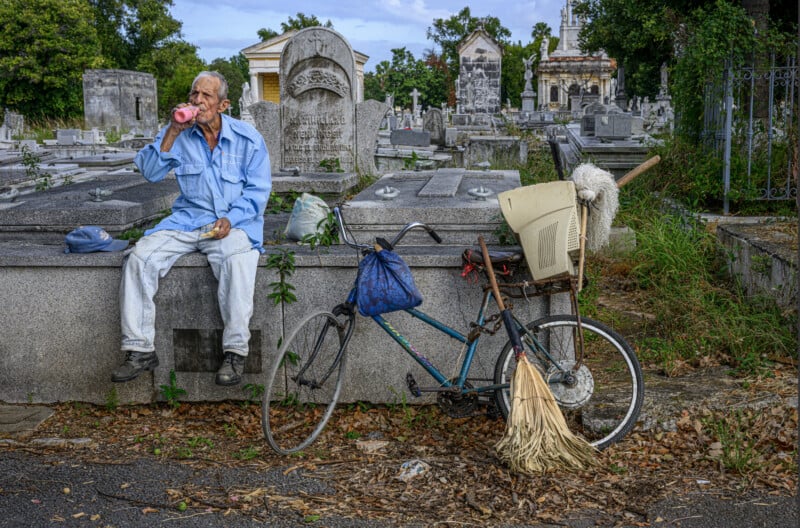
As we move further into the decade, the urgency of honest documentation will likely intensify. The role of the street photographer is evolving from that of a mere observer to that of a "guardian of the real." In an environment where anything can be fabricated, the act of standing on a street corner with a camera, waiting for two strangers to cross paths in a single, unrepeatable second, is an act of historical preservation.
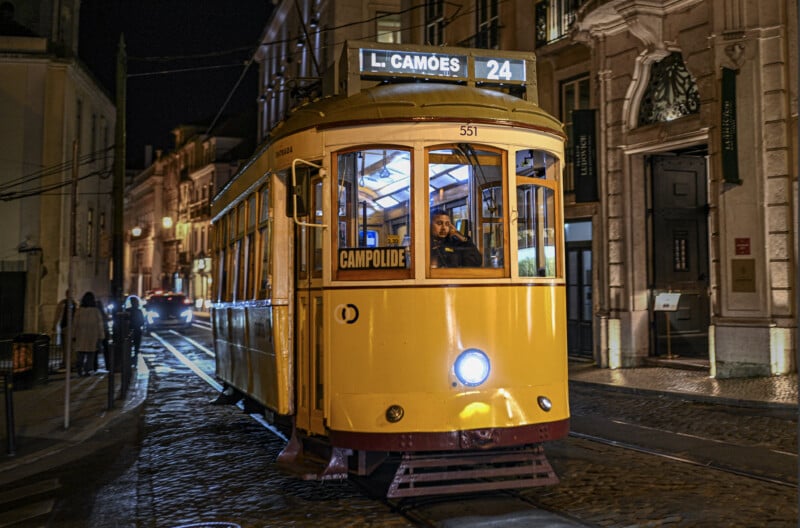
The final analysis suggests that the "most photographed moment in human history" is simultaneously the most vulnerable to erasure. The photographs that will ultimately define this era are those made with intention—those that refuse to ignore the mundane and the imperfect in favor of the convenient and the synthetic. For the modern photographer, the challenge is no longer just to take a picture, but to be a credible witness in a world that is increasingly unsure of what is real.

