


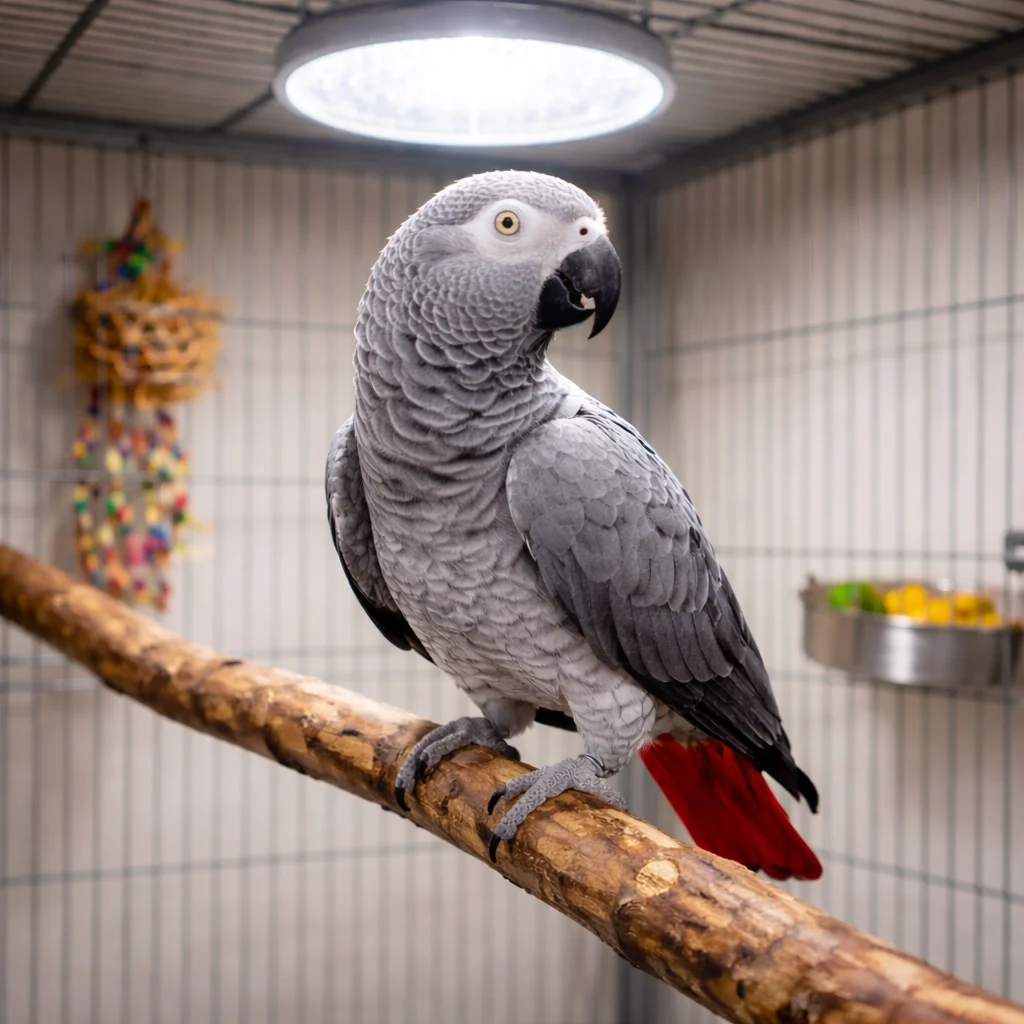
The onset of winter often brings with it a subtle yet insidious threat to the health of indoor pet birds: a widespread deficiency in calcium and Vitamin D3, frequently overlooked by even diligent owners. This critical issue, often exacerbated by reduced natural light exposure during colder months, can lead to a cascade of physiological problems, manifesting in symptoms ranging from behavioral shifts to severe skeletal and neurological compromise. While seemingly innocuous, the absence of adequate direct sunlight or full-spectrum UVB lighting disrupts a fundamental biological process vital for avian well-being, transforming readily available dietary calcium into an unusable nutrient and placing birds at significant risk.
The Physiological Imperative: Sunlight, Vitamin D3, and Calcium Homeostasis
Avian physiology, honed over millennia in sun-drenched natural habitats, is inextricably linked to the availability of ultraviolet B (UVB) radiation. Unlike mammals, birds possess a unique metabolic pathway that allows them to synthesize Vitamin D3 (cholecalciferol) directly in their skin when exposed to UVB light, particularly within the 290-315 nanometer wavelength range. This dermal synthesis is a primary and highly efficient mechanism for acquiring this essential vitamin. Once synthesized, Vitamin D3 is then hydroxylated in the liver and kidneys to its active hormonal form, 1,25-dihydroxyvitamin D3, also known as calcitriol.
Calcitriol is the master regulator of calcium and phosphorus metabolism in birds. Its primary functions include promoting calcium absorption from the intestinal tract, facilitating calcium reabsorption in the kidneys, and modulating bone mineralization and demineralization. Calcium, in turn, is not merely a component of bones; it is a critical electrolyte involved in a vast array of physiological processes, including neuromuscular function, blood clotting, enzyme activity, and cell signaling. Without sufficient active Vitamin D3, the dietary calcium, no matter how plentiful, cannot be effectively absorbed or utilized, leading to a state of functional calcium deficiency even in the presence of adequate dietary intake.
The Seasonal Onset: How Winter Worsens the Problem
For indoor birds, winter presents a particularly challenging environment. Shorter daylight hours naturally reduce incidental exposure to sunlight. Crucially, ordinary window glass, even clear panes, blocks almost 100% of beneficial UVB rays, rendering indoor window light ineffective for Vitamin D3 synthesis. This means birds housed exclusively indoors without supplemental UVB lighting enter a prolonged period of physiological deprivation.
The initial stages of deficiency are often subtle and easily mistaken for normal seasonal variations or minor behavioral quirks. Owners might observe a slight reduction in activity, a tendency for their bird to be "grumpier" or more reactive, or a decrease in the firmness of their perch grip. These early signs, however, are critical indicators of an underlying issue. As the winter progresses and the duration of UVB deprivation extends, the bird’s body begins to compensate by drawing calcium from its primary reservoir: the bones. This silent depletion can continue for weeks or even months, masking the severity of the problem until critical levels are reached.
A Chronology of Deficiency: From Subtle Signs to Crisis
The progression of Vitamin D3 and calcium deficiency in indoor birds typically follows a predictable, albeit often insidious, timeline:
- Early Winter (1-2 months of reduced UVB):
- Behavioral Shifts: Increased irritability, heightened reactivity to stimuli, excessive shredding of toys or feathers (potentially due to nervous system excitability).
- Subtle Physical Changes: Slight reduction in perch grip strength, perhaps a less stable stance, minor dullness in feather sheen. Activity levels may subtly decrease.
- Mid-Winter (2-4 months of reduced UVB):
- Observable Physical Deterioration: More pronounced weakness in grip, leading to sliding on perches or difficulty maintaining balance. Feathers may appear distinctly dull, brittle, or exhibit stress bars (transverse lines indicating periods of poor nutrition or stress during feather growth). Molting may be delayed or abnormal.
- Energy and Mood: Noticeable lethargy, reduced interest in play or interaction, increased aggression or fearfulness.
- Late Winter/Early Spring (4+ months of reduced UVB or prolonged severe deficiency):
- Neuromuscular Dysfunction: Tremors, muscle weakness, ataxia (loss of coordination), difficulty flying, or even falling from perches. In severe cases, hypocalcemic seizures may occur, which are life-threatening emergencies.
- Skeletal Compromise: Softening of bones (osteomalacia) making them prone to fractures. This can be particularly devastating for active birds.
- Reproductive Issues (for breeding birds): Poor eggshell quality, egg binding, and reduced fertility.
- Overall Debilitation: Profound weakness, poor appetite, and susceptibility to secondary infections due to a compromised immune system.
Supporting Data and Expert Insights: The Science Behind the Symptoms
Leading avian veterinarians and nutritionists consistently highlight the critical role of full-spectrum lighting. Dr. Susan O’Malley, an avian specialist, notes, "Many owners believe indirect sunlight through a window is enough, but it simply isn’t. The glass filters out the very wavelengths of light crucial for Vitamin D3 synthesis. We see a spike in calcium-related issues every spring as the cumulative effect of winter deprivation becomes acute."
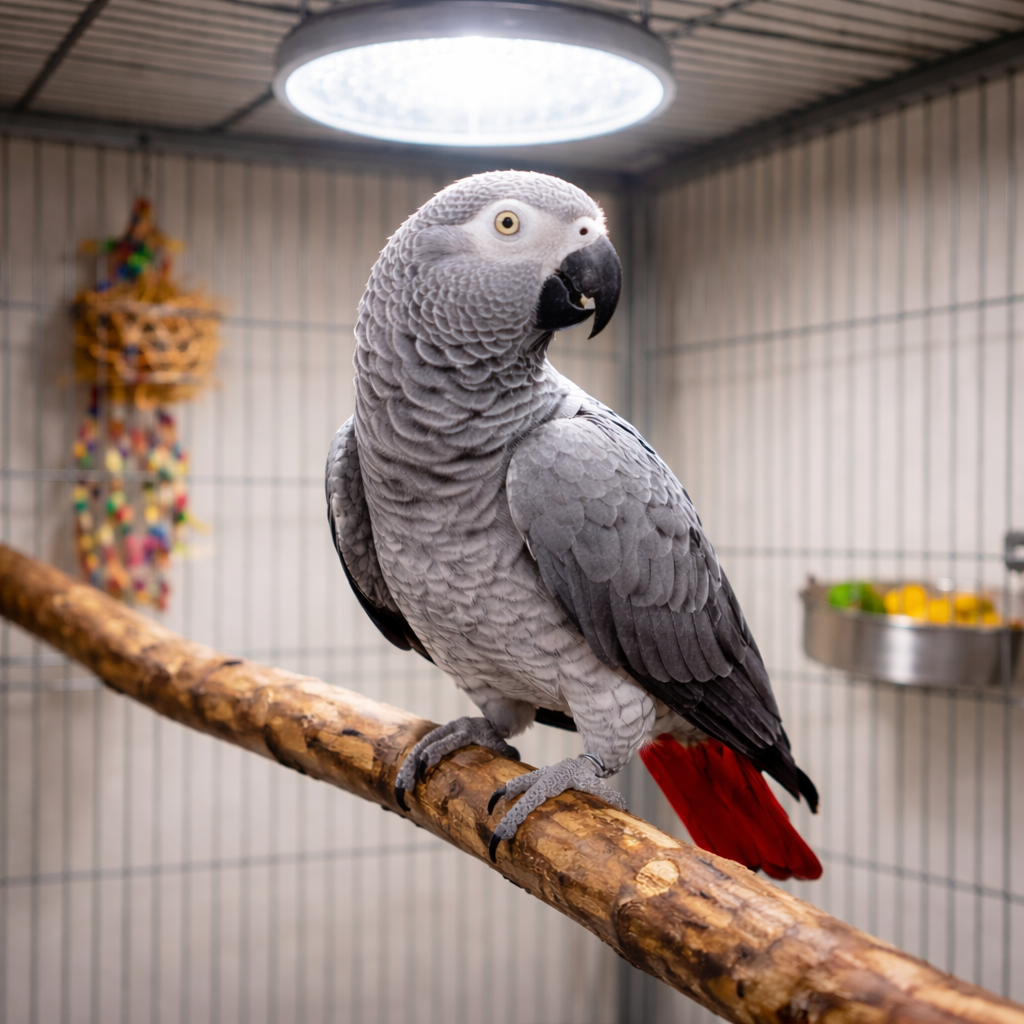
Research underscores the specific needs of different avian species. For instance, African Grey Parrots are particularly susceptible to hypocalcemia, often developing severe metabolic bone disease if their Vitamin D3 and calcium requirements are not met. Studies have shown that African Greys require higher levels of Vitamin D3 compared to some other psittacine species, making them a sentinel species for inadequate husbandry practices.
The imbalance extends beyond just calcium and Vitamin D3. Magnesium, another vital mineral, plays a crucial role in nerve and muscle function, and its metabolism is closely intertwined with calcium. Deficiencies in magnesium can exacerbate nervous system excitability already heightened by low calcium. Similarly, a proper calcium-to-phosphorus ratio (ideally 1.5:1 or 2:1) is essential, as excessive phosphorus can inhibit calcium absorption. Without active Vitamin D3, even perfectly balanced dietary ratios become ineffective.
The term "full-spectrum lighting" itself can be misleading. While some lights claim to be full-spectrum, they may lack the specific UVB wavelengths necessary for Vitamin D3 production. True avian-specific UVB lamps are designed to emit these critical wavelengths and should be used at appropriate distances and replaced regularly (typically every 6-12 months, as their UVB output diminishes over time).
Addressing the Deficiency: A Three-Step Winter Bone Reset

For birds exhibiting signs of winter-induced calcium deficiency, a proactive and immediate intervention is crucial. Avian wellness educators, such as Diane Burroughs, LCSW, advocate for a "3-Step Winter Bone Reset":
- Correct UVB Exposure: Install a proper avian-specific UVB lamp above the bird’s cage, ensuring it is positioned at the recommended distance (typically 12-18 inches from the perch, varying by lamp type) and used for 8-12 hours daily. This is the foundational step, as it enables the bird’s body to resume natural Vitamin D3 synthesis.
- Evaluate Dietary D3 Support: While UVB is paramount, a high-quality avian pellet diet often contains supplemental Vitamin D3. However, if the bird’s symptoms are pronounced, or if its diet is primarily seeds, additional oral Vitamin D3 supplementation might be necessary, but only under veterinary guidance. Excessive Vitamin D3 can be toxic, so precise dosing is essential.
- Enhance Bioavailable Calcium: Provide easily digestible calcium sources. This could include cuttlebone, mineral blocks, or powdered calcium supplements added to moist foods. The key, however, is that this calcium will only be usable once adequate Vitamin D3 levels are restored through UVB exposure or careful supplementation.
When to Call the Vet: Recognizing Red Flags
Given the "silent depletion" nature of calcium deficiency, timely veterinary intervention can be life-saving. Birds are masters at masking illness, and by the time overt symptoms like falling or seizures appear, the condition is often critical.
Quick Decision Guide for Owners:
- Mild Concerns (e.g., slight dullness, increased shredding, minor irritability): Implement the 3-Step Winter Bone Reset immediately and monitor closely. If symptoms do not improve within 1-2 weeks, consult an avian vet.
- Moderate Concerns (e.g., noticeable weakness, sliding on perches, abnormal molting, reduced activity): Contact an avian veterinarian without delay. While implementing light changes, professional diagnosis and potentially faster-acting treatments are warranted.
- Severe Red Flags (e.g., falling, tremors, seizures, inability to perch, paralysis, acute weakness): This constitutes a medical emergency. Seek immediate veterinary care. These signs indicate dangerously depleted calcium levels that require urgent stabilization.
Specific Red Flags to Watch For:
- Neurological Signs: Head tilt, loss of balance, uncontrollable shaking or tremors, partial or complete paralysis of legs or wings, actual seizures (which can manifest as uncontrolled flapping, falling, or rigid posturing).
- Physical Weakness: Inability to perch, difficulty climbing, collapse, repeated falls, or extreme lethargy where the bird is barely responsive.
- Skeletal Issues: Lameness, limping, noticeable deformities in bones (especially legs or beak), or a reluctance to bear weight.
- Reproductive Emergencies: Egg binding, particularly in female birds, where the egg is unable to pass due to uterine muscle weakness or poor eggshell quality, which is directly linked to calcium levels.
Broader Impact and Implications
The implications of widespread Vitamin D3 and calcium deficiency extend beyond individual bird health. From an economic perspective, untreated conditions can lead to costly emergency veterinary visits, specialized treatments, and long-term supportive care. For pet owners, the emotional toll of seeing a beloved companion suffer, especially when the cause is preventable, can be significant.
Ethically, providing adequate environmental enrichment, including appropriate lighting, is a fundamental aspect of responsible pet ownership. As more exotic birds are kept as companions, the onus falls on owners to educate themselves on the species-specific needs that often mimic their natural habitats. The "Winter Bone Reset" is not merely a treatment protocol; it represents a crucial shift in understanding and mitigating a prevalent and preventable health crisis in captive avian populations. By prioritizing proper UVB exposure and nutritional balance, owners can ensure their feathered friends maintain robust health and vitality throughout the year, truly thriving rather than merely surviving the darker months.

