


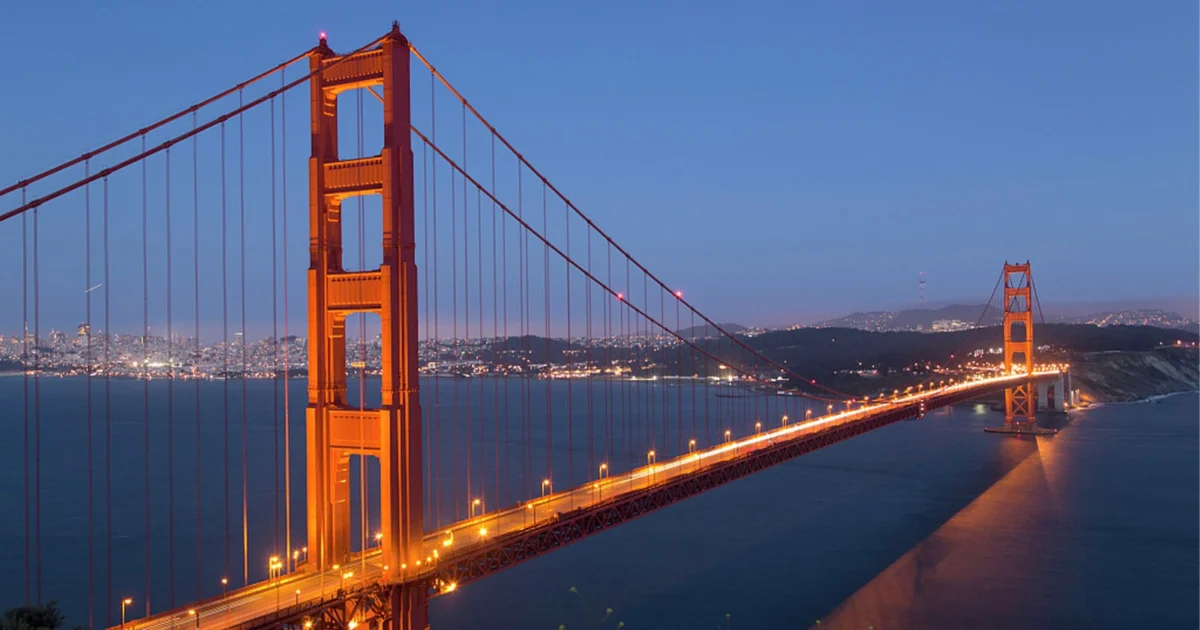
The Library of Congress has officially unveiled a sophisticated interactive map designed to provide the public with a geographic gateway into the massive photographic archive of Carol M. Highsmith. This new digital tool marks a significant milestone in the preservation of American visual history, allowing users to navigate more than 70,000 rights-free images captured by Highsmith over a career spanning half a century. The archive, which is expected to eventually exceed 100,000 images, represents one of the most comprehensive visual records of the United States in the 21st century, documenting every state in the union, the District of Columbia, and Puerto Rico.
Highsmith, an acclaimed architectural photographer often compared to the legendary Dorothea Lange, has spent five decades traversing the "highways and byways" of America. Her work serves as a contemporary successor to the Farm Security Administration (FSA) photography projects of the 1930s, providing a meticulous record of the nation’s evolving landscape. The newly launched map, developed through the Library’s "Innovator in Residence" program, transforms this vast collection from a static database into a dynamic, searchable experience that highlights the sheer geographic scope of Highsmith’s lifelong project.
A Life Dedicated to the American Landscape
Carol Highsmith’s journey into the heart of American documentation began in the 1980s. While her early career focused heavily on architectural photography—capturing the intricate details of historic landmarks—her vision soon expanded to encompass the broader American experience. Over the last 50 years, she has operated as a "roving photographer," often traveling alone in her van to capture the essence of small towns, national parks, urban centers, and the people who inhabit them.
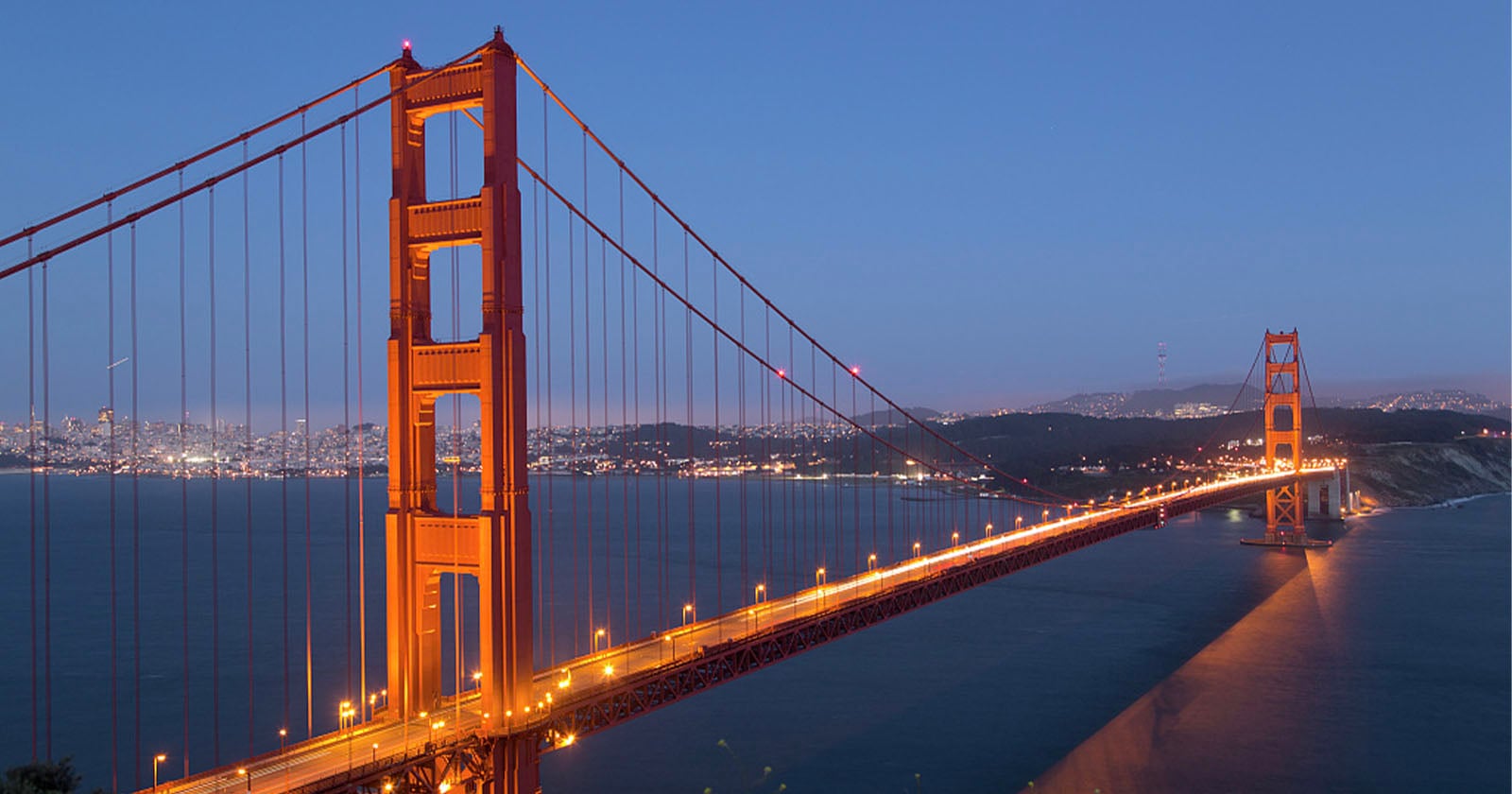
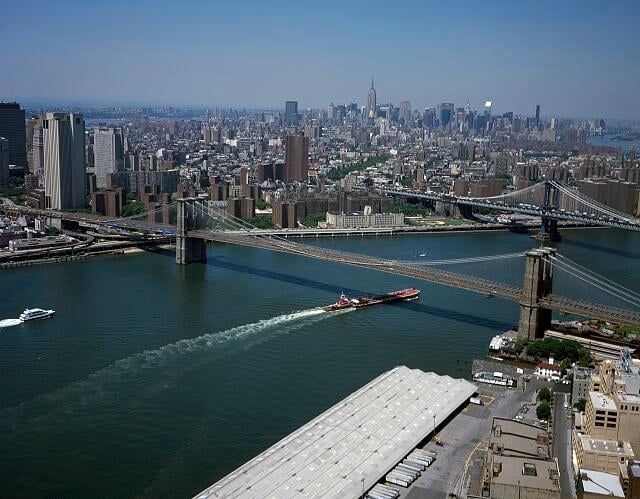
The Library of Congress describes Highsmith’s work as a collection of "shiny coins," a term the photographer herself uses to describe her goal: to showcase the beauty, optimism, and enduring spirit of the United States. Unlike many documentary photographers who focus on social decay or political strife, Highsmith’s lens often seeks out the "optimism" present in American heritage. Her subjects range from the neon-lit motels of Las Vegas and the art deco architecture of Miami to the rugged peaks of the Rocky Mountains and the historic bridges of New York City.
Highsmith’s commitment to the public good is perhaps most evident in her decision to donate her entire life’s work to the Library of Congress. By placing her images in the public domain and making them available under a Creative Commons license, she has ensured that her visual legacy remains accessible to all without the burden of licensing fees. This act of philanthropy has made her archive one of the most utilized collections in the Library’s Prints and Photographs Division.
Technical Innovation: Mapping the Highsmith Archive
The creation of the interactive map was led by Vivian Li, the Library of Congress’s Innovator in Residence. The project sought to solve a fundamental challenge: how to make a collection of tens of thousands of images digestible for the average user. While the Library’s traditional search engines allow for keyword queries, they often fail to convey the spatial relationship between images or the staggering breadth of Highsmith’s travels.
The map utilizes ArcGIS technology to plot images based on their metadata. Users can zoom into specific regions, from the dense boroughs of New York to the remote stretches of the Alaskan wilderness, and click on blue clusters to reveal thumbnails and full-resolution downloads. Each point on the map is linked to a city or county, providing a localized context for every photograph.
"It is almost unbelievable that it is possible for her physical being to have gone to all these places," wrote Vivian Li in a recent Library blog post. "It’s fun to see both things that I recognize and things that I don’t even notice."
The mapping project also highlights the ongoing nature of the collection. While 70,000 images are currently mapped, the Library notes that thousands more are being processed. Highsmith continues to revisit favorite locations to document changes over time, ensuring the archive remains a living record as the United States approaches its 250th anniversary in 2026.
The Getty Images Legal Controversy and the Public Domain
The Highsmith archive gained national headlines approximately ten years ago, not for its artistic merit, but for a high-profile legal battle that underscored the complexities of the public domain in the digital age. In 2016, Highsmith filed a $1 billion lawsuit against Getty Images and Alamy, two of the world’s largest stock photo agencies.
The lawsuit arose after Highsmith received a "settlement demand" letter from a subsidiary of Getty Images, accusing her of copyright infringement for using one of her own photographs on her own website. Highsmith had donated the image to the public domain through the Library of Congress, meaning it was free for public use. However, Getty and other agencies had scraped the Library’s archive, added the images to their own databases, and were charging users for licenses while simultaneously policing the web for "unauthorized" use.
Highsmith’s legal team argued that the agencies were engaging in "gross misuse" and "copyfraud" by asserting ownership over works that they did not create and which were intended to be free for the public. Getty Images defended its actions by stating that distributing public domain content is a service for which they are entitled to charge, and they characterized the demand letter sent to Highsmith as a "misunderstanding" based on automated systems.
Ultimately, a federal judge dismissed the lawsuit, ruling that because Highsmith had surrendered her copyright by placing the images in the public domain, she no longer had the legal standing to sue for copyright infringement. While a blow to Highsmith, the case became a landmark example of the vulnerabilities of public domain creators and the aggressive tactics of corporate image aggregators. Despite the legal setback, Highsmith remained undeterred in her mission, continuing to donate her work to the Library of Congress to ensure it remained free from corporate paywalls.
Historical Significance and Future Implications
The Highsmith Archive is frequently cited as the 21st-century equivalent of the Farm Security Administration/Office of War Information (FSA/OWI) collection. During the Great Depression, the FSA commissioned photographers like Dorothea Lange and Walker Evans to document the struggles of rural America. Their work became the definitive visual record of that era.
Highsmith is performing a similar service for the modern age, but on a much larger scale and with superior technology. Her use of high-resolution digital sensors and aerial photography provides a level of detail that was previously impossible. Historians and urban planners of the future will look to her archive to see how the American landscape looked at the turn of the millennium—before the effects of climate change, urban sprawl, or technological shifts further altered the face of the nation.

The Library of Congress views the new interactive map as an educational tool as much as a historical one. Teachers, students, and researchers can use the map to explore regional architecture, historical preservation, and geographic diversity. The map also serves as a testament to the "America 250" initiative, a multi-year effort to commemorate the semiquincentennial of the United States. Highsmith’s work provides the visual backbone for this celebration, offering a portrait of a nation that is both diverse and unified.
Accessing the Archive
The Carol M. Highsmith Photo Archive is now live and accessible to the public through the Library of Congress website. The interactive map allows for seamless browsing across all 50 states, the District of Columbia, and Puerto Rico. Users can download high-resolution TIFF and JPEG files for personal, educational, or commercial use without the need for permission or payment, provided they credit the photographer and the Library of Congress.
As Highsmith continues her journey across the country, the Library expects to integrate more images into the map. The collection stands as a monument to one woman’s dedication to her country and a reminder of the power of photography to preserve the fleeting moments of history for generations to come. In an era of ephemeral social media imagery, the Highsmith Archive offers something rare: a permanent, high-quality, and freely accessible visual autobiography of the United States.

