


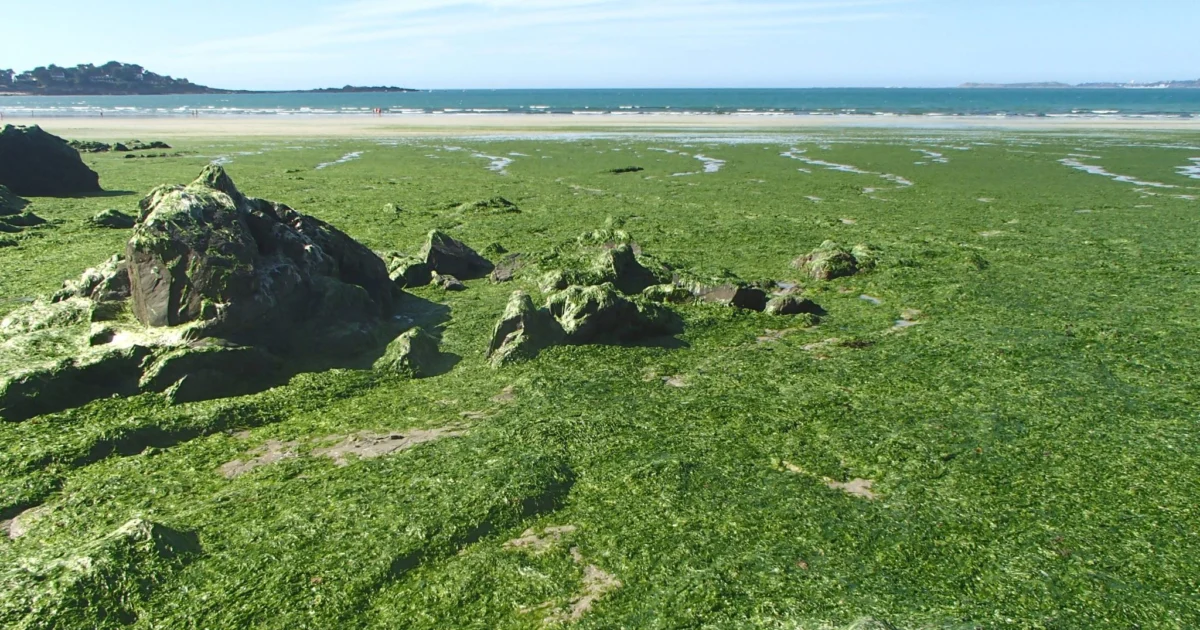
The serene summer coastlines of Brittany, France, once synonymous with picturesque vistas and bracing sea air, are increasingly becoming a stark visual reminder of a pervasive environmental crisis. On certain sun-drenched days, the ocean transforms into an unsettling, vibrant green, choked by thick mats of algae that wash ashore. As these blooms decompose under the relentless sun, they unleash a putrid stench, a malodorous testament to a problem far larger than a local nuisance. These are not natural phenomena; they are symptomatic of nutrient overload, a direct consequence of agricultural practices that are placing an unsustainable burden on Europe’s natural resources.
This alarming spectacle in Brittany is just one visible manifestation of a widespread issue plaguing agricultural landscapes across the European Union. For decades, a significant shift towards intensive farming methods has been the prevailing trend. This approach, characterized by the heavy reliance on synthetic chemical fertilizers, pesticides, and vast quantities of manure, has undoubtedly achieved its primary objective: boosting short-term food production to meet growing demand. However, this success has come at a considerable environmental cost. The excess nutrients, particularly nitrogen and phosphorus, are not contained within the farm. Instead, they are carried by rainfall and irrigation runoff into rivers, lakes, and ultimately, the delicate ecosystems of coastal waters, leading to widespread pollution. The long-term implications of this nutrient enrichment are profound and, ironically, undermine the very foundation of agriculture itself. Healthy soils, clean water, and functioning ecosystems are not merely desirable environmental outcomes; they are indispensable prerequisites for sustainable and resilient food production.
The Pervasive Impact of Agricultural Runoff
The consequences of this nutrient pollution are multifaceted and far-reaching. In aquatic environments, excess nitrogen and phosphorus act as potent fertilizers for algae and other microorganisms. This leads to rapid and uncontrolled growth, commonly known as algal blooms. While some algal blooms are natural, the intensity and frequency of those linked to agricultural runoff are unprecedented. When these blooms die and decompose, they consume vast amounts of dissolved oxygen in the water, creating hypoxic or anoxic conditions that are lethal to fish and other aquatic life. This phenomenon, known as eutrophication, can devastate marine ecosystems, leading to dead zones where biodiversity plummets.
The Brittany incident, where the rotting algae released gases linked to animal and even human fatalities, highlights the potential for direct public health risks. Hydrogen sulfide, a gas produced during the anaerobic decomposition of organic matter, is a primary culprit. In high concentrations, it can cause respiratory distress, neurological damage, and, in extreme cases, death. Coastal communities in areas prone to frequent and severe algal blooms have expressed growing concerns about the impact on local tourism, fisheries, and overall quality of life.
Groundwater Contamination: A Silent Threat to Drinking Water
Beyond the visible impacts on surface waters, agricultural runoff poses a significant threat to subterranean water sources. When excess fertilizers and manure seep into the groundwater, they directly contaminate the aquifers that supply drinking water to millions. Nitrates, a common component of fertilizers and manure, are particularly concerning. High nitrate levels in drinking water can be harmful to human health, especially for infants, where it can lead to methemoglobinemia, also known as "blue baby syndrome," a condition that impairs the blood’s ability to carry oxygen.
The impact is not merely theoretical. Parts of Spain have experienced firsthand the disruption caused by nitrate contamination. In regions with intensive livestock farming, such as Catalonia, authorities have repeatedly issued warnings about elevated nitrate levels in groundwater, directly threatening drinking water supplies. These warnings have, at times, necessitated temporary restrictions on tap water access for hundreds of thousands of residents, forcing municipalities to invest in expensive water treatment technologies to make the water safe for consumption. The economic burden of remediation and the disruption to daily life underscore the tangible costs of agricultural pollution. Similar issues are being reported across numerous agricultural heartlands throughout Europe, indicating a systemic problem that transcends national borders.
The Economic and Ecological Cost of Intensive Agriculture
The short-term gains of intensive agriculture are increasingly being overshadowed by its long-term economic and ecological liabilities. The reliance on synthetic inputs creates a dependency loop. As soils degrade due to overuse of chemicals and the loss of organic matter, farmers often need to apply even more fertilizers to maintain yields, further exacerbating the problem. The depletion of soil health leads to reduced water retention, increased susceptibility to erosion, and a decline in beneficial soil organisms, all of which compromise the long-term viability of agricultural land.
Furthermore, the pollution of waterways incurs significant costs. The remediation of eutrophic lakes and rivers is a complex and expensive undertaking. The loss of fisheries due to dead zones impacts local economies and food supplies. The need for advanced water treatment to remove nitrates and other contaminants places a financial strain on public budgets and, ultimately, on taxpayers. The cumulative effect is a system that appears productive in the immediate term but is steadily eroding its own natural capital, jeopardizing future food security and economic stability.
Nature-Friendly Solutions: A Path Towards Sustainability
The dire consequences of unchecked agricultural pollution are not an inevitability. A growing body of evidence and practical experience demonstrates that a transition to more sustainable farming methods is not only possible but also essential for the long-term health of both the environment and the agricultural sector. Practices rooted in agroecology and organic agriculture offer a compelling alternative, allowing farmers to produce food while actively protecting natural resources, fostering soil health, and safeguarding water quality.
One of the cornerstones of these nature-friendly approaches is the recognition of the inherent value of natural processes. For instance, the strategic planting of legumes, such as beans and clover, in crop rotations can naturally enrich the soil with nitrogen, significantly reducing the need for synthetic nitrogen fertilizers. These plants have a symbiotic relationship with nitrogen-fixing bacteria in their root nodules, converting atmospheric nitrogen into a form that plants can absorb.

Livestock management also plays a crucial role. Systems that prioritize local nutrient recycling, such as composting manure and integrating livestock with crop production, can dramatically decrease reliance on external fertilizer inputs. This closed-loop approach mimics natural ecosystems, where nutrients are efficiently cycled and retained within the farm.
Beyond on-farm practices, landscape-level interventions are vital. The establishment of buffer strips – vegetated areas planted along the edges of rivers, streams, and lakes – acts as a natural filter, intercepting nutrient-rich runoff before it reaches waterways. These buffer zones, often comprising grasses, shrubs, and trees, not only prevent pollution but also provide valuable habitat for wildlife, enhance biodiversity, and contribute to the aesthetic and ecological resilience of rural landscapes. The restoration of wetlands, natural sponges that can absorb excess nutrients and water, is another effective strategy for mitigating agricultural pollution and enhancing ecosystem services.
These sustainable practices offer a win-win scenario. They contribute to cleaner water, healthier soils, and increased biodiversity. They support the development of more resilient rural communities and, crucially, ensure the continued capacity to produce food for future generations in a way that respects planetary boundaries.
The Peril of Weakening Environmental Protections
Despite the clear evidence of environmental degradation and the availability of viable solutions, a concerning trend is emerging across the European Union: a push to weaken existing environmental regulations. The EU already possesses a robust legal framework designed to protect its water and natural heritage, including landmark legislation such as the Water Framework Directive, the Nitrates Directive, and the Birds and Habitats Directives. These directives, enacted over decades, represent a significant commitment to environmental stewardship.
However, the persistent problem of widespread agricultural pollution suggests a critical gap between legislation and its effective implementation and enforcement. In many member states, these rules are inadequately applied, leading to ongoing environmental damage. Recent legal judgments against countries like Belgium and the Netherlands, which have faced sanctions for failing to adequately control nitrate and nitrogen pollution stemming from intensive agriculture, underscore the severity of these enforcement deficits. These rulings serve as a stark reminder that governments are still falling short of their obligations to uphold environmental laws.
Instead of strengthening enforcement mechanisms to tackle the root causes of pollution, some EU countries, influenced by powerful agricultural lobbies and allied industrial sectors, are actively advocating for the rollback of environmental protections. These proposals are often framed as necessary measures to simplify regulations and reduce the administrative burden on businesses. However, a closer examination reveals that such "simplifications" would likely lead to the erosion of crucial environmental safeguards, a reduction in reporting and accountability requirements, and a diminished capacity to monitor and address pollution.
The implications of weakening these protections are dire. It risks undoing decades of hard-won environmental progress at a time when Europe is already struggling to meet its ambitious targets for water quality, biodiversity conservation, and climate change mitigation. Weakening safeguards would further imperil fragile ecosystems, jeopardize public health, and undermine our long-term capacity to produce food. The very resilience of our food systems, which are intrinsically linked to the health of our natural environment, would be put at risk.
A Call to Action: Defend, Don’t Dismantle
The path forward demands a fundamental shift in approach. What is urgently needed is not the dismantling of existing environmental laws, but their robust implementation and rigorous enforcement. Farmers, who are at the forefront of land stewardship, require greater support and incentives to transition towards sustainable farming models. This support should encompass financial aid, technical expertise, and knowledge sharing to facilitate their adoption of practices that not only produce food but also actively care for nature.
The health of European citizens, the vitality of rural communities, and the long-term security of our food systems are all inextricably linked to the health of our environment. Protecting and enhancing our natural capital is not an optional luxury; it is an economic and social imperative.
Across Europe, citizens are increasingly voicing their concerns and urging EU leaders to champion environmental protection rather than dismantle it. The current juncture presents a critical choice: to succumb to pressures that prioritize short-term economic interests at the expense of long-term ecological stability, or to reaffirm a commitment to a sustainable future where agriculture and nature can coexist and thrive. Adding one’s voice to calls for stronger environmental protections is a vital step in ensuring that Europe’s water, nature, and environmental laws are preserved for the benefit of current and future generations. The fight against agricultural pollution is a fight for the health of our planet and the well-being of its inhabitants.

