


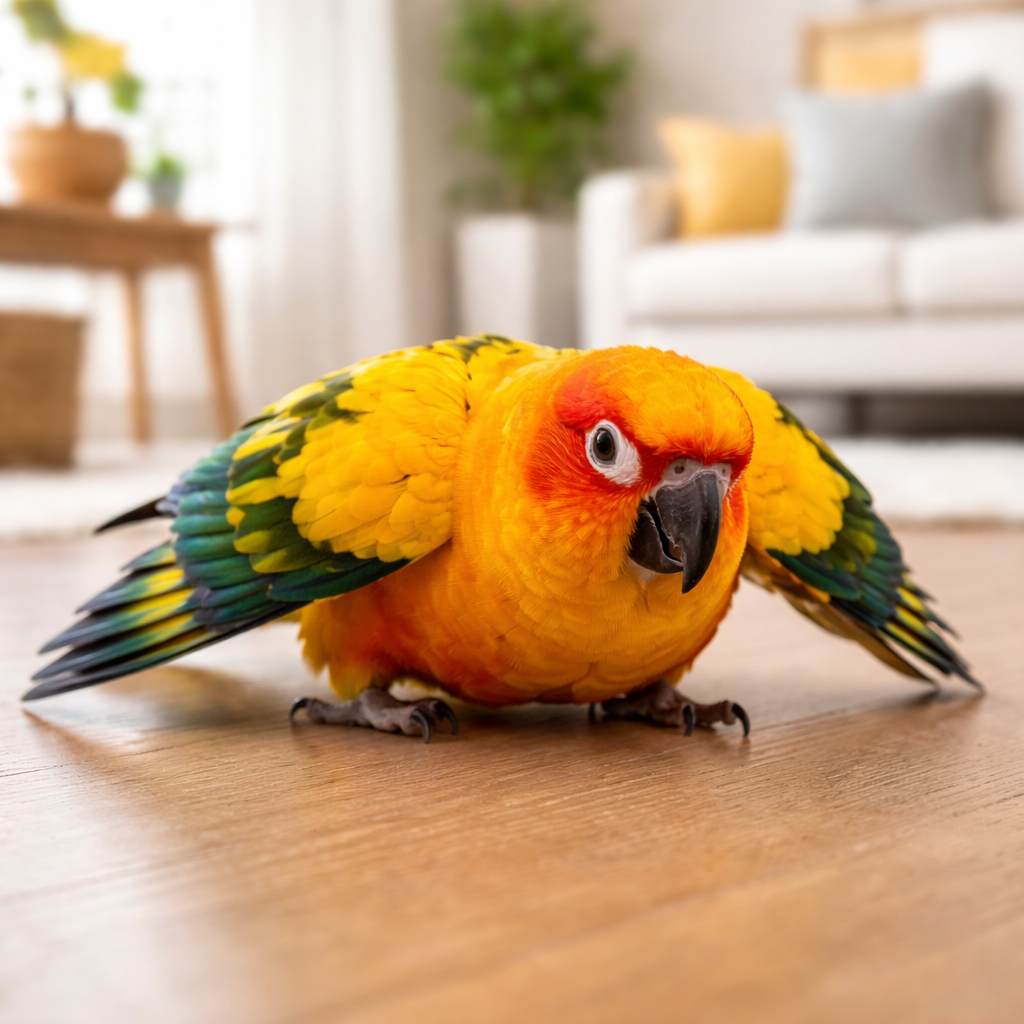
The subtle shifts in a pet bird’s demeanor – from gentle cooing to persistent wing flapping – are often more than just fleeting moods; they are frequently indicators of underlying hormonal activity. While these "big feelings," as they are sometimes described by owners, are a natural biological response, particularly in adult birds like an eight-year-old Sun Conure, understanding and appropriately redirecting this energy is crucial to prevent it from escalating into fixation, frustration, or chronic behavioral and health issues. Published on February 4, 2026, this article delves into the nuances of avian hormonal behavior, offering owners a structured approach to identifying, managing, and mitigating its potential challenges.
Deciphering Avian Hormonal Displays: What Owners Are Observing
Hormonal behavior in parrots manifests in a variety of ways, often mimicking courtship rituals observed in the wild. For many owners, the initial signs might include increased vocalizations, changes in temperament, or a sudden display of seemingly affectionate (or sometimes aggressive) behaviors. In species like Sun Conures, the soft cooing and wing flapping often represent an attempt to solicit a mate or assert territoriality. These behaviors are not phases to be outgrown but rather intrinsic biological responses that require informed management.
Avian veterinarians and behaviorists emphasize that perceiving these actions as simply "acting weird" can lead to misinterpretations and ineffective interventions. Instead, a deeper understanding of the physiological underpinnings is necessary. Hormonal cycles in birds are influenced by a complex interplay of environmental cues such as photoperiod (daylight length), diet, temperature, and the presence of perceived mates or nesting sites. These cues trigger the release of reproductive hormones like estrogen, testosterone, progesterone, and prolactin, which in turn drive the observed behavioral changes.
Species-Specific Hormonal Tendencies and Maturation
It is a common observation among bird owners that smaller parrot species tend to exhibit hormonal behaviors more frequently and for longer durations throughout the year compared to their larger counterparts. This is not an illusion but rather a reflection of their evolutionary biology. Species lower on the food chain, such as cockatiels, budgies, and conures, are programmed to mature quickly and reproduce more frequently. Their bodies, therefore, remain closer to a breeding-ready state for much of the year, making them appear perpetually "hormonal." These smaller parrots can reach sexual maturity before one year of age.
In contrast, larger, longer-lived parrots like macaws and cockatoos typically do not reach sexual maturity until much later, often between seven and eight years of age. Their reproductive cycles are generally less frequent and more distinctly seasonal, aligning with their life history strategies in the wild where slower reproduction rates are compensated by extended lifespans. Understanding these species-specific differences is paramount for owners to set realistic expectations and apply appropriate management strategies.
Distinguishing Normal from Concerning Hormonal Behavior
Occasional displays of courtship or territoriality during specific seasons or in particular situations are entirely normal for adult parrots. These transient behaviors are part of their natural life cycle. However, when hormonal displays become chronic, extreme, or lead to distress for the bird or significant disruption to the household, they transition from normal to concerning.
When Hormonal Behavior Becomes Problematic:
- Chronic Aggression: Persistent biting, lunging, or guarding of specific areas (cage, owner) that makes interaction difficult or dangerous.
- Excessive Vocalization: Screaming or squawking that is constant and unrelated to immediate needs, often a sign of frustration or fixation.
- Repeated Egg-Laying (Females): Laying multiple clutches of eggs annually can lead to severe health issues, including calcium depletion, egg binding (a life-threatening condition), prolapse, and chronic cloacal irritation.
- Self-Mutilation or Feather Plucking: While not exclusively hormonal, these behaviors can be exacerbated by chronic stress and frustration associated with an unfulfilled or misdirected hormonal drive.
- Obsessive Behaviors: Fixation on a particular object, person, or area, often accompanied by regurgitation, masturbation, or extreme territoriality.
- Destructive Behaviors: Chewing on inappropriate items beyond normal exploration, often driven by a perceived need to build a nest.
The physiological and psychological toll of a bird remaining in a chronic state of "hormonal activation" cannot be overstated. When a bird is constantly "switched on," its body and nervous system never fully settle. This can lead to persistent irritability, anxiety, and a decline in overall well-being. For females, the continuous demand of egg production depletes vital nutrients and strains their reproductive system. For males, chronic sexual frustration can manifest as intense aggression and obsessive behaviors. Recognizing these signs is the first step toward effective intervention.
Proactive Management: Redirecting Energy and Minimizing Triggers
The good news for worried bird owners is that panic is unnecessary, and "shutting down" the bird’s natural instincts is neither feasible nor desirable. The objective is to redirect their intense energy into productive, non-reproductive outlets. This strategy focuses on environmental modification, positive reinforcement, and avoiding common pitfalls.
1. Actively Reward Independent Behavior:
Birds thrive on mental and physical stimulation that mimics their natural behaviors. By rewarding independent play, foraging, and calm exploration, owners can teach their birds alternative, healthy outlets for their energy. This includes:
- Foraging Toys: These require birds to "work" for their food, engaging their problem-solving skills and keeping them occupied.
- Shreddable Toys: Providing safe materials for chewing and shredding satisfies their natural instinct to destroy and reshape their environment, which in the wild would be part of nest preparation.
- Puzzle Feeders: Similar to foraging toys, these challenge a bird’s intellect and dexterity.
- Quiet Play: Reward moments when the bird is calmly playing with toys, preening, or simply observing its surroundings without demanding attention or exhibiting hormonal displays.
2. Give Their Pent-Up Energy a Natural Parrot "Job":
In their natural habitat, parrots spend a significant portion of their day foraging, flying, socializing, and exploring. Providing similar "jobs" in captivity helps channel their energy constructively.
- Enrichment Schedule: Rotate toys regularly to maintain novelty. Introduce new textures, shapes, and challenges.
- Flight Opportunities: If safe and appropriate, allow supervised flight time to burn physical energy.
- Training Sessions: Engage in positive reinforcement training for basic commands (step-up, recall, target training). This provides mental stimulation and strengthens the bond without triggering hormonal responses.
- "Start Where Your Bird Can Succeed": If a bird is easily overstimulated outside its cage, begin these activities inside the cage. Once calmer and more engaged there, gradually introduce them to play stands or training perches in a controlled environment.
What to Avoid: Common Mistakes That Exacerbate Hormonal Issues
Many common interactions, though well-intentioned, can inadvertently reinforce or trigger hormonal behaviors. Understanding and avoiding these pitfalls is critical for successful management.
Common Mistakes to Avoid:
- Petting Below the Neck: Stroking a bird’s back, wings, or under the tail is often perceived as a sexual solicitation, especially by female birds. This can trigger reproductive hormones. Interactions should generally be limited to the head and neck.
- Providing Dark, Confined Spaces: "Cuddle huts," boxes, or even overly cluttered cages with dark corners can be interpreted as ideal nesting sites, stimulating hormonal drives. Remove these items.
- High-Fat Diets: Seed-heavy diets are often calorie-dense and can signal an abundance of resources, which in the wild would be conducive to breeding. A balanced diet of pellets, fresh fruits, and vegetables is crucial.
- Ignoring the Problem: Hoping the behavior will simply "burn itself out" is a fallacy. Hormonal energy, if not appropriately directed, tends to escalate in intensity and persistence.
Also, avoid assuming:
- Human Emotions: Birds do not operate out of spite, jealousy, or a desire to "be bad." Their actions are driven by instinct, learning, and their physiological state.
- "Training Tricks": While training involves learning, the goal with hormonal behavior management is not merely to teach tricks but to help the bird’s nervous system learn new, calmer default behaviors.
- Intention Matters More Than Outcome: Birds respond to outcomes. If a behavior reliably leads to attention, closeness, or emotional engagement (even negative attention), the bird’s brain labels it as successful and will repeat it, regardless of the owner’s intention.
The long-term implications of unmanaged hormonal behavior are significant. A bird stuck in a cycle of constant arousal and frustration experiences chronic stress, which can lead to immunosuppression, digestive issues, and a reduced quality of life. Positive reinforcement is an incredibly powerful tool in this context. Every time an owner rewards chewing on an appropriate toy, foraging, quiet play, or relaxed preening, they are actively helping their bird’s nervous system learn healthier coping mechanisms and establish a new, calmer behavioral default.
Utilizing Treats Effectively for Clear Learning
Treats are invaluable in shaping desired behaviors, but their application requires precision to avoid inadvertently reinforcing unwanted actions.
Treats Should Immediately Follow Calm Behavior:
Owners should cultivate the habit of always having preferred treats readily available (e.g., in a pocket or treat pouch). The key is to intentionally observe for natural, non-hormonal parrot behaviors and immediately reward them.
- If the bird is quietly playing with a toy: offer a treat.
- If the bird is preening calmly: offer a treat.
- If the bird is exploring a foraging toy: offer a treat.
- If the bird steps up calmly: offer a treat.
This immediate reinforcement creates a clear association for the bird: "When I do X (calm behavior), I get Y (a reward)." This helps the bird understand which actions are desirable and will be encouraged. This approach keeps learning clear and avoids confusion.
When to Seek Professional Veterinary Intervention
While behavioral modification can address many aspects of hormonal behavior, there are instances where professional veterinary intervention is not only advisable but critical. As highlighted by the 2026 clinical findings of Dr. Rob Marshall and Tailai O’Brien, reproductive hyperactivity is a primary cause of many health complaints in pet birds, underscoring the importance of medical evaluation.
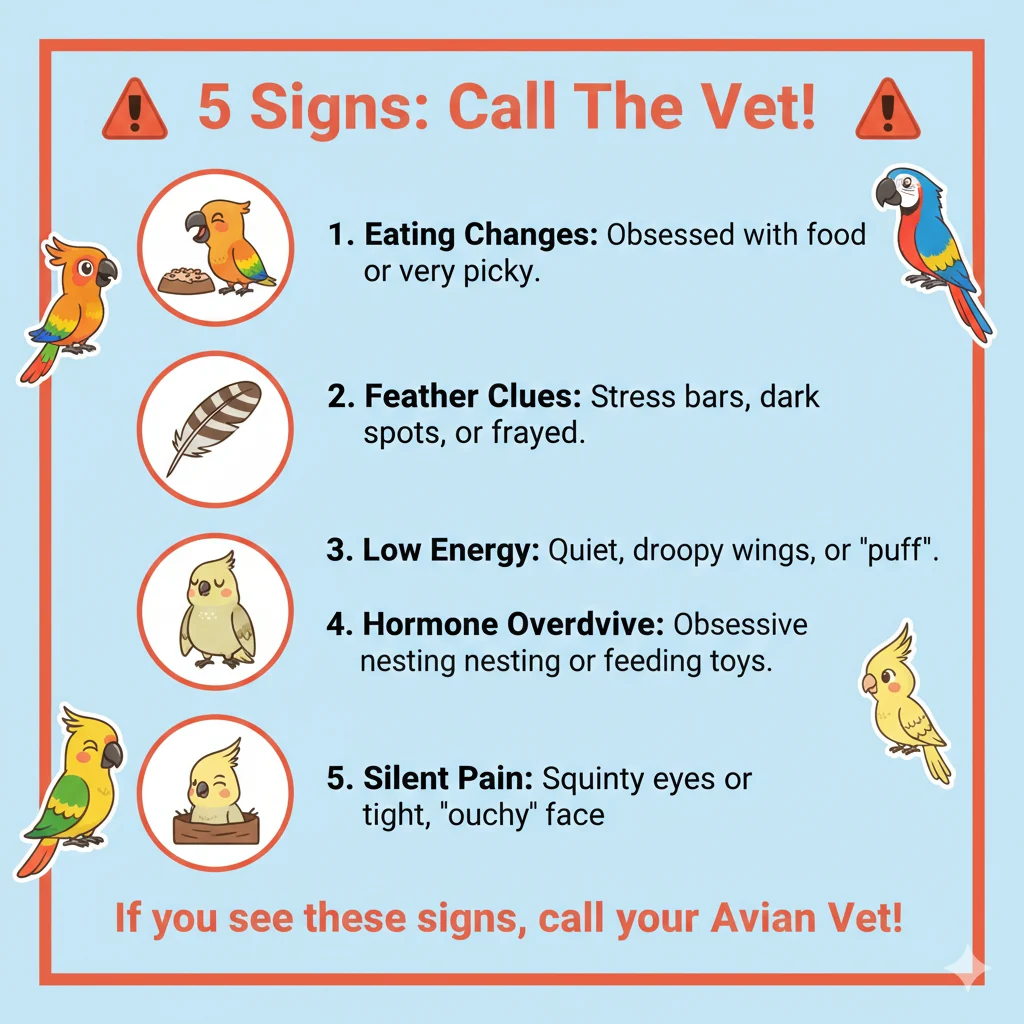
Use This 5-Point Protocol to Determine if Your Bird’s Behavior Has Crossed the Risk Threshold:
- Sudden, Unexplained Aggression or Biting: If a previously docile bird becomes unpredictably aggressive, especially in a way that suggests territoriality or hormonal shifts, a veterinary check is warranted to rule out pain, illness, or severe hormonal imbalance.
- Repeated Egg-Laying or Signs of Egg Binding: Any female bird laying more than two clutches of eggs per year, or showing signs of straining, lethargy, loss of appetite, or difficulty passing an egg, requires immediate veterinary attention. Egg binding is a life-threatening emergency.
- Significant Changes in Appetite, Droppings, or Energy Levels: Hormonal stress can manifest physically. Any sustained change in a bird’s normal eating habits, the consistency or frequency of its droppings, or a marked decrease in energy could indicate an underlying health issue exacerbated by or related to hormonal activity.
- Self-Mutilation or Persistent Feather Plucking: While complex, these behaviors can be triggered or worsened by chronic hormonal frustration and stress. A vet can help identify causes and recommend treatment, including behavioral therapies or medical interventions.
- Persistent, Uncontrollable Screaming or Destructive Behavior: If behavioral modification efforts have failed to curb chronic screaming or destructive tendencies that appear linked to hormonal drives, a vet can assess the bird’s overall health and discuss options like hormonal implants (e.g., Lupron) or environmental adjustments.
An avian veterinarian can conduct a thorough physical examination, recommend blood tests to assess hormone levels and overall health, and discuss options ranging from environmental and dietary modifications to pharmaceutical interventions. Hormonal implants, for instance, can temporarily suppress reproductive hormones, providing a window for behavioral modification to take effect without the constant physiological pressure.
The Broader Impact and Implications for Pet Bird Welfare
The challenge of managing hormonal behavior in pet birds extends beyond individual households; it touches upon broader issues of pet welfare, owner education, and the responsibilities inherent in keeping exotic animals. Misunderstanding these natural biological processes often leads to birds being surrendered to rescues, neglected, or living in perpetual states of stress and frustration.
For pet bird owners, recognizing that their bird’s "acting out" is rarely a deliberate act of defiance but rather a data point reflecting its internal state is crucial. It demands empathy, patience, and a commitment to providing an environment that supports their bird’s natural instincts in a healthy, controlled manner. The consistent application of positive reinforcement, combined with environmental adjustments, creates a lifestyle that is not only healthier for the bird’s body and mind but also far more livable for the human companions.
As the body of knowledge surrounding avian behavior and physiology continues to grow, exemplified by recent clinical findings, the importance of proactive and informed care becomes increasingly clear. By embracing these principles, owners can foster a more harmonious and enriching relationship with their feathered companions, ensuring their well-being for years to come.

