


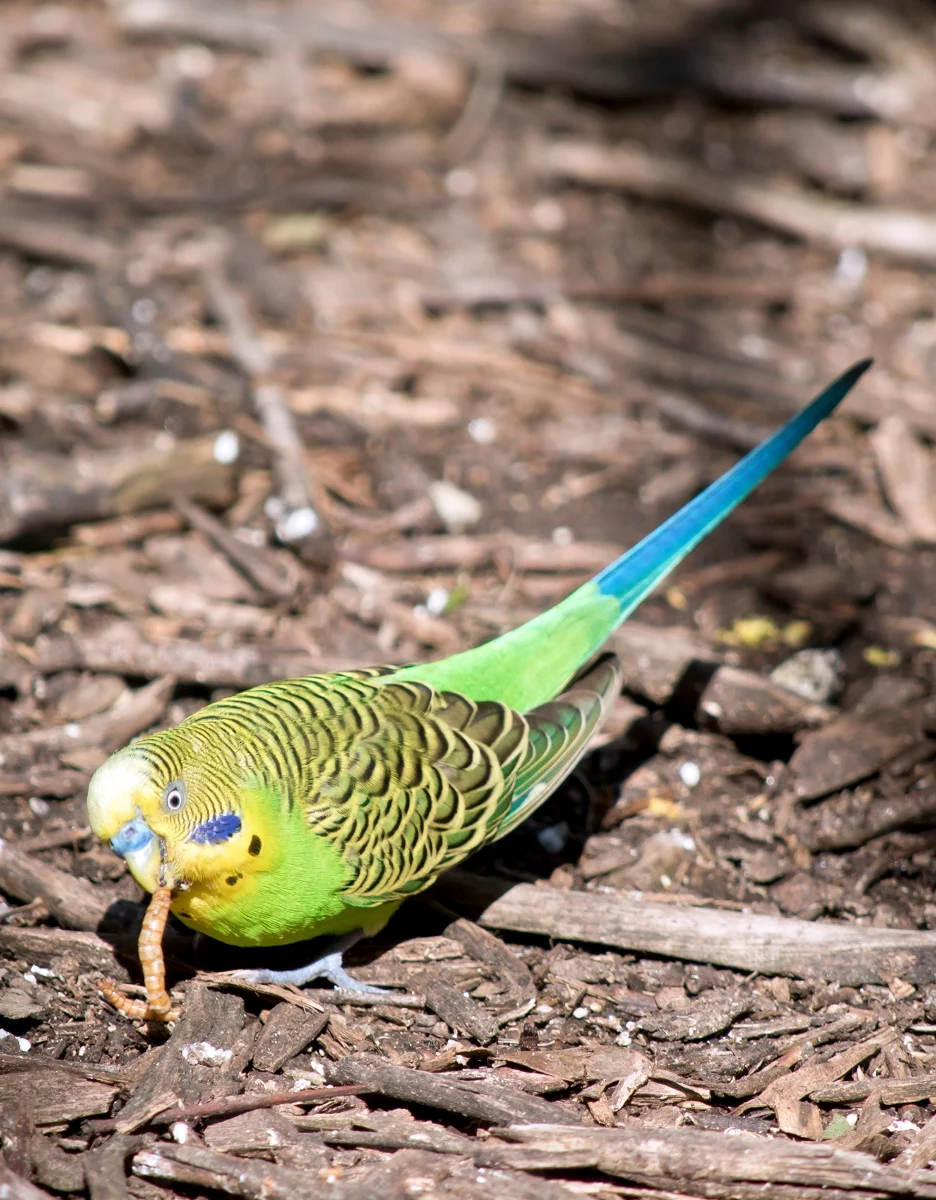
Ensuring a balanced and varied diet is paramount for the health and longevity of budgie parakeets, also known as common budgerigars. While commercial budgie foods form the cornerstone of their nutrition, many household items can safely supplement their diet, offering both nutritional benefits and mental enrichment. Conversely, numerous common human foods pose significant health risks, ranging from digestive upset to outright toxicity. Pet owners must possess a clear understanding of which foods are beneficial and which should be strictly avoided to safeguard their feathered companions’ well-being.
The Nutritional Imperative for Budgies
Budgies, native to the arid regions of Australia, are primarily granivores in the wild, consuming a diverse array of grass seeds, grains, and occasionally insects and fresh plant matter. This natural diet provides a broad spectrum of nutrients, fiber, and trace elements. In captivity, replicating this dietary diversity is crucial. A diet consisting solely of seeds, particularly high-fat sunflower or millet seeds, is often deficient in essential vitamins (especially Vitamin A and D), calcium, and amino acids, and can lead to obesity, fatty liver disease, and other metabolic disorders. Avian veterinarians consistently advocate for a diet primarily composed of high-quality pellets (60-70%), supplemented with fresh vegetables (20-30%), a small amount of fruit (5%), and very occasional healthy treats. Integrating safe human foods into this framework can enhance nutritional intake and provide vital mental stimulation.
Navigating Household Foods: Safe Choices for Budgies
Many everyday kitchen staples can be safely offered to budgies, provided they are prepared correctly and offered in moderation. The key principle is to select natural, single-ingredient options devoid of added salt, sugar, fats, or artificial preservatives. Below are 19 common household items that, when used judiciously, can enrich a budgie’s diet:
1. Bread: While not a nutritional powerhouse, small, plain pieces of whole-wheat bread can be offered as an occasional treat. The emphasis is on whole-wheat and plain, meaning no added sugar, excessive salt, or unhealthy fats found in many commercial white breads, brioches, or specialty loaves. Seeds from bread, like sesame or poppy seeds (if unsalted), are also acceptable.
2. Sunflower Seeds: These are often a budgie favorite due to their high-fat content, making them excellent as a training treat. However, due to this very reason, they should be given sparingly. Only offer unsalted, raw, or dry-roasted sunflower seeds. Avoid any seed mixes that list sunflower seeds as a primary ingredient for daily feeding, as this can lead to an unbalanced diet and obesity.
3. Natural Peanut Butter: A tiny smear of natural peanut butter (containing only peanuts and perhaps a pinch of salt, no added sugars or hydrogenated oils) can be a useful tool for enrichment or introducing new objects. Like sunflower seeds, it’s high in fat and should be offered very infrequently and in minuscule amounts. Its sticky texture can also be an engaging challenge for a budgie.
4. Boiled Eggs: A surprising but highly nutritious addition, boiled eggs are an excellent source of protein, calcium, and essential amino acids. They are particularly beneficial for laying hens or birds recovering from illness. Offer small pieces of plain, hard-boiled or scrambled egg, ensuring no oil, butter, or salt has been added during preparation.
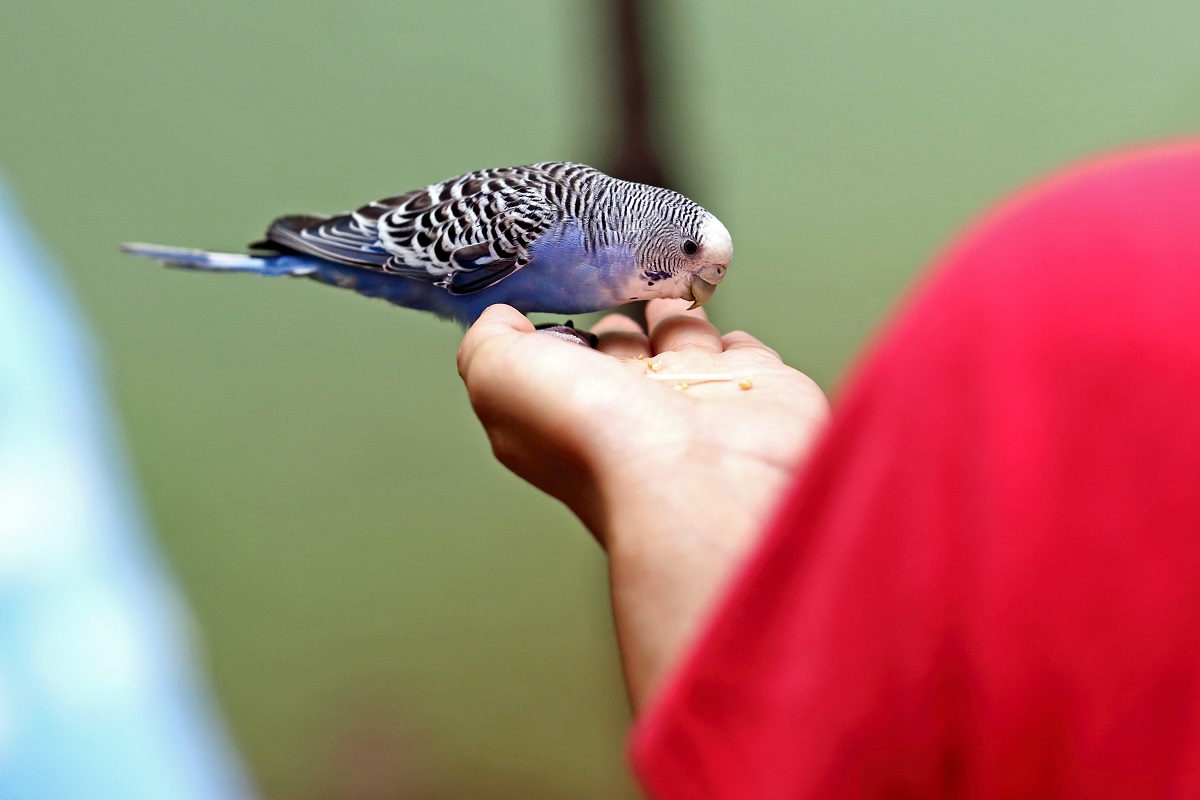
5. Chia Seeds: These tiny seeds are packed with Omega-3 fatty acids, fiber, and antioxidants. Budgies, being natural seed-eaters, readily accept them. They can be sprinkled in small amounts (e.g., 1/4 teaspoon) directly into their food bowl. While chia seed pudding (soaked in water) is safe, dry seeds are usually preferred by budgies.
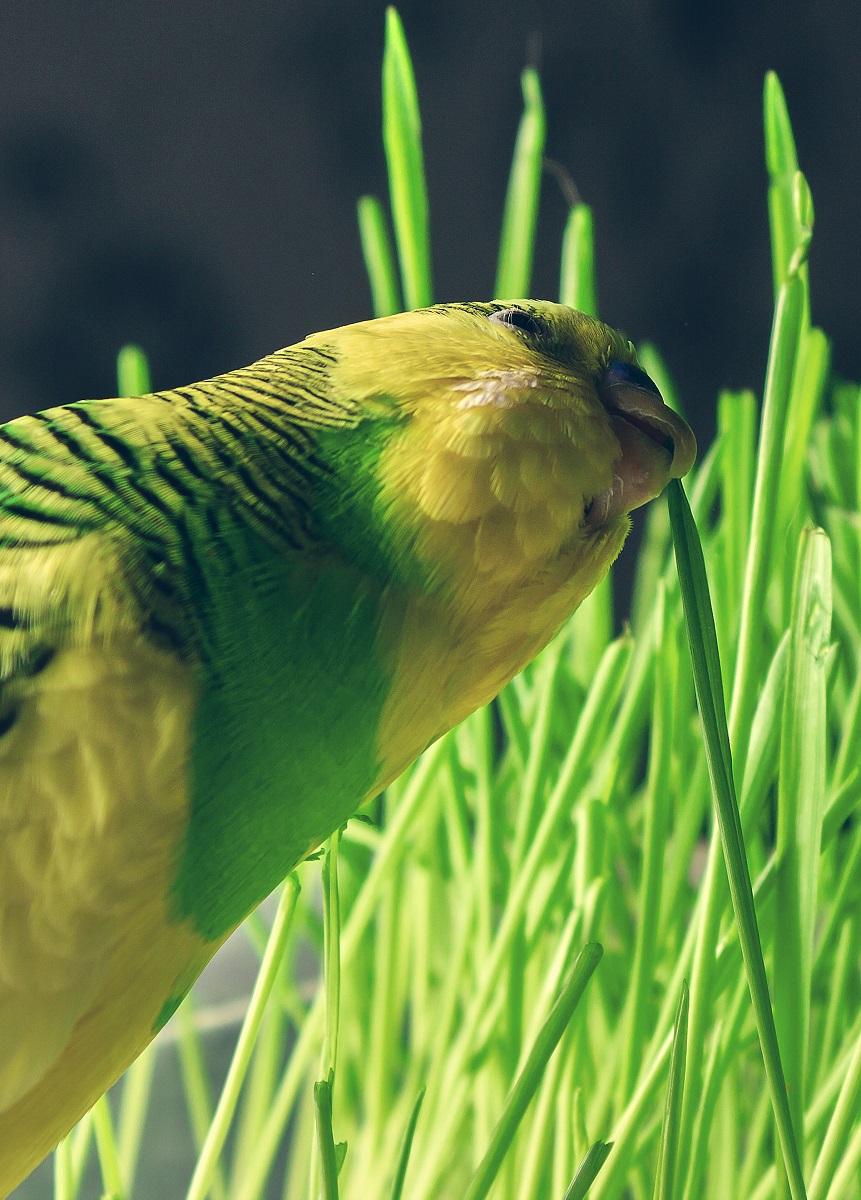
6. Wheatgrass: An excellent source of vitamins, minerals, and chlorophyll, sprouted wheatgrass offers both nutrition and a natural foraging experience. Owners can sprout wheatgrass seeds at home and offer the fresh blades. It’s crucial to sprout them through a mesh to prevent budgies from ingesting soil, which can harbor harmful bacteria or mold.
7. Cashews: Unsalted, plain cashews can be given in very small quantities. Like all nuts, they are calorie-dense and high in fat, so a quarter of a crushed cashew nut is a sufficient portion for an occasional treat. Roasted (unsalted) cashews are acceptable.
8. Cheerios (Plain): While processed, plain Cheerios (the original variety) have a relatively simple ingredient list, primarily whole-grain oats and corn starch. They do contain some sugar and salt, so they should only be offered in very small pieces (e.g., half a loop) and very infrequently. They serve more as an occasional novelty than a nutritional staple.
9. Pumpkin Seeds: Similar to sunflower seeds, pumpkin seeds are a fatty treat that budgies enjoy. Offer unsalted, raw, or dry-roasted seeds. Due to their larger size, it’s often beneficial to crack them open for your budgie, though some may enjoy the challenge of shelling them themselves.
10. Almonds: Unsalted, plain almonds are a safe and healthy nut option. A quarter of an almond, finely chopped, is an appropriate serving size. Raw almonds can also be sprouted, which enhances their nutritional value and digestibility for birds.
11. Cooked Chicken: Small pieces of plain, cooked chicken breast or thigh, free of any seasoning, oil, or sauces, can provide a protein boost. This is particularly useful for laying hens or birds with increased protein needs. It should be offered sparingly.
12. Dried Fruit (Unsweetened): Natural, unsweetened dried fruits, such as raisins, cranberries, or apple slices (ensure no seeds), can be given in very small amounts. The natural sugars become concentrated during drying, so moderation is key to prevent excessive sugar intake. Avoid candied fruits or those with added sugars or preservatives.
13. Hemp Seeds: Often found in commercial bird seed mixes, hemp seeds are highly nutritious, providing healthy Omega-3 fatty acids and protein. They are safe for budgies and can be sprinkled into their regular food in small quantities.
14. Pasta: Plain, cooked, unsalted pasta (whole-wheat is preferable) can be offered as an occasional treat. Dried pasta can also be used as a safe, edible toy, providing enrichment as the budgie chews on it. Avoid pasta with sauces, excessive oil, or salt.
15. Pine Nuts: These small, unsalted nuts are safe for budgies in very small amounts. Adhere to the same guidelines as other nuts: moderation and ensure they are plain and unsalted.
16. Peanuts: While historically a subject of concern due to potential for Aspergillus mold, high-quality, human-grade, unsalted peanuts are considered safe in moderation. The risk of aspergillosis arises from improperly stored, low-quality peanuts. Offering shelled peanuts can also provide a good foraging opportunity.
17. Popcorn (Plain, Air-Popped): Plain, air-popped popcorn, with no butter, salt, or sugar, is a fun and safe treat. Budgies often enjoy the light, airy texture. It can also be incorporated into homemade bird toys.
18. Quinoa: This pseudocereal is a complete protein and rich in various micronutrients. Both cooked and uncooked quinoa (white, red, or black) are suitable for budgies. It can be mixed into their daily fresh food bowl.
19. Rolled Oats: Plain rolled oats or steel-cut oats are a healthy addition to a budgie’s diet. They can be offered dry or soaked in water. If prepared as oatmeal, ensure it is plain, unsweetened, and not made with dairy milk, which budgies cannot digest.
Foods to Strictly Avoid: Understanding the Risks
Just as there are safe household foods, there are also many that pose significant dangers to budgies. These range from mildly unhealthy to acutely toxic. Owners must be vigilant in preventing their birds from accessing these items.
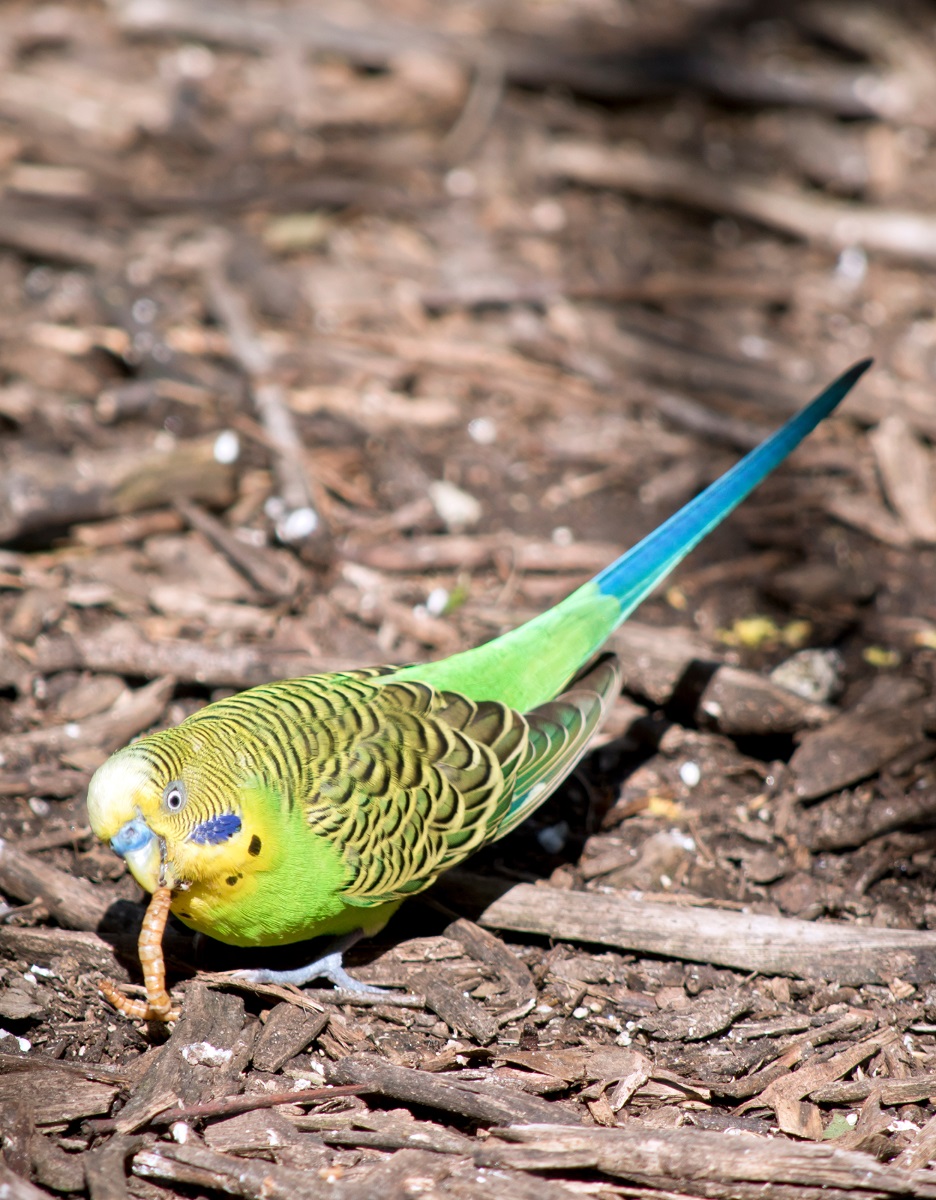
1. Avocado: Avocado is unequivocally toxic to budgies and most other psittacine species. It contains persin, a fungicidal toxin that can cause respiratory distress, heart damage, weakness, and sudden death, particularly in smaller birds like budgies due to their high metabolic rate and small body mass. Ingestion necessitates immediate veterinary attention.
2. Chocolate: Chocolate contains theobromine and caffeine, both of which are highly toxic to birds. These compounds can cause hyperactivity, tremors, seizures, cardiac arrhythmias, and even death. The darker the chocolate, the higher the concentration of these toxins. Chocolate should never be offered to budgies.
3. Honey: Despite its natural origins, honey (and corn syrup) can contain Clostridium botulinum bacteria spores, which can produce deadly botulism toxins. While rare, the risk is significant for small birds. Furthermore, honey is excessively sugary and offers no unique nutritional benefit that cannot be obtained from safer sources.
4. Chips (Crisps): Potato and corn chips are laden with salt, unhealthy fats, artificial flavorings, and preservatives. None of these ingredients are appropriate for a budgie’s delicate system. High sodium intake can lead to dehydration, kidney problems, and neurological issues.
5. Aloe Vera: While the clear gel inside Aloe vera leaves is generally considered safe and sometimes even beneficial topically, the outer green leaf contains aloin, a yellowish compound with strong laxative properties. Ingesting aloin can cause severe diarrhea and dehydration in budgies. It’s best to keep Aloe vera plants out of reach.
6. Ice Cream and Dairy Products: Budgies, like most birds, are lactose intolerant. They lack the enzyme lactase needed to break down lactose found in dairy. Consuming ice cream, milk, or soft cheeses can lead to severe digestive upset, including diarrhea and vomiting. While hard cheeses have lower lactose, their high fat and salt content still make them unsuitable.
7. Cheese: As mentioned, most cheeses are high in fat and salt, and soft cheeses also contain significant lactose. While a tiny crumb of hard cheese might not be immediately fatal, it offers no benefit and poses health risks over time, contributing to obesity and other metabolic issues.
8. Crackers (Savory Biscuits): Commercial crackers, even plain ones, typically contain vegetable oils, salt, and sometimes sugar or other additives. These processed ingredients make them an unhealthy choice for budgies. They offer minimal nutritional value and can contribute to excessive fat and sodium intake.
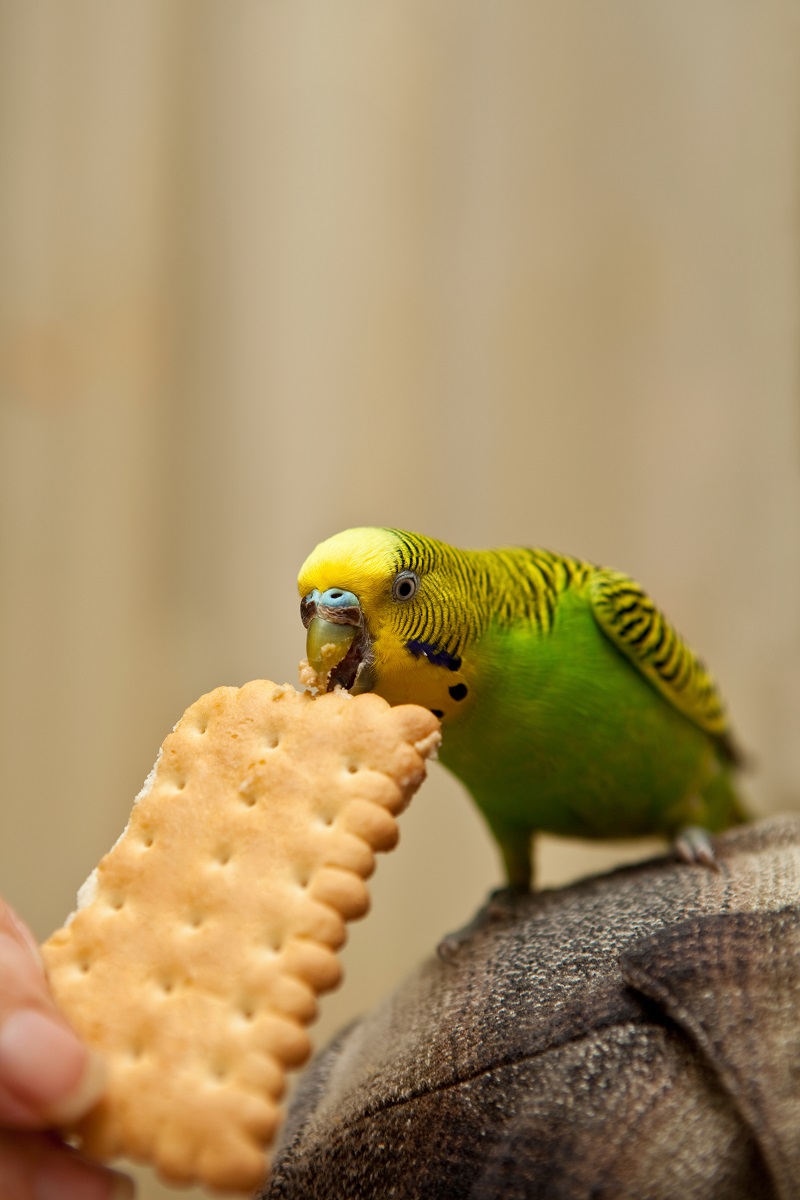
9. Biscuits (Cookies): Whether referring to American-style savory biscuits or UK-style sweet cookies, these items are universally unsuitable for budgies. They are packed with sugar, unhealthy fats, salt, and often artificial flavors and preservatives, all of which are detrimental to avian health. Even a few crumbs can contribute to an unhealthy diet.
General Dietary Guidelines and Best Practices
To ensure a budgie thrives, owners should adhere to a comprehensive feeding strategy that goes beyond merely identifying safe and unsafe items.
- Prioritize Pellets: A high-quality, veterinarian-recommended pelleted diet should form the majority of a budgie’s daily intake. Pellets are formulated to provide complete and balanced nutrition.
- Embrace Fresh Produce: Daily offerings of fresh, thoroughly washed vegetables (e.g., leafy greens like kale, spinach, romaine; carrots; bell peppers; broccoli) and small amounts of fruit (e.g., berries, melon, apple without seeds) are crucial for vitamins, minerals, and fiber.
- Moderation for Treats: Any human food deemed "safe" should still be offered as an occasional treat, not a dietary staple. Treats should constitute no more than 10% of the bird’s total intake.
- Avoid Processed Foods: A steadfast rule for budgie nutrition is to avoid any processed human food. If it comes in a package with a long list of ingredients, it’s likely unsuitable.
- Fresh Water: Always provide fresh, clean water, changed daily, and ideally multiple times a day.
- Hygiene: Food bowls should be cleaned daily to prevent bacterial growth and contamination.
- Observe and Adjust: Every budgie is an individual. Observe your bird’s preferences and reactions to new foods. Consult an avian veterinarian for personalized dietary advice, especially if your bird has specific health concerns.
Broader Implications of Proper Nutrition
The impact of diet on a budgie’s overall health and quality of life cannot be overstated. A well-nourished budgie will exhibit vibrant feather coloration, sustained energy levels, a strong immune system, and a more robust demeanor. Conversely, poor nutrition is a leading cause of illness in captive birds, contributing to:
- Obesity: Excessive fat intake, particularly from seed-heavy or high-fat human food diets.
- Fatty Liver Disease (Hepatic Lipidosis): A common and often fatal condition resulting from chronic poor diet.
- Vitamin Deficiencies: Particularly Vitamin A deficiency, which impacts skin, feathers, and respiratory health.
- Calcium Deficiency: Leading to brittle bones, poor eggshell quality in hens, and splayed legs in chicks.
- Behavioral Issues: Malnutrition can lead to lethargy, feather plucking, and increased susceptibility to stress.
- Reduced Lifespan: Budgies on an appropriate diet can live 10-15 years or more, whereas those on inadequate diets often succumb to illness much earlier.
Conclusion
Responsible budgie ownership extends significantly to providing a diet that mirrors their natural nutritional needs while carefully avoiding harmful substances. By understanding the principles of balanced avian nutrition and meticulously distinguishing between safe and unsafe household foods, owners can dramatically enhance their budgies’ health, vitality, and longevity. Regular consultation with an avian veterinarian remains the best practice for ensuring that a budgie’s dietary regimen is perfectly tailored to its individual needs, ensuring a vibrant and healthy life for these cherished companions.

