


Louisiana, a state celebrated for its vibrant cultural tapestry woven with the soulful rhythms of jazz and the rich flavors of Creole and Cajun cuisines, also harbors a less visible yet equally captivating natural heritage. Beyond the bayous and bustling cities lies a remarkable avian population, with 485 bird species calling the state home, either year-round or as seasonal visitors. Among these feathered residents, the owls of Louisiana present a particularly intriguing subject, often requiring a keen eye and a patient spirit, especially for those seeking to observe their nocturnal activities. This comprehensive exploration delves into the fascinating world of Louisiana’s owls, highlighting their unique characteristics, habitats, and ecological roles.
The Allure of Louisiana’s Avian Predators
While Louisiana is renowned for its contributions to music and gastronomy, its diverse ecosystems—ranging from sprawling swamps and wetlands to pine forests and coastal marshes—provide ideal habitats for a wide array of wildlife. Birdwatching, or "birding," has become an increasingly popular pastime, drawing enthusiasts to its plentiful birding hotspots. However, the elusive nature of owls, their preference for crepuscular or nocturnal hunting, and their exceptional camouflage skills make them a more challenging, yet profoundly rewarding, quarry for dedicated observers. These magnificent birds of prey, with their silent flight and keen senses, are masters of their domain, a testament to nature’s intricate design.
Habitat and Prey: A Symbiotic Relationship
The ecological success of owls in Louisiana is intrinsically linked to the state’s abundant natural resources. Forests and swamplands offer not only secure roosting and nesting sites but also a rich larder of prey. While many owl species favor the seclusion of dense woodlands, some have demonstrated remarkable adaptability, readily utilizing human-made structures or abandoned buildings for their homes. This adaptability, coupled with a diverse prey base, ensures a healthy population of various owl species throughout the state. From the smallest insects to larger mammals, Louisiana’s owls play a critical role in maintaining ecological balance.
A Glimpse into Louisiana’s Owl Diversity: Nine Prominent Species
Louisiana is home to a fascinating variety of owl species, each with its own unique adaptations and ecological niche. Understanding these birds offers a deeper appreciation for the state’s biodiversity.
1. The Majestic Great Horned Owl (Bubo virginianus)
Dominating the Louisiana skies, the Great Horned Owl is a formidable and widespread predator. Its adaptability allows it to thrive in a variety of habitats, including the state’s extensive swamps and mature evergreen and deciduous forests. Often referred to as the "Tiger Owl" due to its striking brown and gray mottled plumage, this owl is also known for its impressive "ear tufts," which lend it a fierce, almost horned appearance.

Ecological Significance: The Great Horned Owl boasts one of the most diverse diets among North American owls, demonstrating its prowess as an apex predator. It is known to hunt prey significantly larger than itself, including rabbits, skunks, and even other birds of prey like hawks and falcons. Its hunting activity primarily occurs at dawn and dusk, though it is capable of hunting nocturnally. This adaptability in diet and hunting schedule contributes to its widespread success.
Nesting Habits: Typically, Great Horned Owls do not construct their own nests. Instead, they readily claim abandoned nests of other large birds, such as hawks and crows, or utilize natural tree cavities. In areas with limited natural nesting sites, they have been observed nesting in man-made structures. Pairs often maintain close proximity to each other, particularly in the lead-up to the breeding season, showcasing a degree of social bonding.
2. The Elusive Flammulated Owl (Ps Psittacula psittacea)
A much smaller and more cryptic resident, the Flammulated Owl is a master of camouflage. Its intricate plumage, a blend of brown, gray, rust, and white, mimics the texture and colors of tree bark and leaves, making it exceptionally difficult to spot. Adding to its elusiveness is its low-pitched hoot, which rarely betrays its location.

Habitat and Diet: While not as commonly encountered as some other species, the Flammulated Owl can be found in Louisiana’s city parks, favoring forested areas. Its diet consists primarily of small insects, which it catches on the wing with remarkable agility. Moths, crickets, grasshoppers, and beetles are among its favored prey.
Reproductive Behavior: The male Flammulated Owl uses its distinctive low hoot to delineate its territory and attract a mate. During the courtship and pre-laying period, the male diligently provisions the female with food, assisting her in building up reserves for egg incubation.
3. The Adaptable Eastern Screech-Owl (Megascops asio)
A year-round resident of Louisiana, the Eastern Screech-Owl is a testament to adaptability, found in a range of environments from dense woodlands to suburban parks and even close to residential areas. Its presence near human habitation is often facilitated by the availability of its primary prey: small rodents. However, its diet also extends to reptiles, amphibians, and large insects.
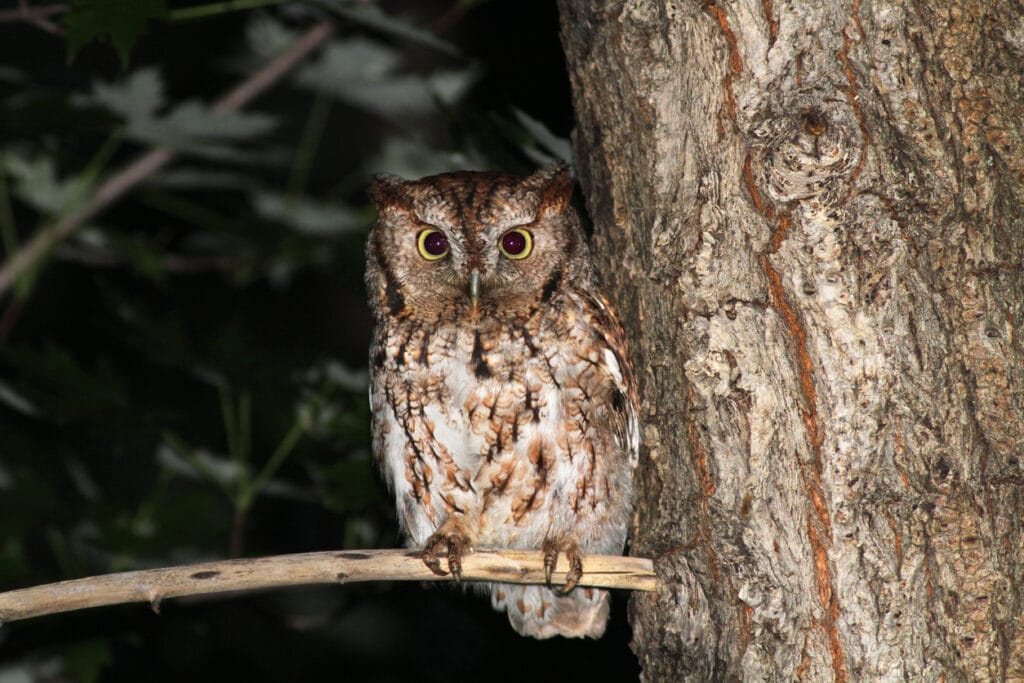
Physical Characteristics and Behavior: This stocky owl exhibits two color morphs: gray and reddish-brown, both providing excellent camouflage against tree bark. Unlike many owl species, the Eastern Screech-Owl shows a remarkable tolerance for human proximity. Birdwatchers can often attract breeding pairs to their backyards by installing appropriately sized nesting boxes, provided these are adequately protected from predators. Interestingly, the presence of Eastern Screech-Owls can sometimes lead to agitated mobbing behavior from songbirds, which view them as a threat.
4. The Vocal Barred Owl (Strix varia)
The Barred Owl is a familiar sight in many Louisiana locales, including Baton Rouge, often found inhabiting large, mature trees and preferring proximity to swamps and wetlands—habitats that are abundant across the state. Its name derives from the distinctive barring patterns on its plumage, a mottled brown body accented with white spots and dark markings on its underparts.
Unique Call and Hunting Strategy: While often roosting quietly and blending seamlessly with tree bark during the day, the Barred Owl is easily identifiable by its unique and resonant call, often described as "Who cooks for you? Who cooks for you-all?" This distinctive vocalization can aid in its detection. Primarily a nocturnal hunter, it perches and ambushes its prey, which includes small mammals like mice, squirrels, and voles, as well as birds. When nesting near water bodies, its diet expands to include fish and crayfish. It stores surplus food in tree cavities and typically swallows smaller prey whole, dismembering larger prey before consumption.

5. The Diurnal Short-eared Owl (Asio flammeus)
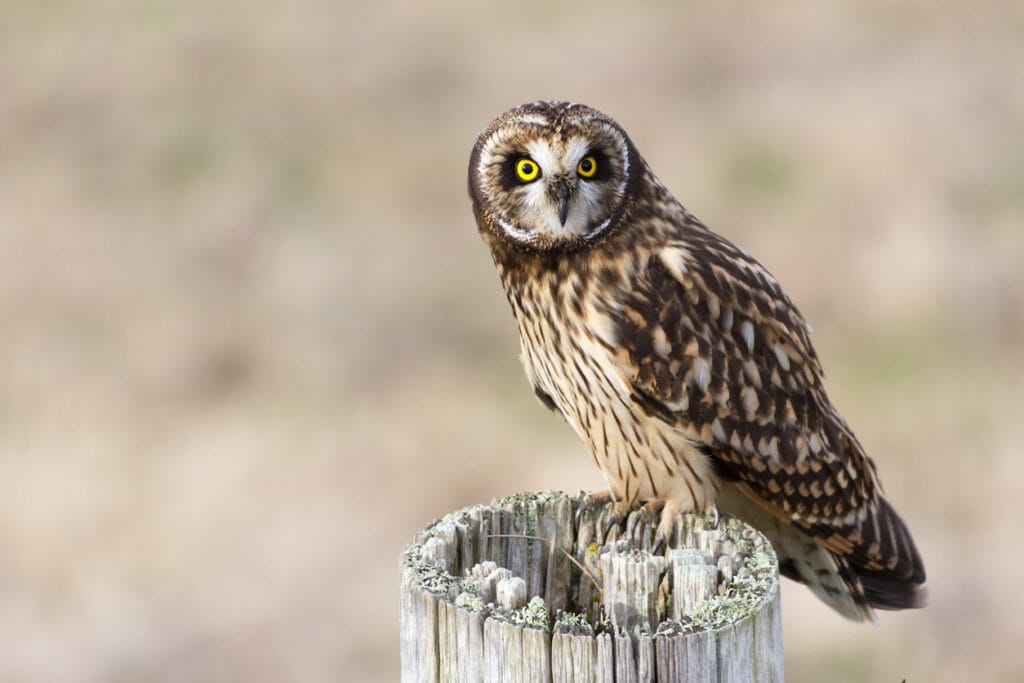
The Short-eared Owl is a medium-sized owl notable for its diurnal hunting habits, though it can also be active during twilight hours. It possesses a brown-buff plumage with a spotted pattern and white underparts. Its most distinctive feature is its short ear tufts, which are often inconspicuous, giving the owl its name.
Habitat and Prey: While sometimes observed near residential areas, the Short-eared Owl typically favors open environments such as marshes, meadows, and grasslands for nesting. It hunts by flying low over short vegetation, preying on small mammals, particularly mice and voles, but also consuming rabbits, weasels, bats, squirrels, and birds. A unique feeding behavior involves decapitating mammals before consumption and removing the wings of birds.
Nesting and Parental Care: This species constructs its nests directly on the ground, concealed within low-lying plants. During the breeding season, when the female incubates the eggs, the male actively defends the nest and provides food. In a remarkable display of parental defense, the female may feign injury to lure predators away from the nest site.
6. The Ghostly Barn Owl (Tyto alba)
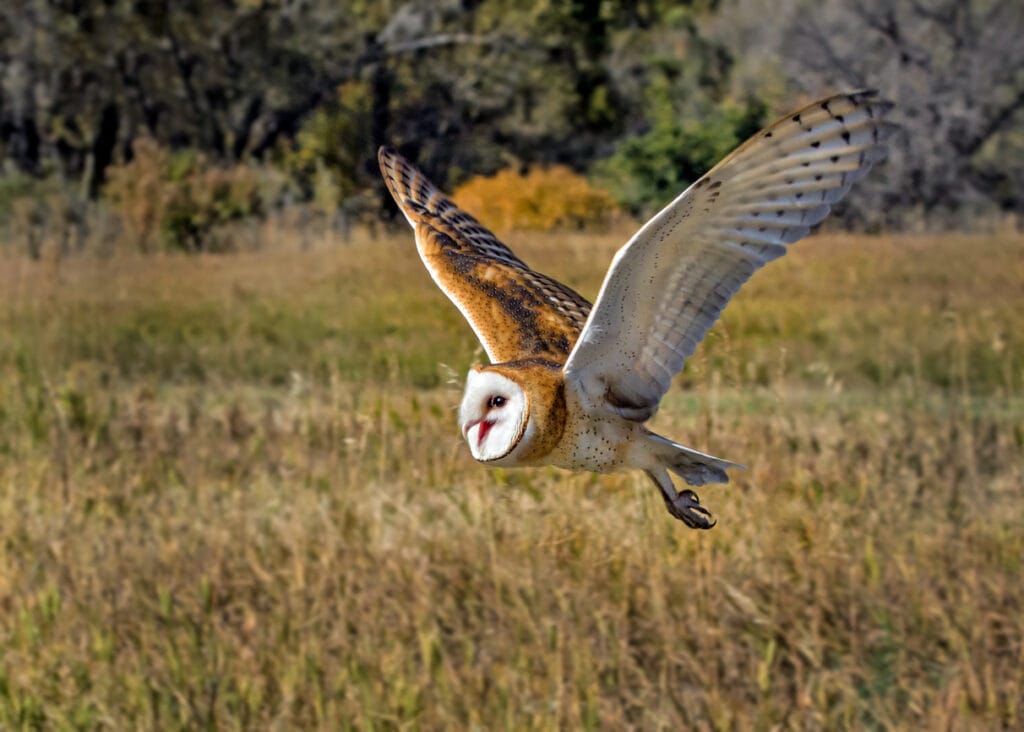
Widespread throughout Louisiana, particularly in the southern counties and along major river systems, the Barn Owl is a striking bird of prey. Its call is less of a hoot and more of an unsettling scream, yet it remains a highly prized species for birdwatchers. In low light conditions, its pale white, buff-gray body can appear almost spectral.
Sensory Prowess: The Barn Owl is a highly skilled nocturnal hunter, relying on its exceptionally acute hearing to locate prey in complete darkness. Its heart-shaped facial disc funnels sound to its asymmetrically placed ears, allowing for precise triangulation of prey location. Its primary food source is rodents, with a single owl capable of consuming up to 1,000 mice annually.
Mating and Defense: Barn Owls exhibit a fascinating mating ritual, with males often defending their nests aggressively. Studies suggest that males may favor females with more prominent body spots, as these spots are linked to a female’s ability to resist parasites and diseases.
7. The Subterranean Burrowing Owl (Athene cunicularia)
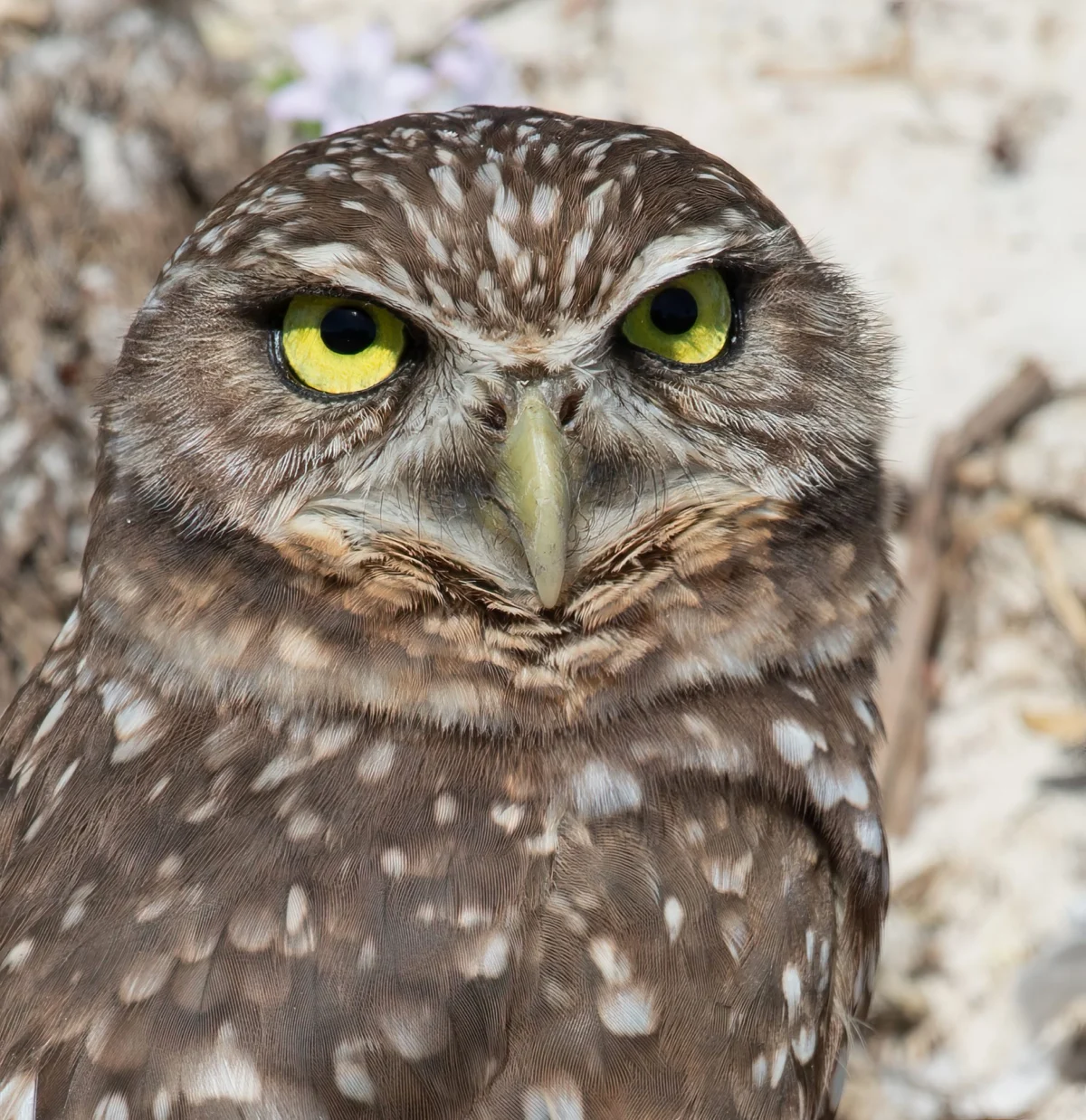
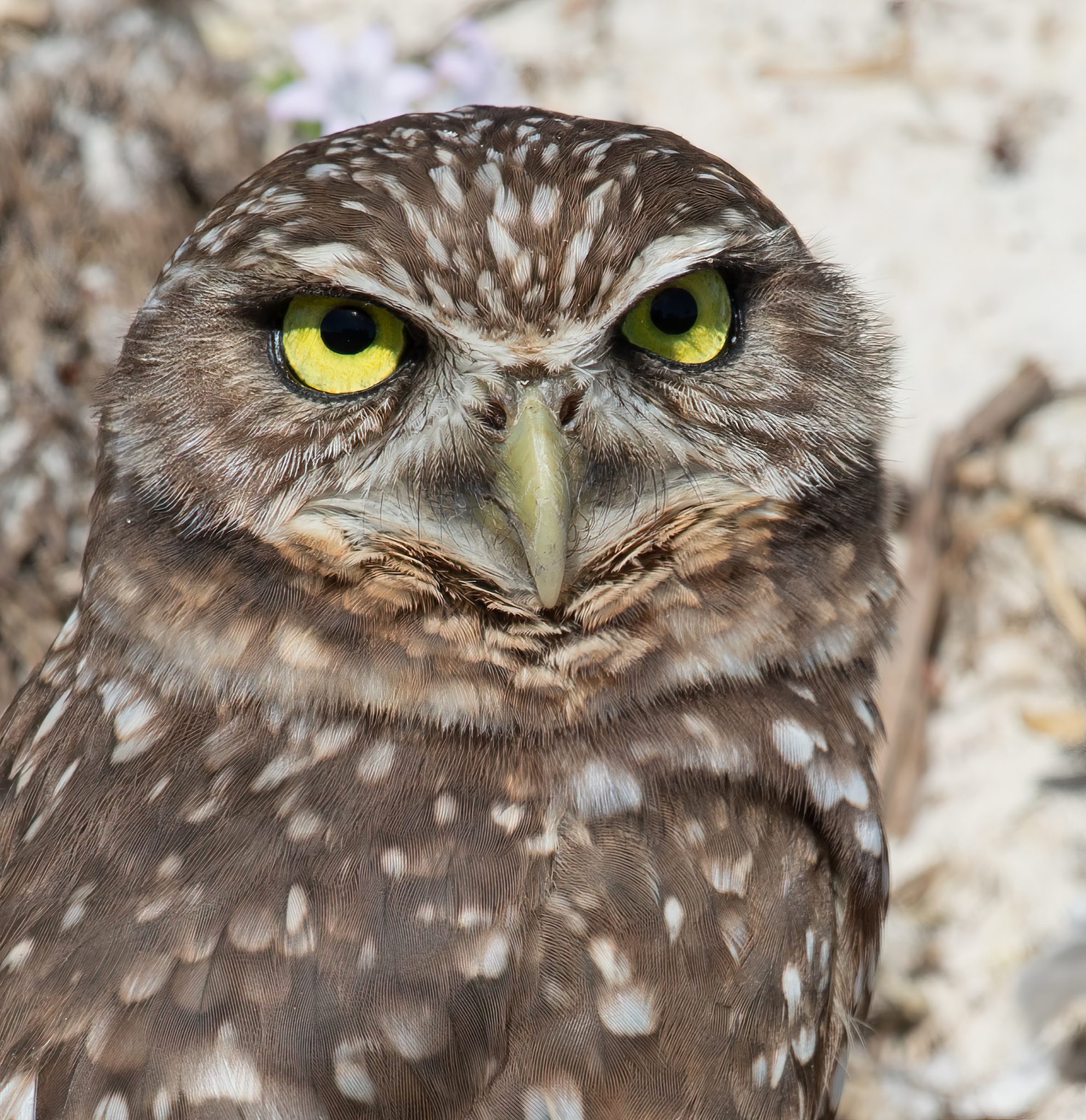
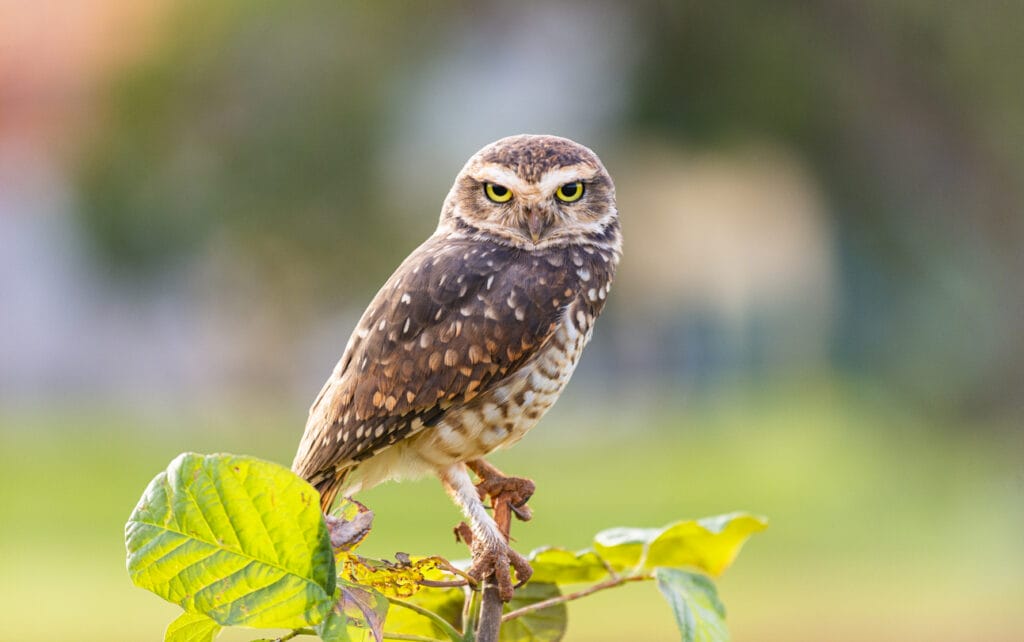
The Burrowing Owl’s range extends into southern Louisiana, where it inhabits open areas like pastures, prairies, and grasslands with sparse vegetation. Unlike most owls, it does not excavate its own burrows. Instead, it commandeers abandoned underground dwellings created by other animals such as prairie dogs, squirrels, or tortoises. It can also utilize man-made underground structures with accessible entrances.
Unique Adaptations and Behavior: Both male and female Burrowing Owls are similar in size and possess sandy-colored plumage that provides excellent camouflage in their arid habitats. Their diet includes prairie dogs, mice, reptiles, insects, and small birds. A remarkable adaptation is their high tolerance for carbon dioxide, likely a result of spending extended periods underground. Intriguingly, Burrowing Owls use animal dung to line the entrance of their burrows, potentially to attract dung beetles, a food source. They also collect unusual items like cigarette butts and aluminum foil, scattering them near their burrow entrances as territorial markers.
8. The Arctic Visitor: Snowy Owl (Bubo scandiacus)
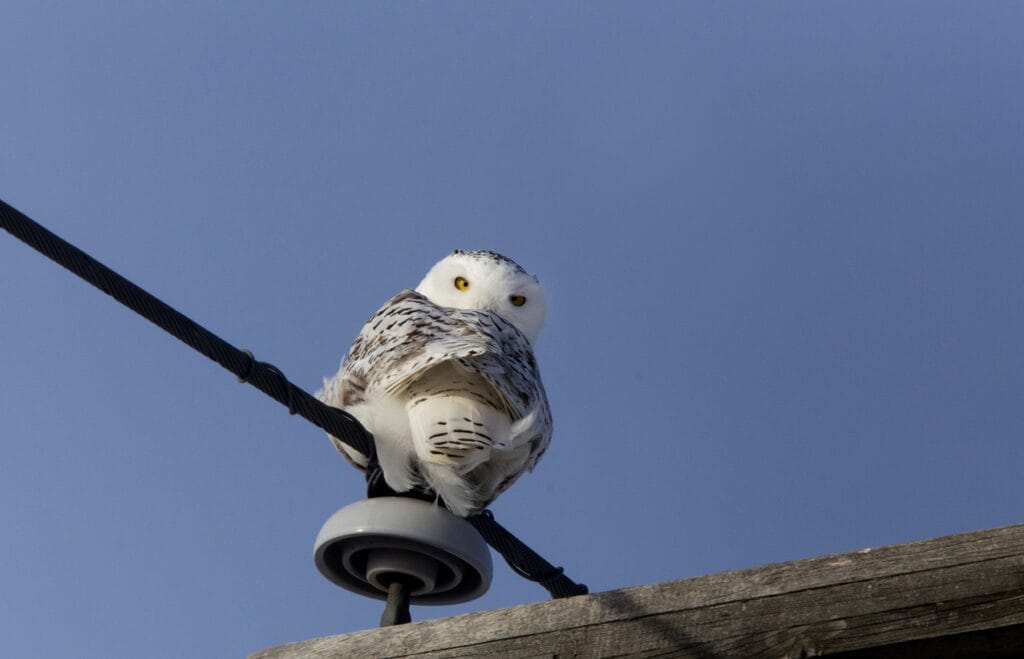
While primarily an inhabitant of the Arctic tundra, the Snowy Owl occasionally ventures south during winter months. Birdwatchers in Louisiana may have a chance to spot one, especially in years with significant population movements. Identifying this large, predominantly white owl, which often features black markings on its underparts (though these tend to diminish with age in males), can be challenging, particularly against a snowy backdrop.
Sensory Acuity and Defense: The Snowy Owl possesses incredibly sharp eyesight and hearing, enabling it to pinpoint prey even when concealed beneath snow. They are known for their vocalizations, with males’ hoots carrying remarkable distances. During the breeding season, Snowy Owls can exhibit aggressive behavior, including dive-bombing perceived threats, including humans, to defend their territories.
9. The Sociable Long-eared Owl (Asio otus)
The Long-eared Owl is rarely observed in Louisiana, typically preferring coniferous woodlands and open grasslands. It is characterized by its buff and black plumage, a narrow face, and notably long ear tufts that give it its name. Its fringed feathers enable silent flight, a crucial adaptation for ambushing prey.
Camouflage and Social Behavior: During daylight hours, the Long-eared Owl’s plumage provides exceptional camouflage, rendering it nearly invisible while roosting. A unique aspect of this species is its social nature; individuals often roost in large groups and may share nesting areas with other birds, such as American Crows.
Diet and Nesting: The Long-eared Owl feeds on small mammals like voles, mice, and shrews, delivering a precise bite to the back of the head before swallowing prey whole. Indigestible remains like fur and bones are later regurgitated in pellets. Males are more vocal than females, emitting repeated hoots. Like many owls, they often utilize abandoned nests or tree cavities for nesting.
Navigating the Night: The Challenges and Rewards of Owl Observation
Observing owls in Louisiana requires patience and a keen understanding of their behaviors. While some species, like the Barred Owl and Eastern Screech-Owl, are more readily encountered in or near human settlements, others demand dedicated excursions into the wilderness. State parks, vast open spaces, and the dense canopies of forests offer potential viewing opportunities. The thrill of spotting a pair of curious eyes peering from the shadows, or hearing a distant hoot echo through the night, makes the pursuit of these magnificent nocturnal hunters a deeply rewarding experience for any nature enthusiast. The ongoing monitoring of owl populations through initiatives like eBird provides valuable data for conservation efforts, ensuring these captivating creatures continue to grace Louisiana’s landscapes for generations to come.

