


Squirrels, those nimble acrobats of the urban and suburban landscape, possess an uncanny ability to achieve their culinary desires, with birdseed and nuts topping their preferred menu. For those who aspire to cultivate a haven for avian visitors while simultaneously deterring their bushy-tailed counterparts, a strategic and often inventive approach is required to outsmart these intelligent rodents. The persistent question for many backyard enthusiasts is: do birds and squirrels truly coexist, or is their relationship inherently adversarial?
The straightforward answer is that birds and squirrels can indeed share the same environment, but this harmony often fractures when the shared resource is food, particularly the readily available bounty found in bird feeders. This common ground, or rather, common feeder, frequently becomes the stage for territorial disputes. Squirrels, generally larger and more robust than most backyard birds, possess a distinct advantage in these encounters. Their superior size and strength often lead to birds being intimidated and driven away, leaving the squirrels to monopolize the seed supply. This imbalance in the food competition is a recurring theme for many who observe their garden ecosystems.
Squirrels are not merely opportunistic feeders; they are remarkably adept survivors and resourceful foragers. Their physical capabilities are impressive: they can leap more than ten feet, demonstrating exceptional climbing and digging prowess. Their intelligence is well-documented; they learn quickly and exhibit remarkable persistence in pursuing their objectives. This tenacity extends to their interactions with bird feeders, where they have been known to employ destructive tactics, clawing and chewing through wooden and plastic structures to access the coveted seeds within. This destructive tendency can lead to significant repair or replacement costs for feeder owners.
Squirrels and the Allure of the Bird Feeder
The appeal of high-quality birdseed extends equally to squirrels. Seeds like black oil sunflower seeds, a staple for many birds, and various nuts and suet are highly palatable to both species. While their fluffy appearance and energetic antics can be endearing and provide moments of entertainment for some observers, their presence at bird feeders often transforms them from charming garden guests into unwelcome pests for dedicated bird watchers.
Unlike many bird species that exhibit a degree of tolerance and can share feeding spaces with a variety of avian visitors, squirrels often display a voracious appetite coupled with a dominating demeanor. Their aggressive approach can involve chasing away birds before they have had a chance to feed, leading to feeders being completely emptied and leaving no sustenance for the intended avian recipients. This behavior underscores the inherent conflict that arises when a shared food source is present.
It is worth noting that squirrels’ impact on bird feeders can extend beyond mere consumption. Their persistent efforts to access food have been known to cause considerable damage to feeder materials. In some instances, feeders may become unusable after repeated attempts by squirrels to gnaw and claw their way to the seeds. This can represent an ongoing expense for those who wish to maintain a welcoming environment for birds. Furthermore, beyond seed consumption, squirrels can pose a direct threat to nesting birds. Their predatory instincts can lead them to raid nests, consuming bird eggs or newly hatched chicks. This predatory behavior can significantly reduce the attractiveness of a garden for nesting birds, impacting local biodiversity.
Strategies for Protecting Bird Feeders from Squirrels
The challenge of protecting bird feeders from squirrels is a common one, and the most effective strategies often depend on the specific type of feeder, the surrounding garden layout, and the level of squirrel activity in the area. Given their cunning nature, squirrels often require a multi-faceted approach to deterrence. Some individuals have even resorted to creating elaborate obstacle courses, presenting a series of challenges designed to frustrate and discourage squirrels from reaching their desired food source.
Strategic Location: The First Line of Defense
The placement of a bird feeder is paramount in deterring squirrels. To make access as difficult as possible, feeders should be situated far from potential launch points such as porches, gutters, trees, and overhead wires. This physical separation significantly increases the distance squirrels would need to jump, often proving too great a challenge.
A highly recommended practice is to mount bird feeders on smooth metal poles that are at least six feet off the ground. Additionally, any nearby bushes or tree branches within a 12-foot radius of the feeder should be pruned back. This reduces the number of accessible pathways squirrels can use to reach the feeder, thereby increasing their difficulty.
Caging the Feeder: A Physical Barrier
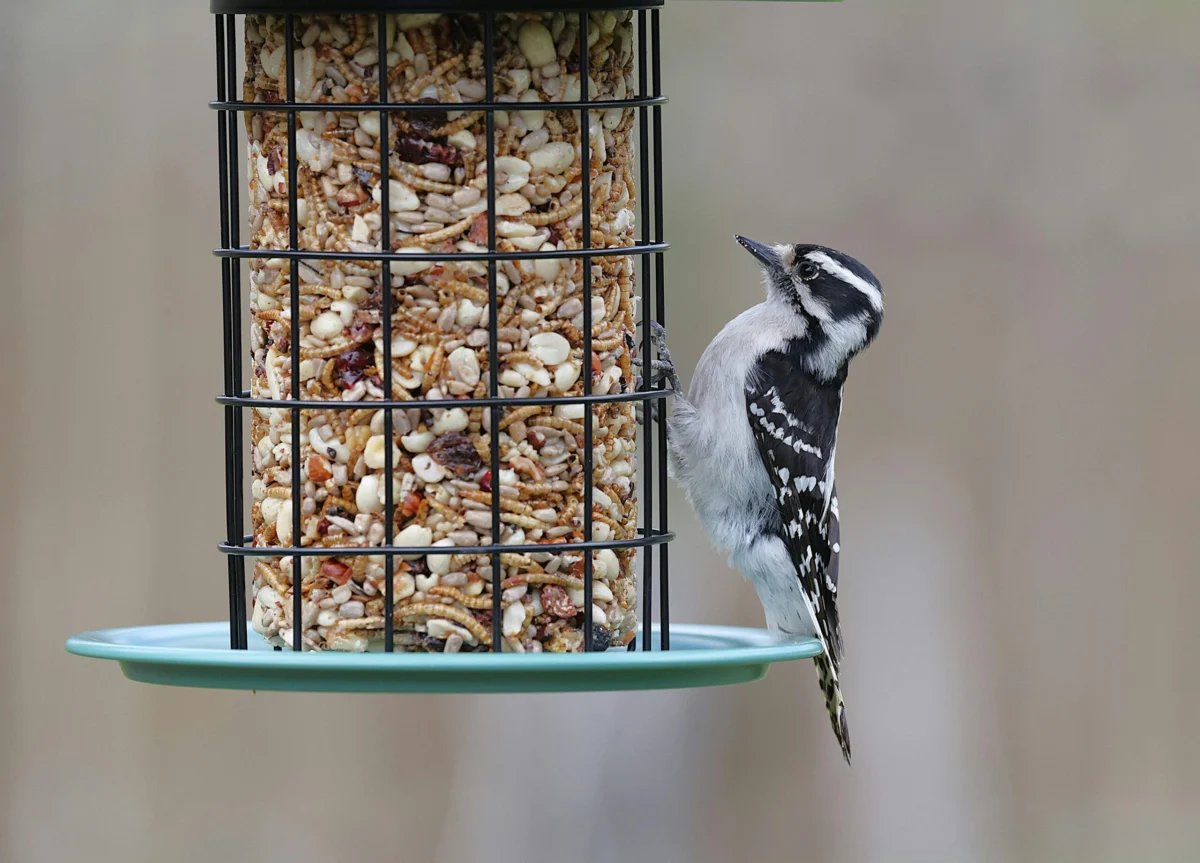
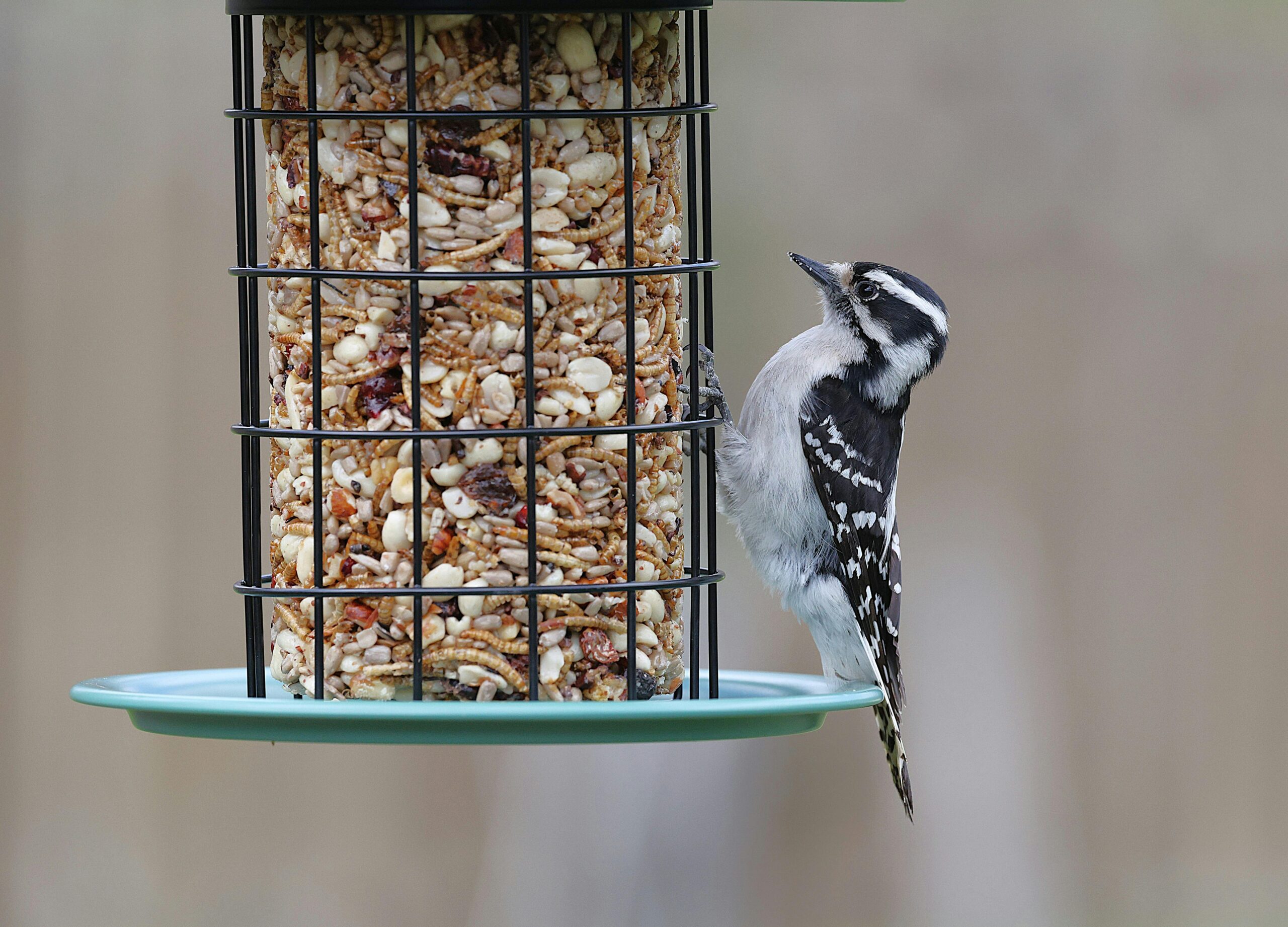
For those with limited garden space or feeders that are difficult to relocate, enclosing the feeder within a cage can be an effective solution. Wrapping a feeder in chicken wire, for instance, can create a physical barrier. The key is to ensure that the mesh size of the wire is small enough to exclude squirrels but large enough to permit smaller birds to access the food. This method also has the added benefit of deterring larger, more aggressive bird species like pigeons and starlings from dominating the feeder. Many commercially available feeders are now designed with built-in caging systems, often marketed as "squirrel-proof," which can be purchased locally or online.
Tilting and Spinning Feeders: Unbalancing the Invaders
Specially designed feeders that tilt or spin when a squirrel attempts to climb onto them offer an innovative approach to deterrence. These feeders are engineered to become unstable under the weight of a squirrel, causing them to lose their footing and making it exceptionally difficult to reach the food. The resulting acrobatics can be quite entertaining to observe, though the primary goal is to discourage the squirrels from continuing their attempts.
Spinners and Obstacles: Adding Complexity to the Climb
Another creative method involves hanging feeders from a thin, horizontal wire. By threading spinners onto this wire, the squirrels’ ability to climb down is significantly hindered. These spinners can be fashioned from various materials, including short pieces of pipe, old sewing thread spools, or even empty soda bottles. When a squirrel attempts to traverse the wire, the spinners rotate, unbalancing the animal and causing it to fall off before it can reach the feeder. This adds an element of unpredictable challenge to their foraging attempts.
Baffles: The Dome of Deterrence
Baffles are dome-shaped guards, typically made of smooth plastic or metal, that can be installed above or below a bird feeder to prevent squirrels from accessing the food. These can be purchased from pet supply stores or even constructed at home. For maximum effectiveness, a baffle should be at least 15 inches wide and sloped downwards at the sides to prevent squirrels from reaching around it. Many baffles are designed to spin or twirl when a squirrel lands on them, further unbalancing the animal and deterring it from continuing its assault on the feeder.
Maintaining a Clean Feeding Area
The ground beneath a bird feeder should be kept clean and free of debris. Spilled seeds and discarded husks can attract squirrels and provide them with an easy, alternative food source. Regularly clearing this area not only discourages squirrels but also promotes a healthier environment for ground-feeding birds, preventing the accumulation of old, potentially contaminated seeds.
Feeder Style and Material: Built for Resilience
If squirrels have proven to be particularly destructive, investing in a feeder specifically designed to be squirrel-proof may be a wise decision. These feeders often feature weight-activated doors or hatches that close when a heavier animal, such as a squirrel, lands on them, while remaining open for lighter birds. Additionally, feeders constructed from sturdy metal or featuring reinforced designs are more resistant to the gnawing and clawing efforts of squirrels, offering greater durability.
Seed Selection: A Matter of Taste
While squirrels are attracted to a wide variety of birdseed, their palates are not universally accommodating. Seeds like nyjer (thistle) and safflower seeds possess a bitter taste that squirrels generally find unappealing, whereas birds remain largely unaffected. Incorporating these seeds into your feeder mix can help ensure that birds enjoy their meal without the constant interruption of squirrelly competitors.
The Spicy Solution: A Flavorful Deterrent
Mammals, including squirrels, are sensitive to capsaicin, the compound responsible for the heat in chili peppers. Birds, however, are not affected by spicy foods. Sprinkling cayenne pepper or similar spices onto birdseed can effectively deter squirrels. It is important to note that this method may require reapplication, especially after rain, as the spice can wash off. Pre-treated chili seeds or suet are also available from some retailers. When handling cayenne pepper, it is advisable to wear gloves and avoid inhaling the dust to prevent irritation.
Humane Trapping and Relocation: A Last Resort
In cases of severe squirrel infestation where other methods have proven ineffective, contacting local wildlife authorities may be an option. They can provide guidance on humane trapping and relocation methods, ensuring compliance with local wildlife laws and regulations. It is crucial to understand and adhere to the specific rules governing wildlife management in your area.
Removing Shelter and Nesting Opportunities
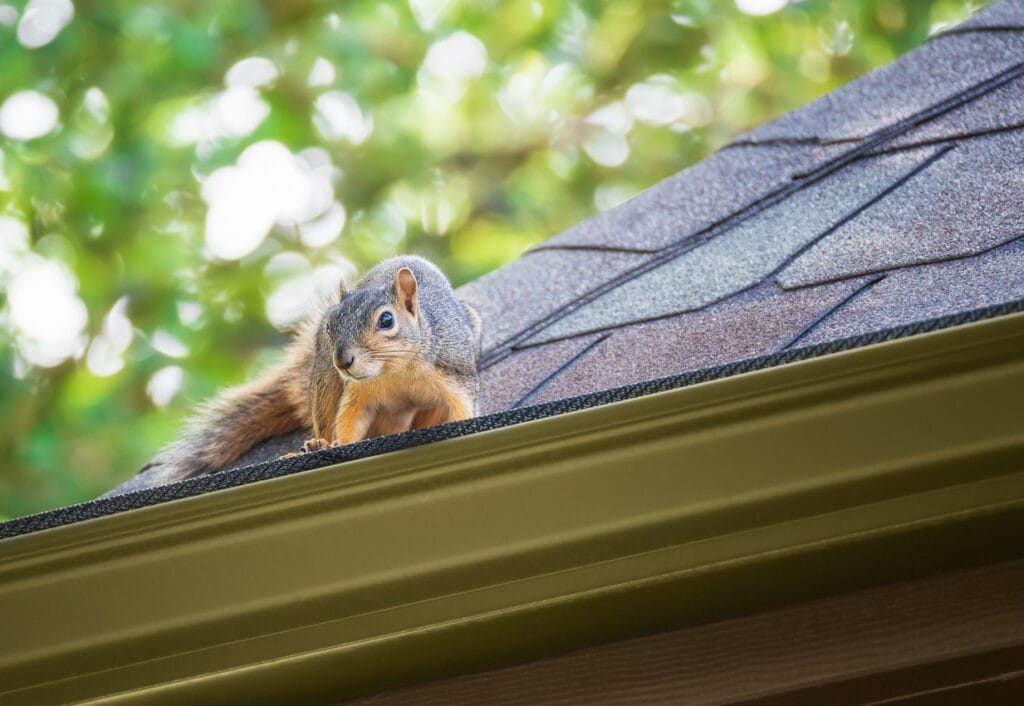
Squirrels are more likely to frequent areas where they can find ample shelter and nesting sites. By minimizing these opportunities around your home, you can encourage them to seek alternative locations. This involves securing potential nesting spots in sheds, attics, or under eaves, thereby reducing the overall attractiveness of your property as a habitat.
What Not to Do: Ethical Considerations
While the persistence of squirrels can be exasperating, it is crucial to approach the situation ethically and responsibly. There are several methods that should never be employed, as they pose risks not only to squirrels but also to other wildlife.
It is vital to remember that squirrels play an integral role in the ecosystem. They should never be subjected to hunting, poisoning, or any actions that could endanger their well-being. Poisoned bait, for instance, is indiscriminate and can harm not only squirrels but also birds, raptors, and other animals that might consume the bait or prey on poisoned individuals. This can lead to widespread ecological disruption and suffering.
Furthermore, releasing domestic cats into the yard to deter squirrels is not a viable or humane solution. Cats are natural predators and may indiscriminately hunt birds and other small animals, exacerbating the problem rather than solving it. Similarly, coating poles with oil or grease is ill-advised. Such substances can contaminate birds or other animals that come into contact with them, potentially causing illness or making them more vulnerable.
Conclusion: Finding Harmony in the Garden
If all attempts to deter squirrels from bird feeders prove unsuccessful, a temporary hiatus from feeding may be necessary. Removing feeders for a period of days or weeks can encourage squirrels to seek food elsewhere. However, it is likely they will return once the feeders are reinstated. Ultimately, achieving a completely squirrel-proof bird feeder can be a challenging, and sometimes impossible, endeavor.
An alternative approach that fosters coexistence is to establish a dedicated feeding station for squirrels. Offering them their own supply of nuts, corn, and berries can satisfy their needs and divert their attention from the bird feeders. This "squirrel take-out" option can ensure that birds can feed undisturbed.
Squirrels are an integral part of the natural world, possessing fascinating behaviors and contributing to the biodiversity of our gardens. They have an equal right to exist in our outdoor spaces as birds, insects, and other creatures. Observing squirrel activity can be as captivating as watching cardinals or finches. While numerous methods exist to deter squirrels from bird feeders, the occasional visit from these persistent foragers is often an inevitable part of sharing our environment with nature. Happy feeding and watching!
Frequently Asked Questions (FAQ)
Do Squirrels Kill Birds?
Squirrels are primarily vegetarian and do not typically hunt birds for sustenance. However, they may injure a bird if they feel threatened. In instances where bird eggs are accessible in a nest or if nestlings are left unattended, a squirrel may take advantage and consume them.
Do Birds Kill Squirrels?
Indeed, squirrels are a food source for many birds of prey, including hawks, falcons, owls, and eagles. Smaller birds that compete for food at backyard feeders are unlikely to pose a threat to adult squirrels.

