


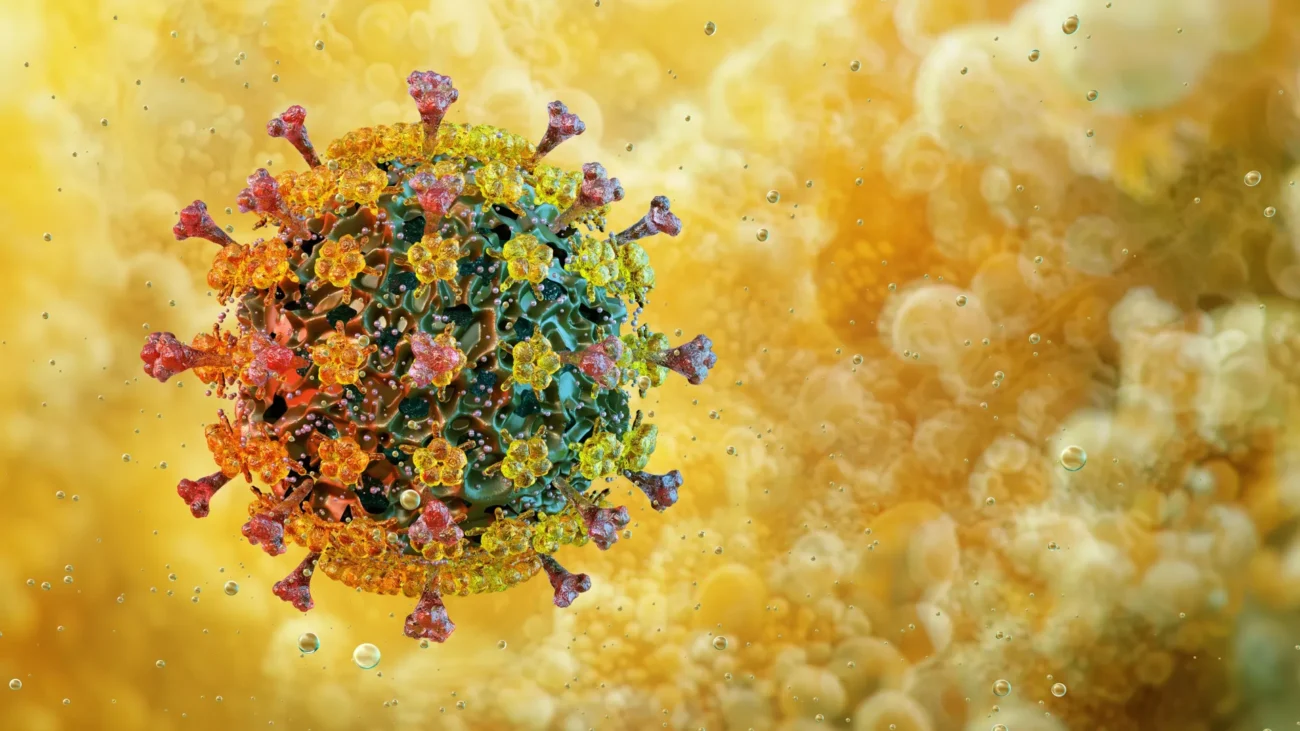
New research spearheaded by leading institutions in the United Kingdom has unveiled a critical vulnerability in humanity’s fight against avian influenza, commonly known as bird flu. The study, published in the prestigious journal Science on November 28th, reveals that these highly pathogenic viruses possess a remarkable ability to replicate even at temperatures that would typically incapacitate common human influenza strains, including those generated during a fever. This discovery significantly deepens our understanding of why bird flu poses such a persistent and grave threat to public health, with profound implications for pandemic preparedness and surveillance strategies.
For decades, scientists have recognized fever as a vital physiological weapon in the human body’s arsenal against viral invaders. By elevating core body temperature, often to levels reaching 41 degrees Celsius (105.8 degrees Fahrenheit), the immune system aims to create an inhospitable environment for viruses, slowing their replication and spread. However, the groundbreaking findings from the Universities of Cambridge and Glasgow indicate that a specific genetic characteristic of avian influenza viruses allows them to bypass this crucial defense mechanism.
The Genetic Key to Avian Flu’s Resilience
At the heart of this discovery lies the identification of a pivotal gene that dictates a virus’s thermal sensitivity. Researchers have pinpointed the PB1 gene, which plays an indispensable role in the process of viral genome replication within infected host cells. The study demonstrates that when this gene possesses an "avian-like" characteristic, it confers a remarkable tolerance to elevated temperatures, enabling the virus to continue multiplying even under conditions that would cripple its human counterparts.
This genetic plasticity is not merely a theoretical concern; it has historical precedent. The research team highlights that during the devastating global influenza pandemics of 1957 and 1968, a similar genetic exchange occurred. In these instances, the PB1 gene from avian flu viruses is believed to have been transferred into circulating human flu strains. This incorporation of the heat-resistant PB1 gene likely contributed significantly to the virulence and widespread impact of those pandemics, allowing the viruses to thrive in human populations despite the body’s natural fever response.
Understanding the Differential Behavior of Flu Viruses
Seasonal human influenza viruses, the kind that cause annual outbreaks and infect millions worldwide, primarily target the upper respiratory tract. Here, temperatures typically hover around a cooler 33 degrees Celsius (91.4 degrees Fahrenheit). This cooler environment is optimal for their replication. As these viruses attempt to spread to the warmer lower respiratory tract, closer to the body’s core temperature of approximately 37 degrees Celsius (98.6 degrees Fahrenheit), their replication efficiency diminishes. This inherent thermal sensitivity is a natural brake on their propagation within the human body.
Avian influenza viruses, on the other hand, exhibit a fundamentally different thermal profile. Their natural hosts, such as ducks and seagulls, often harbor these viruses in their lower respiratory tracts or even their gastrointestinal systems. These environments can naturally maintain temperatures ranging from 40 to 42 degrees Celsius (104 to 107.6 degrees Fahrenheit). Consequently, avian flu viruses have evolved to function optimally, and indeed thrive, at these elevated temperatures, making them inherently more resistant to the fevers that would otherwise inhibit human flu strains.
Experimental Evidence: Simulating Fever’s Impact
To rigorously test these hypotheses, the Cambridge and Glasgow research teams conducted sophisticated in vivo experiments using mice. These laboratory models allowed scientists to meticulously control environmental conditions and observe the direct impact of simulated fever on viral replication.
The researchers utilized a laboratory-adapted human-origin influenza strain, known as PR8, which is not pathogenic to humans, to serve as a baseline. They then artificially induced fever conditions in the mice by precisely increasing the ambient temperature of their enclosures, thereby elevating the animals’ body temperatures to mimic a human fever response.
The results were stark and illuminating. For the human-origin PR8 strain, elevating the mice’s body temperature to fever levels proved exceptionally effective in curtailing viral replication. In fact, a modest increase of just 2 degrees Celsius (3.6 degrees Fahrenheit) was sufficient to transform what would typically be a severe, potentially lethal, influenza infection into a mild one. This underscored the potent protective role of fever against common human flu viruses.
However, when avian influenza viruses were subjected to the same simulated fever conditions, the outcome was dramatically different. The elevated temperatures that effectively neutralized the human strain had little to no impact on the replication of the avian viruses. They continued to proliferate robustly, demonstrating their inherent resistance to the body’s primary defense mechanism.
The Pivotal Role of the PB1 Gene
The research team’s investigation delved deeper, aiming to pinpoint the specific genetic factor responsible for this disparity. Their experiments conclusively identified the PB1 gene as the key determinant of temperature resistance. Viruses engineered to possess an avian-like PB1 gene exhibited a pronounced ability to withstand fever-level temperatures, leading to severe illness in the infected mice. Conversely, viruses with a human-like PB1 gene were significantly hampered by the simulated fever.
This finding is particularly significant due to the known propensity of avian and human influenza viruses to exchange genetic material. This phenomenon, known as reassortment, commonly occurs when both types of viruses infect the same host, such as pigs, which can act as mixing vessels. The ease with which these viruses can swap genetic components, especially critical genes like PB1, presents a continuous and evolving threat.
Dr. Matt Turnbull, the study’s first author and a researcher at the Medical Research Council Centre for Virus Research at the University of Glasgow, emphasized this ongoing danger. "The ability of viruses to swap genes is a continued source of threat for emerging flu viruses," Dr. Turnbull stated. "We’ve seen it happen before during previous pandemics, such as in 1957 and 1968, where a human virus swapped its PB1 gene with that from an avian strain. This may help explain why these pandemics caused serious illness in people."
He further stressed the importance of proactive surveillance. "It’s crucial that we monitor bird flu strains to help us prepare for potential outbreaks. Testing potential spillover viruses for how resistant they are likely to be to fever may help us identify more virulent strains," he added.
The Persistent Global Threat of Bird Flu
Professor Sam Wilson, the senior author of the study from the Cambridge Institute of Therapeutic Immunology and Infectious Disease at the University of Cambridge, provided a broader perspective on the persistent threat posed by avian influenza. "Thankfully, humans don’t tend to get infected by bird flu viruses very frequently, but we still see dozens of human cases a year," Professor Wilson commented. "Bird flu fatality rates in humans have traditionally been worryingly high, such as in historic H5N1 infections that caused more than 40% mortality."
The high case fatality rate associated with certain bird flu strains, like the H5N1 subtype, underscores the urgent need for enhanced global preparedness. While direct human-to-human transmission of most avian influenza viruses remains limited, sporadic spillover events do occur, and the potential for adaptation and sustained human transmission remains a paramount concern.
"Understanding what makes bird flu viruses cause serious illness in humans is crucial for surveillance and pandemic preparedness efforts," Professor Wilson elaborated. "This is especially important because of the pandemic threat posed by avian H5N1 viruses."
Implications for Public Health and Future Research
The implications of this research extend beyond theoretical understanding, potentially influencing clinical practices and future therapeutic strategies. Historically, fever has often been suppressed with antipyretic medications like ibuprofen and aspirin, with the aim of alleviating discomfort and reducing the perceived severity of illness. However, some clinical observations and this new research suggest that indiscriminately lowering fever might not always be beneficial and could, in fact, inadvertently support the replication and spread of influenza viruses in humans, particularly those with enhanced thermal tolerance.
While the researchers acknowledge that further studies are necessary before any definitive changes to treatment guidelines can be made, their findings open avenues for re-evaluating the role of fever management in influenza infections. It suggests that a more nuanced approach, potentially tailored to the specific viral strain and the patient’s immune status, might be warranted.
The research was made possible through substantial funding from various national and international bodies, including the Medical Research Council, the Wellcome Trust, the Biotechnology and Biological Sciences Research Council, the European Research Council, the European Union Horizon 2020 program, the UK Department for Environment, Food & Rural Affairs, and the US Department of Agriculture. This collaborative effort highlights the global importance of addressing the threat of influenza pandemics.
A Timeline of Understanding Avian Flu and Fever
- Pre-20th Century: Early observations noted the debilitating effects of fevers, linking them to various illnesses. The concept of fever as a protective response began to emerge gradually.
- Early 20th Century: The influenza pandemics of 1918-1920 (Spanish Flu) highlighted the devastating potential of novel influenza strains, spurring research into virology and immunology.
- Mid-20th Century (1950s-1960s): The influenza pandemics of 1957 (Asian Flu) and 1968 (Hong Kong Flu) provided further evidence of the significant impact of influenza viruses, with subsequent research suggesting genetic reassortment as a key factor.
- Late 20th Century – Early 21st Century: Increased surveillance of avian influenza in wild bird populations identified various subtypes, including highly pathogenic strains like H5N1, raising concerns about zoonotic transmission and pandemic potential. Laboratory studies began to explore the temperature preferences of different influenza strains.
- 2000s – Present: The continued threat of avian influenza outbreaks in poultry and sporadic human cases, often with high mortality rates, intensified research efforts. Scientists focused on understanding the molecular mechanisms underlying viral virulence and host adaptation.
- November 2023: The publication of the Cambridge and Glasgow study in Science provides a significant breakthrough by identifying the PB1 gene as a critical determinant of avian flu’s resistance to fever, offering new insights into pandemic preparedness and surveillance.
Supporting Data and Broader Context
The global burden of influenza remains substantial. The World Health Organization (WHO) estimates that seasonal influenza causes an estimated 3 to 5 million cases of severe illness and 290,000 to 650,000 respiratory deaths annually worldwide. While seasonal flu is a significant public health challenge, the potential for a novel, highly pathogenic influenza virus, such as an avian strain adapted for human transmission, to cause a pandemic remains a persistent threat.
The case fatality rate of H5N1 avian influenza in humans, for instance, has historically been alarmingly high, exceeding 50% in reported cases. This stark statistic underscores the need for robust surveillance systems to detect and respond to potential spillover events before they can escalate into widespread human epidemics.
The ability of viruses to exchange genetic material is a well-documented phenomenon. Influenza viruses, with their segmented RNA genomes, are particularly adept at this. When different strains co-infect a single host cell, segments from each parent virus can be packaged into new progeny viruses, leading to novel combinations of genes. This process, known as antigenic shift, has been responsible for most major influenza pandemics. The identification of the PB1 gene’s role in thermal resistance adds another critical dimension to our understanding of how these genetic exchanges can contribute to a virus’s pandemic potential.
Official Responses and Future Directions
While specific official statements directly responding to this particular study may still be emerging, public health organizations like the WHO and national health agencies such as the Centers for Disease Control and Prevention (CDC) in the United States and Public Health England have long emphasized the importance of influenza surveillance. These organizations routinely monitor influenza activity globally, track the emergence of new strains, and provide guidance on pandemic preparedness.
This new research will undoubtedly inform and strengthen these ongoing efforts. It provides a concrete, mechanistic explanation for a key characteristic that could differentiate a low-threat avian influenza strain from a high-threat pandemic precursor. This knowledge can be integrated into existing surveillance protocols, potentially leading to more targeted screening and risk assessment of avian influenza viruses detected in animal or human populations.
The implications for future research are far-reaching. Scientists will likely focus on:
- Developing more precise diagnostic tools to quickly assess the thermal resistance profile of novel influenza strains.
- Investigating other genes or genetic combinations that might contribute to avian flu’s virulence and transmissibility in humans.
- Exploring novel therapeutic strategies that could specifically target avian influenza viruses, perhaps by interfering with their ability to replicate at elevated temperatures or by bolstering the host’s immune response to these more resilient pathogens.
- Further refining epidemiological models to better predict the pandemic potential of emerging avian influenza strains based on their genetic makeup.
In conclusion, the recent findings from Cambridge and Glasgow represent a significant leap forward in our comprehension of avian influenza’s formidable threat. By illuminating the genetic basis of bird flu’s resilience to fever, this research not only deepens our scientific knowledge but also provides crucial, actionable intelligence for public health officials worldwide, bolstering our collective defenses against the ever-present specter of influenza pandemics.

