


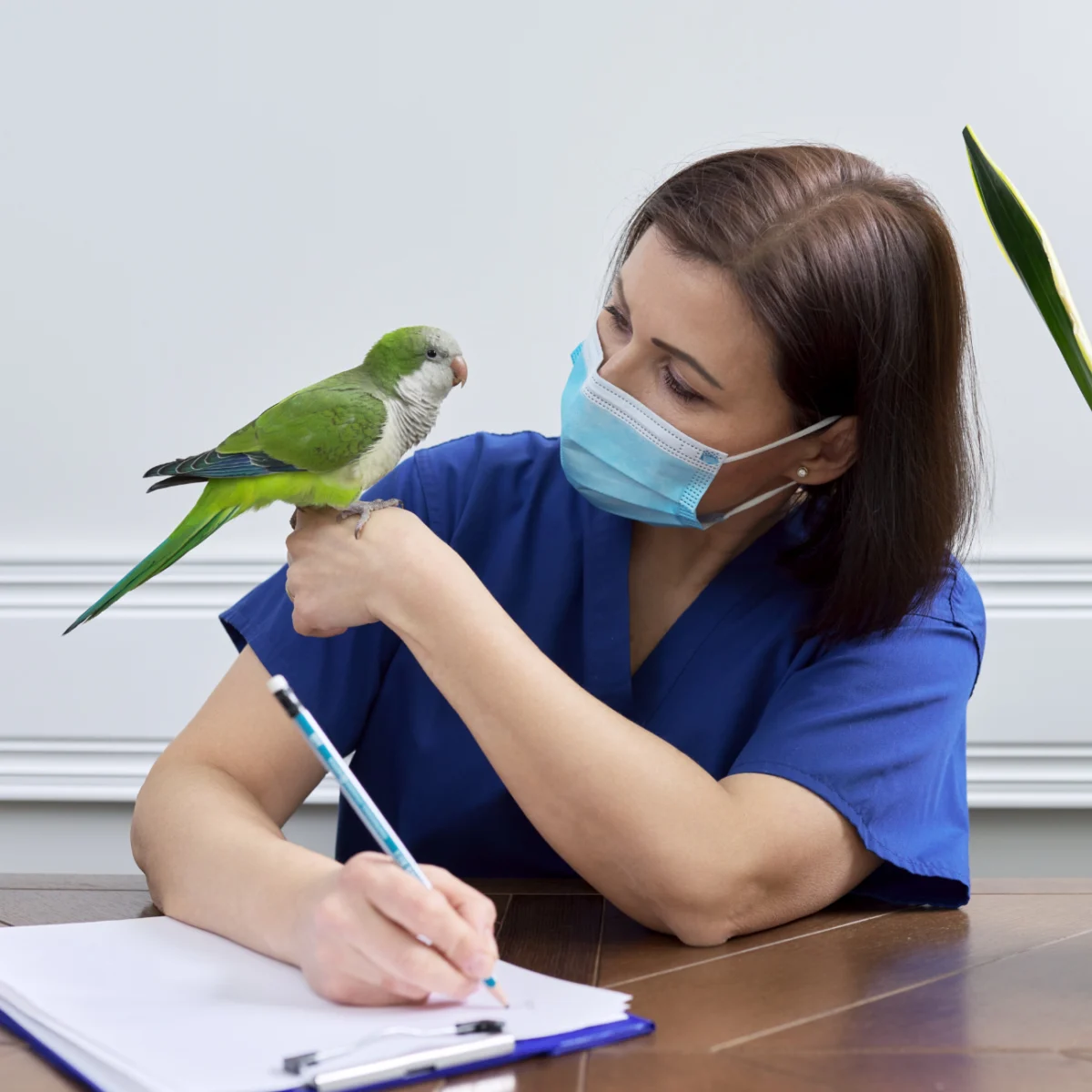
The presence of an unpleasant odor emanating from a pet bird, a phenomenon often met with owner surprise, serves as a critical indicator of underlying issues that demand immediate attention. While healthy avian companions typically exhibit a faint, natural musky scent, a pronounced or unusual smell signals a deviation from optimal health or environmental conditions. This article delves into the multifaceted causes of avian odor, from dietary imbalances and hygiene deficiencies to more serious health concerns, and outlines comprehensive, bird-friendly strategies, including the beneficial application of Aloe Vera Spray, to ensure a fresh and thriving environment for feathered friends.
The Olfactory Clue: Distinguishing Normal from Concerning Avian Scents
For many bird owners, the idea of a pet bird emitting an odor beyond a subtle, earthy fragrance is perplexing. Yet, avian veterinarians and seasoned enthusiasts understand that a noticeable, foul smell is rarely normal. Healthy birds, particularly parrots, often possess a mild, almost "sunshine on feathers" aroma that many find pleasant. This natural scent is a byproduct of their metabolism, preening glands (like the uropygial or preen gland), and interaction with a clean environment.
However, a sudden shift to an acrid, sour, fishy, musty, or overtly foul smell is a significant red flag. Birds are inherently fastidious creatures; in their natural habitats, they spend considerable time preening, bathing in rain or dew, and maintaining impeccable feather condition. This innate drive for cleanliness underscores that a stinky bird is a bird experiencing a problem, whether it be environmental, dietary, or an underlying health condition. Trusting one’s olfactory senses can, therefore, be the first critical step in identifying and addressing a potentially serious issue.
Environmental Contributions: The Cage as a Microcosm of Health
The immediate environment of a pet bird—its cage—plays an undeniable role in its overall hygiene and, consequently, its scent profile. Birds, by nature, are messy occupants. They scatter food, splash water, and excrete waste throughout their living space. This constant deposition of organic matter creates a complex microbial ecosystem that, if not diligently managed, can rapidly become a breeding ground for bacteria, fungi, and mold, especially in warm, humid conditions.
The Dirty Cage Dilemma:
A cage laden with old droppings, uneaten fresh foods, damp bedding, and stagnant water bowls presents a significant risk. These conditions foster the proliferation of pathogenic microorganisms, including species like Pseudomonas aeruginosa, Escherichia coli, and various fungal spores. Aspergillus fumigatus, a common environmental mold, is particularly concerning as it can lead to aspergillosis, a severe and often fatal respiratory disease in birds. This fungal infection, characterized by a persistent musty odor, can also pose a zoonotic risk to humans with compromised immune systems. Studies in avian medicine consistently highlight poor cage hygiene as a leading contributor to preventable avian illnesses. The financial implications of treating such conditions, often requiring extensive veterinary intervention, far outweigh the costs and effort of maintaining a rigorous cleaning schedule.
Inadequate Bathing Regimens:
Beyond the cage environment, a bird’s personal hygiene is paramount. Bathing is not merely an aesthetic luxury for birds; it is a vital component of feather health, skin moisturization, and the removal of accumulated dirt, dander, and excess oils. The uropygial gland produces an oily secretion that birds spread over their feathers during preening, conditioning them and providing waterproofing. Without regular bathing, this natural oil, combined with environmental dust and food particles, can build up, leading to a greasy, matted, and distinctly musty or sour odor.
Many captive birds, particularly those new to a home or those not exposed to natural bathing opportunities, may be reluctant to bathe. This reluctance does not negate the physiological need. Avian experts emphasize that providing consistent and varied bathing options is crucial. Without this vital aspect of self-care, the bird’s natural defenses against skin and feather infections are weakened, and the likelihood of developing an unpleasant odor significantly increases.
Dietary Foundations: What Goes In, Comes Out (and Smells)
The adage "you are what you eat" holds profound truth for birds, directly influencing their internal health and external scent. A bird’s diet is a primary determinant of its gut health, metabolic function, and the composition of its waste products.
The Perils of Poor Nutrition:
Diets consisting primarily of seeds, high-fat human foods, or sugary treats are notorious for their nutritional deficiencies and potential to disrupt a bird’s delicate digestive balance. Seed-only diets, common in many pet bird households, are often deficient in essential vitamins (like Vitamin A), minerals, and amino acids, while being excessively high in fat. This imbalance can lead to liver disease, obesity, and a compromised immune system.
Furthermore, an imbalanced diet can foster gut dysbiosis—an imbalance in the beneficial bacteria within the digestive tract. When the gut microbiome is disrupted, pathogenic bacteria or yeast can proliferate, leading to inefficient digestion, fermentation of food in the crop or intestines, and the production of malodorous gases and droppings. Owners often report a "sour" or "fermented" smell emanating from the bird’s breath or vent area, directly attributable to these internal imbalances. Avian nutritionists universally advocate for a high-quality, pelleted diet as the cornerstone of avian nutrition, supplemented with a diverse array of fresh vegetables and a limited amount of fruits and healthy proteins. This comprehensive approach ensures optimal nutrient absorption and promotes a healthy gut, significantly reducing the likelihood of diet-related odors.
Contaminated Food and Water:
Beyond the nutritional quality, the freshness and cleanliness of food and water sources are critical. Leftover fresh foods, particularly fruits and vegetables, can quickly spoil and become contaminated with bacteria and mold within hours, especially in warm climates. When ingested, these contaminants can lead to gastrointestinal upset, bacterial overgrowth, and the emission of foul odors. Similarly, stagnant or unclean drinking water bowls are fertile grounds for bacterial and algal growth. Changing water daily and thoroughly scrubbing food and water dishes with bird-safe soap and water is a fundamental yet often overlooked practice that profoundly impacts a bird’s health and its overall scent.
Health-Related Concerns: When Odor Signals Deeper Problems
When environmental and dietary factors have been optimized, and an unpleasant odor persists, it is imperative to consider underlying health conditions. Birds are remarkably adept at concealing illness, a survival mechanism in the wild. However, certain odors can be distinct indicators of serious internal or external pathologies, warranting immediate veterinary attention.
Skin and Feather Follicle Infections:
While the keratin of feathers itself does not typically smell, infections or inflammation of the skin and feather follicles can produce strong, unpleasant odors. Bacterial skin infections (dermatitis), yeast infections (e.g., Candida), or parasitic infestations can lead to irritated, inflamed skin, crusting, feather loss, and the production of discharge that carries a distinct foul smell. Yeast infections, in particular, often manifest with a sweet, yeasty, or sour aroma, frequently affecting the crop, vent, or skin folds.
Systemic Illnesses:
More alarmingly, persistent foul odors can be symptomatic of systemic diseases affecting internal organs. Liver disease, for instance, can impair the body’s ability to metabolize toxins, leading to a buildup of waste products that can manifest as a distinct body odor or unusually strong-smelling droppings. Metabolic imbalances, kidney dysfunction, or severe gastrointestinal diseases (such as proventricular dilatation disease or bacterial enteritis) can also alter a bird’s internal chemistry, resulting in a noticeable and often unusual scent. For example, a "fishy" odor might indicate certain bacterial infections, while a "rotten" smell could point to necrotic tissue or severe infection.
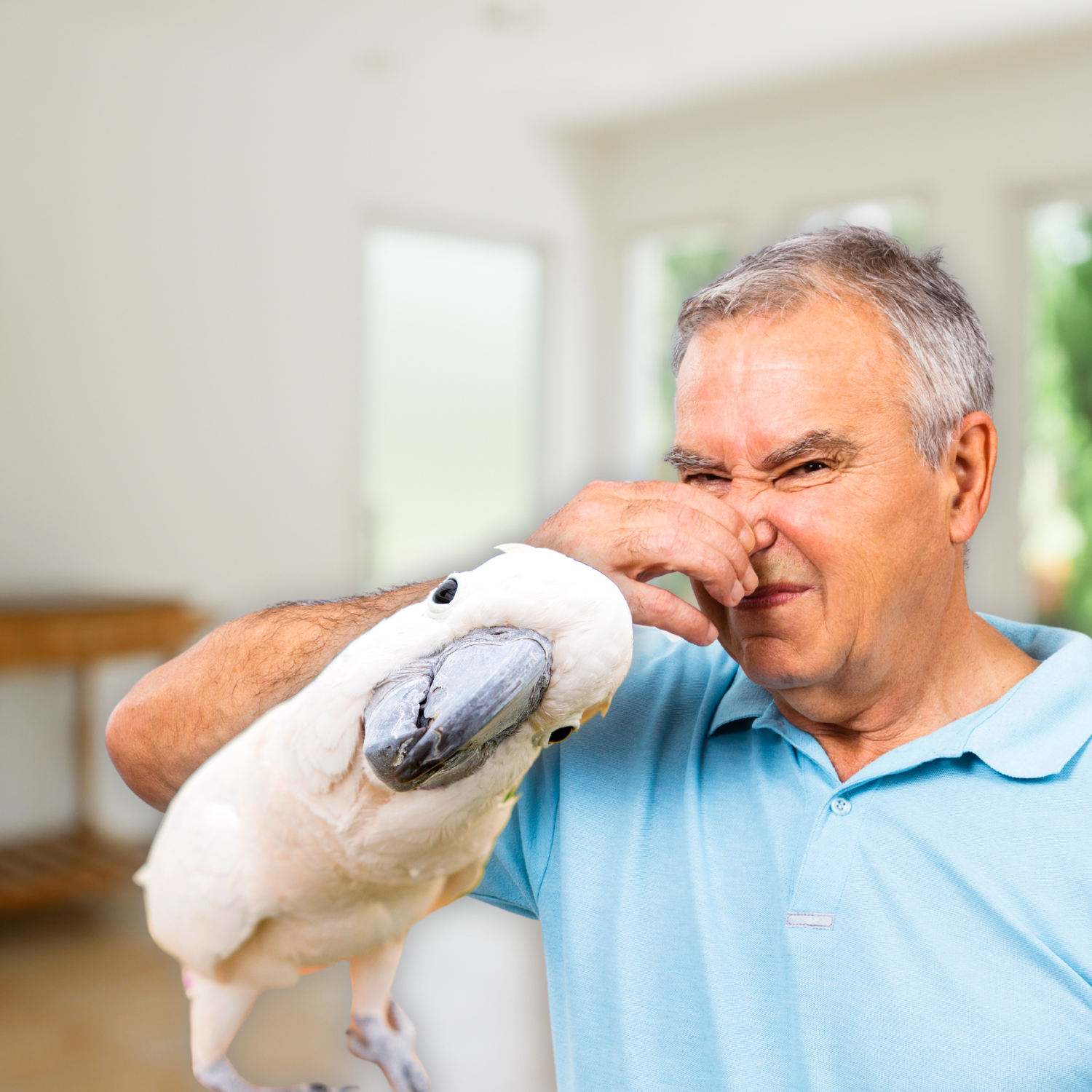
Timeline for Action:
The diagnostic timeline for bird owners should be proactive. If an unusual odor is detected, the immediate steps involve a thorough cage cleaning and assessment of the diet. If the odor persists after these interventions, or if it is accompanied by other clinical signs such as lethargy, fluffed-up feathers, changes in appetite or droppings, difficulty breathing, or behavioral alterations, contact with an avian veterinarian is urgent. Early diagnosis and treatment of underlying health conditions are critical for a positive prognosis. Avian veterinarians consistently emphasize that odors, while often overlooked, can be among the earliest and most reliable indicators of illness in birds.
Proactive Measures: Cultivating a Fresh Avian Environment
Establishing a robust routine of hygiene and nutrition is the cornerstone of preventing unpleasant odors and promoting overall avian well-being.
Comprehensive Cleaning Protocols:
A structured cleaning regimen is essential:
- Daily: Spot clean the cage, remove all droppings and discarded food. Thoroughly wash and dry food and water bowls with bird-safe soap and hot water. Replace cage liners.
- Weekly: Perform a more extensive cleaning. Remove all perches, toys, and cage accessories. Scrub the entire cage and all removable parts with a bird-safe disinfectant (e.g., a dilute bleach solution followed by thorough rinsing, or commercial avian disinfectants like F10SC Veterinary Disinfectant). Ensure everything is completely dry before reassembling.
- Monthly: Conduct a deep clean. This may involve disassembling the cage entirely if possible, steam cleaning where appropriate, and replacing worn-out perches or toys. Pay special attention to crevices and corners where mold and bacteria can accumulate.
Encouraging Bathing:
Regular bathing is vital for feather and skin health. Owners can explore various methods to find what their bird prefers:
- Fine-mist Spray Bottle: Use lukewarm, clean water. Mist gently from above, mimicking rain.
- Shallow Bath Bowl: Place a shallow dish of lukewarm water in the cage or a safe bathing area.
- Shower Perch: Many birds enjoy showering with their owners on a bird-safe perch.
- Aloe Vera Bird Spray: As a supplemental mist, it offers additional skin and feather benefits.
Positive reinforcement and gentle encouragement can help reluctant bathers. Never force a bird into water, as this can create fear and aversion.
Optimizing Avian Nutrition:
A balanced diet is key to internal health and external freshness.
- Pellet-Based Diet: Gradually transition birds from seed-heavy diets to high-quality, species-appropriate pellets, which provide comprehensive nutrition.
- Fresh Produce: Supplement pellets with a daily variety of fresh, thoroughly washed vegetables (e.g., dark leafy greens, carrots, bell peppers) and a smaller portion of fruits.
- Clean Water: Always provide fresh, filtered water in a clean bowl.
- Probiotics: In consultation with an avian vet, bird-specific probiotics can sometimes aid in balancing gut flora, particularly after antibiotic treatment or during dietary transitions, which can indirectly help with digestive-related odors.
The Aloe Vera Advantage: A Natural Aid for Feathered Freshness
Among the various tools available to bird owners, a high-quality, bird-safe Aloe Vera Spray has emerged as a particularly beneficial adjunct for maintaining avian hygiene and comfort. This natural plant extract is renowned for its therapeutic properties, making it an excellent choice for routine feather and skin care.
Scientific Basis of Aloe Vera:
Aloe vera contains a rich array of active compounds, including vitamins, enzymes, minerals, sugars, lignin, saponins, salicylic acids, and amino acids. These components confer anti-inflammatory, antimicrobial, antioxidant, and moisturizing effects. For birds, these properties translate into tangible benefits for their delicate skin and intricate feather structure.
Specific Benefits for Birds:
- Skin Soothing: Aloe vera can calm irritated or dry skin, reducing itchiness and discomfort that might lead to excessive scratching or feather destructive behaviors.
- Feather Conditioning: It helps to moisturize feathers, making them softer, shinier, and less prone to breakage. This can also aid in the removal of dander and loose debris.
- Gentle Odor Neutralization: By supporting healthy skin and feathers and gently cleansing, it can contribute to a fresher scent.
- Antimicrobial Properties: Its natural antibacterial and antifungal qualities can help inhibit the growth of odor-causing microbes on the skin surface.
- Safe for Ingestion: High-quality, bird-specific aloe vera sprays are formulated to be safe if a bird ingests small amounts during preening, a crucial consideration for any topical avian product.
- Softens Buildup: It can help to soften dried droppings or food residue on feathers, making them easier for the bird to preen away.
Safe Application Guidelines:
When using Aloe Vera Spray:
- Choose Bird-Safe Products: Ensure the product is specifically formulated for birds and free from alcohol, perfumes, or harmful chemicals.
- Fine Mist Application: Use a fine-mist spray bottle to avoid startling the bird.
- Avoid Eyes: Direct the spray primarily towards the body and wings, avoiding the bird’s eyes and nares.
- Patch Test: For sensitive birds, a small patch test on a less visible area of feathers is advisable.
- Frequency: Use as directed, typically a few times a week or as needed, as a supplement to regular bathing.
Leading avian dermatologists and holistic veterinarians often endorse the use of pure, bird-safe aloe vera as a supportive treatment for various skin conditions and as part of a regular grooming routine, highlighting its efficacy and safety profile.
Broader Implications and Owner Responsibility
Addressing avian odor extends beyond merely improving the immediate environment; it reflects a deeper commitment to bird welfare and responsible pet ownership.
Bird Welfare: A bird free from persistent odors is likely a bird that is comfortable, healthy, and thriving. Chronic discomfort from skin irritation, poor hygiene, or internal illness significantly impacts a bird’s quality of life, leading to stress, lethargy, and potentially feather destructive behaviors. Proactive care ensures a happier, more engaged companion.
Human Health: The implications of poor avian hygiene are not limited to the bird. Zoonotic diseases, transmissible from animals to humans, are a legitimate concern. Pathogens like Chlamydophila psittaci (causing psittacosis) or Aspergillus species, often thriving in unsanitary bird environments, can pose risks to human household members, particularly children, the elderly, or immunocompromised individuals. Maintaining a clean avian environment is, therefore, a public health measure.
The Commitment of Avian Ownership: Owning a bird is a significant commitment that requires ongoing education, vigilance, and proactive care. Understanding the subtle cues a bird provides, such as a change in scent, is a testament to an owner’s dedication to their pet’s well-being. The economic considerations are also clear: investing in proper husbandry, quality nutrition, and routine hygiene products is far more cost-effective than managing severe, preventable health conditions that arise from neglect.
Conclusion: A Commitment to Avian Well-being
The query, "Do birds smell bad?" often serves as a gateway to understanding the intricate needs of our feathered companions. While a healthy bird emits a pleasant, natural scent, any deviation signifies a call for attention—be it a need for improved environmental hygiene, a dietary overhaul, or a deeper medical investigation. By diligently adhering to comprehensive cleaning protocols, promoting regular bathing, ensuring optimal nutrition, and utilizing supportive natural products like bird-safe Aloe Vera Spray, owners can effectively mitigate unwanted odors. More importantly, these actions reinforce a holistic approach to avian care, safeguarding the bird’s health, comfort, and overall quality of life. The commitment to a fresh-smelling bird is ultimately a commitment to a healthy, happy, and thriving avian family member.

