


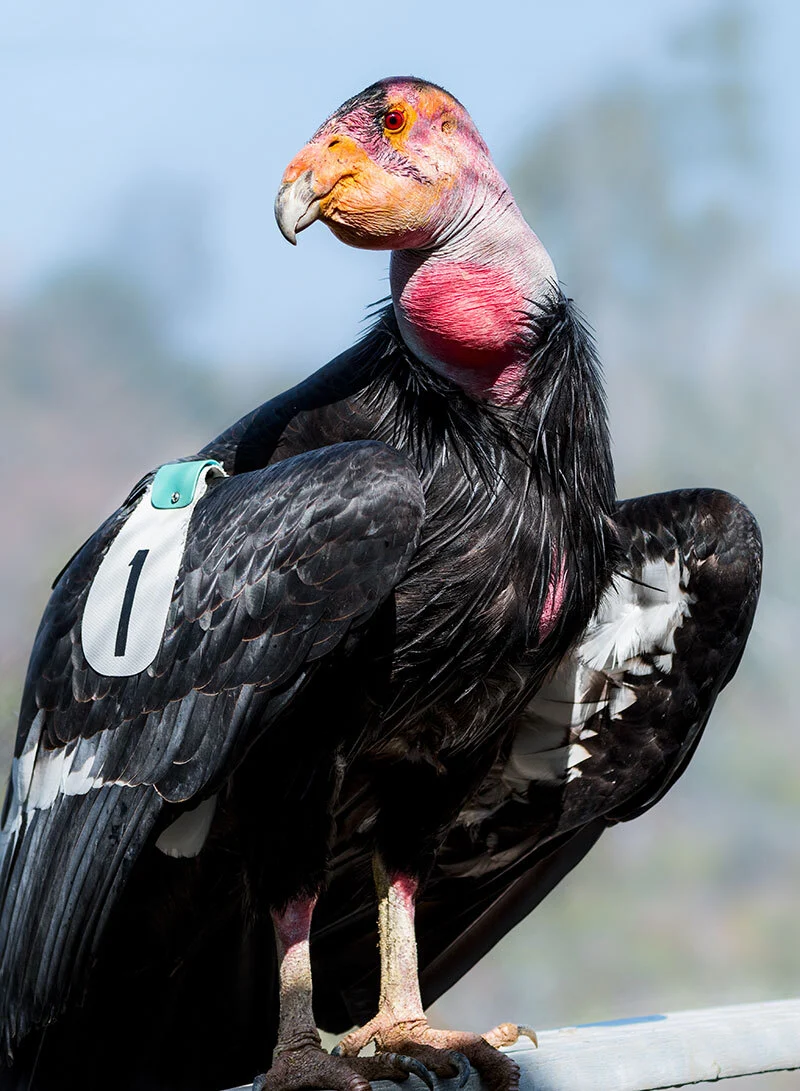
In a profound testament to the enduring power of conservation and the quiet heroism found within wildlife preservation, the Los Angeles Zoo is commemorating a significant milestone: 60 years of Topa Topa, a venerable California condor whose life story is inextricably woven into the fabric of one of the world’s most ambitious and successful species recovery programs. Topa Topa, rescued as a fledgling six decades ago, has transcended his initial frail beginnings to become a cornerstone of the effort to save his magnificent species from the precipice of extinction, embodying hope for a kinder, more biodiverse future.
Topa Topa’s journey began approximately 60 years ago when he was discovered in the wild as a one-year-old fledgling. The young condor was in a severely weakened and malnourished state, weighing a mere 17 pounds—a dangerously low weight for a bird that can grow to have a wingspan of nearly 10 feet. Following his rescue, he underwent a rigorous ten-day rehabilitation period, during which dedicated wildlife experts nursed him back to a healthier condition. The initial hope was to return him to his natural habitat, allowing him to thrive among his kin. However, subsequent monitoring after his release revealed a critical challenge: Topa Topa exhibited weak foraging skills, a vital trait typically taught to young condors by their parents and other adult birds. With a dwindling wild population, suitable adult mentors were scarce. This inadequacy in his survival skills led to the difficult but necessary decision to recover the young condor from the wild. He was subsequently placed permanently at the Los Angeles Zoo, a pivotal moment that marked the very first time a California condor had ever resided under the protective care of a zoological institution anywhere in the world.
A Species on the Brink: The Condor Crisis
Topa Topa’s arrival at the Los Angeles Zoo occurred during a period of alarming decline for the California condor, North America’s largest land bird. The species, known for its majestic presence and vital role as a scavenger in its ecosystem, had been facing increasing pressures throughout the 20th century. Habitat loss, poisoning from lead ammunition (ingested from carrion), DDT pesticide contamination causing eggshell thinning, and direct shooting had systematically decimated their numbers. By the early 1980s, the situation had become dire. The California condor was officially listed as critically endangered, and by 1982, the wild population had plummeted to a shocking low of just 22 individuals. This alarming statistic underscored the urgent need for drastic intervention if the species was to survive.
The scientific and conservation communities were faced with an agonizing decision: whether to capture the remaining wild birds for a last-ditch captive breeding program or to allow them to face uncertain odds in an increasingly hostile environment. After intense debate and careful consideration of the species’ slow reproductive rate (typically one chick every two years) and high mortality risks in the wild, the consensus was reached. In 1987, the remaining 27 wild California condors were brought into protective custody. This controversial, yet ultimately visionary, move signaled the launch of the ambitious California Condor Recovery Program, a collaborative effort spearheaded by the U.S. Fish and Wildlife Service (USFWS), the California Department of Fish and Wildlife (CDFW), the National Audubon Society, and institutions like the Los Angeles Zoo and the San Diego Zoo Safari Park. These facilities became the critical breeding grounds for a species teetering on the brink.
Forging the Path to Recovery: The Breeding Program’s Genesis
The captive breeding program faced immense challenges from its inception. Condors are notoriously difficult to breed in captivity, requiring highly specialized care, specific diets, and environmental conditions that mimic their natural habitat. Scientists and zookeepers had to rapidly develop husbandry techniques, including innovative methods like "puppet rearing" where chicks were fed by hand using condor puppets to minimize human imprinting, and "double-clutching," a technique that involved removing the first egg laid to encourage the female to lay a second, thereby maximizing reproductive output.
Topa Topa, having been the first condor to ever reside in a zoo, became an invaluable subject for understanding condor biology and behavior in a controlled environment. While he initially represented a challenge due to his underdeveloped foraging skills, his longevity and eventual integration into the breeding program proved to be one of its greatest assets. It took years of dedicated effort by the zoo staff to prepare him for the complex role he would ultimately play, ensuring he could contribute to the program’s goal of producing chicks that could be prepared for future release into the wild.
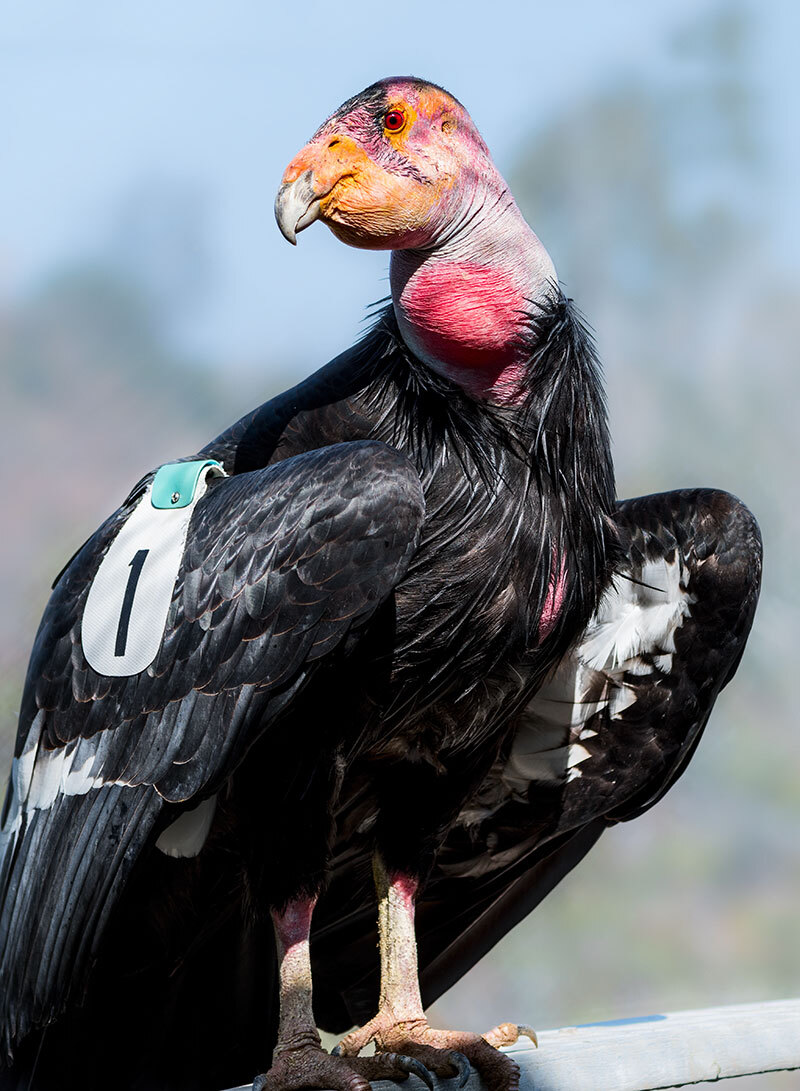
Topa Topa’s Enduring Genetic and Educational Impact
Topa Topa’s contribution to the California Condor Recovery Program has been nothing short of monumental. Beyond his role as a pioneer in captive care, he became a central figure in the breeding efforts. In 1993, he successfully helped raise his first two chicks, a significant achievement that validated the zoo’s investment in his care and their understanding of condor social dynamics. Over the decades, Topa Topa’s genetic lineage has become deeply embedded in the condor population. He is credited with contributing to the birth of more than 300 birds within the recovery program, directly and indirectly. Currently, approximately 100 of his direct descendants are part of the ongoing captive breeding efforts, while a remarkable 94 of his offspring and their progeny are flying free in the wild, soaring over the landscapes of California, Arizona, Baja California, and Utah.
As an educational ambassador, Topa Topa has been unparalleled. For much of his 60 years at the Los Angeles Zoo, he has provided a tangible, living link for millions of visitors to understand the plight and the inherent beauty of the California condor. His presence has helped to demystify conservation efforts, putting a majestic face to the urgent need for species protection. He embodies the critical connection between individual animal welfare and broader ecosystem health, inspiring generations of conservationists and public supporters. His long life has offered invaluable insights into condor longevity and health, contributing significantly to veterinary knowledge specific to the species.
Milestones and Setbacks: A Chronology of Recovery
The path to recovery for the California condor has been long and arduous, marked by both inspiring successes and persistent challenges.
- Early 20th Century: Condor populations begin a steep decline due to human activities.
- 1964 (Approx.): Topa Topa is rescued and becomes the first California condor in zoo care.
- 1982: Wild condor population reaches a critically low point of 22 individuals.
- 1987: All remaining 27 wild condors are captured to initiate the captive breeding program at the Los Angeles Zoo and San Diego Zoo Safari Park.
- 1988: First chick hatches in captivity.
- 1992: The first captive-bred condors are released back into the wild in Southern California, signaling a hopeful turning point.
- 1993: Topa Topa successfully helps raise his first two chicks, demonstrating the viability of integrating older, rescued birds into the breeding framework.
- Late 1990s – Early 2000s: Release sites expand to include Baja California, Arizona, and later Utah, establishing new wild populations.
- 2003: First condor chick hatches in the wild from two captive-bred parents, a major milestone.
- Present Day: The total population has rebounded to an estimated 607 individuals, a dramatic increase from the 27 birds in 1987. Approximately half of these birds are now flying free in the wild across various release sites.
Despite this extraordinary rise in numbers, the California condor remains listed by the International Union for Conservation of Nature (IUCN) as Critically Endangered. This designation underscores that while significant progress has been made, the species is still highly vulnerable and dependent on ongoing human intervention for its survival.
Persistent Threats and Future Outlook
The California Condor Recovery Program, while a shining example of conservation success, continues to grapple with significant threats to the species’ long-term viability. The most pervasive and devastating threat remains lead poisoning from spent ammunition fragments ingested by condors feeding on carcasses. Lead causes severe neurological damage, leading to debilitation and death. Efforts to mitigate this include promoting lead-free ammunition in condor habitats, providing free lead-free alternatives to hunters, and conducting regular health checks and lead treatment for wild birds.
Another emerging threat is microtrash ingestion, where condors, particularly chicks, consume small, indigestible items found in their environment, often leading to impaction and starvation. This issue highlights the broader problem of environmental pollution and its impact on scavenger species. Habitat degradation and climate change also pose ongoing challenges, requiring continuous monitoring and adaptive management strategies.
The future of the California condor hinges on sustained conservation efforts. This includes continued captive breeding to maintain genetic diversity, active management of wild populations through tagging and health monitoring, robust public education campaigns, and collaborative policy initiatives to address threats like lead poisoning. The goal is not just to increase numbers but to establish self-sustaining wild populations that can thrive without intensive human intervention, a goal that may still be decades away.
Voices from the Frontline: Officials and Experts React
Leaders in the conservation community have universally lauded Topa Topa’s enduring impact. "Topa Topa represents the very heart of what we strive to achieve in conservation," stated Denise Verret, CEO and Director of the Los Angeles Zoo. "His 60 years with us symbolize dedication, resilience, and the power of collaborative effort. He is not just an animal; he is a living legend who has directly influenced the survival of his entire species."
Dr. Mike Wallace, a leading conservation biologist involved with the Condor Recovery Program since its early days, remarked, "The decision to bring all condors into captivity was incredibly difficult, but looking at Topa Topa today, and the hundreds of birds flying free, it’s clear it was the right choice. He provided invaluable lessons early on and his genetic legacy is a vital thread in the condor’s continued existence." Representatives from the U.S. Fish and Wildlife Service have also consistently acknowledged the critical role of institutions like the L.A. Zoo and individual animals like Topa Topa in the program’s successes, emphasizing the ongoing partnership required to safeguard endangered species.
A Model for Global Conservation
Topa Topa’s story, intertwined with the California Condor Recovery Program, stands as a powerful exemplar for global wildlife conservation. It demonstrates that even species on the very edge of extinction can be brought back through a combination of scientific innovation, dedicated human effort, cross-organizational collaboration, and long-term commitment. The condor program has provided a blueprint for other endangered species recovery efforts worldwide, proving the efficacy of captive breeding and reintroduction as a last resort. It underscores the importance of public awareness and political will in supporting such monumental undertakings.
It is indeed remarkable to reflect that a weakened, 17-pound fledgling, once deemed unlikely to survive in the wild, would grow into such a pivotal force for his kind. Topa Topa’s 60 years at the Los Angeles Zoo are not just a celebration of an individual bird’s longevity, but a celebration of hope, resilience, and the profound impact that dedicated conservation can have. His legacy continues to inspire and serves as a powerful reminder of humanity’s capacity to mend the natural world.

