


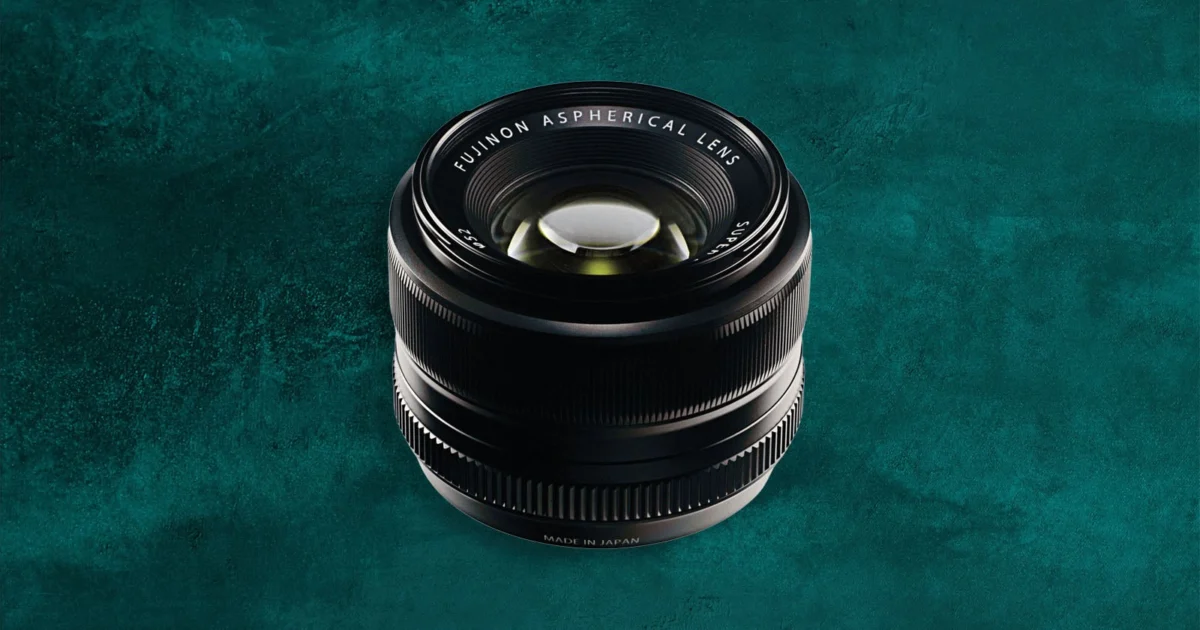
The Japanese photography market, often considered a bellwether for global imaging trends, has produced a surprising set of data regarding the most popular prime lenses currently in circulation. Minna Camera, one of Japan’s most prominent and respected marketplaces for new and used photographic equipment, recently released its comprehensive tally of the 30 most-sold prime lenses. The data, which tracks transaction volume across their extensive retail network, reveals a market that is simultaneously clinging to "character-rich" legacy glass while decisively moving toward a mirrorless future. To the surprise of industry analysts and the marketplace’s own editorial staff, the top spot was secured not by a modern, high-speed flagship, but by a lens that helped launch the Fujifilm X-series over a decade ago: the Fujinon XF 35mm f/1.4 R.
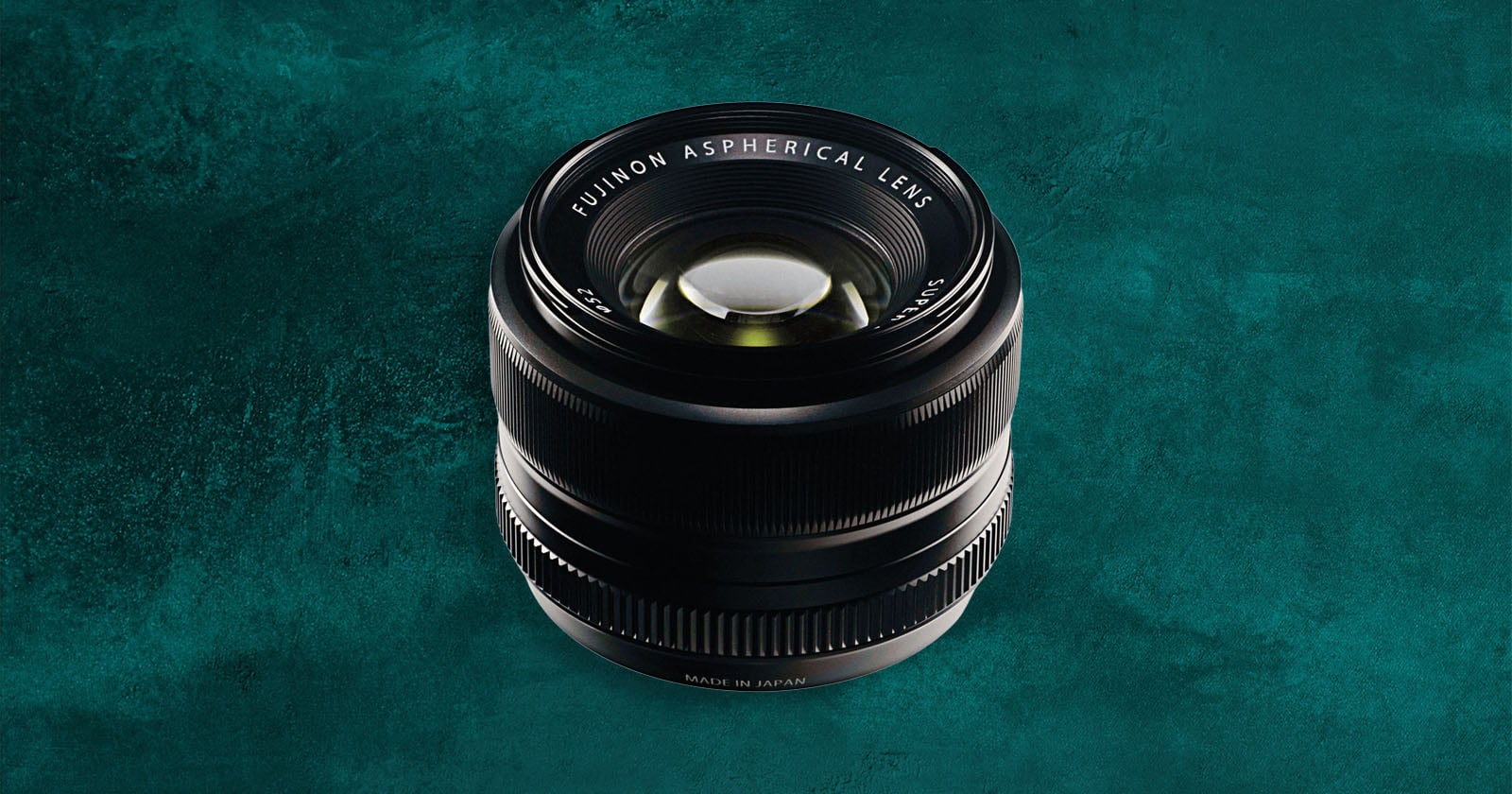
The Fujinon XF 35mm f/1.4 R’s position at the pinnacle of the sales charts is a statistical anomaly that highlights a unique shift in consumer behavior. Despite being one of the original three lenses released for the Fujifilm X-mount in 2012, it outperformed the second-place Sony FE 50mm f/1.4 GM by a staggering margin of 3.5 to 1. This surge in interest comes at a pivotal time for Fujifilm, as the company recently engaged in a public dialogue with its user base regarding the future of this specific focal length. Just months ago, Fujifilm actively solicited feedback from photographers on how to approach a potential successor to the 35mm f/1.4, sparking a debate between those who want modern autofocus speeds and those who fear losing the lens’s legendary "optical soul."
The Enduring Legacy of the Fujinon XF 35mm f/1.4 R
The dominance of the XF 35mm f/1.4 R is particularly noteworthy given the technical "deficiencies" it possesses when compared to modern optics. It utilizes an older DC core motor that is significantly louder and slower than the linear motors found in Fujifilm’s "LM" designated lenses. However, in the Japanese market, technical perfection often takes a backseat to "rendering" and "character." The lens is celebrated for its slightly imperfect, organic look, which many photographers find more pleasing for portraiture and street photography than the clinical sharpness of newer designs.
Minna Camera’s editorial team expressed genuine shock at the volume of transactions for this lens. The fact that it outsold Sony’s state-of-the-art 50mm f/1.4 G Master—a lens that represents the current peak of optical engineering—suggests that the used market for Fujifilm gear is exceptionally liquid. This trend may also be fueled by the recent "retro" boom in photography, led by the viral popularity of the Fujifilm X100V and X100VI, which has driven many new photographers toward the X-mount ecosystem in search of a specific aesthetic.
Analyzing the Top Five: A Battle of Giants
While Fujifilm claims the top spot, the remainder of the top five list represents a diverse cross-section of the "Big Three" manufacturers: Sony, Nikon, and Canon. Following the Fujifilm 35mm and the Sony 50mm f/1.4 GM, the rankings are as follows:
- Fujifilm Fujinon XF 35mm f/1.4 R: A legacy APS-C lens with a 52.5mm full-frame equivalent field of view.
- Sony FE 50mm f/1.4 GM: A modern, high-performance full-frame lens released in early 2023.
- Nikon Nikkor Z 50mm f/1.8 S: Widely regarded by critics as one of the sharpest f/1.8 lenses ever made for any system.
- Canon RF 35mm f/1.8 Macro IS STM: A versatile, affordable wide-angle prime for Canon’s mirrorless system.
- Canon EF 50mm f/1.8 STM: The legendary "Nifty Fifty" for DSLRs, which remains a staple due to its incredibly low price point and adaptability.
The presence of the Canon EF 50mm f/1.8 STM in the top five is a testament to the longevity of the DSLR mount. It is one of only three DSLR lenses to make the top 30 list, highlighting the fact that while professional photographers have largely migrated to mirrorless, the entry-level and second-hand DSLR markets remain active.
The Dominance of the 50mm Focal Length
A broader look at the top 30 reveals that the "standard" focal length remains the king of prime lenses. Of the 30 lenses listed, eight are strictly 50mm primes. If one includes 50mm-equivalent lenses (such as 33mm or 35mm lenses on APS-C sensors) and the Sony Sonnar T* FE 55mm f/1.8 ZA, that number rises to 12.
The popularity of the 50mm focal length is attributed to its proximity to the human eye’s field of view, making it an intuitive choice for beginners and a versatile tool for professionals. In an era where zoom lenses have become increasingly high-quality, the 50mm prime persists because it offers a wide aperture (typically f/1.8 or f/1.4) at a price and size that zoom lenses cannot match. This "fast" aperture allows for the shallow depth-of-field and low-light performance that smartphone cameras still struggle to replicate.
Brand Representation and Market Share
Sony emerged as the most represented brand on the Minna Camera list, claiming 12 of the 30 spots. Sony’s dominance is a direct result of its "first-mover advantage" in the full-frame mirrorless market. By opening its E-mount specifications to third-party manufacturers early on and maintaining a rapid release cycle for its own "G Master" and "G" series lenses, Sony has built the most comprehensive mirrorless lens catalog in the industry. Their entries on the list range from the vlogger-friendly E 11mm f/1.8 for APS-C to the professional-grade FE 50mm f/1.2 GM.
Conversely, the data revealed a surprising lack of third-party representation. Despite the global popularity of brands like Sigma and Tamron, only a single third-party lens made the top 30: the Tamron 90mm f/2.8 Di III Macro VXD, which landed in 27th place. This suggests that Japanese consumers, at least those trading on Minna Camera, maintain a strong preference for "first-party" glass. This could be due to a perceived higher resale value, better autofocus compatibility, or a cultural preference for brand-matching camera bodies and lenses.
The Mirrorless Transition and the Decline of the DSLR
The Minna Camera data provides further evidence that the DSLR era is rapidly drawing to a close. Out of the 30 most-transacted lenses, 27 are designed for mirrorless mounts (Sony E, Fujifilm X, Nikon Z, and Canon RF). This mirrors recent reports from CIPA (Camera & Imaging Products Association), which showed that camera shipments have increased for consecutive years for the first time in nearly two decades, driven almost entirely by mirrorless sales.
The transition is not just happening at the high end. Even in the used market, where DSLRs used to offer a price advantage, the demand is shifting. Photographers are increasingly trading in their bulky EF and F-mount glass for the smaller, more technologically advanced mirrorless equivalents. The three DSLR lenses that did make the list—the Canon EF 50mm f/1.8 STM, the Canon EF 100mm f/2.8L Macro IS USM, and the Nikon AF-S Nikkor 50mm f/1.8G—are all considered "essential" lenses that are frequently adapted to mirrorless bodies using mount converters.
Technical Implications: Prime vs. Zoom
The continued popularity of prime lenses, as evidenced by this data, challenges the notion that the versatility of modern zoom lenses has made fixed focal lengths obsolete. While modern zooms like the 24-70mm f/2.8 have narrowed the gap in image quality, primes still offer three distinct advantages:
- Size and Weight: Primes like the Nikon Z 50mm f/1.8 S or the Canon RF 35mm f/1.8 are significantly lighter than professional zooms, making them ideal for all-day use.
- Maximum Aperture: Most zooms bottom out at f/2.8, whereas the lenses on this list frequently offer f/1.8, f/1.4, or even f/1.2. This provides two or more stops of light-gathering capability.
- Cost: For the price of one professional f/2.8 zoom, a photographer can often purchase three high-quality f/1.8 primes.
Future Outlook and Market Impact
The Minna Camera report serves as a crucial piece of market intelligence for manufacturers. For Fujifilm, the overwhelming success of the 35mm f/1.4 R confirms that there is a massive market for lenses that prioritize "soul" and aesthetics over raw technical specifications. It suggests that any replacement for this lens must carefully balance autofocus improvements with the preservation of its unique optical formula.
For the industry at large, the data underscores the total victory of the mirrorless mount. As third-party manufacturers like Sigma and Tamron continue to expand their offerings for Nikon Z and Canon RF mounts, it will be interesting to see if they can break into the top 30 in future tallies. For now, the Japanese market remains a stronghold for first-party mirrorless primes, with a decade-old Fujifilm lens leading the charge against the modern giants of optical engineering.

