


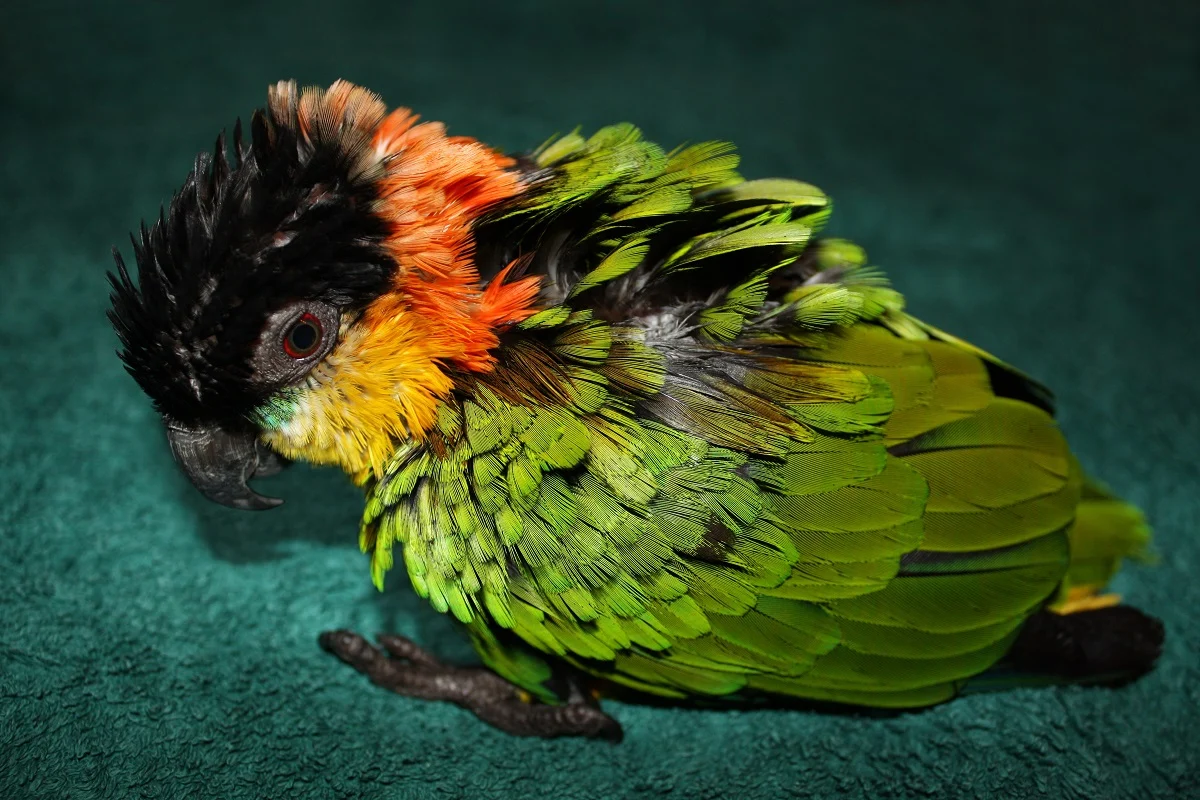
The prospect of a beloved parrot falling ill or sustaining an injury is a daunting reality for any avian pet owner. However, proactive preparation for such emergencies is not merely advisable; it is a critical determinant in ensuring a bird’s survival and recovery. Understanding the immediate steps to take, from controlling bleeding to recognizing the subtle signs of distress, alongside establishing a robust support system, can fundamentally alter the outcome during a crisis. This comprehensive guide outlines the essential knowledge and actions required to effectively manage a sick or injured parrot, emphasizing the paramount importance of timely and informed intervention.
The Imperative of Avian Emergency Readiness
Parrots, despite their apparent resilience, are incredibly delicate creatures. Their natural instinct as prey animals compels them to mask signs of illness or injury, often until their condition is severe. This evolutionary trait, while protective in the wild, poses a significant challenge in a domestic setting, making early detection and rapid response crucial. A study published in the Journal of Avian Medicine and Surgery highlighted that delays in veterinary consultation are a leading cause of mortality in companion birds presenting with critical conditions. Therefore, a structured approach to emergency preparedness is not just beneficial but an ethical responsibility for every parrot owner.
Immediate Action During a Crisis
If a parrot is currently experiencing a medical emergency, immediate action is paramount. For situations that are overtly urgent, such as severe respiratory distress, unresponsiveness, or profound weakness, the bird should be carefully placed in a carrier and transported to an avian veterinarian without delay, with a call placed to the clinic while en route. For less clear-cut but concerning symptoms, contacting an avian vet from home to describe the situation allows for professional guidance on the necessity and urgency of a visit. In instances where an avian vet is not immediately available, owners should proceed with basic supportive care while diligently seeking alternative veterinary assistance.
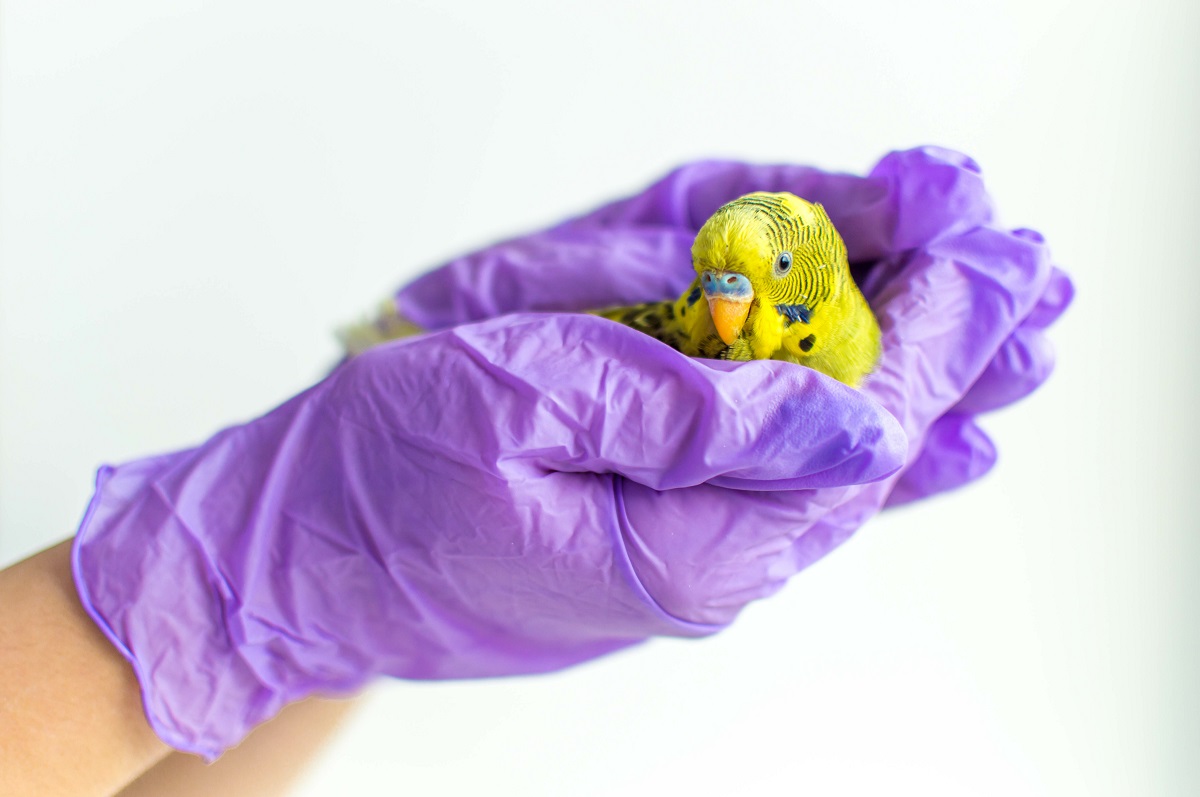
Proactive Measures: Establishing an Avian Safety Net
Prevention is undeniably superior to cure, forming the bedrock of responsible avian care. The cornerstone of this preventative strategy is the establishment of a relationship with a qualified avian veterinarian before any emergency arises.
Securing Specialized Veterinary Care
Avian medicine is a specialized field requiring extensive knowledge of bird physiology, pathology, and behavior. Not all veterinarians possess this expertise. Identifying a board-certified avian veterinarian or one with demonstrable experience in treating birds is non-negotiable. Their contact information, including emergency numbers, should be readily accessible and saved in multiple locations, such as a mobile phone and a visible emergency contact list in the home.
Beyond contact details, financial preparedness is a significant factor. Emergency veterinary treatments for birds can incur substantial costs, often ranging from hundreds to several thousands of dollars depending on the complexity of the case, diagnostic tests, and hospitalization. Establishing an emergency vet fund specifically for avian health crises or securing pet insurance that covers exotic animals can alleviate the financial burden during stressful times, ensuring that necessary care is not delayed due to monetary concerns. Many insurance providers now offer plans specifically for exotic pets, with varying levels of coverage for accidents, illnesses, and even routine wellness checks.
Habitat Safety and Prevention: Parrot-Proofing the Home

Parrots are inherently curious and intelligent creatures, traits that, unfortunately, often lead them into perilous situations. Their strong beaks and inquisitive nature mean they are prone to chewing, exploring tight spaces, and ingesting harmful substances. Data from avian rescue organizations consistently shows that a significant percentage of avian emergencies stem from preventable household accidents.
Key elements of parrot-proofing include:
- Toxic Substances: Identifying and removing all toxic plants (e.g., Dieffenbachia, philodendron, azalea, sago palm), household cleaners, lead-based paints, galvanized metals (zinc poisoning), pesticides, and certain human foods (e.g., avocado, chocolate, alcohol, caffeine, fruit pits/seeds). Many common houseplants are highly toxic and should be kept out of any area accessible to parrots.
- Electrical Hazards: Protecting or concealing electrical cords and outlets to prevent chewing, which can lead to severe burns or electrocution.
- Physical Traps: Securing all doors and windows to prevent escapes. Identifying and blocking small gaps or openings where a bird could get stuck, such as behind appliances, under furniture, or in open toilets.
- Other Pets: Ensuring no unsupervised interaction between parrots and other household pets, particularly cats and dogs, whose bites or scratches, even if minor, can introduce deadly bacteria (e.g., Pasteurella) to birds.
- Environmental Enrichment: Providing adequate, safe toys and enrichment within the cage and supervised play areas to redirect destructive chewing behaviors away from dangerous items.
- Cage Safety: Regularly inspecting the bird’s cage for broken wires, sharp edges, or worn toys that could pose a hazard. Some commercially available parrot toys may contain unsafe materials or components that can become dangerous as they degrade. Maintaining impeccable cage hygiene is also crucial to prevent bacterial and fungal infections.
Routine checks of the bird’s environment, even for experienced owners, are essential to identify potential new hazards or overlooked risks.
The Avian First Aid Arsenal: Essential Tools for Immediate Response
Despite the most stringent preventative measures, accidents can still occur. A bird’s toe might get caught, it could collide with a window, or a blood feather could break, leading to significant bleeding. Having a well-stocked avian first aid kit readily accessible is therefore indispensable. Every member of the household should be aware of its location and basic contents.
A comprehensive parrot first aid kit should include:

- Blood Clotting Agent: Styptic powder (e.g., Kwik Stop) is vital for controlling bleeding from minor wounds, especially broken blood feathers or trimmed nails.
- Antiseptic Solution: Betadine (povidone-iodine) or chlorhexidine solution (diluted as per instructions) for cleaning minor wounds, avoiding alcohol-based products which can be too harsh.
- Sterile Gauze Pads and Cotton Swabs: For applying pressure, cleaning wounds, and applying medications.
- Vet Wrap or Self-Adhering Bandage: A flexible, non-adhesive bandage for securing dressings or stabilizing minor injuries.
- Blunt-Tip Scissors: For carefully trimming bandages or feathers away from a wound.
- Tweezers: For removing splinters or foreign objects.
- Heating Pad or Hot Water Bottle: For providing supplemental warmth to a sick or injured bird. Microwavable heat pads are generally safer as they carry no risk of bursting.
- Carrier: A small, easily darkened carrier lined with paper towels is essential for safe transport to the vet, minimizing stress and providing a clean environment.
- Rehydration Sachets (e.g., unflavored Pedialyte or avian-specific electrolyte solution): For addressing mild dehydration under veterinary guidance.
- Syringes (needleless): Small (1-3ml) syringes for administering fluids or liquid medications if directed by a vet.
- Magnifying Glass and Flashlight: For close inspection of wounds or subtle symptoms.
- Emergency Contact Information: Vet’s number, poison control, and a list of local 24-hour emergency veterinary clinics.
Understanding the urgency of bleeding in birds is critical. As Dr. Daisy May, a resident veterinarian specializing in avian care, explains, "Approximately 10% of a bird’s body weight is blood. A 100-gram cockatiel, for example, has about 10 milliliters of blood. Crucially, only about 10% of this total blood volume can be safely lost. This means a loss of more than 1 milliliter of blood in a small bird like a cockatiel has the potential to be life-threatening." This physiological fact underscores why immediate control of hemorrhage is paramount.
Decoding Avian Distress: Recognizing Symptoms of Illness and Injury
One of the most significant challenges in avian care is the ability of birds to conceal illness. In the wild, a sick or injured bird is an easy target for predators, leading to an instinctive suppression of symptoms. In a home environment, this means owners must become highly attuned to subtle changes in their bird’s behavior, appearance, and habits.
Baseline Health Assessment:
The most important tool for detecting illness is a thorough understanding of an individual bird’s normal state. This includes:
- Behavior: Typical activity levels, vocalizations, interaction patterns, and daily routines.
- Appearance: Normal feather condition, posture, eye clarity, and nostril cleanliness.
- Sounds: Characteristic vocalizations and breathing patterns.
- Smell: Any unusual odors from the bird or its droppings.
- Droppings: Consistent size, color, and consistency of urine, urates, and feces.
Any deviation from these baselines should prompt concern.
Symptoms Requiring Prompt Veterinary Consultation (Call your vet):
Dr. Daisy May advises contacting your vet for guidance if you observe any of the following:

- Behavioral Changes: Lethargy, increased sleep, reduced activity, loss of appetite, decreased vocalization.
- Physical Changes: Ruffled or disarrayed feathers (not preening), dull or cloudy eyes, discharge from eyes or nostrils, sneezing, persistent scratching or plucking.
- Droppings: Changes in color, consistency, or volume of droppings; watery diarrhea; undigested food in droppings; or any suspicious red coloration (which might indicate blood, though consider recent consumption of foods like beetroot or bell pepper).
- Other: Limping, reluctance to use a wing, minor swelling.
Symptoms Requiring Immediate Veterinary Attention (Go to vet, call en route):
Certain symptoms signal a severe medical emergency requiring immediate transport to an avian vet. These birds often need oxygen therapy, a warmed brooder, and fluid administration (oral or intravenous) without delay.
- Severe Respiratory Distress: Open-mouthed breathing, tail bobbing with each breath, labored breathing, wheezing, or gasping.
- Profound Weakness or Collapse: Inability to perch, lying at the bottom of the cage, unresponsiveness.
- Severe Bleeding: Bleeding that does not stop with direct pressure, or bleeding from internal cavities.
- Trauma: Obvious fractures, deep wounds, severe impact injuries, or head trauma (e.g., a budgie with a head tilted at an unnatural angle after an incident, as observed in a previous case, required immediate veterinary care and anti-inflammatory medication for full recovery).
- Seizures or Tremors: Involuntary muscle contractions or shaking.
- Regurgitation/Vomiting: Persistent or forceful expulsion of stomach contents (distinguish from normal courtship regurgitation).
- Distended Abdomen: Swelling in the abdominal area.
- Sudden Onset of Paralysis: Inability to move legs or wings.
- Prolapse: Any internal organ protruding from the vent.
Regular, twice-yearly health check-ups with an avian vet are invaluable preventative measures. These routine visits can detect nascent health issues, such as nutrient imbalances or early stages of disease, before they escalate into critical emergencies.
Navigating an Avian Emergency: Critical Actions While Awaiting Professional Care
When professional veterinary care is pending, the actions taken by an owner during this interim period can be life-saving. Remaining calm and focused is essential.
Controlling Hemorrhage
If a parrot is bleeding, controlling the hemorrhage is the highest priority. For external wounds, apply styptic powder directly to the bleeding site and exert firm, consistent pressure with a clean gauze pad for several minutes. This usually suffices for minor cuts or broken blood feathers.
However, if a wound is deep enough to penetrate a body cavity (e.g., abdomen or thorax), styptic powder is ineffective. In such cases, continuous pressure with sterile gauze should be maintained during immediate transport to the vet.
When applying pressure, extreme caution must be exercised to avoid restricting the bird’s ability to breathe. Unlike mammals, birds lack a diaphragm and rely entirely on the expansion and contraction of their chest wall for respiration. Any constriction around the chest can impede breathing and be fatal.
Providing Supportive Care: Warmth and Isolation
Stress and shock are significant contributors to morbidity and mortality in sick or injured birds. Vets often adopt a "hands-off" approach with severely distressed parrots to minimize additional stress, which can overwhelm an already compromised system.
Furthermore, ill or injured birds often struggle to maintain their body temperature. Supplemental warmth, ideally around 85°F (29°C), is crucial. This can be provided by lining a small carrier or clean box with soft paper towels, placing a covered heating pad or a wrapped hot water bottle underneath or alongside the container, and then covering the entire enclosure to darken it. The darkness and warmth provide a secure, low-stress environment. Microwavable heat pads are recommended over hot water bottles due to the risk of hot water bottles bursting.

Addressing Dehydration
Vomiting or diarrhea can rapidly lead to dehydration in birds. While moderate to severe dehydration requires immediate veterinary intervention, mild dehydration can be supported at home.
A basic assessment of dehydration can be performed by checking the basilic wing vein refill time. Locate the basilic wing vein, a visible blue line running across the inside of the bird’s "elbow" (humeral-radioulnar joint). Gently press on the vein with a finger to displace the blood. In a well-hydrated bird, the vein should refill immediately upon lifting the finger. If it takes more than 2 seconds for the vein to refill, this indicates moderate to severe dehydration, necessitating urgent veterinary care.
For mildly dehydrated birds that are still alert and able to swallow comfortably, rehydration solutions (prepared from avian-specific sachets or unflavored Pedialyte, following package directions) can be offered. These solutions should be gently warmed to body temperature to prevent further chilling of an already compromised bird. They can be offered on a teaspoon or via a needleless syringe, especially if the bird is syringe-trained. However, attempting to administer fluids directly into a bird’s mouth should only be done if an avian vet, technician, or nurse has provided explicit training and the owner is fully confident in the technique, due to the high risk of aspirating fluid into the bird’s lungs.
The Broader Implications of Responsible Avian Ownership
The journey of parrot ownership is a long-term commitment, often spanning several decades depending on the species. This commitment extends beyond providing daily food and shelter to encompass comprehensive healthcare, including emergency preparedness. The ability to recognize subtle signs of illness, react swiftly to injuries, and provide immediate supportive care not only significantly improves a parrot’s prognosis but also reflects the profound ethical responsibility inherent in caring for such intelligent and sensitive creatures. Delayed or inadequate care can lead to prolonged suffering, irreversible damage, and potentially premature death, outcomes that are entirely preventable with proper planning and education.
In conclusion, the most critical action an avian pet owner can take in any health crisis is to secure professional veterinary care from a qualified avian specialist. Birds are fragile beings, and medical emergencies can escalate with alarming speed. Equipping oneself with knowledge of preventative measures, a well-stocked first aid kit, the ability to recognize symptoms, and the skills for immediate supportive care provides the best possible chance for a beloved parrot’s survival and recovery. Responsible avian ownership demands vigilance, preparedness, and a proactive approach to health and safety.

