


The natural process of molting is a fundamental physiological event for birds, involving the systematic shedding of old, worn feathers and their replacement with new ones. This cyclical regeneration is vital for maintaining insulation, facilitating flight, and ensuring overall hygiene. A key feature of this process, often a source of concern for bird owners, is the emergence of "pin feathers," which are new feathers encased in a protective keratin sheath as they grow through the skin. While a normal part of avian life, their appearance and the associated sensations can lead to discomfort, prompting owners to seek clarity on how to best support their feathered companions without causing stress or pain. This guide aims to provide a comprehensive, fact-based overview of pin feathers, distinguishing normal molt discomfort from signs requiring professional veterinary intervention, and outlining best practices for supportive care.
The Biological Imperative of Molting: A Cyclical Renewal
Molting is not merely a cosmetic change but a critical biological imperative for birds. Feathers, though robust, are subject to wear and tear from daily activities, exposure to elements, and preening. Damaged feathers compromise a bird’s ability to fly efficiently, regulate body temperature, and offer protection from the environment. Consequently, birds have evolved an intricate process to replace their plumage regularly. The frequency and duration of molts vary significantly across species, influenced by factors such as age, species, nutritional status, hormonal cycles, and environmental cues like photoperiod (daylight length). For many pet birds, which often live in controlled indoor environments, molting can sometimes occur less predictably or become chronic if underlying issues like nutritional deficiencies or constant artificial light exposure disrupt natural rhythms.
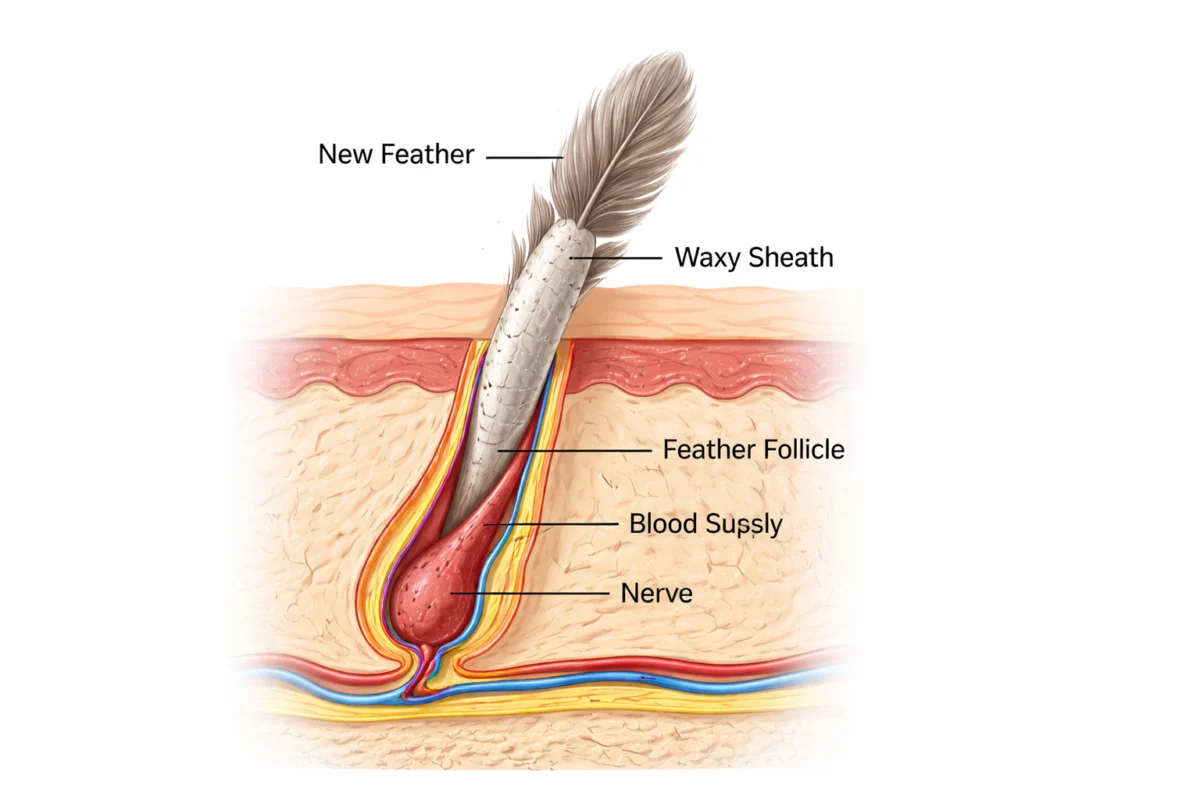
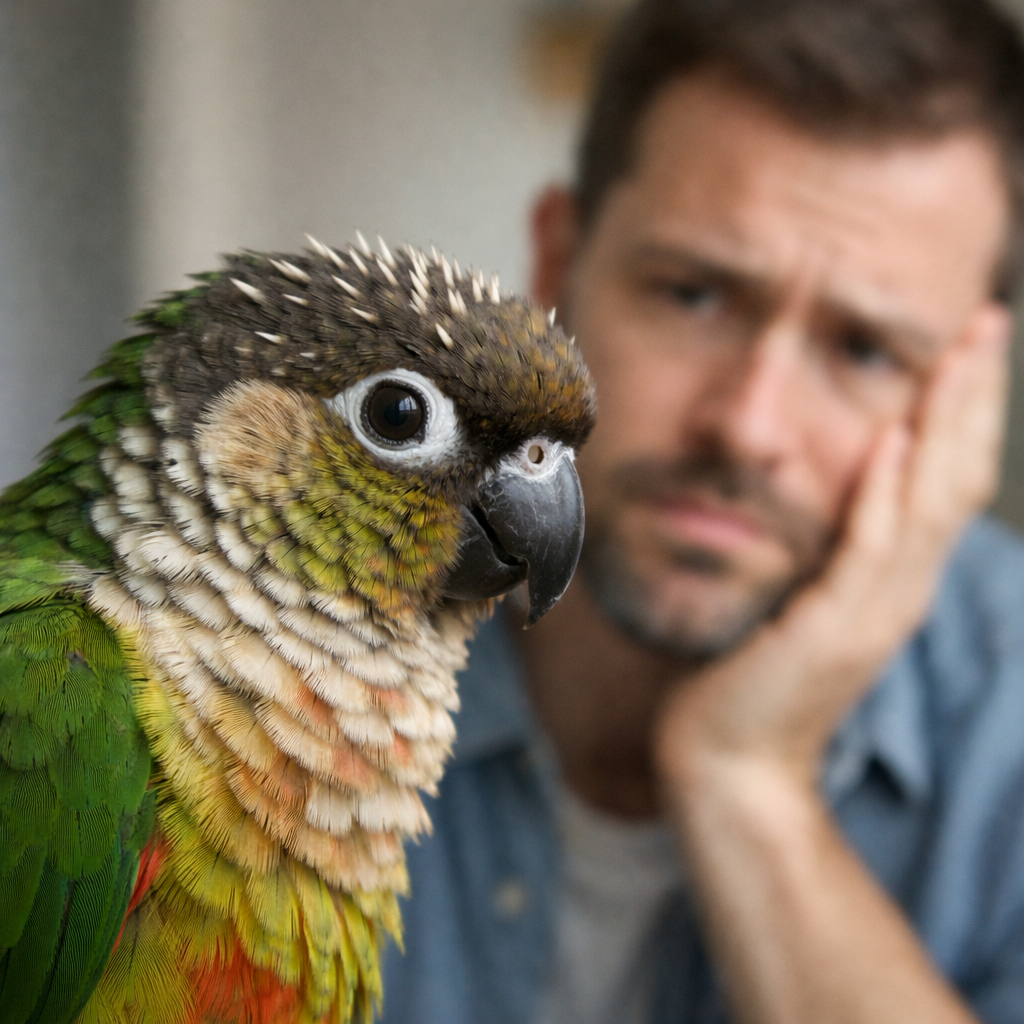
During a typical molt, old feathers are shed, and new ones begin to grow from the same follicles. This process is synchronized, often with groups of feathers being replaced in specific patterns to avoid significant impairment of flight or insulation. The emergence of new feathers is precisely what gives rise to pin feathers. Each new feather, as it develops, is supplied with blood and nutrients through a dermal papilla at its base. As it grows, it pushes through the skin, initially protected by a waxy, tube-like keratin sheath. This sheath is crucial for the feather’s early development, safeguarding the delicate growing structure within. Visually, these nascent feathers appear as pale or whitish spikes, particularly noticeable on areas like the head and neck where feather density allows for easier observation. The simultaneous growth of multiple pin feathers in a given area is common, often leading to a bird appearing temporarily disheveled or "spiky" even when the molting process is proceeding entirely normally. It is critical for owners to understand that unopened pin feathers are not "stuck"; rather, they are simply not yet ready to unfurl.
Understanding the Sensations: Tenderness, Itchiness, and Relief
The journey of a pin feather from emergence to full maturity involves distinct stages, each associated with different sensations for the bird. Recognizing these phases helps owners provide appropriate comfort and avoid causing distress.
Early Growth: The Phase of Tenderness
In its nascent stage, a pin feather is a living structure deeply connected to the bird’s circulatory system. The developing feather, encased in its sheath, is actively receiving blood and nutrients. This vascular connection makes the surrounding skin and the follicle highly sensitive. Any direct pressure, squeezing, or rough handling of a pin feather at this point can be genuinely uncomfortable or even painful for the bird. Visible signs that a bird is experiencing tenderness might include recoiling from touch, exhibiting defensive behaviors, or showing reluctance to be handled, especially near areas with numerous emerging pin feathers. During this phase, intervention should be minimal, focusing on creating a supportive environment rather than direct physical interaction. Providing opportunities for bathing or misting can offer some relief by softening the sheaths, but direct manipulation must be strictly avoided.
The Itchy Phase: Peak Discomfort
As the pin feather continues to grow, the keratin sheath begins to dry out and becomes brittle. This drying process, coupled with the ongoing irritation of numerous feathers pushing through the skin, frequently leads to intense itchiness. This is often the phase most noticeable to bird owners, as their pets will exhibit increased scratching, rubbing against perches or cage bars, and focused preening. While these behaviors might appear excessive or even obsessive, they are typically a natural response to physical irritation rather than a behavioral problem. The bird is attempting to alleviate the itching and mechanically assist in the breakdown of the dry sheaths. During this stage, supportive measures like regular, gentle misting or supervised baths become particularly beneficial. The added moisture helps to soften the keratin, making it easier for the bird to preen off the dry flakes and potentially reducing the intensity of the itching.
The Release Phase: Unfurling and Relief
Once a pin feather reaches full maturity, the keratin sheath completely dries and becomes flaky. At this point, the bird’s natural preening, rubbing, and bathing actions facilitate the complete shedding of the sheath. As the sheath flakes away, the fully formed feather unfurls and settles into its proper position. This stage is often marked by the appearance of fine white flakes, resembling dandruff, which are simply remnants of the keratin sheaths. For the bird, this phase brings significant relief from the earlier tenderness and itchiness. The new feather is now ready to perform its functions, and the discomfort associated with its growth subsides. During this period, continued opportunities for bathing and preening support the final stages of feather emergence, ensuring the new plumage is clean and well-maintained.
Pin Feathers vs. Blood Feathers: A Crucial Distinction
While all growing feathers are technically "pin feathers" due to their sheathed appearance, the term "blood feather" typically refers to larger, more mature pin feathers, especially those on the wings or tail, that still retain an active blood supply. The distinction is critical due to the potential severity of injury.
Pin feathers, in their early growth stages, are indeed connected to a small blood supply, making them tender and prone to minor bleeding if broken. However, "blood feathers" denote those substantial, developing feathers where the blood supply is particularly prominent and robust. Given their larger size and the longer growth period required for flight and tail feathers, these blood feathers can cause significant hemorrhaging if accidentally broken or damaged. In smaller avian species, uncontrolled bleeding from a broken blood feather can rapidly lead to a dangerous state of blood loss, potentially resulting in shock or even death if not addressed promptly.
Emergency Protocol for a Broken Blood Feather:
Should a blood feather break, immediate action is paramount.
- Apply Direct Pressure: Gently but firmly apply pressure to the bleeding feather shaft using a clean cloth or gauze. Maintain pressure for at least 5-10 minutes without lifting to check.
- Utilize a Clotting Agent: If available, apply a styptic powder (e.g., Kwik Stop) or cornstarch directly to the bleeding site after initial pressure. These agents help to constrict blood vessels and promote clotting.
- Monitor Closely: Once bleeding appears to stop, continue to monitor the bird for 30-60 minutes. Reapply the clotting agent and pressure if minor bleeding resumes.
- Seek Veterinary Care: If the bleeding is heavy, persists beyond 10-15 minutes despite intervention, or if you are uncertain about its control, contact an avian or exotics veterinarian immediately. Uncontrolled bleeding is an emergency.
Crucial Warning: Never Attempt to Pull a Blood Feather Yourself. Removal of a blood feather is an extremely painful procedure that can worsen bleeding, cause severe trauma to the follicle, and potentially lead to permanent damage preventing future feather growth. This procedure should only be performed by a qualified avian veterinarian or a trained professional using appropriate tools and techniques, often under sedation.
Effective Strategies for Alleviating Pin Feather Discomfort
The primary goal of owner intervention during molting is to ease skin irritation, prevent excessive or fixated scratching that could lead to self-mutilation, and protect the delicate new feathers. Several safe and effective home support measures can provide meaningful relief:
- Regular Bathing and Misting: This is arguably the most impactful home remedy. Warm water helps soften the keratin sheaths, making them less irritating and easier for the bird to remove through preening. Offer daily opportunities for a bath (shallow dish, bird bath, or shower perch) or gentle misting with plain water. Ensure the bird is in a warm, draft-free environment to dry completely afterward.
- Maintaining Optimal Humidity: Indoor environments, especially during winter months with heating, can be excessively dry, exacerbating dry, itchy skin and hardening pin feather sheaths. Using a humidifier in the bird’s room can significantly improve comfort by increasing ambient moisture. Aim for humidity levels between 50-60%.
- Nutritional Support: A well-balanced diet is foundational for healthy feather growth. During molting, the body’s demand for specific nutrients, particularly proteins, vitamins, and minerals, increases significantly. Supplementation with high-quality sources of Vitamin A, Vitamin E, and Omega fatty acids can profoundly support skin health and feather structure. Vitamin A is crucial for epithelial tissue health, including skin and feather follicles. Vitamin E acts as an antioxidant, protecting cells from damage, while Omega fatty acids contribute to skin hydration and reduce inflammation. Consulting with an avian nutritionist or veterinarian can help tailor dietary adjustments to meet these heightened demands, moving away from nutrient-poor seed-only diets.
- Environmental Enrichment and Distraction: Providing a stimulating environment with a variety of toys, foraging opportunities, and safe chew items can help distract a bird from the discomfort of itchy pin feathers, reducing the likelihood of obsessive preening or plucking.
- Gentle Assistance (with extreme caution): While most birds manage independently, some may benefit from very gentle assistance, particularly on hard-to-reach areas like the head or back. This should only be attempted if the bird is calm, accustomed to being handled, and the pin feathers are visibly flaky and dry, indicating they are ready to open. Using a clean finger, a soft cloth, or even a specialized "feather picker" tool, very gently roll the dry sheath between your fingers to encourage it to flake off. Never pull, squeeze, or force an unopened or tender pin feather. If the bird shows any sign of discomfort, stop immediately. Many experienced owners opt not to assist at all, relying solely on bathing and humidity.
Expert Insights on Avian Wellness During Molt
Diane Burroughs, LCSW, a licensed psychotherapist, ABA-trained behavior guru, and certified expert in Nutrition for Mental Health, emphasizes the integrated approach to avian wellness during molt. As the author of multiple bird behavior books and the founder of UnRuffledRx, a line of science-backed parrot wellness products, Burroughs highlights the connection between physical comfort and psychological well-being. "During a molt, a bird’s entire system is working overtime," Burroughs states. "The physical irritation of pin feathers, especially when coupled with nutritional deficiencies or a dry environment, can lead to significant stress. We often see behaviors that might look like plucking, but are actually the bird trying desperately to find relief from intense itching. Providing proper nutrition, ample hydration, and a calm, enriched environment isn’t just about feather health; it’s about preventing fixation and promoting overall mental health for the bird." Her work, featured in the Journal of Avian Medicine & Surgery and at Exoticscon, underscores the importance of a holistic approach to avian care.
When Discomfort Signals a Deeper Issue: Recognizing Red Flags
While some level of irritation is normal during molting, certain signs indicate that the discomfort has escalated beyond routine physiological processes and warrants immediate veterinary attention. Owners should be vigilant for:
- Open Skin or Active Bleeding: Any persistent open wounds or bleeding not attributable to a minor, controlled blood feather incident.
- Rapidly Expanding Bald Areas: While patchy appearance is normal, swift and significant loss of feathers resulting in large bald patches is abnormal.
- Obvious Feather Destruction: Beyond normal preening, signs of feathers being chewed, bent, or pulled out, especially if the feather shafts are damaged.
- Signs of Illness: Concurrent symptoms such as lethargy, weakness, loss of appetite, changes in droppings, fluffed feathers, or labored breathing. These indicate systemic issues that could be exacerbating molting discomfort or an entirely separate medical problem.
- Persistent or Escalating Itchiness/Fixation: If intense itching or preening becomes obsessive, causes skin irritation, or does not improve gradually, it may signal an underlying skin condition, allergies, or chronic stress.
- New Growths or Lesions: Any unusual bumps, scabs, or lesions on the skin or around feather follicles.
Should any of these red flags appear, home troubleshooting should cease, and an avian veterinarian should be consulted without delay. These situations are not typical aspects of normal feather growth and often point to underlying health issues requiring professional diagnosis and treatment.
The Broader Impact: Long-Term Feather and Skin Health
The quality of a bird’s molt is a direct reflection of its overall health and nutritional status. Chronic or difficult molts, excessive feather destruction, or persistent skin irritation can have long-term implications. Poor feather quality can impair flight and insulation, making birds more susceptible to environmental stressors and injury. Chronic itching and plucking can lead to skin infections, behavioral issues, and a diminished quality of life.
Investing in high-quality nutrition year-round, ensuring adequate humidity, providing regular bathing opportunities, and minimizing environmental stressors are proactive measures that contribute to easier, healthier molts. A diet rich in essential amino acids (the building blocks of keratin), vitamins, and minerals supports robust feather growth and resilient skin. Addressing underlying health conditions promptly prevents them from compounding the natural challenges of molting.
In conclusion, pin feathers are a natural and necessary component of avian feather renewal. While they can cause temporary discomfort, understanding the process, recognizing normal versus abnormal signs, and providing appropriate supportive care can significantly ease a bird’s experience during this vital physiological transition. Vigilance, informed intervention, and prompt veterinary consultation when needed are key to ensuring the continued health and well-being of feathered companions.

