


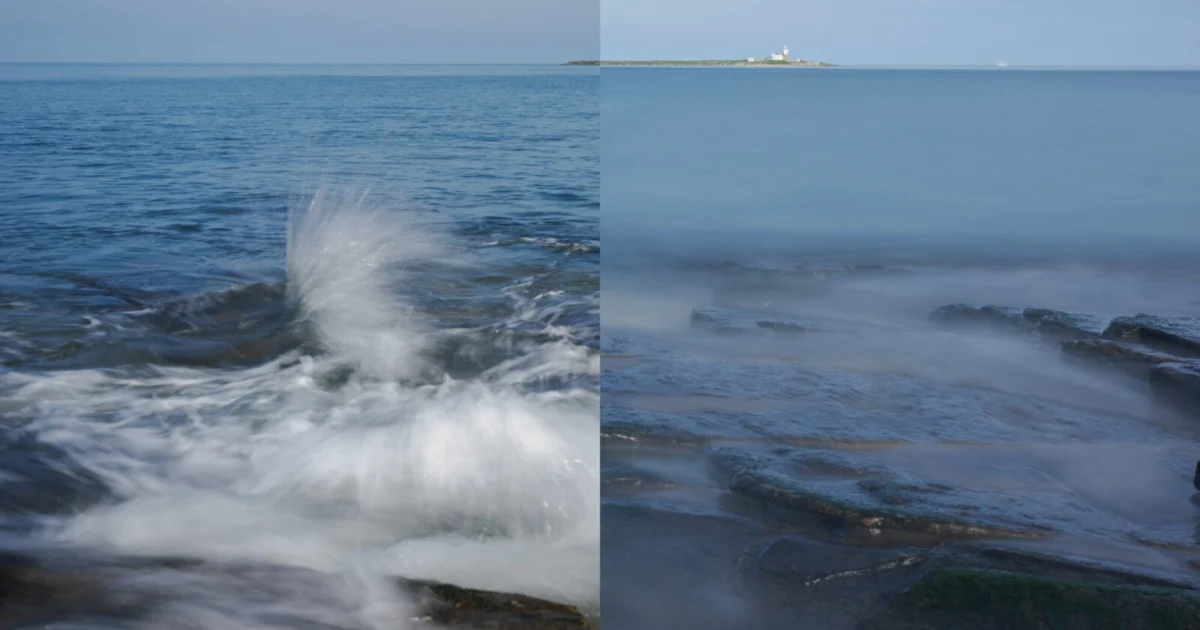
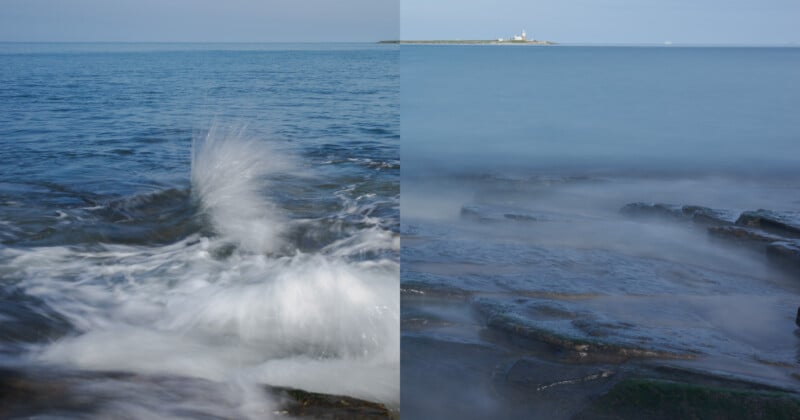
The exposure triangle—comprising aperture, ISO, and shutter speed—serves as the fundamental framework for all photographic endeavors. While aperture dictates depth of field and ISO determines the sensor’s sensitivity to light, shutter speed is the primary tool for managing the representation of time. For landscape and action photographers, the choice of shutter speed is rarely a matter of mere exposure; it is a critical aesthetic decision that determines whether a moment is frozen in crystalline detail or transformed into a fluid, ethereal blur. A comprehensive technical experiment recently conducted on the Northumberland coast provides a granular look at how incremental changes in shutter speed, from 1/3200 of a second to a full minute, fundamentally alter the character of a single scene.
The Mechanics and Nomenclature of Shutter Speed
In technical terms, "shutter speed" is often considered a misnomer within the photographic community. The mechanical shutter curtains in most modern cameras operate at a fixed physical velocity. The duration of the exposure is controlled not by the speed at which the curtains move, but by the size of the gap between the first and second curtains as they travel across the sensor. This is why manufacturers like Canon historically utilized the term "Time Value" (Tv) to describe this setting. Despite the technical nuance, the industry standard remains "shutter speed," referring to the total time the camera sensor is exposed to light.
The selection of a shutter speed is influenced by three primary factors: the velocity of the subject, the subject’s proximity to the lens, and the focal length of the optics. This relationship is rooted in the concept of angular velocity. An object moving at a constant speed close to the camera will traverse the frame faster than the same object moving at a distance. Similarly, a telephoto lens narrows the field of view, magnifying the appearance of movement and necessitating a faster shutter speed to "freeze" action compared to a wide-angle lens.

Methodology: The Northumberland Coastal Experiment
To observe the impact of shutter speed across a wide spectrum, an experiment was staged overlooking the North Sea toward Coquet Island in Northumberland, England. The location was selected for its consistent environmental variables: a stable sea state, an offshore breeze, and a turning high tide that ensured the water’s proximity to the camera remained relatively constant throughout the duration of the test.

The equipment utilized for the study included an OM System OM-1 Mark II equipped with an M.Zuiko 12-40mm f/2.8 PRO lens. To maintain structural integrity during longer exposures, the system was mounted on a Benro Tortoise carbon fiber tripod. Achieving exposures of up to 60 seconds in bright afternoon light required a combination of hardware and software solutions. The photographer employed Urth ND1000 magnetic filters to reduce light intake by ten stops, supplemented by the camera’s internal LiveND feature, which digitally simulated an additional seven stops of neutral density.

High-Speed Analysis: 1/3200 to 1/250 Second
In the initial phase of the experiment, shutter speeds ranging from 1/3200 to 1/250 second were tested. At these speeds, the motion of the waves and the spray from crashing water were effectively frozen. There was no discernible difference in motion blur between 1/3200 and 1/800 second. Every droplet of water was captured as a distinct, sharp entity, providing a high level of texture and a sense of raw energy.

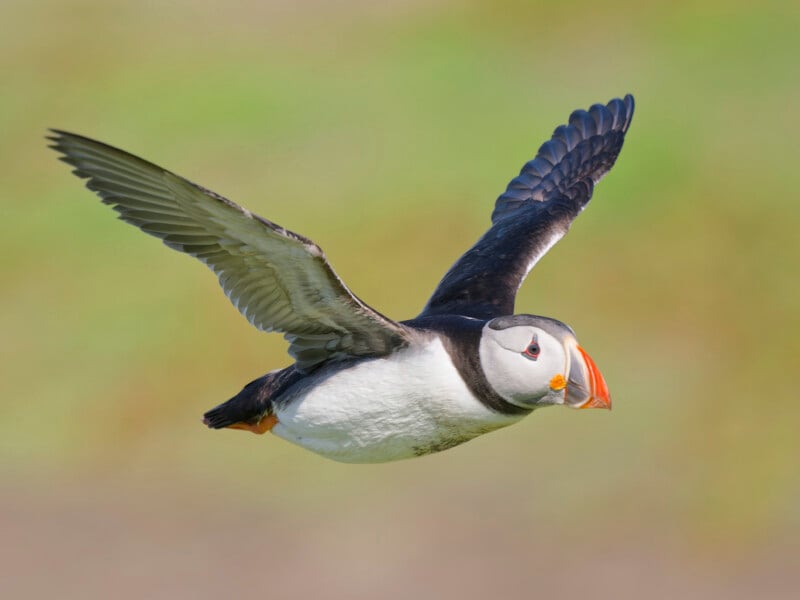
This range is typically the "safe zone" for sports and wildlife photography. However, as demonstrated by a case study involving an Atlantic puffin in flight, high shutter speeds often require compromises in other areas of the exposure triangle. To achieve a speed of 1/3200s at a long focal length (272mm), a wide aperture of f/4.5 was used. This resulted in a shallow depth of field that left the tips of the bird’s wings slightly out of focus. This highlights the traditional struggle of the photographer: balancing the need for speed with the need for focus.

The Transition Zone: 1/125 to 1/30 Second
As the shutter speed slowed to 1/125 second, the first signs of motion blur began to emerge. In a professional context, this range is often considered the "uncanny valley" of shutter speeds for moving water. At 1/125s, the blur appears unintentional—neither sharp enough to be a frozen moment nor blurred enough to be an artistic choice.

By 1/60 and 1/30 second, the blurring of the splashes became more pronounced. Interestingly, while the foreground water began to lose definition, distant objects—such as a speedboat traveling across the horizon—remained relatively sharp. This illustrates the impact of distance on perceived motion; because the boat occupied a smaller portion of the frame and had a lower angular velocity relative to the sensor, it required less speed to remain clear than the water crashing just meters away.
Creative Motion: 1/15 to 1/2 Second
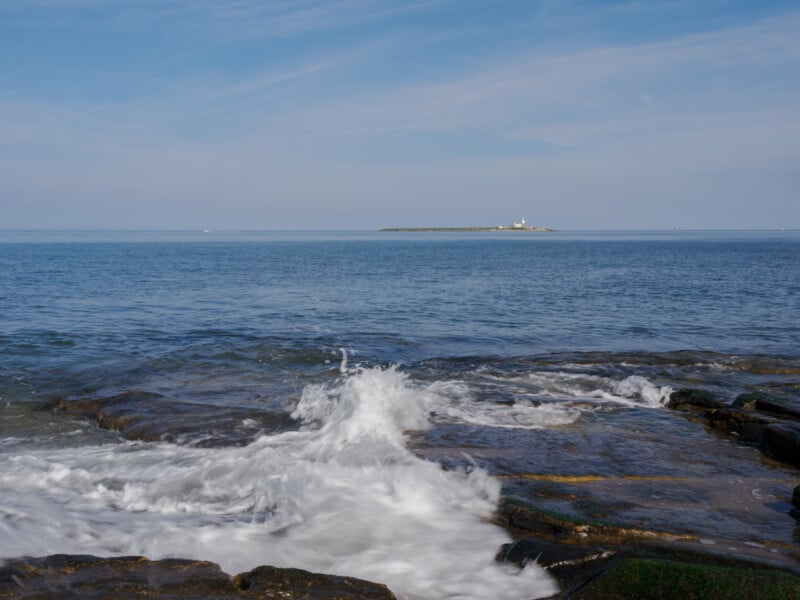
The range between 1/15 and 1/2 second is often where landscape photographers find the most creative "character" in water movement. In the Northumberland study, these speeds transformed splashes into streaks of light and texture, reminiscent of the trails left by exploding fireworks. At 1/8 and 1/4 second, the water began to lose individual droplet definition, taking on a crystalline or "shredded" appearance that conveys a sense of direction and flow without completely erasing the structure of the waves.

At 1/2 second, the trails formed by moving water became the dominant visual element in the foreground. This shutter speed is frequently used to capture "leading lines" in coastal photography, where the receding tide creates streaks that draw the viewer’s eye into the composition.
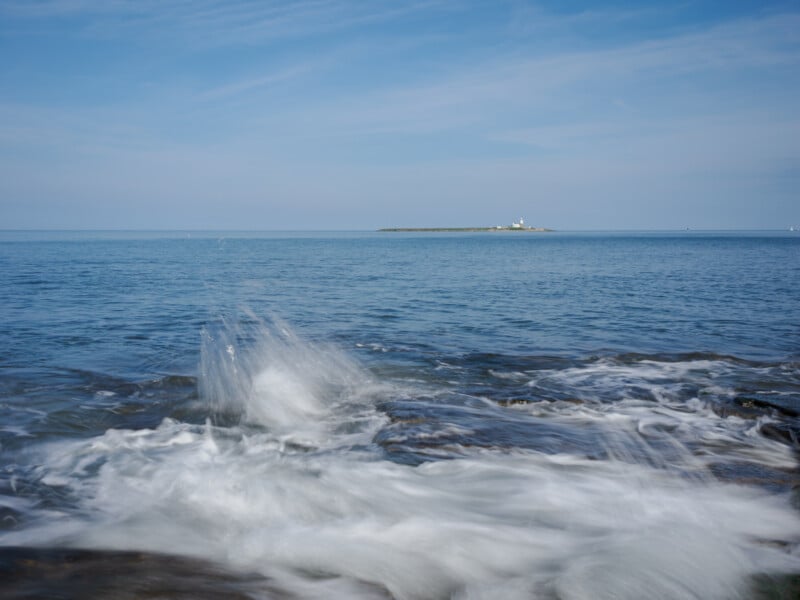
Long Exposure and the Smoothing Effect: 1 Second to 60 Seconds
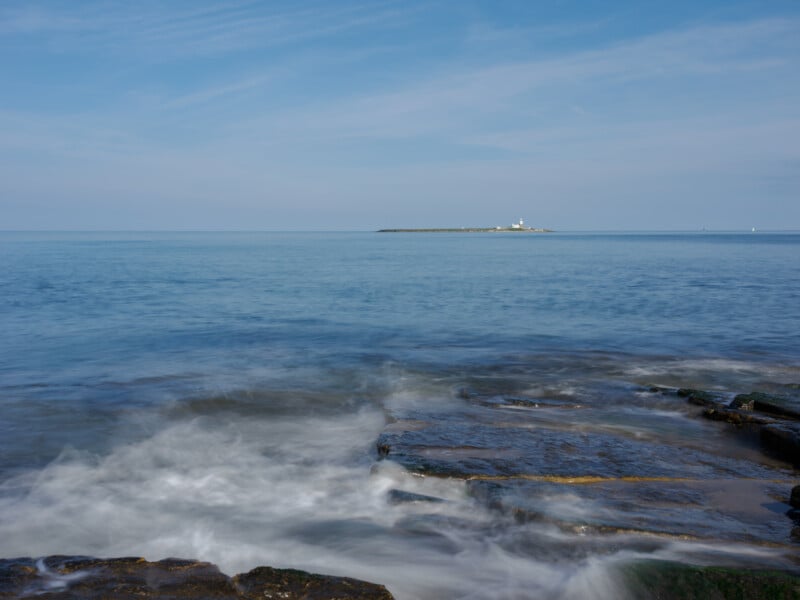
Once the exposure time reached 1 second and beyond, the visual characteristics of the scene underwent a radical transformation. The "ghostly" appearance of the splashes at 1 second quickly gave way to a "milky" or "misty" texture as the time increased to 4 and 8 seconds.

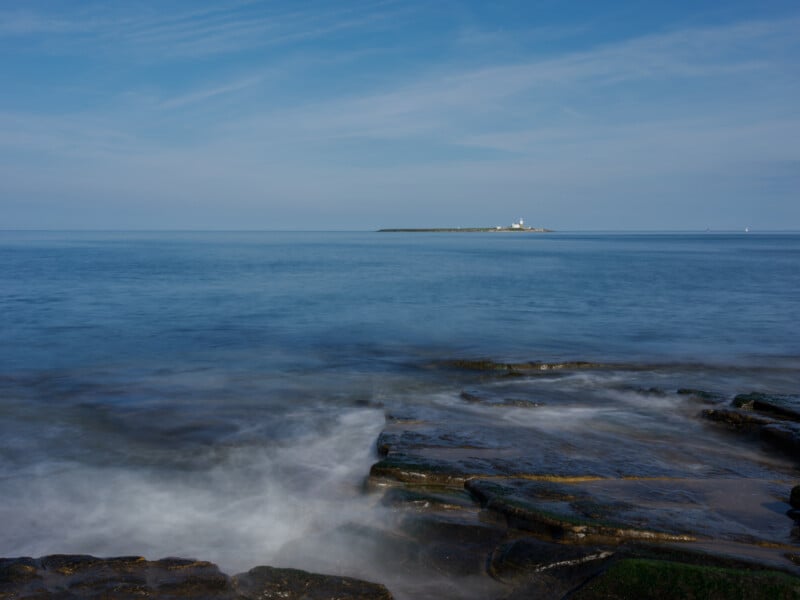
By the 15-second mark, the sea began to appear as a smooth, uniform surface. The individual wavelets that were so prominent at 1/3200s were completely averaged out by the long duration of the exposure. At 30 and 60 seconds, the transformation was complete. The sea appeared entirely flat, and even distant yachts, which were sharp in previous frames, began to show significant motion blur as they tacked through the water. Conversely, clouds located over 20 miles away remained relatively sharp because their slow movement across the sky was not sufficient to create blur, even over a one-minute duration.
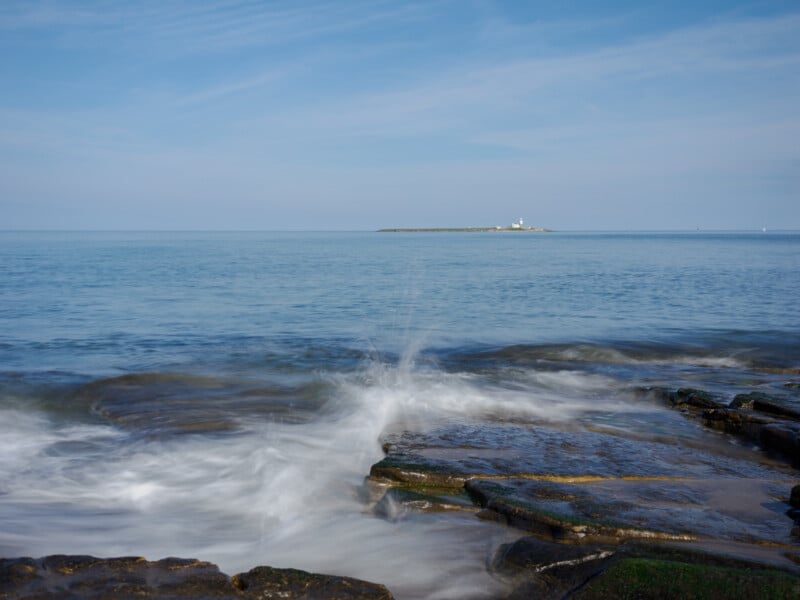
Data Integration and Modern Workflow Implications
The experiment also highlighted the role of modern post-processing technology in managing the trade-offs necessitated by shutter speed choices. Traditionally, using a fast shutter speed in low light required a high ISO, which introduced significant electronic noise and reduced image quality.
However, the emergence of AI-driven noise reduction, such as DxO’s DeepPRIME XD3 within PhotoLab 9, has shifted the paradigm. Photographers can now confidently increase ISO to maintain fast shutter speeds and smaller apertures (for greater depth of field), knowing that the resulting noise can be effectively mitigated in post-production. This technological advancement allows for greater flexibility in the field, reducing the "failed photo" rate that previously occurred when photographers were forced to choose between motion blur and sensor noise.
Broader Impact and Conclusion
The Northumberland study demonstrates that there is no "correct" shutter speed for a given subject. Instead, the choice is a subjective one based on the photographer’s intent. High speeds (1/1000s and faster) are essential for documentation and capturing the raw power of nature. Intermediate speeds (1/15s to 1/2s) are ideal for adding a sense of dynamic motion and artistic flair. Long exposures (10s to 60s+) are used to create minimalist, serene, and otherworldly compositions.

Understanding the relationship between time, distance, and focal length is paramount for any serious practitioner of the craft. As sensor technology and stabilization systems—such as those found in the OM-1 Mark II—continue to evolve, the barriers to experimenting with these settings are lowering. Whether the goal is to freeze a puffin in mid-air or to turn a turbulent North Sea into a tranquil mirror, the shutter remains the photographer’s most potent tool for interpreting the passage of time.

