


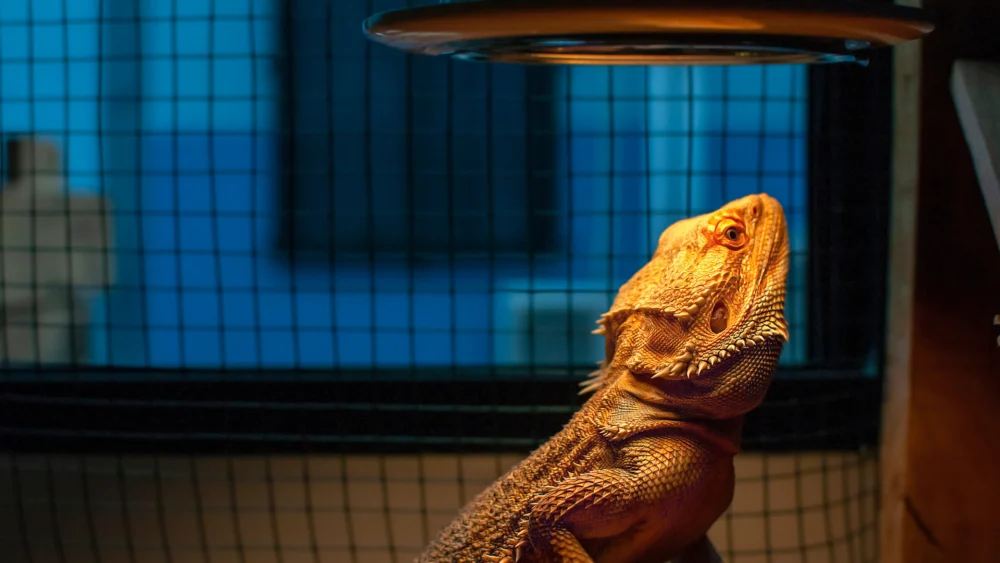
The landscape of exotic animal husbandry is undergoing a significant paradigm shift as veterinary researchers move toward a more nuanced, evidence-based approach to artificial lighting. For decades, the provision of ultraviolet B (UVB) radiation was considered a specialized requirement primarily for diurnal reptiles. However, recent clinical data presented by Dr. Mark Mitchell, a Professor of Zoological Medicine at Louisiana State University, suggests that a much wider array of species—including crepuscular reptiles, exotic mammals, and even certain fish—derive critical physiological benefits from UVB exposure. This evolution in care emphasizes a "dosing" concept, moving away from continuous exposure toward targeted, short-duration treatments to maximize health while minimizing the risks of radiation-induced pathology.
The Physiological Foundation of Ultraviolet Radiation
To understand the clinical necessity of UVB, one must first define its place within the electromagnetic spectrum. Ultraviolet radiation consists of wavelengths shorter than visible light, categorized into three distinct bands based on their biological impact: UVA (315–400 nm), UVB (280–315 nm), and UVC (100–280 nm). While UVC is primarily germicidal and filtered by the Earth’s atmosphere, and UVA influences behavior and vision in many vertebrates, UVB is the primary catalyst for the synthesis of Vitamin D3.
Vitamin D3 is not merely a nutrient but a fundamental hormone that regulates calcium metabolism. The process begins with the photosynthetic conversion of 7-dehydrocholesterol in the skin to pre-vitamin D3. This precursor then undergoes a temperature-dependent conversion into Vitamin D3, which is subsequently transported to the liver for hydroxylation into 25-hydroxyvitamin D3. The final stage of activation occurs in the kidneys, resulting in 1,25-hydroxyvitamin D3, the active form required for intestinal calcium absorption and bone mineralization. Without this hormone, captive animals are at high risk for Metabolic Bone Disease (MBD), a debilitating and often fatal condition characterized by skeletal deformities and hypocalcemia.
A Timeline of Evolution in Exotic Husbandry
The understanding of UVB in captivity has progressed through several distinct eras:
- The Early Recognition Era (Pre-1990s): Veterinary medicine began to link skeletal deformities in green iguanas and chelonians to a lack of sunlight. Initial solutions focused heavily on dietary supplementation, which often led to accidental Vitamin D toxicity.
- The Full-Spectrum Emergence (1990s–2000s): Fluorescent "full-spectrum" bulbs became commercially available. While these were an improvement, they often lacked sufficient UVB intensity or decayed rapidly, losing their efficacy within months.
- The Ferguson Zone Era (2010s): Researchers like Gary Ferguson began categorizing reptiles into "zones" based on their natural basking behaviors, allowing keepers to tailor UVB intensity to a species’ ecological niche.
- The Evidence-Based Dosing Era (2020s–Present): Led by researchers like Dr. Mitchell, the focus has shifted to measuring actual circulating blood levels of Vitamin D3 in response to specific "doses" of light. This era recognizes that many species previously thought to be "UV-independent" actually utilize UVB as a primary health resource.
Broadening the Taxonomic Scope: Mammals and Birds
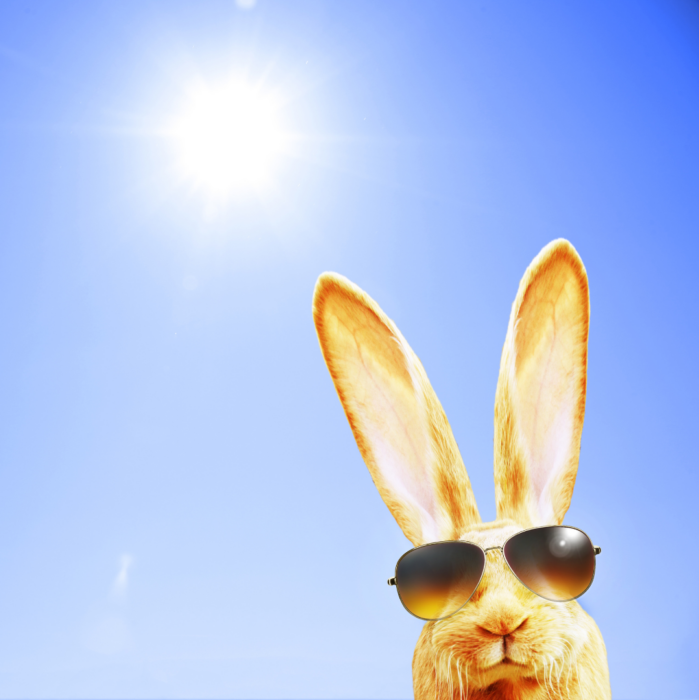
One of the most significant revelations in recent veterinary research is the benefit of UVB for exotic companion mammals. Traditionally, rabbits, guinea pigs, and chinchillas were maintained without supplemental lighting, under the assumption that dietary intake was sufficient. However, clinical studies have now demonstrated that these species significantly increase their circulating Vitamin D concentrations when exposed to UVB.
In rabbits and guinea pigs, Vitamin D is essential not only for bone health but also for dental integrity. Chronic dental disease, a leading cause of morbidity in these species, may be linked to subclinical Vitamin D deficiencies that affect the remodeling of the jawbone and tooth roots. Dr. Mitchell’s research indicates that even short-term exposure can bolster these levels, suggesting that "sunbathing" protocols should be integrated into standard mammalian husbandry.
The data for avian species remains more complex. While studies on African Grey parrots and budgerigars have shown that UVB can influence calcium levels and reduce feather-plucking behaviors in some individuals, the results are less uniform than in reptiles. Current recommendations for birds lean toward natural sunlight exposure when possible, as artificial bulbs have yielded mixed clinical outcomes.
Clinical Data and the "Dosing" Concept
The core of Dr. Mitchell’s current recommendation is the transition from a 12-hour UVB photoperiod to a restricted 2-hour daily dose. This recommendation is rooted in comparative studies across various species:
- Leopard Geckos: Historically considered nocturnal and thus UV-independent, these geckos were found to utilize UVB for Vitamin D synthesis effectively. A 2-hour exposure window provided adequate physiological levels, challenging the "nocturnal" label.
- Blue-Tongued Skinks: Research showed that 2 hours of UVB exposure achieved the same circulating Vitamin D concentrations as 12 hours. Furthermore, the Vitamin D levels remained elevated for several months after the light source was removed, indicating a robust storage mechanism.
- Corn Snakes and Pythons: While carnivorous reptiles obtain some Vitamin D from whole-prey diets, research on corn snakes and Burmese pythons shows they actively utilize UVB to supplement their hormonal needs. The ball python remains a notable exception in some studies, though this may be due to specific environmental variables rather than a lack of biological capacity.
Commercial Lighting: Technology and Technicalities
Not all artificial light sources are effective, and the veterinary community warns against the marketing of "full-spectrum" bulbs that may produce visible light but negligible UVB.
- Fluorescent Tubes (Linear): These remain a standard for providing a broad area of coverage, particularly for larger enclosures.
- Compact Fluorescent Bulbs: Often criticized in hobbyist circles, Dr. Mitchell’s research utilized 23-watt 5.0 compact bulbs with success, proving that when placed correctly, they are clinically effective for smaller spaces.
- Mercury Vapor Bulbs: These provide both heat and high-intensity UVB. However, they carry a higher risk of causing thermal burns if the animal can get too close, and their high output necessitates careful distance management.
- The Glass Barrier: A critical fact often overlooked by pet owners is that standard glass and most plastics filter out nearly 100% of UVB radiation. Positioning a cage near a window does not provide the necessary UV benefit; the light must be unfiltered or passed through specialized UV-transmissible materials or mesh.
Adverse Effects and Safety Monitoring
While the benefits of UVB are clear, overexposure carries documented risks. Photokeratitis—an inflammation of the cornea—has been reported in reptiles exposed to improperly shielded or excessively intense UV sources. There is also emerging concern regarding squamous cell carcinoma, particularly in species like bearded dragons that may be subjected to "whomping doses" of radiation in poorly managed captive environments.
To mitigate these risks, the use of a radiometer (a device that measures microwatts per square centimeter) is becoming a standard recommendation for serious keepers. Dr. Mitchell suggests aiming for an intensity of 5 to 30 microwatts per square centimeter for most species. By measuring the output, keepers can ensure the bulb is neither too weak to be effective nor so intense that it causes ocular or skin damage.
Broader Impact and Future Implications
The implications of this research extend beyond the individual pet owner to wildlife rehabilitation and zoological institutions. In wildlife centers, for instance, nestling birds like black-crowned night herons that cannot yet be housed outdoors are now being given brief "sunlight breaks" to ensure proper skeletal development before release.
In the aquaculture industry, recent data from 2025 and 2026 has shown that Atlantic salmon and rainbow trout also synthesize Vitamin D3 in response to UVB. This suggests that the "indoor" farming of fish may need to incorporate UV lighting to improve bone density and overall health, potentially reducing the reliance on synthetic feed additives.
The overarching message from the veterinary community is one of caution and precision. The goal of modern husbandry is to mimic the natural environment not just in appearance, but in biological function. As Dr. Mitchell emphasizes, "If you are adamant about a husbandry practice, make sure you have the evidence to back it up." The shift toward a 2-hour UVB "dose" represents a balanced approach—providing the essential triggers for hormone synthesis while respecting the biological limits of the species in our care. As research continues, the definition of "proper lighting" will likely continue to expand, further blurring the lines between the needs of reptiles, mammals, and birds in the quest for optimal welfare.

