


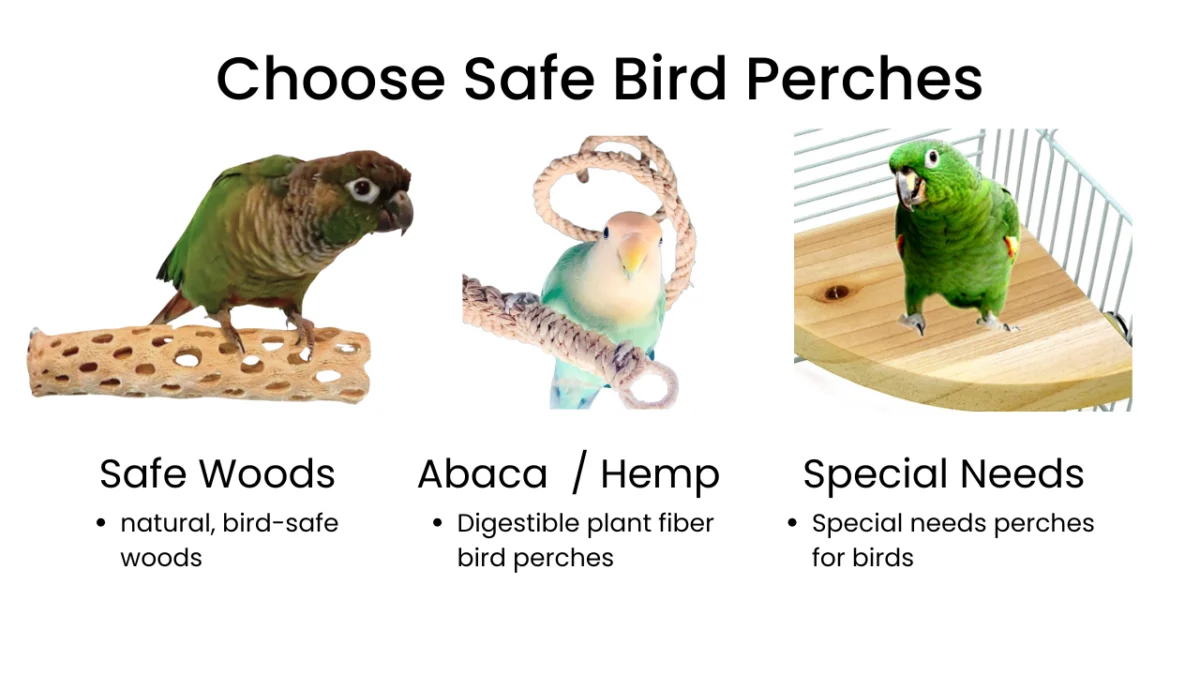
Every avian perch a parrot steps on is paramount to its health and well-being, considering these birds spend nearly every waking moment utilizing them. Therefore, optimal comfort and ergonomic design are not merely optional luxuries but fundamental necessities for captive parrots. The sensation a bird experiences on its perch can be likened to a human transitioning from ill-fitting footwear to ergonomically designed, supportive sneakers; the latter transforms basic locomotion into an effortless experience. For parrots, a meticulously chosen perch provides analogous benefits, fostering healthy joints, strengthening grip, and maintaining agile, robust feet throughout their lives.
This comprehensive guide delves into the insights and recommendations from seasoned bird owners and avian experts, covering crucial aspects such as the safest wood types, appropriate diameters, and strategic placement techniques. These elements are vital in transforming a mundane enclosure into a stimulating and healthful habitat. Understanding the nuances of perch selection is critical, as common misconceptions often lead to suboptimal choices that can detrimentally impact a bird’s health over time.
The Evolution of Avian Habitat Enrichment: A Historical Perspective
The understanding of avian welfare in captivity has undergone significant evolution. Historically, bird cages often featured simplistic, uniform dowel perches, typically made of pine or hardwood. These perches, while functional for resting, offered little in the way of foot exercise or mental stimulation. This rudimentary approach reflected a limited understanding of avian biomechanics and ethology. Over decades, as avian veterinary medicine advanced and the field of animal welfare gained prominence, researchers began to identify the profound impact of environmental enrichment on captive birds. The shift from basic containment to creating stimulating, species-appropriate environments has been driven by scientific studies demonstrating links between enrichment and reduced stress, improved physical health, and a decrease in stereotypic behaviors like feather plucking.
This progression highlights the increasing recognition that a bird’s habitat, particularly its perches, must mimic the natural complexity of its wild environment. In their natural habitats, parrots navigate a diverse array of branches, vines, and substrates, each offering unique textures, diameters, and angles. This constant variation is crucial for maintaining foot health, muscle tone, and proprioception. Modern avian care, therefore, advocates for a multi-faceted approach to perching, moving far beyond the single-dowel paradigm to embrace a rich tapestry of options designed to support a parrot’s holistic health.
The Biological Imperative: Avian Foot Anatomy and Physiology
A perch serves a purpose far beyond a simple resting spot; it is an integral component of a bird’s musculoskeletal health and psychological well-being. The avian foot is a marvel of adaptation, designed for gripping, climbing, and manipulating objects. Parrots, for instance, exhibit zygodactyl feet, meaning two toes point forward and two backward, providing a powerful, vice-like grip essential for arboreal life. This unique structure, combined with a complex network of tendons, muscles, and ligaments, allows them to maintain balance and dexterity.
The constant pressure exerted on a bird’s feet can lead to significant health issues if perches are ill-suited. Improper perches, especially those with uniform diameters or abrasive surfaces, can lead to chronic pressure points. These pressure points restrict blood flow and can cause inflammation, ultimately resulting in a painful and debilitating condition known as pododermatitis, commonly referred to as "bumblefoot." Bumblefoot manifests as sores, calluses, and infections on the plantar surface of the foot, potentially progressing to bone infections if left untreated. Avian veterinarians frequently treat cases of bumblefoot, underscoring the prevalence of inadequate perching environments. A 2018 study published in the Journal of Avian Medicine and Surgery highlighted the significant correlation between inappropriate perch substrates and the incidence of pododermatitis in captive psittacine species, emphasizing the preventative power of varied, species-appropriate perches.
Moreover, varied perch textures and diameters are essential for exercising different foot muscles and tendons, mirroring the natural challenges encountered in the wild. This muscular engagement is crucial for maintaining strength, agility, and preventing atrophy. Without this variation, birds may develop weak feet, compromised grip strength, and an increased susceptibility to injury. The psychological benefits are equally important; the ability to manipulate different surfaces provides mental stimulation, reduces boredom, and supports natural behaviors such as chewing and exploring, which are vital for a parrot’s overall quality of life.
Deciphering Perch Materials: Safety, Texture, and Durability
The material composition of a perch is a critical factor in determining its safety and efficacy. Owners must be vigilant in avoiding perches treated with chemicals, paints, or resins, as these can be toxic if ingested by a curious bird. Only bird-safe, natural materials should be introduced into an aviary.
Natural Wood Perches: The Gold Standard
Natural wood perches are widely considered the superior choice due to their inherent variability in shape, texture, and diameter, which mimics a bird’s natural environment. However, not all wood is created equal.
Safe Wood Species:
- Manzanita: Known for its hard, durable, and naturally twisted shapes, manzanita is an excellent choice for larger parrots. Its smooth yet irregular surface provides varying grip points.
- Java Wood: Harvested from coffee trees, java wood is extremely hard and long-lasting, ideal for heavy chewers. Its gnarled and textured surfaces offer superior foot exercise.
- Dragonwood (Sandblasted Grapevine): Offers unique, intricate shapes and varying diameters, providing excellent grip and visual interest.
- Willow: Soft enough for chewing, yet sturdy.
- Apple & Pear: Fruit woods are generally safe, offering good chewing opportunities.
- Eucalyptus: A hard, durable wood that many birds enjoy. Ensure it is untreated and clean.
- Poplar, Ash, Birch, Maple: These are generally safe options when untreated.
Unsafe Wood Species (and why):

- Cherry, Peach, Plum, Apricot (Stone Fruits): While the wood itself might be safe, the leaves, pits, and bark contain cyanogenic glycosides, which can be toxic. It’s often best to avoid these unless absolutely certain the wood is free of toxic components and has been properly debarked and treated.
- Oak: Contains tannins that can be harmful.
- Redwood & Cedar: Contain aromatic oils (phenols) that can cause respiratory issues and skin irritation in birds.
- Pressure-Treated Wood: Contains chemicals like chromated copper arsenate (CCA) which are highly toxic.
- Chemically Treated/Painted Wood: Any wood that has been stained, painted, or treated with preservatives is unsafe.
When sourcing natural branches, it is crucial to ensure they are free of pesticides, herbicides, and pollutants. Branches collected from personal yards should be thoroughly scrubbed with a bird-safe disinfectant, rinsed, and baked at 250°F (120°C) for an hour to kill any bacteria, fungi, or parasites.
Rope Perches: For Play, Not Sole Support
Rope perches, particularly those made from natural fibers, can offer excellent opportunities for climbing and play. However, they come with significant caveats.
The Cotton Controversy: Cotton rope, while soft, poses several serious risks. Its fibers can easily fray, and if ingested, these strands can accumulate in a bird’s crop or digestive tract, forming an undigestible mass (impaction) that often requires surgical removal and can lead to fatal infections. Furthermore, frayed cotton can entangle a bird’s toes or even neck, leading to injury or strangulation.
Safer Alternatives: Abaca, sisal, or hemp ropes are generally considered safer alternatives. These fibers are stronger, less prone to fraying into ingestible strands, and more durable. Even with these alternatives, diligent monitoring for fraying is essential, and any signs of wear should prompt immediate replacement. Rope perches should never be the sole perching option and are best used as supplementary play perches, rotated regularly, and kept impeccably clean due to their porous nature.
Concrete or Cement Perches: Use with Extreme Caution
While often marketed for beak and nail conditioning, concrete or cement perches are generally not recommended as primary perches. They are hard, cold, and lack the natural give and texture variation essential for foot health. Prolonged contact can contribute to pressure sores, calluses, and even bumblefoot. If used, they should be placed strategically for short periods, perhaps near a food or water dish, and always in conjunction with a wide variety of other, softer perches. They should never be the main sleeping perch.
Plastic and PVC Perches: Limited Utility
Plastic or PVC perches are easy to clean and durable but offer little in terms of foot health benefits. Their uniform diameter and slick surface provide minimal grip variation and can exacerbate pressure points. While useful in quarantine cages for ease of sanitation, they should not be a permanent fixture in a bird’s primary enclosure. If a bird chews on plastic, there’s also a risk of ingesting harmful chemicals or plastic fragments.
Therapeutic Perches: Targeted Solutions
For birds with existing foot conditions or disabilities, specialized therapeutic perches may be recommended by an avian veterinarian. These might include soft, padded perches or those designed to offload pressure from specific areas of the foot. These are typically used under veterinary guidance.
Strategic Perch Placement and Diameter: Crafting an Enriched Environment
The arrangement and dimensions of perches within a cage are as crucial as the materials themselves. A well-designed perching environment encourages natural movement, provides mental stimulation, and caters to a bird’s need for varied vantage points.
Perch Diameter Guidelines
The ideal perch diameter allows a bird to comfortably wrap its toes around the perch, with the tips of its longest toes barely touching or not quite meeting. Critically, each toe joint should be slightly bent, not flat or over-extended. A common mistake is providing perches that are too narrow, forcing the bird’s toes to overlap excessively, or too wide, causing the foot to splay flat.
For instance, a small bird like a Budgerigar or Cockatiel might need perches ranging from 0.5 to 1 inch (1.25 to 2.5 cm) in diameter. A medium-sized parrot like a Conure or African Grey might require 1 to 1.5 inches (2.5 to 3.8 cm), while large parrots such as Macaws or Cockatoos could need perches 1.5 to 3 inches (3.8 to 7.6 cm) or more. The most beneficial approach is to offer a range of diameters within these guidelines, ideally with irregular, natural shapes rather than uniform dowels, to ensure varied muscle engagement.
Strategic Placement Principles
Thoughtful placement of perches can transform a cage into an interactive "gym."
- Variety of Heights: Place perches at different heights to encourage climbing and provide various vantage points. Birds naturally enjoy perching at the highest point, so ensure a comfortable and safe high perch for resting.
- Accessibility to Food and Water: At least one perch should be positioned comfortably near food and water dishes, allowing easy access without strain.
- Encourage Movement: Arrange perches so that the bird must stretch, climb, or even fly short distances to move between them. Avoid placing all perches at the same level or too close together, which discourages activity.
- Avoid Dropping Zones: Do not place perches directly above food or water dishes, or other perches, to prevent contamination from droppings.
- Window Perches: If the cage is near a window, a perch that offers a good view can provide mental stimulation, allowing the bird to observe outdoor activity.
- Sleep Perch: Provide a comfortable, sturdy perch in a quiet, undisturbed area of the cage for sleeping. This perch should be of a comfortable diameter and ideally not directly under another perch to avoid nocturnal droppings.
- Different Textures: Integrate perches of varying textures – smooth wood, slightly rougher wood, perhaps a sisal rope perch – to provide tactile stimulation and foot conditioning.
Rotating perch types and their positions regularly can prevent boredom, maintain foot health, and encourage exploration and play. This dynamic environment mimics the ever-changing landscape a wild bird would encounter, fostering greater physical and psychological well-being.

Hygiene and Maintenance: Essential for Long-Term Health
Maintaining impeccable hygiene is non-negotiable for avian perches. Birds spend a significant portion of their day on these surfaces, often wiping their beaks or defecating on them, making perches prime locations for bacterial accumulation.
Routine Cleaning Protocols
- Frequency: Perches should be cleaned weekly, or more frequently if visibly soiled.
- Method:
- Natural Wood: Scrub thoroughly with a stiff brush and bird-safe disinfectant (e.g., dilute chlorhexidine solution or veterinarian-approved cage cleaner). Rinse completely to remove all traces of cleaner. Allow to air dry thoroughly in the sun or bake at a low temperature (e.g., 200°F/93°C for 30-60 minutes) to ensure complete dryness and kill any lingering pathogens.
- Rope Perches: These are notoriously difficult to keep truly clean due to their porous nature. They should be spot-cleaned daily for droppings and machine-washed (if durable enough) or hand-scrubbed weekly with bird-safe detergent. Complete drying is essential to prevent mold and mildew. Given the cleaning challenges, rope perches often need more frequent replacement than wood.
- Plastic/PVC Perches: Easy to clean with soap and water or a bird-safe disinfectant.
- Cement/Mineral Perches: Scrub with a brush and water. Avoid harsh chemicals as porous surfaces can absorb them.
Inspection for Wear and Tear
Regular inspection of all perches is crucial. Look for:
- Fraying: Especially on rope perches, which can lead to entanglement or ingestion.
- Splintering or Cracks: Wood perches can splinter, posing a risk of injury to a bird’s feet.
- Loose Hardware: Ensure all attachments are secure and free of rust or sharp edges.
- Excessive Chewing: While chewing is natural, if a perch is severely chewed to the point of structural compromise or sharp points, it should be replaced.
Prompt replacement of worn or damaged perches is vital to prevent injuries and maintain a safe, hygienic environment.
Securing Your Perches: Preventing Accidents and Ensuring Stability
The stability of a perch is paramount for a bird’s safety and confidence. A wobbly or poorly secured perch can lead to falls, causing injury or instilling fear and reluctance to use certain areas of the cage.
Hardware Safety
- Firm Anchoring: Always test that a perch is firmly anchored to the cage bars and does not wobble or rotate excessively.
- Non-Toxic Materials: Ensure all metal hardware (screws, washers, wing nuts) is made from bird-safe materials, such as stainless steel, to prevent zinc or lead poisoning if a bird pecks or licks them. Avoid exposed threading or sharp edges that could injure a bird’s feet or beak.
- Proper Fit: Hardware should fit snugly, preventing the perch from shifting.
DIY vs. Commercial Perches
- DIY Branches: Sourcing natural branches from outside can be a cost-effective and enriching option. However, as noted, it requires stringent safety checks: confirming the wood species is non-toxic, ensuring it’s free of pesticides, and thoroughly cleaning and sanitizing it. While rewarding, this option demands a higher level of owner responsibility and knowledge.
- Commercial Perches: Reputable bird supply stores offer a wide array of commercial perches that are often designed with consistent diameters, durability, and safety in mind. These typically come with bird-safe hardware and are made from proven safe materials. While potentially more expensive, they can offer peace of mind regarding safety and quality when purchased from trusted brands.
Prioritizing stability and safety in perch installation not only prevents physical injuries but also fosters a sense of security for the bird, encouraging confident exploration and use of its entire habitat.
The Intersection of Research and Practice: Informing Perch Choices
Modern avian research continually refines our understanding of parrot welfare, with a significant focus on environmental enrichment. Studies have demonstrated that birds actively adjust their grip, foot pressure, and body posture in response to different perch characteristics. This dynamic interaction is crucial for stimulating neurological pathways and maintaining muscle memory, akin to how varied terrain benefits human locomotion.
Research published in various avian veterinary journals frequently underscores the positive correlation between perch diversity and reduced incidence of behavioral problems such as feather destructive behavior, excessive vocalization, and aggression. These behaviors are often linked to boredom, stress, or inadequate physical outlets, all of which can be mitigated by a stimulating environment featuring a range of perches. Leading organizations like the Association of Avian Veterinarians (AAV) and institutions involved in avian research at events like ExoticsCon consistently advocate for complex, varied perching arrangements as a cornerstone of preventive health care. Avian behaviorists, such as Diane Burroughs, LCSW, whose expertise spans over three decades, leverage these research findings to develop practical guidelines and products that enhance the human-parrot bond through improved welfare. Her work, often featured in professional veterinary circles, exemplifies the application of scientific understanding to everyday bird care.
Implications for Responsible Parrot Ownership
The conscientious selection and maintenance of avian perches extend far beyond mere cage accessorizing; it is a fundamental aspect of responsible parrot ownership with profound implications for a bird’s long-term health, quality of life, and the prevention of costly veterinary interventions.
- Enhanced Longevity and Quality of Life: By providing an environment that supports natural foot mechanics and offers mental stimulation, owners contribute directly to their bird’s physical health, reducing the risk of debilitating conditions like bumblefoot and arthritis. A healthy, active bird is a happy bird, less prone to stress-related behavioral issues.
- Reduced Veterinary Costs: Proactive perch management can significantly decrease the likelihood of foot injuries, infections, and chronic pain, thereby minimizing the need for expensive veterinary treatments, medications, and potential surgeries.
- Ethical Considerations: Providing an enriched environment is an ethical imperative for pet owners. It reflects a commitment to meeting the complex biological and psychological needs of these intelligent and sensitive animals.
- Role of Breeders and Retailers: Responsible breeders and retailers play a crucial role in educating prospective bird owners about the importance of proper perching and overall environmental enrichment from the outset. Providing comprehensive care guides and offering a selection of appropriate perches can set new owners up for success.
In conclusion, a perch is not merely a utilitarian resting spot but a vital tool for fostering a parrot’s overall wellness. By understanding the intricate relationship between perch characteristics and avian physiology, and by applying expert-recommended guidelines, parrot owners can create an enriching, safe, and health-promoting habitat that allows their beloved companions to thrive for years to come.
Diane Burroughs, LCSW, brings 30+ years helping bird lovers build stronger bonds with their parrots. Through her books, behavior consultations, and UnRuffledRx parrot wellness products, she’s dedicated to helping birds thrive. Featured in the Journal of Avian Medicine and Surgery and ExoticsCon, Diane’s products are trusted by avian vets nationwide.
TAGS: #BirdProof #BirdCare #ParrotWellness

