


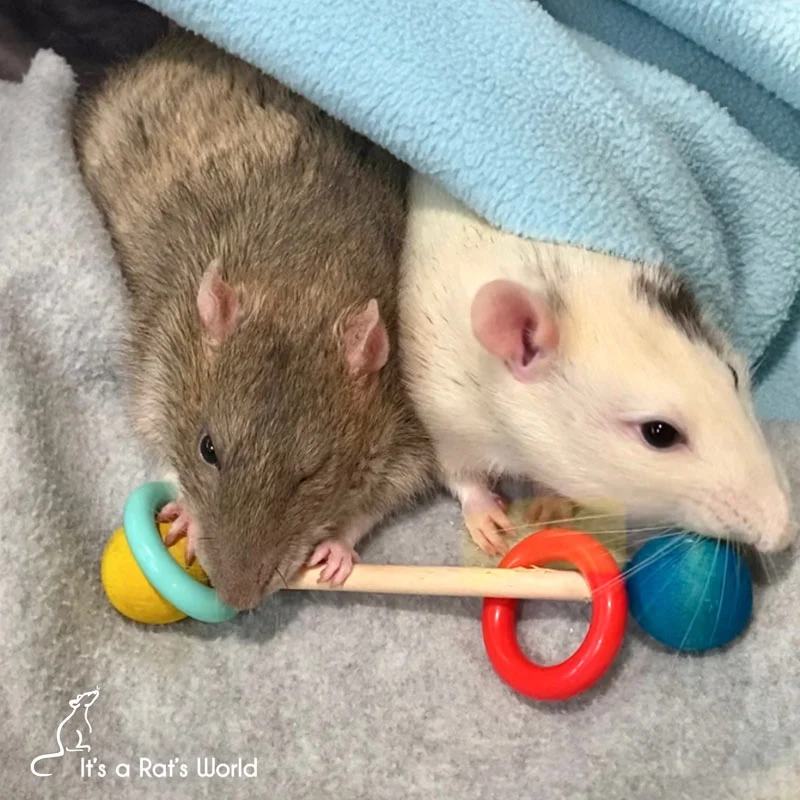
The perception of exercise has evolved significantly from its earlier focus on aesthetics to a widely recognized necessity for both physical and mental health. This paradigm shift in understanding applies not only to humans but also to our animal companions, including pet rats. Ensuring adequate physical activity for rats is crucial for their overall well-being, preventing a range of health issues and enhancing their quality of life. This article delves into the multifaceted benefits of exercise for rats, practical methods for incorporating it into their daily routines, and the underlying reasons why it is indispensable for these intelligent and social creatures.
The Compelling Case for Rat Exercise
Regular physical activity is foundational for a rat’s healthy bodily functions, equipping them to better fight off diseases and maintain optimal physiological balance. A significant concern for pet rats is obesity, which can arise from an imbalance between caloric intake and energy expenditure. Excess weight places undue stress on a rat’s musculoskeletal system, potentially leading to debilitating conditions such as hind leg degeneration, cardiac problems, the development of diabetes, and the formation of lipomas (fatty tumors). Studies on rodent models have consistently demonstrated a correlation between sedentary lifestyles and increased susceptibility to metabolic disorders and chronic diseases, underscoring the importance of an active regimen.
The implications of excess weight extend beyond physical ailments. A rat that is overweight may experience reduced mobility, which can further exacerbate a sedentary lifestyle, creating a detrimental cycle. This is why proactive management of a rat’s weight through diet and exercise is paramount. Owners concerned about their rat’s weight can consult resources that provide guidance on assessing body condition and understanding the factors that contribute to weight gain, including dietary habits and food choices.
Beyond the physical benefits, exercise plays a critical role in a rat’s mental health. Inadequate physical activity can lead to boredom, frustration, and the development of undesirable behavioral issues. Rats are naturally curious and intelligent animals that thrive on stimulation. When confined to their living space for extended periods without sufficient outlets for their energy and exploratory instincts, they can become stressed and exhibit behaviors such as excessive grooming, chewing on cage bars, or lethargy. This is particularly relevant given that pet rats spend the majority of their lives within the confines of a cage. Providing opportunities for them to engage their minds and bodies is therefore essential for preventing psychological distress.

It is important to note that this discussion pertains to healthy rats without pre-existing mobility impairments due to conditions such as hind leg degeneration, illness, or injury. For rats facing such challenges, a veterinarian should be consulted to develop tailored exercise plans that accommodate their specific needs and limitations, ensuring their safety and comfort.
Facilitating Activity: Beyond the Gym Analogy
Domesticated rats, unlike their wild counterparts, often exhibit a more sedentary disposition and rely on their owners to facilitate opportunities for activity. The concept of "exercise" for rats does not mirror human fitness routines. They do not require treadmills, weightlifting, or aerobics classes. In fact, rats do not even possess sweat glands, meaning their thermoregulation and physical exertion manifest differently than in humans. The core requirement is to provide daily opportunities and motivation for them to move their bodies and engage in exploration and play, moving away from passive states like resting in hammocks.
This can be achieved through a variety of engaging activities. Encouraging exploration of new environments, providing stimulating toys, utilizing activity puzzles, setting up simple agility courses, and even employing clever training methods can all contribute to a rat’s physical and mental stimulation. The key is to make these activities enjoyable and intrinsically rewarding for the rat.
Enhancing Activity Within the Cage Environment
To combat the natural tendency towards inactivity, especially as rats age, owners must provide more than just comfortable bedding and basic cage accessories. While multi-level cage structures offer vertical space for exploration, they are insufficient on their own to guarantee consistent activity. The introduction of specific items that promote movement is essential.
Exercise Wheels: A Double-Edged Sword
Exercise wheels can be a valuable addition to a rat’s environment, but their effectiveness can vary. Some rats enthusiastically utilize wheels for running, while others may repurpose them for sleeping. When selecting a wheel, safety and appropriate sizing are paramount. The wheel should be large enough to allow an adult rat to run with a straight back, typically an extra-large size. The running surface should be solid, free of bars or gaps where a tail or foot could become entrapped. Secure attachment to the cage or a stable stand is crucial to prevent any hazardous spaces between the wheel and the cage bars where a rat’s head or body could get stuck. Introducing a wheel to young rats is often more successful, as older rats, particularly males, may develop a preference for resting over exercising.
The Wodent Wheel and the Silent Spinner are frequently recommended brands due to their safety features and durability. However, it is advisable for owners to research current market offerings to find the most suitable and safest options available. Early introduction is key, as it helps rats associate the wheel with exercise rather than a comfortable resting spot.
Interactive and Stimulating Cage Decor
Many owners enhance their rats’ cages with interactive elements that promote engagement and activity. This often involves a combination of commercially available pet enrichment items and repurposed everyday objects. These items can be transformed into climbing structures, bridges, tunnels, and dig boxes, offering varied sensory experiences and encouraging physical movement.
For instance, a wooden bird perch can be adapted to hold a toilet paper roll, allowing rats to engage in "redecorating" by shredding the paper. Modifying cage ramps to require more effort for navigation can also encourage more active movement. These modifications should be tailored to the rats’ age and mobility levels, with special considerations for senior rats or those with health concerns.
Promoting Activity Outside the Cage
A change of environment can be a powerful motivator for rats to become more active. Their innate curiosity and drive to explore new spaces and interact with novel objects provide a strong impetus for movement and engagement.
The Benefits of Free-Ranging
The opportunity for rats to roam freely outside their cage is highly beneficial, even for rats that might otherwise be considered less active. This does not necessitate granting them unrestricted access to the entire home. Instead, owners can designate specific times and a rat-proofed room for supervised free-ranging. During these sessions, providing items that encourage continuous activity is important.

Historically, bathrooms have served as popular free-ranging areas due to their enclosed nature and the availability of items that can be incorporated into a stimulating environment. The inclusion of igloos, tunnels, cardboard boxes, and other structures that rats can climb on or explore can significantly enhance their activity levels. Owners can also actively participate by serving as a "human jungle gym," allowing their rats to climb and interact with them.
A particularly amusing and surprisingly effective activity observed in rats is "TPing the bathroom," where they engage with toilet paper rolls. This involves rats using their teeth to pull paper from the holder and then sliding down, leading to a flurry of activity as they shred and redistribute the paper. This activity not only provides a significant amount of exercise but also encourages problem-solving and cooperative behavior among the rats. Recognizing the inherent entertainment and physical benefits, owners may even choose to provide extra toilet paper rolls for this purpose.
For a comprehensive understanding of safe free-ranging practices, owners are encouraged to consult detailed guides that outline the pros and cons and essential safety precautions.
Playpens and Designated Play Areas
Dedicated playpens or play areas serve as a safe and contained space for rats to expend energy, analogous to recess for children. These can be either commercially available structures or custom-built enclosures. While store-bought playpens can be useful, rats are known for their ingenuity in finding ways to escape, so owners must ensure the chosen enclosure is secure and appropriately sized.
To maximize the exercise potential of a play area, it should be equipped with a variety of stimulating items. Puzzle toys designed for pets, dig boxes filled with safe substrate, and items that encourage climbing and exploration, such as tunnels and ramps, are highly effective. Even simple household items, like a small trash can filled with shredded paper or cardboard, can provide hours of entertainment and activity as rats empty and stash the contents.

Maintaining rats’ interest in these play areas involves regularly rotating the available toys and enrichment items. Introducing a selection of items and then rotating them weekly or bi-weekly prevents monotony and keeps the experience novel and engaging.
Owners can also design play areas that double as "rat gyms." For example, a structure built from storage containers connected by plastic piping can incorporate thinner pipes as balance beams and larger pipes as tunnels, creating a complex and challenging environment for rats to navigate.
Engaging with Toys
Direct interaction with rats using safe pet toys can also be a source of exercise. Rolling cat toys can be used to encourage chasing, and wand-style toys with feathers or other dangling objects can be highly engaging for rats, mimicking prey-capture behaviors and promoting quick reflexes and movement.
Constructing Agility Courses
For owners seeking a more ambitious approach, setting up an agility course can provide a significant challenge and a substantial amount of exercise for their rats. These courses can be inspired by examples found online and often involve a series of obstacles that rats must navigate, such as tunnels, jumps, and balance beams. Such activities not only promote physical fitness but also serve as an excellent method for teaching rats new tricks and commands, fostering a stronger bond between rat and owner.
The Art of "Tricking" Rats into Exercise Through Food
As rats mature, their activity levels tend to decrease, with male rats, in particular, often becoming more sedentary, especially if neutered. This natural inclination towards rest can be counteracted by strategically using food as a motivator for exercise.

Making Them Work for Their Meals
The way food is presented can significantly influence a rat’s activity level. Instead of placing food in a standard dish on the cage floor, owners can utilize specialized food crocks, foraging wheels, or treat dispensers. These methods require rats to exert more effort to access their food. For example, attaching a food bowl to the side of the cage a few inches from the floor necessitates that the rat stand and stretch to eat. Foraging wheels and treat dispensers add an extra layer of complexity, requiring time and effort to extract the food.
The Popularity of Pea Fishing
A simple yet highly effective activity that encourages exercise is "pea fishing." This involves placing frozen peas in a shallow, heavy food container filled with water. Rats exhibit an almost innate fascination with "fishing" for peas, enthusiastically reaching into the water to retrieve their treats. If multiple rats are engaged in this activity simultaneously, the competition for peas can lead to increased physical exertion as they jostle and work to secure their prize. This activity is not only physically beneficial but also mentally stimulating, providing a fun and engaging way for rats to expend energy.
Understanding Individual Differences in Exercise Needs
It is a common misconception that a fat rat is necessarily one that receives little to no exercise. Personal observations and anecdotal evidence suggest that some rats can be genetically predisposed to carrying more weight, even with ample opportunities for activity and a carefully managed diet. In such cases, genetics may play a significant role in their body composition.
However, if a rat exhibits significant weight issues, it is crucial to consult a veterinarian. A veterinarian can conduct a thorough assessment to determine if the weight gain is attributable to a health condition, a dietary imbalance, or if a more structured and tailored exercise regimen is required.
In our busy lives, consistently meeting our pet rats’ daily exercise needs can be challenging. However, by incorporating a variety of engaging activities both within and outside the cage, and by employing creative strategies such as food-based motivation, owners can significantly contribute to their rats’ physical health, mental well-being, and overall longevity. The commitment to providing adequate exercise is a testament to the deep bond between owners and their beloved rat companions, ensuring they lead happy, healthy, and fulfilling lives.

