


Budgie parakeets, known for their vibrant personalities and delicate stature, require a meticulously balanced and varied diet to thrive. While commercial budgie foods form the cornerstone of their nutrition, many common household items can serve as beneficial supplements or occasional treats, provided owners are fully aware of which items are safe and which pose significant health risks. This guide delves into the dietary landscape for budgies, outlining safe human-grade foods that can enrich their diet and critically identifying substances that must be strictly avoided.
The Foundation of Budgie Nutrition: Beyond Seeds
For too long, the common perception of a budgie’s diet revolved solely around seed mixes. However, avian veterinarians and pet care experts universally advocate for a diet primarily composed of high-quality pellets (60-70%), supplemented with a diverse array of fresh vegetables (20-25%), a small amount of fruit (5-10%), and occasional healthy treats. This approach mirrors the varied foraging behaviors of wild budgies in their native Australian habitats, where they consume a wide range of grass seeds, native plants, and even small insects, ensuring a broad spectrum of nutrients. A monotonous seed-only diet often leads to nutritional deficiencies, obesity, and related health complications such as fatty liver disease. Introducing safe household foods can significantly enhance dietary enrichment, stimulate natural foraging instincts, and provide essential vitamins, minerals, and proteins often lacking in commercial seed mixes.
Enriching the Budgie’s Bowl: Safe Household Staples
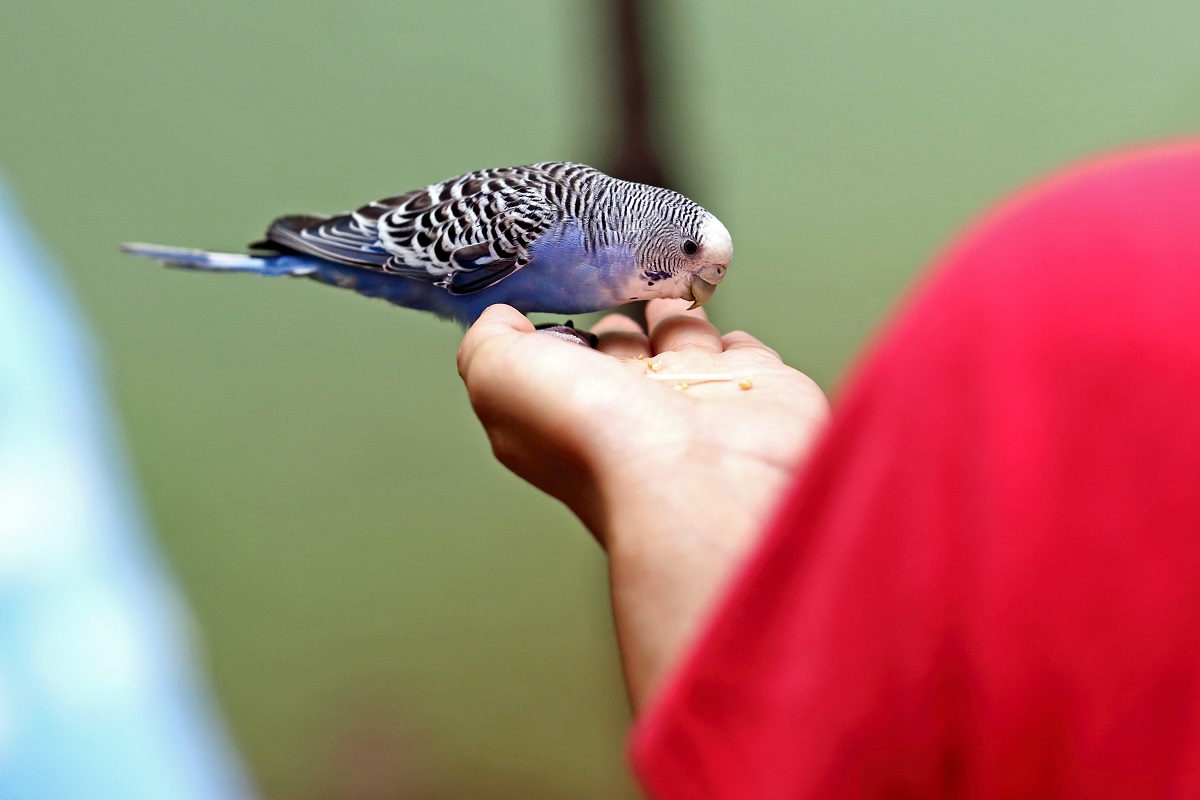
Many items found in the typical kitchen pantry or refrigerator can be safely offered to budgies, diversifying their diet and providing mental stimulation. The key lies in offering these items in moderation, ensuring they are plain, unsalted, unsweetened, and free of any additives or artificial ingredients.
Grains and Cereals: Wholesome Carbohydrates
- Bread: While not a top recommendation, plain, whole-wheat bread can be offered in very small, infrequent amounts. The crucial caveat is to avoid white bread, brioche, or any varieties laden with sugar, excessive salt, or unhealthy fats. The benefit is minimal, primarily serving as a novel texture.
- Rolled Oats/Steel-Cut Oats: An excellent source of complex carbohydrates and fiber, plain rolled or steel-cut oats are highly beneficial. They can be offered dry, soaked in water, or even prepared as a simple oatmeal with unsweetened almond milk (though the stickiness might require extra cleaning). Oats contribute to digestive health and provide sustained energy.
- Quinoa: This ancient grain, a complete protein, is a powerhouse of nutrition for budgies. Both cooked and uncooked forms of white, red, or black quinoa are safe. It offers a rich array of micronutrients, making it a superior choice among grains for regular inclusion in their diet.
- Pasta: Plain, cooked, unsalted pasta, especially whole-wheat varieties, can be a fun and safe treat. Dry pasta can also be used as an edible toy, encouraging natural chewing and beak conditioning. Avoid any sauces or seasonings.
- Popcorn: Air-popped, plain, and unsalted popcorn is a delightful and safe treat. It offers a crunchy texture that many budgies enjoy and can also be incorporated into homemade foraging toys. Commercial microwave popcorn or heavily buttered/salted varieties are strictly off-limits due to high fat, salt, and additive content.
- Cheerios (Plain): In very small quantities and infrequently, a plain, unsweetened Cheerio can be offered. While generally low in sugar and salt compared to other cereals, it should not be a regular dietary component. It’s primarily whole-grain oats and corn starch, but careful monitoring of ingredients is always advised.
Seeds: Nature’s Nutritional Powerhouses (with caveats)
- Sunflower Seeds: A favorite among many birds, sunflower seeds are safe but should be given sparingly due to their high fat content. They are excellent as training treats. Crucially, they must be unsalted. Avoid seed mixes that feature sunflower seeds prominently, as this can lead to an unbalanced, high-fat diet.
- Pumpkin Seeds: Similar to sunflower seeds, plain, unsalted pumpkin seeds are safe but high in fat. Offer them in moderation, and you may need to crack them for your budgie due to their larger size and harder shell.
- Chia Seeds: These tiny seeds are packed with Omega-3 fatty acids, fiber, and antioxidants, making them a highly nutritious addition. They can be sprinkled dry (about 1/4 teaspoon) onto a budgie’s food or offered as a water-soaked pudding.
- Hemp Seeds: Another excellent source of Omega-3s, hemp seeds are often found in high-quality bird seed mixes. Ensure they are human-grade and free of any psychoactive components. They offer a beneficial fatty acid profile.
Nuts: Healthy Fats in Moderation
- Cashews, Almonds, Pine Nuts: These nuts are safe for budgies in very small quantities, provided they are raw or roasted and completely unsalted. Due to their high fat content, a quarter of a single nut, finely chopped, is sufficient as an occasional treat. Sprouting raw nuts can further enhance their nutritional value and digestibility.
- Peanuts: Historically, peanuts have been a subject of concern due to the risk of Aspergillus mold, which produces harmful aflatoxins. However, high-quality, human-grade, unsalted peanuts, stored properly, are generally considered safe in small amounts. Offering them in the shell can also provide a foraging opportunity.
Proteins: Essential Building Blocks
- Boiled Eggs: A fantastic source of protein, calcium, and other essential nutrients, boiled eggs are particularly beneficial for laying hens or birds recovering from illness. They can be offered plain, scrambled (without oil or salt), or hard-boiled and crumbled.
- Cooked Chicken: Lean, plain, cooked chicken breast or thigh, unseasoned and without oil, can be offered in very small pieces. While budgies generally don’t require significant meat protein, it can be a nutritious supplement, especially for birds with higher protein needs.
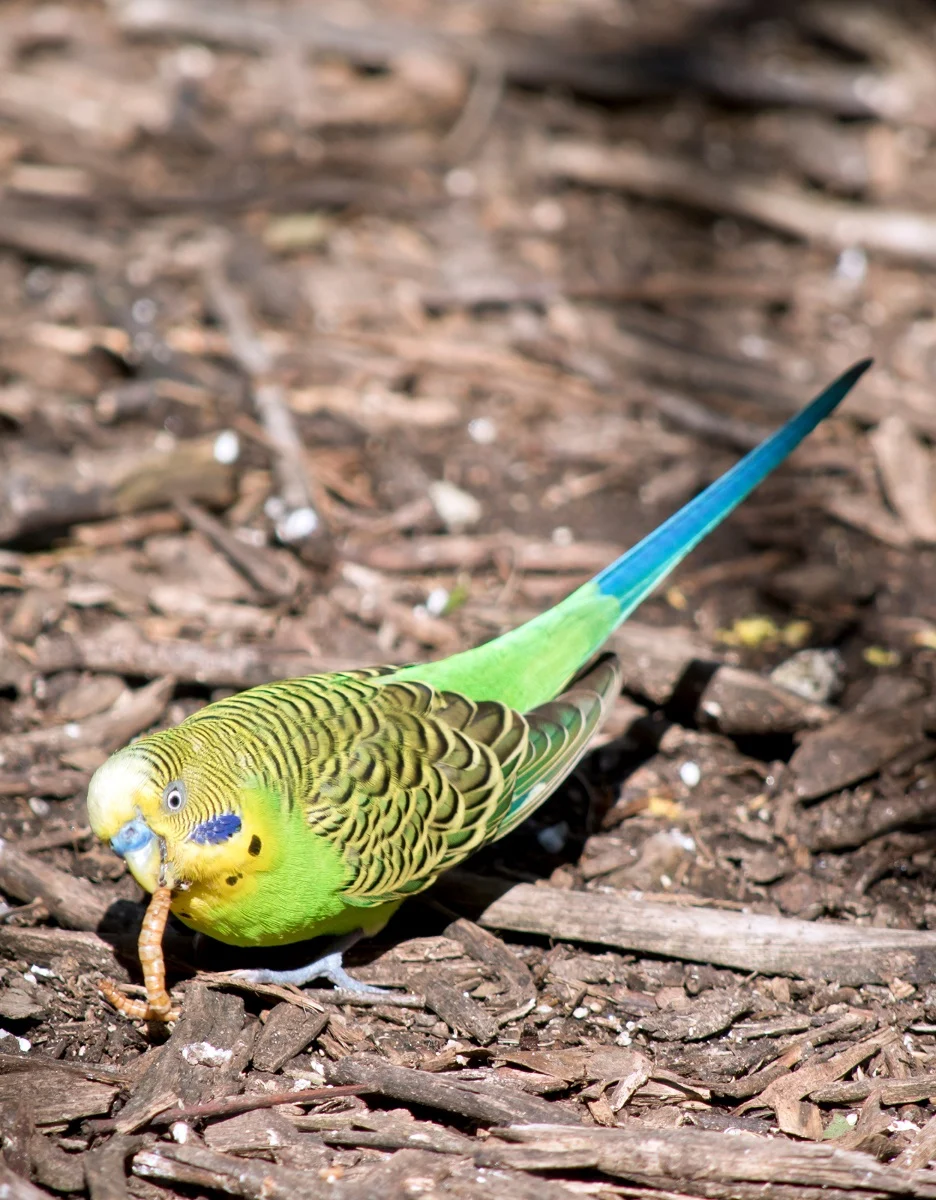
- Mealworms: For a more natural protein source, especially mimicking the wild budgie diet, occasional mealworms (live or dried) can be offered. This also provides an engaging foraging experience.
Other Beneficial Items:
- Natural Peanut Butter: If made solely from peanuts and a tiny pinch of salt (or no salt), natural peanut butter can be used sparingly. Its high fat content dictates extreme moderation. It can be a useful tool for introducing new toys or foods by smearing a tiny dollop on them.
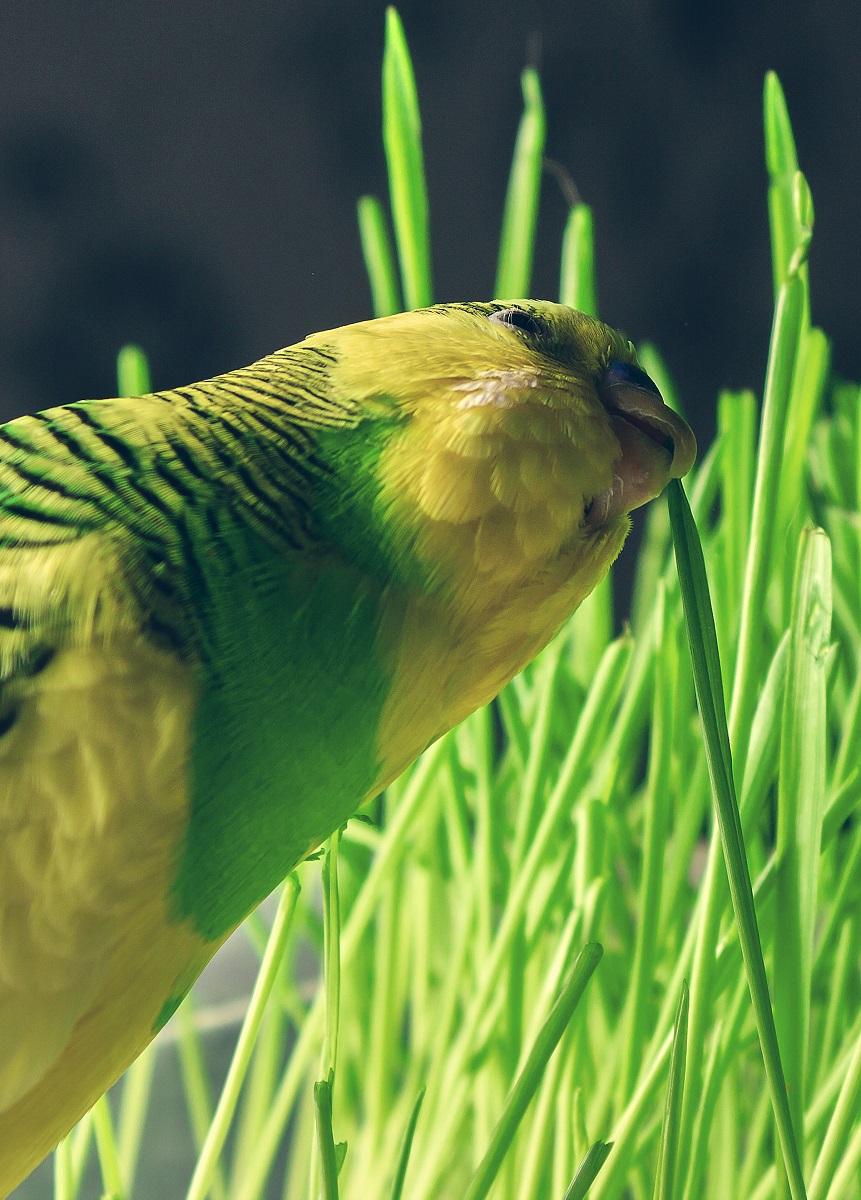
- Wheatgrass: Both wheatgrass seeds and sprouted wheatgrass are highly nutritious. Sprouting wheatgrass at home and offering it through mesh provides both sustenance and a valuable form of enrichment, as budgies enjoy demolishing the fresh greenery. Avoid offering it directly from soil, which may contain harmful additives or pathogens.
- Dried Fruit (Unsweetened): Unsweetened, preservative-free dried fruits can be offered in very small pieces. However, the natural sugars become highly concentrated during dehydration, so moderation is key. Candied fruits or those with added sugars should be avoided.
Critical Foods to Avoid: Safeguarding Your Budgie’s Health
While the list of safe foods is extensive, it is equally, if not more, important to be aware of the foods that are toxic or highly detrimental to budgie health. Ingesting even small amounts of these substances can lead to severe illness or be fatal.
Explicitly Toxic Substances:
- Avocado: This is one of the most well-known toxic foods for parrots. Avocado contains Persin, a fungicidal toxin that can cause cardiac distress, fluid accumulation around the heart and lungs, weakness, and sudden death in budgies and other birds. Due to their small size, budgies are particularly sensitive. Immediate veterinary attention is required if ingestion is suspected.
- Chocolate: Containing both theobromine and caffeine, chocolate is highly toxic to budgies. These compounds act as stimulants and can cause hyperactivity, tremors, seizures, heart arrhythmias, and even death. The darker the chocolate, the higher the concentration of these toxins.
- Honey: While seemingly natural, honey (and corn syrup) can contain Clostridium botulinum spores, which produce botulism toxins. These toxins can be deadly to budgies, similar to the caution advised for infants. Furthermore, honey is excessively sugary and offers no nutritional benefit to birds.
- Alcohol: Any form of alcohol is extremely toxic and can cause liver damage, neurological issues, and death.
- Caffeine: Found in coffee, tea, and some soft drinks, caffeine is a stimulant that can lead to cardiac arrest and hyperactivity in birds. Herbal teas (tisanes) made from safe herbs like chamomile are generally acceptable if unsweetened.
- Onions and Garlic: These allium vegetables contain sulfur compounds that can cause hemolytic anemia in birds, damaging red blood cells.
- Apple Seeds: Apple seeds contain cyanide compounds and should always be removed before offering apple flesh to a budgie.
- Xylitol: This artificial sweetener, found in many sugar-free products (gum, candies, some peanut butter), is highly toxic to many animals, including birds, causing rapid drops in blood sugar and liver failure.
Highly Unsuitable Processed Foods:
- Chips (Potato/Corn): These snacks are laden with excessive salt, unhealthy fats, artificial flavorings, and preservatives. Such ingredients can lead to kidney disease, cardiovascular problems, and obesity in budgies.
- Ice Cream and Dairy Products: Budgies, like most birds, are lactose intolerant. Ingesting dairy can cause digestive upset, diarrhea, and discomfort. Beyond lactose, ice cream is also high in sugar and unhealthy fats.
- Cheese: While some parrot owners might offer small amounts of hard cheese due to lower lactose levels, it is generally not recommended. Cheese is high in fat and salt, which are detrimental to a budgie’s health. Soft cheeses are particularly problematic due to higher lactose content.
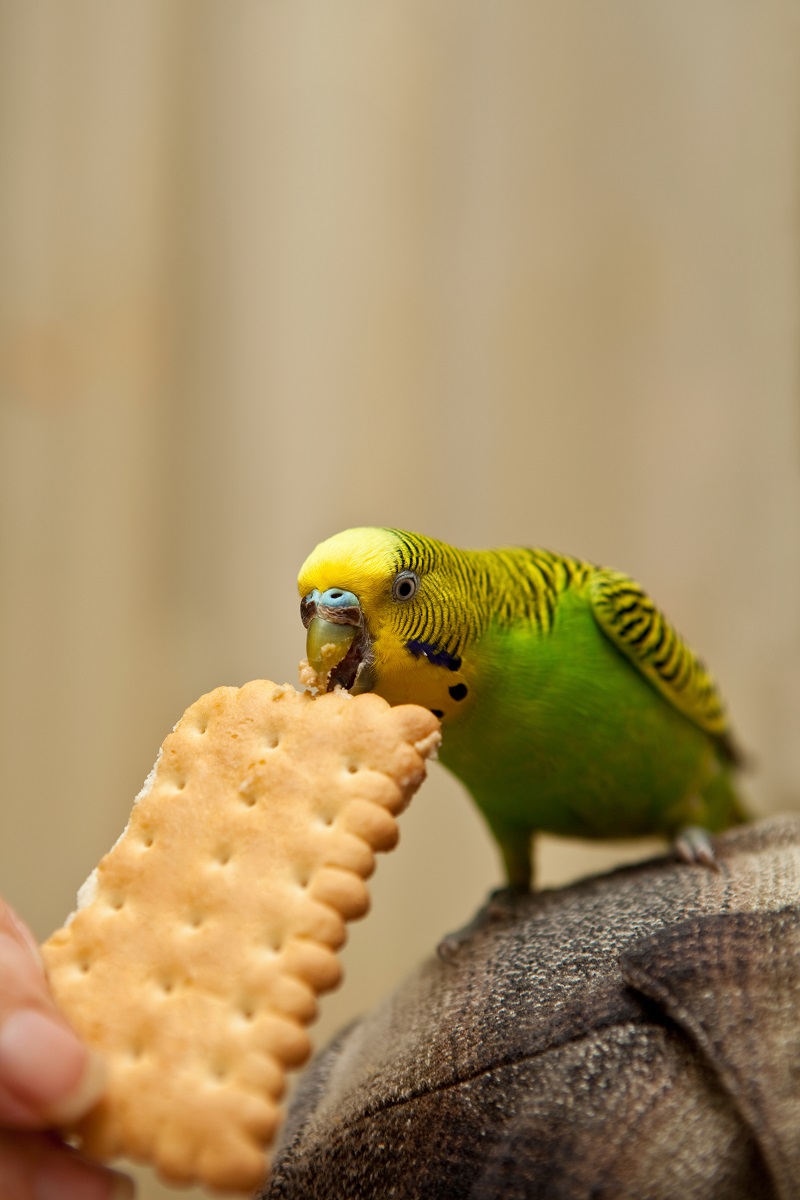
- Crackers and Biscuits (Cookies): Most commercial crackers and biscuits are made with refined flours, unhealthy vegetable oils, high amounts of salt, sugar, and preservatives. These offer no nutritional value and pose significant health risks. A few crumbs might not be fatal, but regular consumption is strongly discouraged.
- Anything Highly Processed: As a general rule, if it’s a packaged human snack food (pizza, candy, fried foods, sugary drinks), it’s unsafe for your budgie. The combination of salt, sugar, fat, and artificial ingredients is toxic to their delicate systems.
Emergency Dietary Planning and Best Practices
In instances where regular budgie food runs out, knowing safe household alternatives can be critical. A temporary emergency meal can be created by mixing suitable vegetables (e.g., finely chopped bell peppers, carrots, leafy greens), a small amount of fruit (e.g., apple without seeds, berries), and healthy grains like cooked oats, quinoa, or pasta. Adding a pinch of chia or hemp seeds and a tiny amount of chopped, plain nuts can provide a more complete nutritional profile for a short period.
Beyond specific food items, general best practices for budgie feeding include:
- Fresh Water: Always provide clean, fresh water daily.
- Portion Control: Offer treats in very small quantities to avoid overfeeding and ensure the primary diet remains balanced.
- Hygiene: Remove uneaten fresh foods within a few hours to prevent spoilage and bacterial growth.
- Observation: Always introduce new foods gradually and observe your budgie for any signs of digestive upset or allergic reactions.
- Veterinary Consultation: If you suspect your budgie has ingested a toxic substance or is exhibiting unusual symptoms related to diet, contact an avian veterinarian immediately.
Conclusion: A Balanced Approach to Budgie Nutrition
The health and longevity of a budgie are inextricably linked to its diet. While the convenience of household foods can be tempting, a diligent and informed approach is paramount. By understanding the specific nutritional needs of budgies, identifying safe and beneficial human-grade foods, and strictly avoiding toxic substances, owners can provide a varied, enriching, and ultimately healthier diet for their cherished feathered companions. A well-nourished budgie is a happy and active budgie, capable of bringing years of joy and companionship.

