


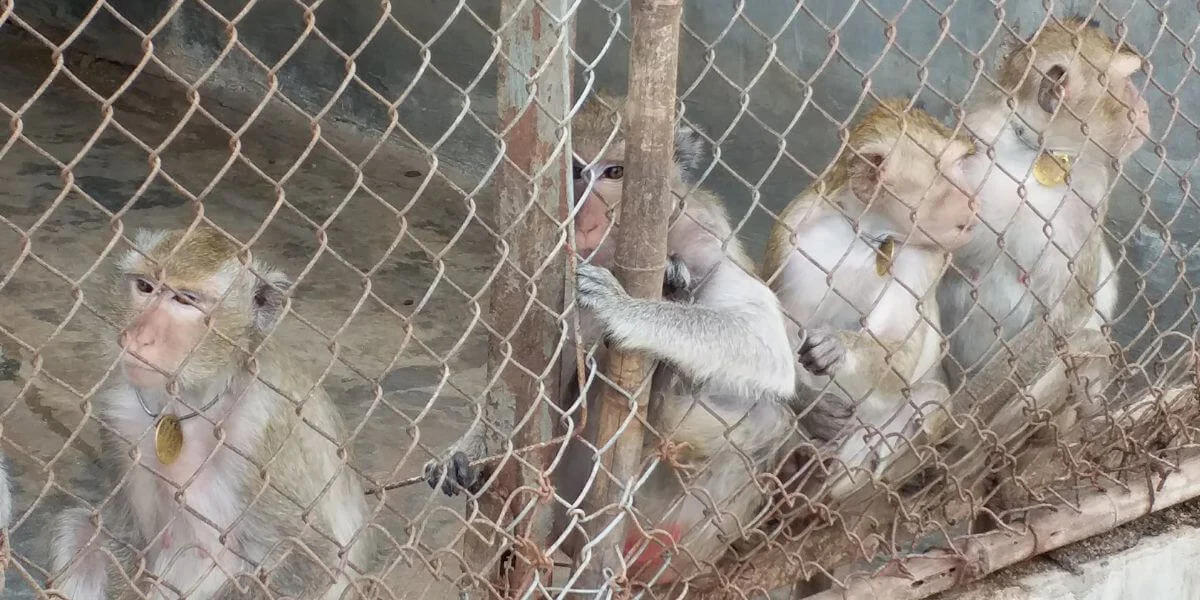
A comprehensive investigation released on May 20, 2026, by People for the Ethical Treatment of Animals (PETA) has uncovered evidence that Shigella, a highly contagious and increasingly drug-resistant pathogen, is circulating extensively within the United States primate experimentation industry. The report, which synthesizes years of veterinary records, internal institutional documents, and scientific publications, suggests that the prevalence of this pathogen among captive monkeys is frequently underreported to federal authorities. Because humans and non-human primates are the only natural hosts for Shigella, the findings have sparked significant concern regarding the potential for zoonotic transmission and the broader implications for national public health.
The report arrives at a critical juncture for the U.S. biomedical research sector, which currently maintains a population of more than 100,000 monkeys across various laboratories, breeding facilities, universities, and commercial holding centers. As these animals are transported across state lines and through international ports of entry, they create a mobile reservoir for pathogens that can easily jump to human handlers, transport workers, and the general public.
The Pathogen Profile: Shigella and Antimicrobial Resistance
Shigella is a genus of Gram-negative bacteria that causes shigellosis, an intestinal infection characterized by severe, often bloody diarrhea (dysentery), abdominal cramps, fever, and nausea. While often associated with contaminated food and water in developing regions, the pathogen is increasingly identified in industrial and laboratory settings where high densities of hosts facilitate rapid transmission via the fecal-oral route.
Of particular concern to health officials is the rise of extensively drug-resistant (XDR) Shigella strains. According to the PETA report, the primate experimentation industry has inadvertently created a "perfect storm" for the development of antimicrobial resistance (AMR). In many primate facilities, antibiotics are administered prophylactically—meaning they are given to healthy animals to prevent potential outbreaks in crowded conditions—rather than as a targeted treatment for diagnosed illnesses. This practice exerts selective pressure on bacterial populations, allowing resistant strains to survive and proliferate.
The Centers for Disease Control and Prevention (CDC) recently issued a high-level warning regarding a surge in XDR Shigella infections among the U.S. human population. However, PETA’s analysis points to a significant gap in the CDC’s public communications: the agency has largely omitted the role of the primate research pipeline as a documented source of infection. This is despite the fact that the CDC oversees the mandatory 31-day quarantine for all imported primates and has previously acknowledged that these animals carry "pathogens of public health concern."
Case Study: Systematic Failures at the University of Washington
To illustrate the systemic nature of the issue, the PETA report highlights the University of Washington (UW), home to one of the seven federally funded National Primate Research Centers (NPRCs). The documents obtained by PETA through public records requests paint a harrowing picture of the biological risks inherent in large-scale primate confinement.
Minutes from a UW Safety Committee meeting reveal a candid admission from a staff member: "Virtually everyone who works in the [primate] units gets ill at some point in their first six months, due to meeting staph and Shigella for the first time and being around aerosolized fecal matter." This statement suggests that infection among personnel is viewed not as a catastrophic failure of biosafety, but as an expected "rite of passage" for employees.
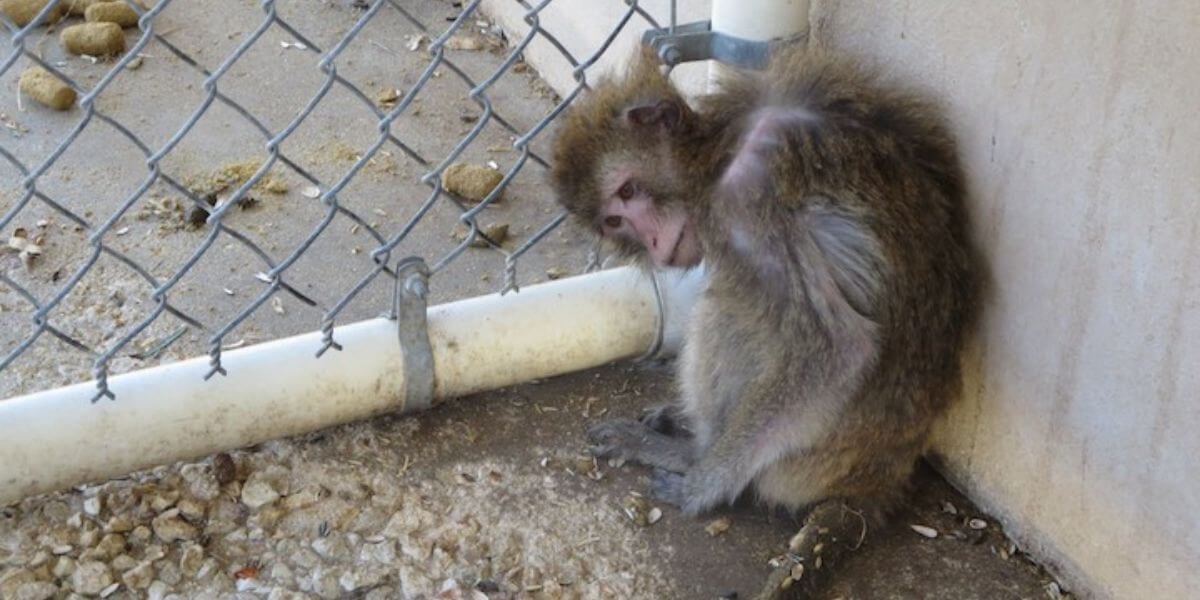
The report also details a specific incident in September 2023 involving the transport of 68 monkeys from a UW breeding facility in Arizona to a laboratory in Seattle. Despite a veterinarian certifying that the animals showed no signs of infectious disease prior to departure, the reality upon arrival was vastly different. One monkey was found dead in its transport crate. Within days of arrival, 47 of the surviving 67 monkeys—nearly 70% of the shipment—tested positive for Shigella. This discrepancy raises serious questions about the adequacy of health screenings and the integrity of the certification process within the industry.
Chronology of the Primate Pathogen Crisis
The current crisis is the culmination of years of escalating risks associated with the global trade in non-human primates.
- 2020–2022: The COVID-19 pandemic led to a "monkey shortage" in the U.S., driving up prices and incentivizing the rapid expansion of breeding facilities and the importation of wild-caught animals, which often carry a higher pathogen load.
- Early 2023: The CDC began tracking a spike in drug-resistant Shigella cases in humans, noting that traditional antibiotics like ciprofloxacin and azithromycin were becoming increasingly ineffective.
- September 2023: The University of Washington shipment incident occurred, demonstrating that even top-tier, federally funded institutions struggle to contain Shigella outbreaks during transport.
- Early 2024: U.S. Representatives Greg Steube (R-Fla.) and Dina Titus (D-Nev.) introduced the Preventing Risky Importation of Monkeys to Avoid Toxic Exposures (PRIMATE) Act (HR 8471) in response to mounting biosafety concerns.
- May 2026: PETA releases its comprehensive report, "Shigella: The Hidden Epidemic in U.S. Primate Labs," and formally petitions the CDC for full transparency regarding pathogen surveillance data.
Statistical Analysis of the Research Pipeline
The scale of the primate industry makes the containment of Shigella a logistical nightmare. Data from the U.S. Department of Agriculture (USDA) and the CDC indicate that the U.S. imports approximately 30,000 to 35,000 monkeys annually, primarily long-tailed and rhesus macaques from countries such as Cambodia, Mauritius, and Vietnam.
When combined with domestic breeding populations, there are over 100,000 primates currently housed in the U.S. for research purposes. PETA’s report argues that if 70% of a single shipment can be infected with Shigella, the total number of infected animals nationwide likely numbers in the thousands. Furthermore, the report found that in several documented cases, facilities failed to report these infections to state or federal health departments, categorizing them as "internal veterinary matters" rather than public health threats.
Official Responses and Legislative Developments
The release of the report has prompted a flurry of activity on Capitol Hill. The PRIMATE Act (HR 8471) has gained renewed attention as a bipartisan solution to the biosafety risks posed by the industry. If passed, the bill would effectively ban the importation of non-human primates destined for laboratories or their suppliers, citing the inherent risk of introducing novel or drug-resistant pathogens into the country.
"The findings in this report are a wake-up call," said a spokesperson for Rep. Dina Titus. "We cannot claim to be protecting public health while simultaneously allowing a pipeline of drug-resistant bacteria to flow into our research centers and universities. The PRIMATE Act is about safety, transparency, and preventing the next zoonotic outbreak."
PETA is now urging the CDC to release all surveillance data related to primate experimentation, including the prevalence of Shigella, the specific antimicrobial resistance profiles of detected strains, and a full accounting of documented worker exposures. The organization argues that withholding this information prevents local health departments from properly preparing for and responding to community-acquired cases of drug-resistant shigellosis.
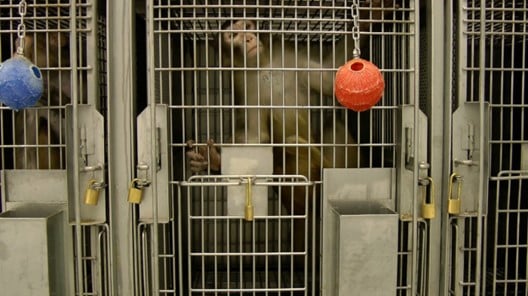
For its part, the research community has historically defended the use of primates as essential for medical breakthroughs, including the development of vaccines and treatments for Alzheimer’s and Parkinson’s. However, the PETA report suggests that the "biological cost" of these experiments is being externalized onto the public.
Broader Impact and Public Health Implications
The implications of widespread, drug-resistant Shigella in primate colonies extend far beyond the walls of the laboratory. The "One Health" concept—a framework recognized by the World Health Organization (WHO)—emphasizes that human health is inextricably linked to the health of animals and the environment.
When drug-resistant bacteria proliferate in laboratory monkeys, they do not remain confined to the cages. They can be spread through:
- Occupational Exposure: Lab technicians, veterinarians, and cleaning staff can carry the bacteria home to their families.
- Waste Management: Inadequate treatment of "aerosolized fecal matter" and liquid waste from facilities can introduce resistant bacteria into local sewage systems and waterways.
- Transport Incidents: Accidents involving trucks carrying primates—several of which have occurred in the U.S. in recent years—could release infected animals or contaminated materials into the environment.
The PETA report concludes that the U.S. primate experimentation industry is operating a "shadow health system" where pathogens are managed with heavy-handed antibiotic use rather than systemic reform. As antimicrobial resistance continues to be one of the top global public health threats of the 21st century, the revelation of a drug-resistant reservoir in the nation’s laboratories may force a fundamental reevaluation of the costs and risks of primate-based research.
As of the time of publication, the CDC has not yet responded to PETA’s formal request for the release of pathogen surveillance data. Meanwhile, animal welfare advocates and public health experts alike are watching the progress of the PRIMATE Act, which could represent the most significant change to primate importation laws in decades.

