


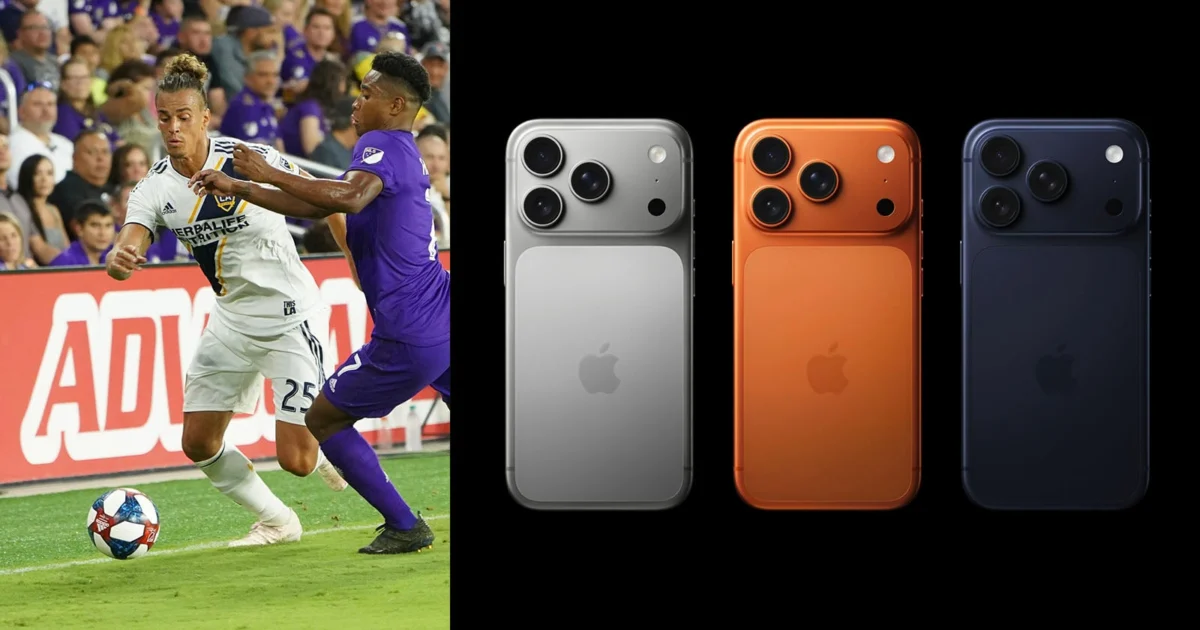
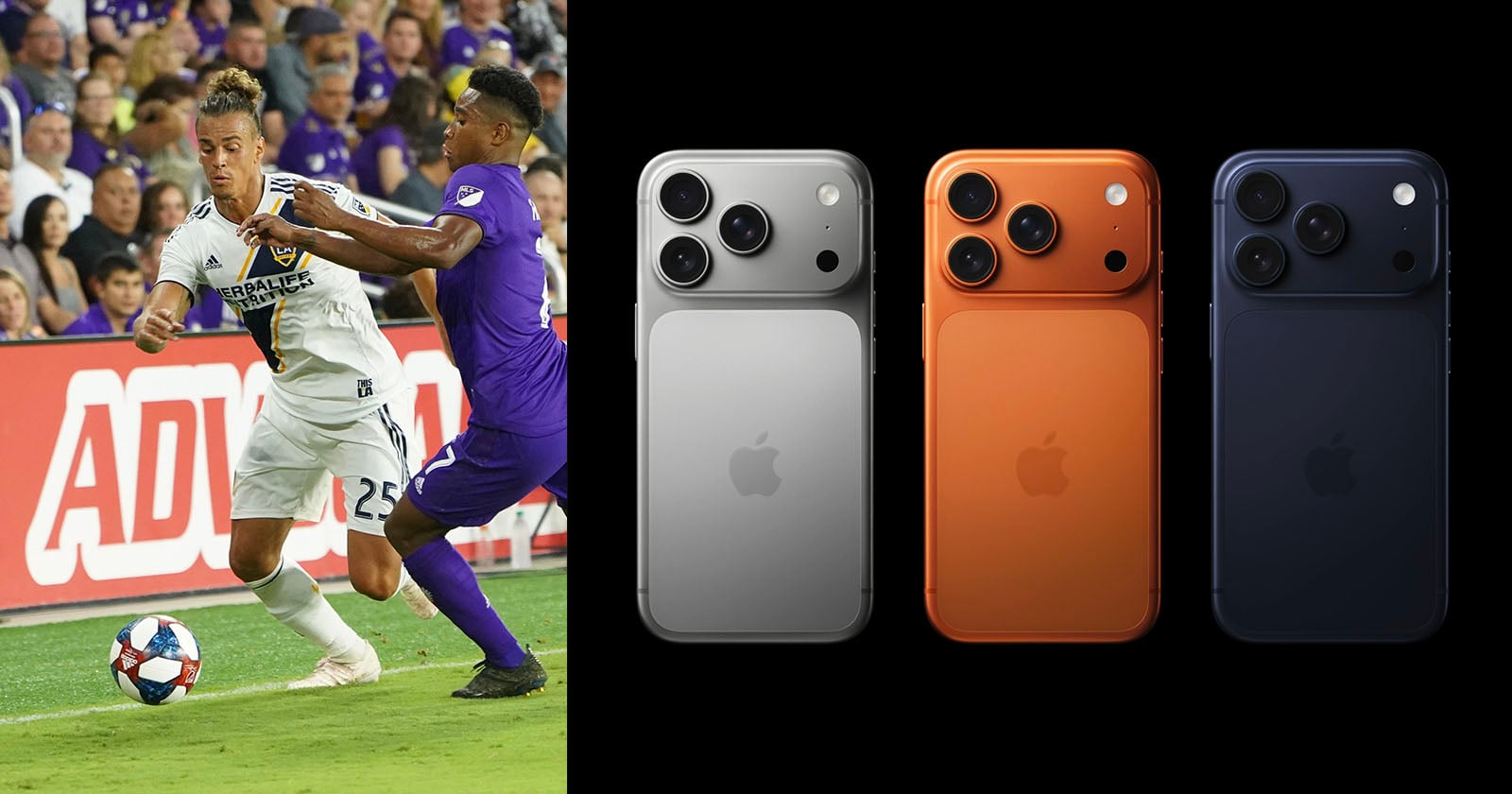
In a move that signals a paradigm shift for the sports broadcasting industry, Apple and Major League Soccer (MLS) have announced that the upcoming match between the LA Galaxy and Houston Dynamo FC on May 23 will be filmed and broadcast exclusively using iPhone 17 Pro smartphones. This historic event, scheduled to take place at the Dignity Health Sports Park in Carson, California, represents the first time a major professional live sporting event will rely entirely on mobile device hardware for its primary camera coverage. The broadcast will be available globally via the Apple TV app, marking a significant milestone in the "Shot on iPhone" campaign and the ongoing evolution of Apple’s multi-billion dollar partnership with the MLS.
The decision to utilize the iPhone 17 Pro as the sole capture device for a live, high-stakes professional match underscores the technological advancements Apple has made in mobile cinematography. While the company has previously integrated iPhone footage into live broadcasts for specific segments or cinematic cutaways, this full-scale implementation serves as a stress test for the device’s ability to replace traditional, heavy-duty broadcast equipment. Fans watching at home can expect a standard multi-angle production, but with the added intimacy and versatility afforded by the smaller form factor of the iPhone.
A Technical Revolution in Live Sports Production
The iPhone 17 Pro units deployed for the May 23 broadcast are equipped with Apple’s latest "Fusion" camera system. This setup includes three 48-megapixel sensors that, through software optimization and optical focal lengths, provide the equivalent of eight distinct professional lenses. According to technical specifications provided by Apple, the broadcast will leverage the Apple Log 2 color profile, a feature designed to preserve dynamic range and provide colorists with the flexibility required to match the visual standards of traditional high-definition television broadcasts.
Traditional sports broadcasting relies on massive Electronic News Gathering (ENG) cameras and heavy-duty stadium rigs that require significant physical space and specialized cabling. By contrast, the iPhone’s compact size allows production teams to place cameras in locations previously deemed inaccessible. For the LA Galaxy vs. Houston Dynamo match, Apple and the MLS will position iPhones in-net to capture goal-line action, within player tunnels for introductions, and deep within the spectator stands to capture the visceral atmosphere of the crowd.
The production will also utilize high-end features such as 4K resolution at 120 frames per second, ProRes RAW recording, and "Open Gate" sensor readout. These capabilities allow the production team to capture more visual data than standard mobile formats, ensuring that the high-speed motion of a soccer match remains fluid and detailed even when viewed on large-screen televisions.
Chronology of Apple’s Integration into Professional Sports
The path to this full-device broadcast has been paved by several years of incremental testing. Apple’s foray into professional sports capture began in earnest after the company secured a 10-year, $2.5 billion broadcasting deal with Major League Soccer in 2022.
- Early Experiments (2023-2024): Apple began using iPhones to capture "cinematic" B-roll and social media content during MLS matches. This content was often used in pre-game montages or as highlight reels.
- Friday Night Baseball (2025): During a matchup between the Boston Red Sox and Detroit Tigers, Apple successfully integrated iPhone 17 Pro footage into a live Major League Baseball (MLB) broadcast. This experiment was so successful that one of the iPhones used during the game was officially inducted into the National Baseball Hall of Fame and Museum in Cooperstown, New York, recognizing its role in the evolution of sports media.
- MLS Cup Integration (2025): Following the MLB success, Apple expanded the use of the iPhone 17 Pro during the 2025 MLS Cup. While not the sole source of footage, the device was used for critical sideline and celebratory shots.
- Full Broadcast Commitment (2026): For the 2026 season, Apple integrated iPhone capture into every "Friday Night Baseball" broadcast. The May 23 MLS match represents the final step in this evolution: removing traditional cameras entirely from the workflow for a major live event.
Strategic Context: The Road to the 2026 FIFA World Cup
The timing of this broadcast is not coincidental. The May 23 match serves as the final weekend of MLS competition before the league enters a scheduled hiatus for the FIFA World Cup 2026. As the World Cup is being co-hosted by the United States, Canada, and Mexico, the eyes of the global sporting community are increasingly fixed on North American soccer infrastructure.
Many players from both the LA Galaxy and Houston Dynamo FC are expected to join their respective national teams following this match. By showcasing a cutting-edge broadcast on the eve of the world’s largest sporting event, Apple is positioning its technology as the future standard for sports media. The broadcast serves as a high-profile demonstration for international broadcasters who will descend upon North America in the coming weeks, suggesting that the barriers to high-quality sports production are lowering through mobile innovation.
Implications for the Broadcasting Industry
The shift toward mobile-based professional broadcasting carries significant implications for the industry’s economics and logistics. A traditional broadcast truck and its associated camera equipment can cost millions of dollars to deploy. While the professional-grade tripods, stabilizers, and networking equipment required to sync dozens of iPhones for a live stream still involve significant investment, the core capture hardware is substantially more affordable and portable.
Industry analysts suggest that if the May 23 broadcast is successful, it could lead to a "democratization" of sports broadcasting. Lower-tier leagues, collegiate sports, and international competitions with smaller budgets may look to the iPhone 17 Pro workflow as a viable alternative to expensive traditional setups. Furthermore, the ability to stream directly from the device via 5G or localized high-speed Wi-Fi could reduce the need for extensive physical cabling throughout stadiums.
However, the transition is not without its skeptics. Traditionalists argue that mobile sensors, despite their high megapixel counts, cannot yet match the light-gathering capabilities and depth of field of the large-format sensors found in professional cinema cameras. The May 23 match will serve as a definitive test of whether software processing and Apple’s proprietary silicon can bridge that gap in a live environment where there is no room for post-production error.
Official Responses and Expected Atmosphere
While Apple and the MLS have maintained a factual tone regarding the technical rollout, the excitement within the production community is palpable. Technical directors involved in the project have noted that the iPhone 17 Pro’s ability to shoot in Apple Log 2 allows for a "cinematic texture" that is often missing from the sterile, ultra-sharp look of traditional live sports.
MLS Commissioner Don Garber has previously emphasized the league’s commitment to being a "tech-forward" organization. This partnership with Apple is seen as a cornerstone of that strategy, aiming to attract a younger, tech-savvy demographic that consumes media primarily through digital platforms and mobile devices.
Fans attending the match at Dignity Health Sports Park will see a stadium transformed. Rather than large camera operators blocking views on the sidelines, smaller, more discreet rigs will be scattered throughout the venue. This reduced footprint is expected to improve the in-person experience for fans seated near the field while providing home viewers with angles that feel as though they are standing directly on the pitch.
Conclusion and Viewing Information
The LA Galaxy vs. Houston Dynamo FC match is more than just a contest for points in the Western Conference standings; it is a live laboratory for the future of media. As Apple continues to blur the lines between consumer electronics and professional production tools, the success of this broadcast could dictate the hardware choices of broadcasters for the next decade.
The broadcast is set to begin with pre-game coverage featuring player arrivals and warmups—all shot on iPhone 17 Pro—leading up to the 10:30 PM ET (7:30 PM PT) kickoff. The match will be available for free to all Apple TV subscribers, ensuring the widest possible audience for this technological debut. As the MLS pauses for the World Cup, this "Shot on iPhone" event will likely remain a primary topic of discussion among sports media professionals throughout the summer.

