


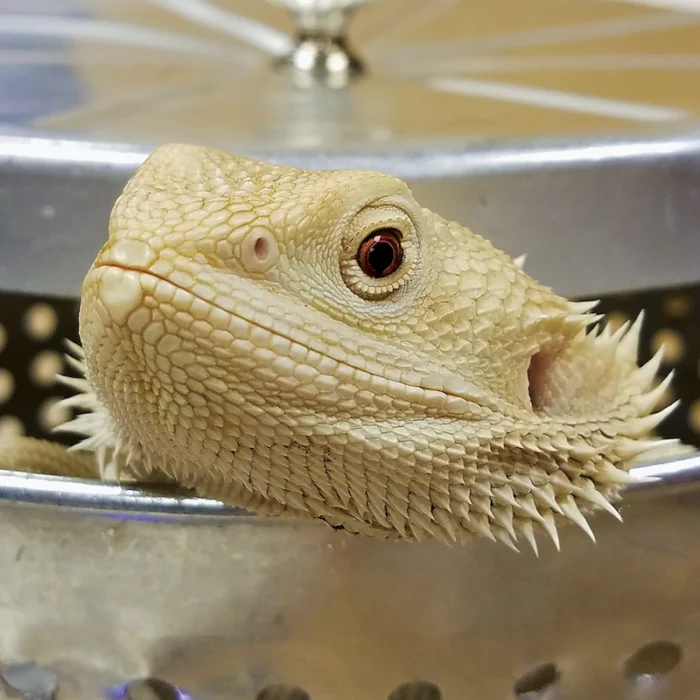
The global veterinary community has marked a significant milestone in the advancement of exotic animal medicine with the release and accreditation of a comprehensive technical module titled Therapeutic Techniques in Reptile Patients. Published on January 11, 2026, by LafeberVet and authored by the renowned specialist Doug Mader, MS, DVM, DABVP, DECZM, this initiative addresses a critical gap in professional education regarding the clinical management of herpetological species. The program, which has received official approval from the American Association of Veterinary State Boards (AAVSB) Registry of Approved Continuing Education (RACE), provides one hour of continuing education credit for veterinarians and veterinary technicians. This development comes at a time when the ownership of reptiles, ranging from common leopard geckos to complex crocodilians, has reached unprecedented levels globally, necessitating a more sophisticated understanding of reptilian physiology and pharmacology.
The Critical Importance of the Preferred Optimal Temperature Zone
A cornerstone of the therapeutic techniques discussed in the new module is the concept of the Preferred Optimal Temperature Zone (POTZ). Unlike mammals, which maintain a constant internal body temperature through endothermic processes, reptiles are ectothermic, meaning their metabolic rate, immune function, and ability to process medication are entirely dependent on environmental temperatures. Dr. Mader emphasizes that therapeutic interventions are often futile if the patient is not maintained within its species-specific POTZ.
When a reptile is in a state of hypothermia, its enzymatic activities slow down significantly. This physiological stagnation affects the pharmacokinetics of any administered drug—from antibiotics to analgesics. For instance, a reptile kept below its POTZ may fail to distribute a drug effectively to target tissues, or conversely, may fail to excrete the drug, leading to toxic accumulation. The January 2026 update provides clinicians with updated data on how to stabilize a patient’s temperature before initiating aggressive fluid therapy or medication cycles, ensuring that the animal’s "metabolic engine" is running efficiently enough to utilize the treatment.
Advanced Hydration and Fluid Therapy Protocols
Hydration remains one of the most challenging aspects of reptile medicine, particularly in critical care settings. The module outlines several routes of fluid administration, each with specific indications based on the severity of the patient’s condition and its anatomical constraints.
Subcutaneous (SC) fluids are commonly used for mild dehydration, but the module notes that the efficacy of this route is limited by the reptile’s skin elasticity and the relatively slow absorption rates compared to mammals. For more acute cases, intracoelomic (ICe) injections are discussed as a viable alternative. This method involves the administration of fluids into the body cavity (the coelom), which provides a larger surface area for absorption. However, Dr. Mader warns of the risks associated with this technique, such as the potential for accidental organ puncture or interference with the respiratory system, as reptiles lack a diaphragm.
For the most severe cases of shock or cardiovascular collapse, the module advocates for intraosseous (IO) or intravenous (IV) catheters. Intraosseous access, often achieved through the tibia or the ulna, provides a direct route into the systemic circulation and is frequently easier to maintain in small or squamate patients than a traditional IV line. These techniques are essential for rapid volume expansion and the delivery of emergency drugs.
Routes of Medication Administration and Pharmacodynamics
The clinical application of medication in reptiles requires a nuanced understanding of their unique anatomy. One of the most debated topics in herpetological medicine is the renal portal system. This physiological feature allows blood from the hind limbs and tail to pass directly through the kidneys before entering the general circulation. Historically, it was believed that medications injected into the caudal half of a reptile would be excreted by the kidneys before they could reach therapeutic levels in the rest of the body.
The 2026 module incorporates recent research suggesting that while the renal portal system is a factor, its impact varies significantly between species and drug types. Dr. Mader provides a balanced view, recommending intramuscular (IM) injections in the cranial (front) half of the body when possible to ensure consistent blood levels, while also acknowledging when caudal injections are clinically acceptable. Furthermore, the module explores oral (PO) administration, which is often the least stressful for the patient but can be complicated by slow gastric emptying times and the potential for regurgitation in ill animals.
Specialized Care for Crocodilians and Large Reptiles
The inclusion of "crocodilian" as a key focus area in this educational release highlights the increasing need for specialized knowledge in managing large, potentially dangerous reptiles. Whether in a zoological setting or a specialized private collection, crocodilians present unique challenges in restraint and therapy. The module details specific injection sites and fluid therapy techniques tailored to the thick osteoderms and powerful musculature of these apex predators.
Therapeutic techniques for crocodilians often require a combination of physical restraint and chemical sedation to ensure the safety of both the patient and the veterinary team. Dr. Mader’s insights into these species reflect decades of field and clinical experience, providing a roadmap for practitioners who may encounter these animals less frequently than common pet lizards or snakes.
Chronology of Reptile Medicine and Educational Evolution
To understand the significance of this 2026 release, one must look at the timeline of reptile medicine over the last several decades. In the late 20th century, reptile care was often relegated to "trial and error," with many treatments extrapolated directly from canine or feline protocols without accounting for ectothermic metabolism.
- 1990s: The emergence of specialized veterinary organizations, such as the Association of Reptile and Amphibian Veterinarians (ARAV), began to formalize the field.
- 2000s: Increased availability of diagnostic tools like ultrasound and CT scans for exotic pets allowed for more accurate diagnoses.
- 2010s: Pharmacokinetic studies specifically targeting reptiles began to flourish, providing evidence-based dosing for common antibiotics and anti-inflammatories.
- 2020-2025: A shift toward digital, on-demand continuing education allowed practitioners in remote areas to access specialist-level knowledge.
- January 11, 2026: The release of the Mader module represents the current pinnacle of this educational trajectory, combining decades of clinical data into a RACE-approved format.
Supporting Data: The Rising Demand for Exotic Veterinary Services
The necessity for such advanced training is supported by market data showing a steady increase in reptile ownership. According to industry reports from late 2025, reptiles are now found in approximately 6% of households in North America and 4% in Europe. This growth is driven by the suitability of reptiles for urban living and an increasing interest in "bioactive" terrariums.
Furthermore, a 2025 survey of veterinary practitioners indicated that while 80% of clinics see "occasional" reptile patients, only 15% of those practitioners felt "completely confident" in performing advanced therapeutic techniques like intraosseous catheterization or intracoelomic fluid administration. The RACE-approved module by Dr. Mader directly addresses this confidence gap, providing the theoretical and practical framework necessary to improve patient outcomes.
Official Responses and Professional Implications
The veterinary community has responded positively to the launch of the module. Representatives from the AAVSB have noted that the rigorous standards required for RACE approval ensure that the information provided is not only current but also scientifically sound. "Providing accessible, high-level education on non-traditional species is vital for the modern veterinarian," a spokesperson for the registry stated.
Dr. Doug Mader, whose credentials include triple board certification, is widely regarded as a pioneer in the field. His involvement brings a level of authority that encourages practitioners to adopt these advanced techniques. Colleagues in the field of herpetology have praised the module for its focus on practical application, noting that the "three chances to pass" the post-test ensures that participants truly master the material before receiving credit.
Broader Impact on Animal Welfare and Conservation
Beyond the clinical setting, the dissemination of advanced therapeutic techniques has broader implications for animal welfare and conservation. Many of the techniques used in pet reptile medicine are directly applicable to the treatment of endangered species in rescue and rehabilitation centers. By elevating the standard of care for the individual patient, the veterinary profession contributes to the broader goal of preserving biodiversity.
The emphasis on proper hydration, temperature management, and precise drug delivery reduces the morbidity and mortality rates of reptiles in captivity. As more veterinarians become proficient in these techniques, the "standard of care" for reptiles will continue to align more closely with that of traditional domestic pets, ensuring that these unique and ancient animals receive the medical attention they require.
In conclusion, the release of Therapeutic Techniques in Reptile Patients on January 11, 2026, serves as a vital resource for the modern veterinary professional. By synthesizing complex physiological concepts with practical clinical applications, Dr. Doug Mader and LafeberVet have provided a tool that will undoubtedly enhance the quality of life for countless reptilian patients worldwide. As the field continues to evolve, such accredited educational modules will remain the bedrock of professional excellence in exotic animal medicine.

