


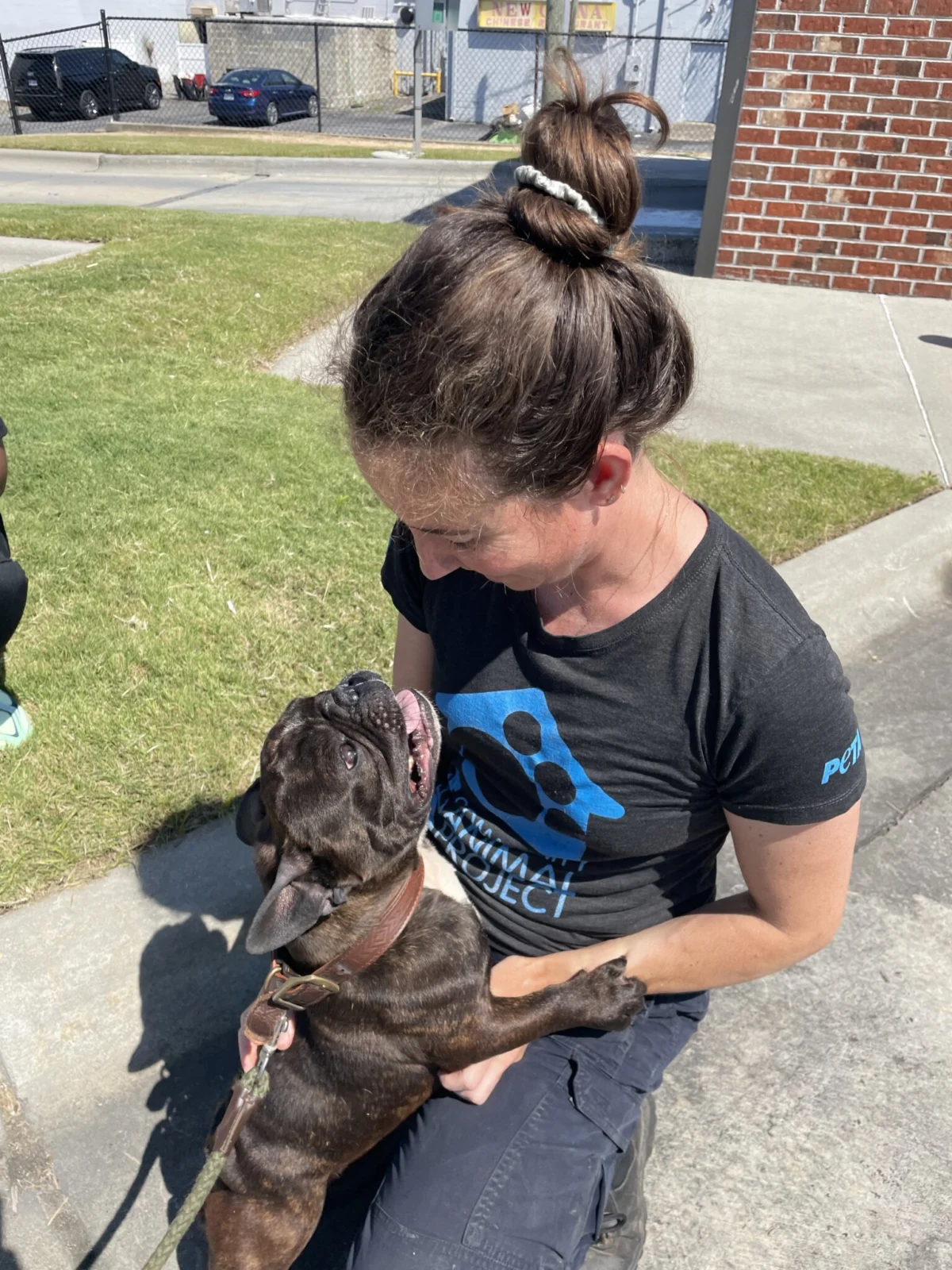
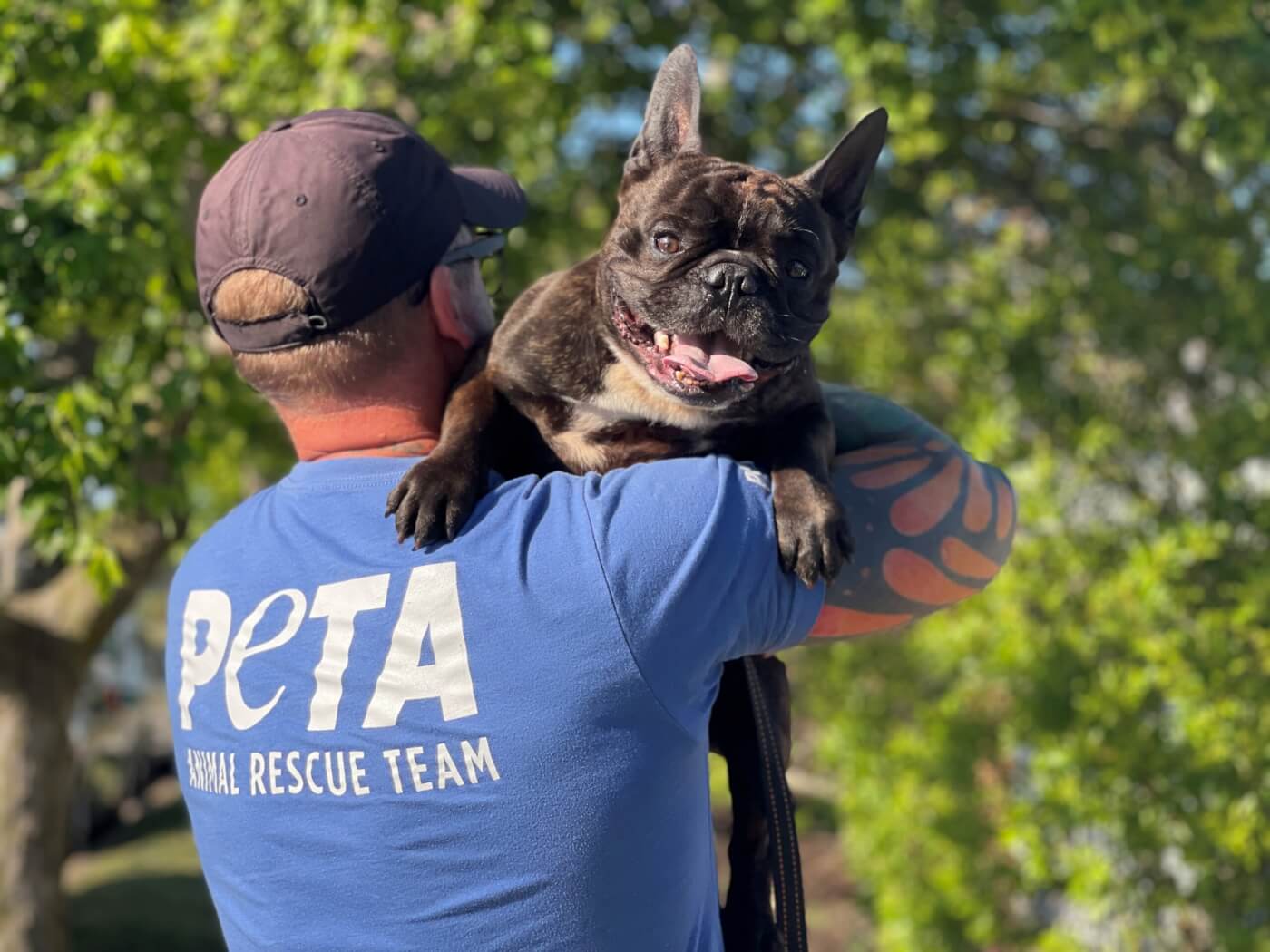
The People for the Ethical Treatment of Animals (PETA) has recently highlighted the case of Pierre, a two-year-old brindle French bulldog, to draw national attention to the systemic issues surrounding the breeding of brachycephalic dogs and the practice of long-term crate confinement. Pierre, who was surrendered to PETA’s shelter in the Hampton Roads area of Virginia, serves as a primary example of the physical and psychological toll placed on animals bred for specific aesthetic traits. The organization is currently seeking a specialized permanent home for the canine while advocating for stricter regulations on "breeding-impaired breeds" (BIBs), a category that includes French bulldogs, English bulldogs, and pugs.
Pierre’s journey to the PETA shelter underscores a recurring pattern in the pet industry, where high-demand "designer" breeds are often shuffled between owners who may not be fully prepared for the complex medical and behavioral needs associated with the breed. According to PETA fieldworkers, Pierre was the product of commercial breeding practices that prioritize the "smushed-face" appearance over the animal’s ability to breathe. His history includes a succession of different homes and periods of significant confinement in a crate, a practice PETA vehemently opposes on the grounds of animal welfare and psychological health.
The Chronology of Pierre’s Rescue and Rehabilitation
The timeline of Pierre’s case began late last month when his most recent owner contacted PETA, citing an inability to provide the level of care and environment the dog required. Upon his arrival at the PETA facility, veterinary staff identified immediate health concerns typical of his breed. Pierre was categorized as a Breathing-Impaired Breed (BIB), a term PETA uses to describe animals suffering from Brachycephalic Obstructive Airway Syndrome (BOAS).
Following his surrender, Pierre was placed into a specialized foster home under the care of a PETA veterinary technician. This placement was intentional, as the organization requires foster guardians for BIBs to have extensive experience in managing the respiratory and spinal issues common to the breed. Pierre’s rehabilitation plan includes a comprehensive vaccination schedule, neutering, and a critical surgical intervention known as a "nose job" or stenotic nares surgery. This procedure involves widening the dog’s nostrils to alleviate the restricted airflow caused by his distorted airway.
Once Pierre has recovered from his respiratory surgery, PETA intends to facilitate his adoption into a permanent home. The organization has indicated a willingness to transport the dog to a suitable guardian anywhere along the East Coast, provided the applicant meets rigorous criteria regarding their knowledge of brachycephalic health requirements.
Medical Analysis of Breeding-Impaired Breeds
The physical condition of dogs like Pierre is the result of selective breeding for "brachycephaly," a condition characterized by a shortened skull shape. While these features are often found desirable by consumers, they result in a host of chronic health problems. Brachycephalic Obstructive Airway Syndrome (BOAS) is the most prevalent of these, occurring because the soft tissues in the nose and throat are squeezed into a smaller space than nature intended.
Veterinary data suggests that dogs with BOAS often live in a state of oxygen deprivation. The snorting, wheezing, and heavy panting often considered "cute" or "characteristic" of French bulldogs are, in fact, clinical signs of a struggle to breathe. In addition to respiratory distress, Pierre and similar breeds are highly susceptible to Intervertebral Disc Disease (IVDD). Their compacted skeletal structures put immense pressure on the spinal column, which can lead to sudden paralysis, chronic pain, and the need for expensive neurological surgeries.
Furthermore, the narrow birth canals of French bulldogs mean that the vast majority of these dogs—estimated at over 80%—must be born via Cesarean section. This reliance on human medical intervention for basic biological functions is a central point in the ethical argument against the continued breeding of these animals.
Legislative Context and Global Precedents
The advocacy surrounding Pierre’s case coincides with a growing international movement to ban or strictly regulate the breeding of breathing-impaired animals. PETA has pointed to legislative successes in Europe as a model for United States policy. For example, the Netherlands and Norway have implemented landmark rulings that restrict the breeding of certain flat-faced dogs, citing that the practice violates animal welfare laws by intentionally producing animals that are destined to suffer.
In the United States, the city of Ojai, California, became a pioneer in 2023 by becoming the first U.S. municipality to ban the breeding of French bulldogs and other breathing-impaired dogs and cats. The ordinance was passed in response to the overwhelming evidence of the "inherent cruelty" of the breeding process. PETA is actively campaigning for other cities and states to follow Ojai’s lead, arguing that the only way to end the suffering of dogs like Pierre is to cut off the supply at the source.
The Controversy of Crate Confinement
A secondary focus of the Pierre case is the issue of dog crating. Pierre’s history of being confined to a crate is a practice PETA describes as one of the "evils" a companion animal should never endure. The organization argues that while many trainers and veterinarians recommend crating for housebreaking or safety, the reality for many dogs is hours of isolation in a space that prevents natural movement and social interaction.
PETA’s stance is that crating can lead to muscle atrophy, depression, and severe anxiety. In Pierre’s case, his transition from a crated life to a foster home where he has "carte blanche" to roam is presented as a vital part of his psychological recovery. The organization advocates for alternative methods of management, such as dog-proofing rooms or utilizing "doggy daycares," rather than relying on cages as a primary housing solution.
Economic and Social Implications for Owners
Prospective owners of French bulldogs often underestimate the financial commitment required for their care. Pierre’s upcoming surgery is a standard requirement for many BIBs to ensure a basic quality of life, but such procedures can cost thousands of dollars. Beyond surgery, the lifelong management of respiratory health, potential spinal issues, and heat sensitivity—BIBs are prone to fatal heatstroke—results in significantly higher veterinary expenditures compared to other breeds.
PETA’s messaging emphasizes that "buying" an animal from a breeder supports an industry that perpetuates these health crises. The organization urges the public to adopt from shelters rather than purchasing from breeders. By adopting a dog like Pierre, a guardian is providing a home for an animal already in existence without contributing to the demand for further breeding.
Conclusion and Future Outlook for Pierre
Pierre’s case is currently in the transition phase. He remains under the observation of a foster guardian as he prepares for his corrective surgery. PETA has reported that despite his physical limitations, Pierre possesses a "big, sassy personality" and is social with children, cats, and other dogs. This temperament makes him a prime candidate for adoption, provided the new owners are prepared for the "special needs" designation he carries.

The broader impact of Pierre’s story lies in its role as a catalyst for public education. As French bulldogs remain one of the most popular breeds in the United States, the disconnect between their popularity and their physiological reality remains a significant challenge for animal welfare advocates. PETA’s objective is to shift the narrative from the "chic" status of the breed to the ethical responsibility of the consumer.
For those interested in Pierre’s future or in supporting the legislative push against BIB breeding, PETA continues to provide resources on the medical realities of brachycephaly and the legal avenues for municipal breeding bans. The organization maintains that Pierre’s "bon voyage" from his previous life of confinement is just the first step in a larger movement toward a more humane approach to domestic animal companionship. Through a combination of rescue efforts, veterinary intervention, and aggressive lobbying for reform, PETA hopes to ensure that fewer dogs are born into a life of struggling for every breath.

