


By Diane Burroughs
Published On: January 2, 2026
Last updated on: April 20, 2026
Companion bird owners frequently face the challenging task of discerning between the natural discomforts of molting and the initial manifestations of feather destructive behavior (FDB), a significant welfare concern for captive avian species. This distinction is paramount for timely intervention and maintaining a bird’s health and well-being. While molting is a normal, cyclical physiological process, its symptoms can closely mimic the early signs of more serious behavioral issues, leading to understandable anxiety among caregivers.
The Biological Imperative of Molting: A Fundamental Process
Molting is the process by which birds shed old, worn, or damaged feathers and replace them with new ones. This vital biological function is essential for maintaining optimal feather condition, which is critical for insulation, flight, and protection against environmental elements. The frequency and intensity of molting vary significantly among species, typically occurring once or twice a year, often influenced by photoperiod (daylight hours), temperature, nutrition, and reproductive cycles. For instance, many species undergo a complete molt annually, while others may have partial molts throughout the year.
During a molt, hundreds or even thousands of feathers may be replaced over several weeks or months. This is not merely a passive shedding process; new feathers, known as pin feathers, must actively grow in. These emerging feathers are encased in a keratin sheath and have a blood supply at their base, making them sensitive and potentially itchy or painful as they push through the skin. As the new feather matures, the sheath dries and flakes off, and the blood supply recedes. This simultaneous process of old feather release and new feather growth places considerable physiological demands on a bird’s body.
The Overlap: Molt Discomfort vs. Early FDB
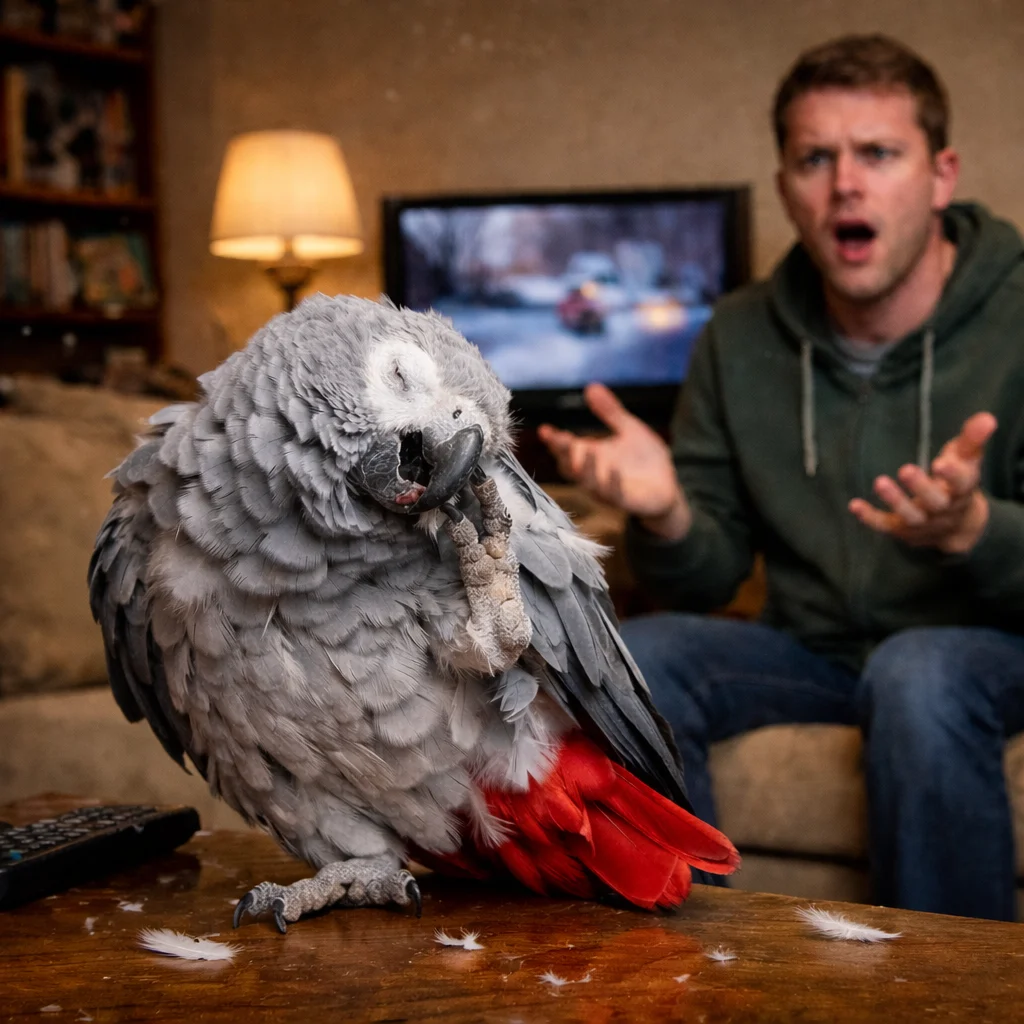
The primary concern for many bird owners arises from the symptomatic overlap between normal molting discomfort and the onset of FDB. During a typical molt, it is common for birds to exhibit increased preening, scratching, and rubbing against surfaces to help remove the keratin sheaths from new pin feathers. They may appear more irritable, sensitive to touch, or even slightly lethargic due to the energy expenditure required for feather regeneration. These behaviors, while intense, are generally transient and do not result in significant feather damage or skin lesions.
However, the line blurs when these normal behaviors escalate or become fixated. The fundamental question guiding worried owners, as highlighted by avian behavior specialists like Diane Burroughs, LCSW, is: "Is this just molting, or am I witnessing the precursor to feather plucking?" Recognizing the subtle shifts from a healthy coping mechanism to a problematic habit is crucial for preventing long-term damage and distress.
Identifying Normal Molt Behaviors
During a typical, healthy molt, a bird’s behaviors, while intensified, remain within a functional range:
- Increased Preening: The bird spends more time meticulously arranging and cleaning its feathers. This is a natural instinct to remove old feathers and break down the sheaths of new pin feathers.
- Vigorous Scratching: Birds may scratch more frequently and intensely, especially around the head and neck, to relieve the itching associated with growing pin feathers. They might use their feet or rub against perches and toys.
- Pin Feather Management: The bird actively works on breaking down the keratin sheaths of pin feathers. Small flakes of dried keratin and feather dust may be visible in the environment.
- Temporary Irritability: Due to discomfort, a bird might be less tolerant of handling, appear "grumpy," or vocalize more. This is usually short-lived and doesn’t significantly alter their overall temperament.
- Ability to Disengage: Despite periods of intense preening or scratching, the bird can easily be distracted by food, toys, human interaction, or other environmental stimuli. It will pause its feather care to engage in normal activities.
- No Persistent Damage: While a few broken or bent feathers might occur incidentally during vigorous preening, there should be no systematic feather damage, bald patches, or skin trauma. Feathers that are shed are typically intact old feathers.
Warning Signs: When Molt Becomes Concerning
Conversely, certain behaviors indicate that the discomfort may be transitioning into FDB, warranting closer observation and potential intervention. These signs suggest an escalation beyond normal molting:
- Fixation and Repetitive Behavior: The bird becomes unduly fixated on a particular area, repeatedly picking, pulling, or chewing feathers from that spot. This focus is difficult to interrupt.
- Inability to Disengage: Unlike normal molting, the bird struggles to disengage from feather manipulation, even when offered favorite treats, toys, or attention. The behavior takes precedence over other activities.
- Feather Damage: Visible signs of feather damage emerge, such as chewed shafts, broken barbs, frayed edges, or feathers that appear pulled out prematurely. The feather loss is beyond the natural shedding of old feathers.
- Bald Patches or Thinning: Specific areas of the body, particularly those accessible to the bird (chest, legs, flanks, underwings), start to show thinning or baldness that is not rapidly filling in with new, healthy feathers.
- Skin Irritation or Injury: The skin beneath the feathers may appear red, inflamed, scabbed, or even bleeding due to excessive scratching or self-mutilation.
- Changes in Feather Quality: New feathers that do grow in may appear dull, misshapen, stress-barred, or of poor quality, suggesting an underlying issue.
- Self-Mutilation: In severe cases, the bird may begin to pick at its skin, causing open wounds. This is an immediate veterinary emergency.
The critical differentiator, as emphasized by avian experts, is not merely the intensity of the behavior but its escalation and fixation. Molting discomfort typically comes and goes, whereas FDB tends to become chronic and focused.
The Physiological Burden of Molting: Nutritional Demands
Molting is an incredibly demanding process, requiring significant physiological resources. Feathers are approximately 90% protein, meaning the bird’s body must synthesize a vast amount of new protein during a molt. This process places immense strain on the bird’s metabolism and nutritional reserves.
Key nutrients are vital for healthy feather growth and skin integrity:
- Protein: A complete protein source is essential for feather structure. Diets lacking in adequate or balanced amino acids can lead to poor feather quality, prolonged molts, and increased discomfort.
- Vitamin A: This fat-soluble vitamin is crucial for healthy epithelial tissues, including skin and feather follicles. A deficiency can lead to dry, flaky skin, poor feather development, and increased susceptibility to irritation and infection.
- Essential Fatty Acids (EFAs): Omega-3 and Omega-6 fatty acids are vital for skin barrier function, reducing inflammation, and promoting a healthy, lustrous plumage. Deficiencies can result in dry, itchy skin and brittle feathers.
- B Vitamins and Minerals: B vitamins (e.g., biotin) and minerals (e.g., zinc, sulfur) play roles in keratin synthesis and overall metabolic health, indirectly supporting feather growth.
When a bird’s diet is suboptimal, especially if reliant on an all-seed diet (which is typically deficient in Vitamin A, calcium, and essential amino acids), the physiological stress of molting can be greatly exacerbated. The skin and follicles may struggle to keep pace with the demand for new feather production, leading to increased irritation, prolonged itching, and a "rough" molt. This nutritional stress can be a significant contributing factor to the onset of FDB, as the bird seeks relief from persistent discomfort.
Immediate Interventions: Reducing Irritation and Preventing Fixation
Upon observing heightened preening or scratching during a molt, proactive steps can be taken to alleviate discomfort and prevent the escalation to plucking:
- Enhance Environmental Humidity: Dry air can exacerbate skin irritation. Regular misting with plain water, providing access to a shallow bath, or using a humidifier can significantly improve skin hydration and ease discomfort.
- Offer Warm Baths: A warm, shallow bath can soothe itchy skin and help soften keratin sheaths, making it easier for the bird to remove them without excessive force.
- Optimize Nutrition: Review and upgrade the bird’s diet. Ensure a high-quality pelleted diet forms the foundation (60-80%), supplemented with a wide variety of fresh vegetables, some fruits, and a small amount of healthy protein sources. Consider consulting an avian veterinarian about specific supplements like avian-specific essential fatty acid supplements or a broad-spectrum avian vitamin/mineral supplement if deficiencies are suspected.
- Provide Enrichment: Increase the availability of appropriate chew toys, foraging opportunities, and shreddable materials. This redirects the bird’s oral and manipulative behaviors away from its feathers and provides mental stimulation.
- Maintain a Calm Routine: A predictable and calm environment reduces overall stress, which can be a trigger for FDB. Avoid sudden changes, loud noises, or prolonged periods of isolation.
- Gentle Pin Feather Assistance: For particularly itchy pin feathers on the head or neck, some birds appreciate gentle scritches from their owner. This should only be done if the bird clearly enjoys it and never forcefully.
- Limit Stressors: Identify and minimize any potential stressors in the bird’s environment, such as perceived threats, boredom, or lack of social interaction.
What Helps and What Backfires: Expert Guidance
Effective support during a rough molt is characterized by calm, consistent, and science-backed approaches that aim to reduce irritation without inadvertently reinforcing undesirable behaviors.
What Tends to Help:
- Consistent Hydration and Grooming Opportunities: Regular baths, misting, and access to fresh water promote healthy skin and feather condition.
- Nutrient-Dense Diet: A diet rich in Vitamin A, essential fatty acids, and complete proteins directly supports healthy feather growth and reduces skin irritation.
- Environmental Enrichment: Providing ample opportunities for natural behaviors like foraging, chewing, and playing diverts attention from feathers and enriches the bird’s life.
- Positive Reinforcement: Rewarding calm, non-feather-destructive behaviors with praise, treats, or attention can help shape desirable habits.
- Quiet Observation: Regularly observing the bird’s behavior without excessive interference allows owners to identify patterns and subtle changes.
What Often Backfires:
- Excessive Attention to Undesirable Behavior: Reacting dramatically to scratching or plucking, even with concern, can inadvertently reinforce the behavior by providing attention, which some birds seek.
- Punishment or Scolding: Punishing a bird for plucking or excessive preening is ineffective, creates fear, damages the human-animal bond, and can escalate stress-related behaviors.
- Isolation or Neglect: Reducing social interaction or environmental stimulation can increase boredom and anxiety, making feather destruction more likely.
- "Quick Fix" Solutions Without Addressing Root Causes: Relying solely on sprays, collars, or anti-picking devices without investigating and addressing underlying dietary, environmental, or behavioral issues is often futile and can be counterproductive.
- Ignoring the Problem: Hoping the problem will resolve itself without intervention can lead to the entrenchment of FDB, making it much harder to treat later.
When to Seek Professional Veterinary Care
While many molting discomforts can be managed at home, certain signs necessitate immediate consultation with an avian or exotics veterinarian. These are situations where home troubleshooting is insufficient and professional medical assessment is critical:
- Persistent Bald Areas: If bald patches appear and do not show signs of new feather growth within a reasonable timeframe (a few weeks), or if they are expanding.
- Open Wounds or Bleeding Skin: Any self-inflicted skin damage, cuts, or bleeding requires immediate veterinary attention to prevent infection and address pain.
- Sudden Weakness or Lethargy: If the bird appears unusually quiet, weak, fluffed up for prolonged periods, or exhibits changes in appetite or droppings.
- Chronic Squinting or Half-Closed Eyes: These can be indicators of pain, illness, or severe irritation.
- Clear Feather Pulling or Damage: If the bird is unequivocally pulling out healthy feathers, systematically chewing them to destruction, or if feather damage is widespread and progressive.
- Rapid Deterioration: Any rapid worsening of symptoms or the emergence of multiple concerning signs.
- Lack of Improvement: If home interventions have been consistently applied for several weeks without any noticeable improvement in the bird’s comfort or behavior.
An avian veterinarian can rule out underlying medical conditions (e.g., infections, parasites, organ disease, allergies) that might mimic or contribute to FDB. They can also provide guidance on advanced behavioral modification techniques, dietary adjustments, and, if necessary, pharmacological interventions.
Broader Implications and Owner Responsibility
Untreated FDB carries significant long-term implications for a bird’s health and welfare. Chronic feather plucking can lead to skin infections, persistent pain, and even systemic illness if open wounds become infected. Psychologically, it reflects chronic stress, boredom, or anxiety, severely diminishing the bird’s quality of life. For owners, it can be a source of immense frustration, guilt, and emotional distress.
Ultimately, preventing the escalation of molting discomfort into FDB requires diligent observation, a proactive approach to avian husbandry, and a willingness to seek expert help when needed. Understanding the nuances of avian behavior and physiology, coupled with providing an enriching, nutritionally sound, and secure environment, forms the cornerstone of responsible companion bird ownership. The goal is to ensure that every molting season is a manageable, temporary phase, rather than a gateway to a debilitating behavioral disorder.

