


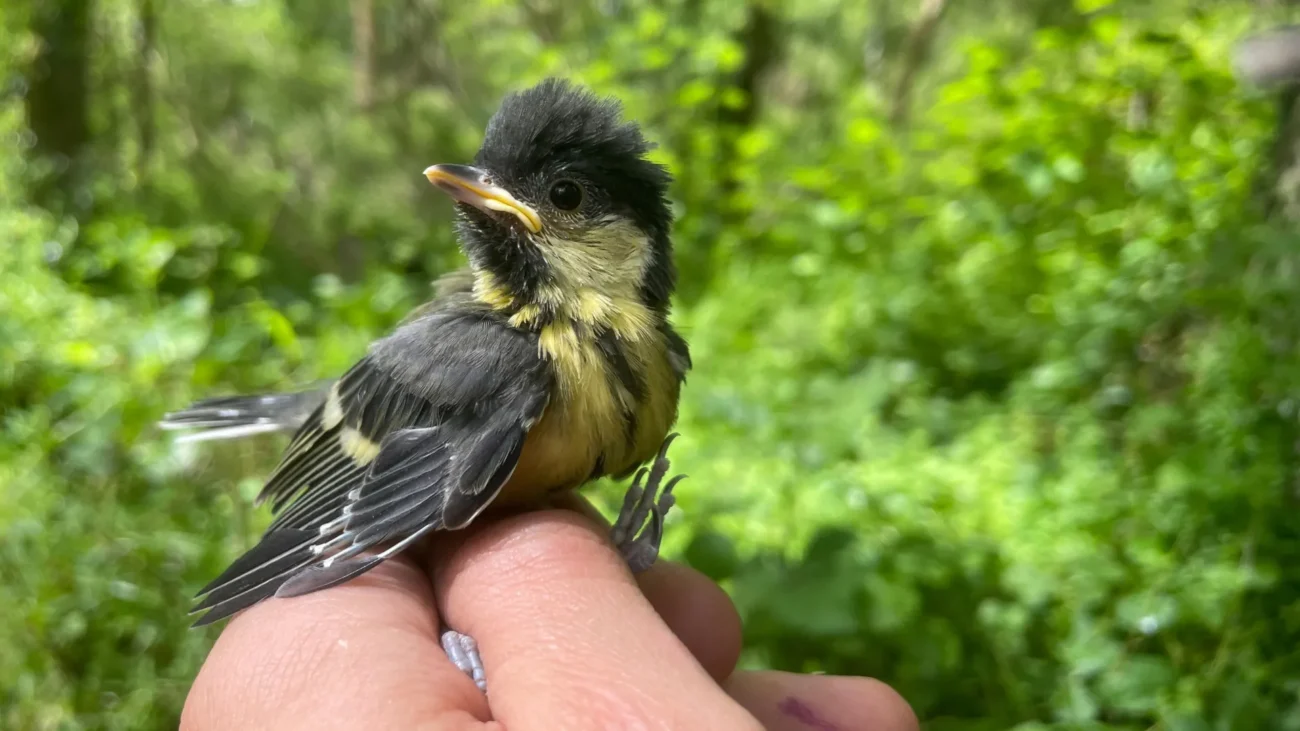
A groundbreaking study published on March 11th by the University of Oxford has unveiled a stark reality for Britain’s beloved great tit population: sudden cold snaps and torrential downpours are significantly impeding the growth and survival rates of young birds. However, the research, drawing on an unprecedented six decades of meticulous observation, also offers a glimmer of hope, suggesting that birds adopting an earlier breeding schedule may be better equipped to weather these increasingly volatile meteorological conditions.
The comprehensive findings emerge from an exceptionally robust dataset, meticulously compiled over 60 years and encompassing the detailed life histories of over 80,000 individual wild great tits within the venerable confines of Oxford’s Wytham Woods. This invaluable ecological record was then synergistically paired with granular daily weather data, creating a powerful analytical tool. By pinpointing the coldest, wettest, and hottest days within each breeding season, researchers were able to quantify the frequency of these extreme events during critical phases of chick development and assess their subsequent impact on fledging body mass – a crucial indicator of post-nestling survival prospects.
The Devastating Impact of Cold and Rain on Nestlings
The Oxford study unequivocally demonstrates that severe cold during the crucial first week after hatching poses a particularly dire threat to young great tits. As chicks mature, the insidious effects of heavy rainfall begin to dominate, escalating the risks to their development. The ramifications are tangible: both extreme cold and persistent wet weather have been shown to reduce fledging body mass by as much as 3%, a seemingly small percentage that can have profound consequences for an individual bird’s chances of survival in the wild.
The situation becomes dramatically more perilous when intense heat coincides with heavy rainfall. In such compounded weather scenarios, the study reveals a devastating drop in fledging mass, with reductions reaching up to a staggering 27%. This amplified negative effect is particularly pronounced among broods that hatch later in the breeding season, suggesting a heightened vulnerability for these later-arriving offspring.
Dr. Devi Satarkar, the lead researcher from the University of Oxford’s Department of Biology, articulated the nuanced dynamics at play. "In the Wytham population, great tits have demonstrated a remarkable adaptive response by advancing their breeding timelines to synchronize with the peak abundance of their primary food source, caterpillars," Dr. Satarkar explained. "This overall shift towards earlier nesting is undeniably beneficial, acting as a crucial buffer against many of the detrimental impacts of extreme weather events. However, this earlier initiation also exposes them to the risks of cold spells early in the season. The reality is that even minor deficits incurred during early life can have disproportionately large implications for an individual’s ultimate survival. As climate change continues to escalate the frequency and intensity of extreme weather, the challenge for these birds to keep pace will only grow more formidable."
Understanding the Biological Mechanisms of Harm
The physiological vulnerabilities of newly hatched chicks are central to understanding why cold and rain exert such a significant toll. Lacking fully developed feathers, young birds possess a limited capacity for thermoregulation. During cold spells, their metabolic resources are redirected from essential growth processes to simply maintaining core body temperature. This energetically costly battle for warmth directly impedes their development, leading to smaller, weaker individuals.
Furthermore, adverse weather conditions profoundly disrupt the intricate food-delivery chain that sustains growing chicks. Extreme cold and torrential rain can significantly curtail the ability of parent birds to venture out of the nest in search of food. The frequency of foraging trips is reduced, leading to a potential shortfall in the vital nutrients and energy required for rapid growth. Compounding this challenge, heavy rainfall can physically dislodge caterpillars from their perches on vegetation, decimating the primary food source that these highly demanding nestlings rely upon to meet their soaring energy requirements. The cumulative effect is a compromised diet and reduced growth rates, making them more susceptible to disease and predation.
The Unexpected Benefit of Mild Heat
In a finding that challenges conventional assumptions about heat and avian health, the Oxford study identified a surprising correlation between warmer extreme temperatures and heavier fledging weights. While prolonged periods of high heat are often associated with heat stress and negative impacts on wildlife, the warmer spells observed in Oxfordshire during the study period appear to have been relatively mild, especially when contrasted with the extreme heat experienced in southern European climes.
Dr. Satarkar elaborated on this paradoxical observation: "Extreme weather events are influencing wild bird populations in intricate and often unexpected ways. The level of warmth we observed in these heat extremes in Oxfordshire may have actually boosted growth rates. This is likely because warmer conditions can enhance insect activity and visibility, making caterpillars easier for parent birds to locate. Simultaneously, these conditions allow parents to forage more effectively and reduce the thermoregulatory costs for the nestlings themselves. The high water content within caterpillars also provides a vital defense against dehydration. This stands in stark contrast to hotter regions like the Mediterranean, where similar weather events can exceed 35°C and prove detrimental to nestlings." This highlights the critical importance of considering regional climate variations and the specific physiological tolerances of different species.
The Advantage of an Early Start
The research clearly indicates that broods hatching earlier in the spring gain a distinct advantage. These early nesters tend to benefit from occasional warm spells when caterpillar populations are abundant and temperatures remain within a safe and conducive range for development. Conversely, birds that commence breeding later in the season encounter a more challenging environment. Their fledglings, even when experiencing similarly warm days (around 16-17°C), are found to be approximately one-third lighter on average compared to their earlier-hatched counterparts.
Over the longer term, the study also sheds light on the cumulative effects of extreme weather. While severe cold and rainfall are associated with a slight reduction in the probability of young birds surviving to adulthood, periods of warm extremes appear to exert small, positive influences on survival. Ultimately, the overarching conclusion drawn from this extensive dataset is that breeding earlier within the seasonal cycle provides a significant protective shield for many great tits against the most severe consequences of unpredictable and extreme weather patterns.
Broader Implications for Wildlife Conservation in a Changing Climate
The findings from the University of Oxford study carry profound implications for understanding and mitigating the impacts of climate change on avian populations. As the frequency and intensity of extreme weather events are projected to increase globally, the need for precise, localized monitoring of environmental conditions becomes paramount. Scientists emphasize the importance of studying microclimates – the unique, small-scale environmental conditions within specific habitats – and variations in habitat structure.
This granular understanding is crucial for developing targeted and effective conservation strategies. Such strategies could include the strategic placement of artificial nestboxes to offer shelter during adverse weather, or implementing specific woodland management practices designed to enhance the availability of food resources during critical breeding periods. By tailoring conservation efforts to address the specific vulnerabilities identified in this research, we can better protect vulnerable chicks during their most critical developmental stages.
The research team at Wytham Woods plans to continue its long-term monitoring of the great tit population. A key focus for future research will be to ascertain how the observed weather effects might evolve as global temperatures continue to rise. A critical question that remains unanswered is whether heatwaves that are currently considered moderate could eventually cross a threshold and become harmful to nestlings as average temperatures continue their upward trajectory. This ongoing research will be vital for informing adaptive conservation strategies in an era of unprecedented environmental change. The study’s findings underscore the interconnectedness of climate, weather, and biodiversity, highlighting the urgent need for global action to address the root causes of climate change and protect the delicate balance of our natural world.

